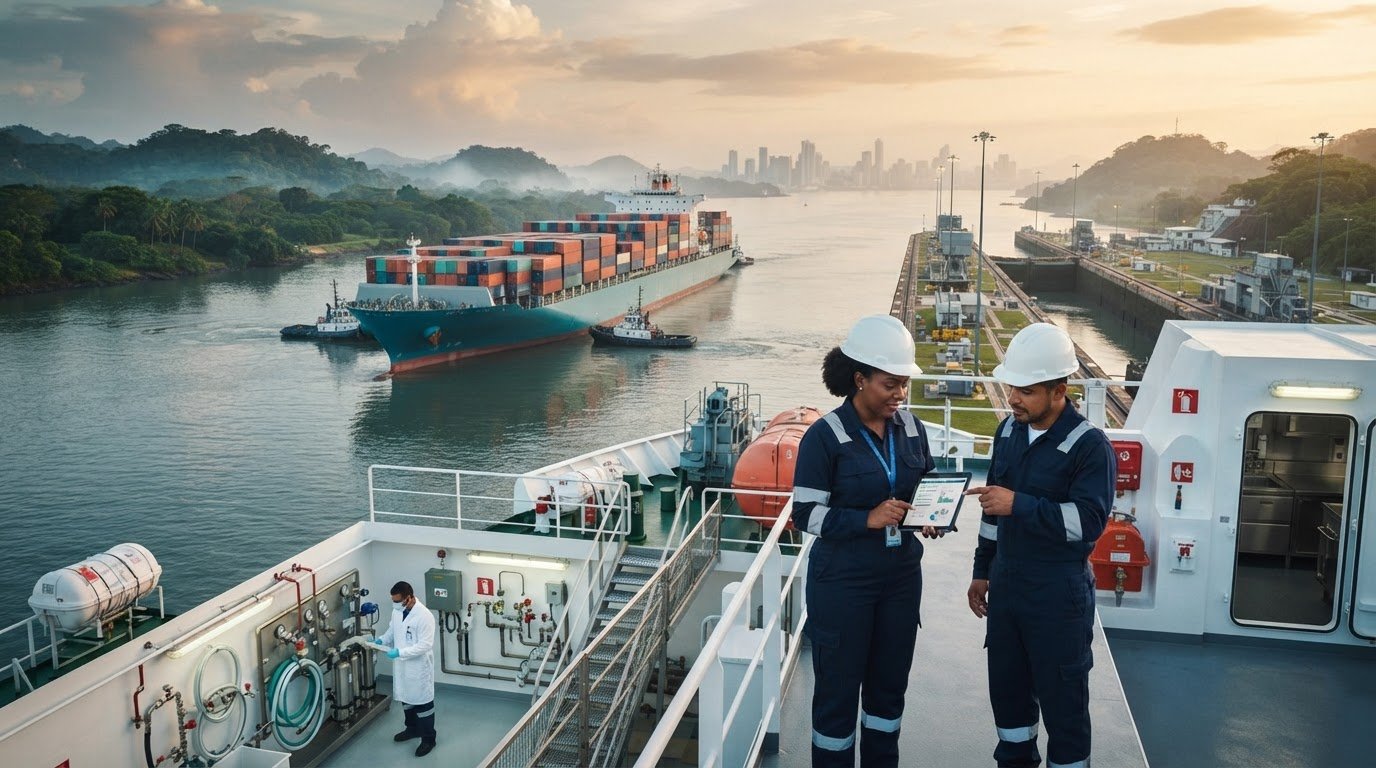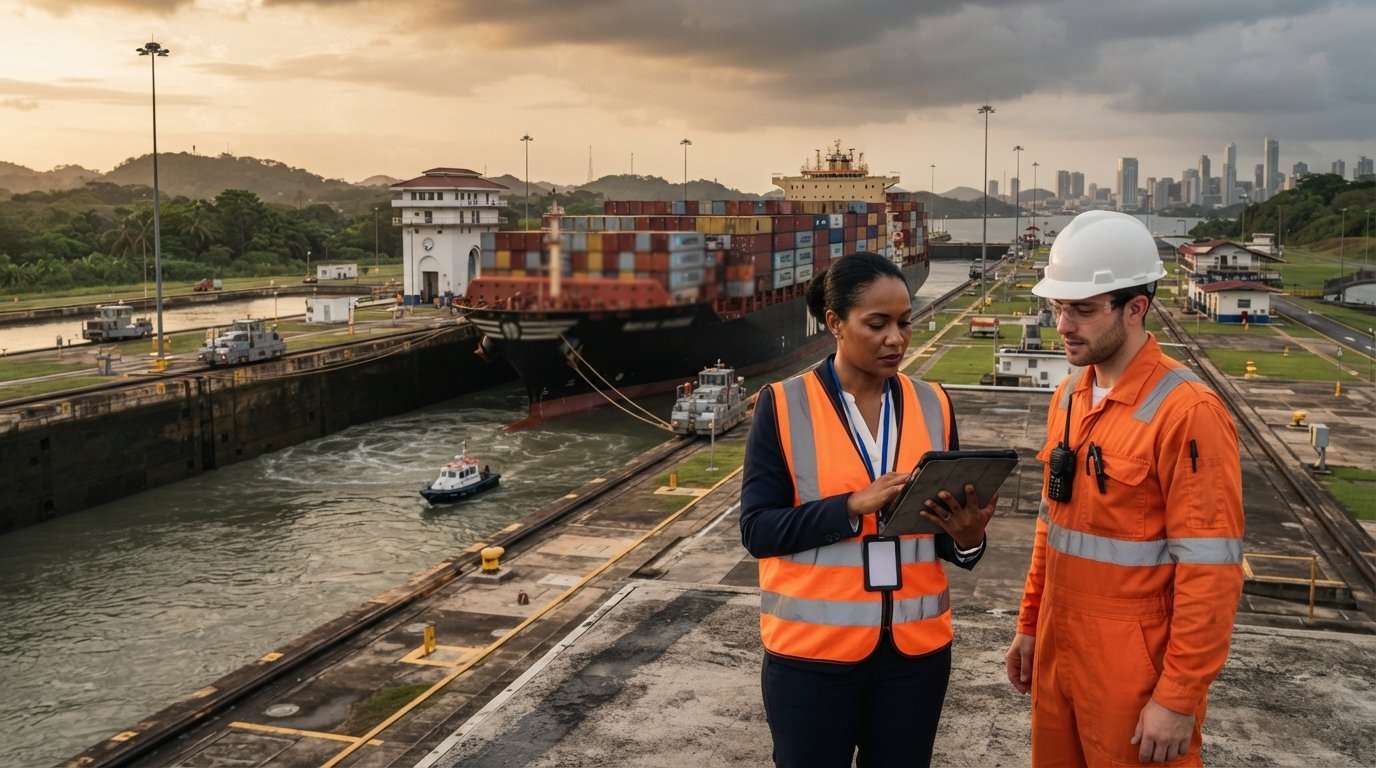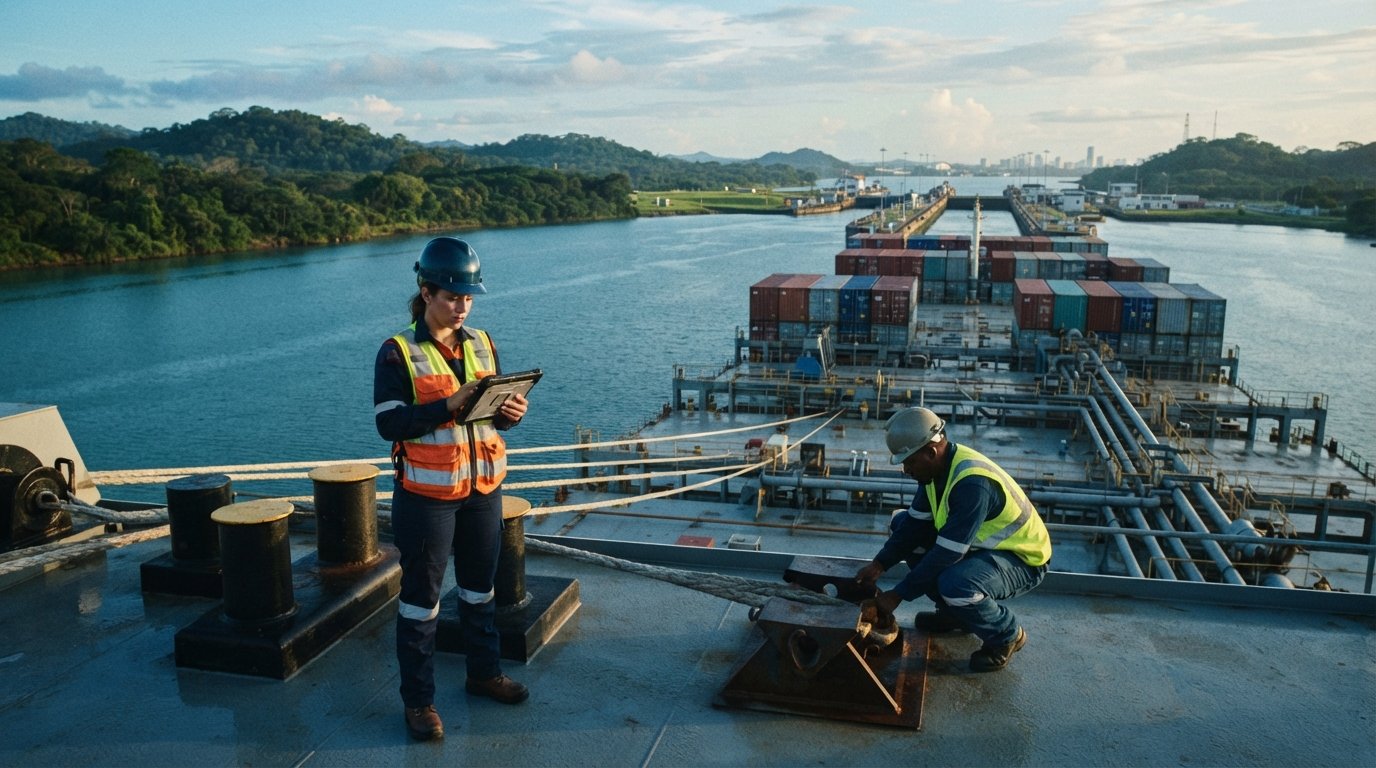

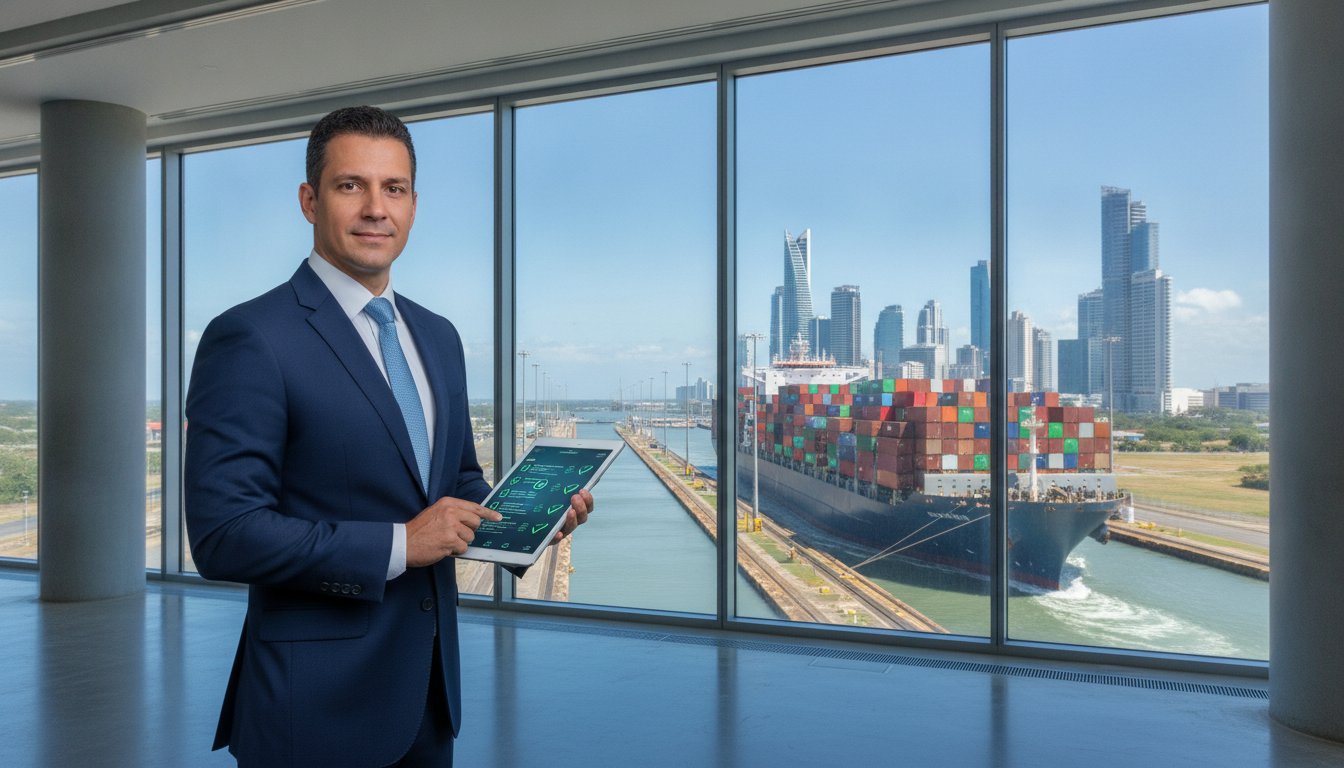
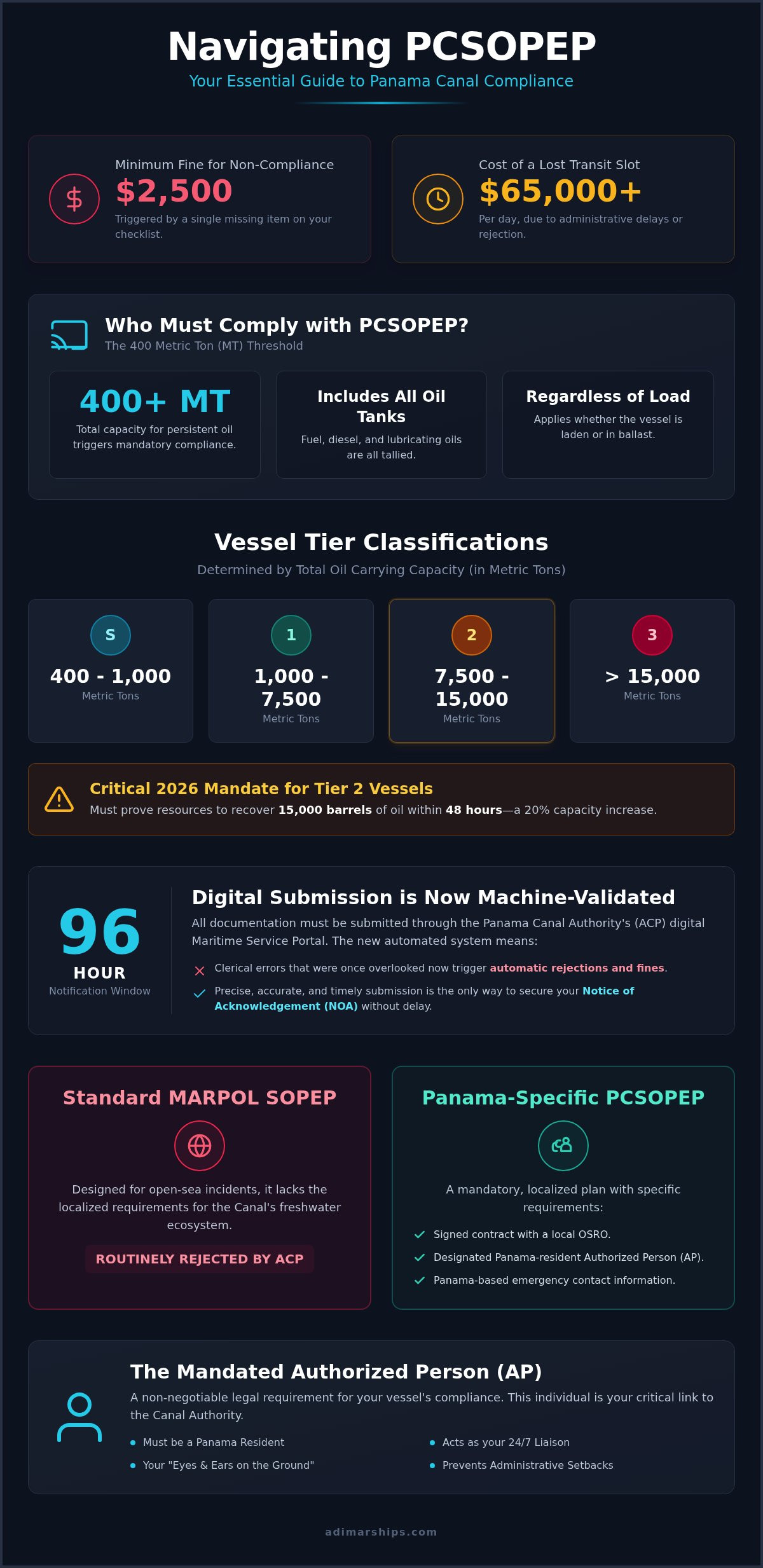
Missing a single item on your Panama Canal SOPEP checklist can trigger a $2,500 fine and cost your vessel a $65,000-per-day transit slot. For ship operators, the 96-hour notification window isn’t just a deadline; it’s a high-stakes race against the Panama Canal Authority’s new machine-validated digital systems. We understand that managing Tier classifications and the 2026 mandate for Tier 2 vessels to recover 15,000 barrels of oil within 48 hours is both stressful and complex.
This guide ensures you master the latest regulations to avoid costly penalties and ensure your vessel transits without delay. By following our compliance guide, you’ll secure a successful Notice of Acknowledgement (NOA) and eliminate the risk of clerical rejection. We’ll break down the digital submission process through the ACP’s Maritime Service Portal and clarify the updated Tier thresholds. We also explain why having a vigilant local Authorized Person (AP) to act as your eyes and ears on the ground is your best defense against administrative setbacks and operational downtime in Panama.
Key Takeaways
- Learn how to determine if your vessel meets the 400 MT threshold for mandatory PCSOPEP compliance to avoid entry denial.
- Use our Panama Canal SOPEP checklist to verify your vessel’s Tier classification and ensure you meet the updated 2026 oil recovery mandates.
- Master the 96-hour notification window and the ACP’s digital submission portal to prevent administrative fines starting at $2,500.
- Understand the legal requirement for a Panama-resident Authorized Person to serve as your 24/7 liaison with the Canal Authority during an emergency.
- Discover how delegating compliance to a local expert protects your transit slot and eliminates the risk of costly clerical errors.
Understanding Panama Canal SOPEP (PCSOPEP) Mandatory Regulations
Transiting the Panama Canal requires more than just standard maritime documentation. While most vessels carry a global Shipboard Oil Pollution Emergency Plan (SOPEP), the Panama Canal Authority (ACP) mandates a localized, more rigorous version known as the PCSOPEP. This plan isn’t a suggestion; it’s a strict legal requirement designed to protect the Gatun Lake watershed. This area provides drinking water for the entire country, so the ACP maintains zero tolerance for planning errors. If your vessel’s documentation doesn’t meet these specific local standards, you face administrative fines starting at $2,500 and potential transit delays that can cost upwards of $65,000 per day.
The ACP prioritizes environmental protection because the Canal is a fresh water system, unlike the open ocean. A spill here isn’t just a maritime accident; it’s a national environmental crisis. Because of this, the PCSOPEP requires vessels to have pre-arranged contracts with local oil spill response organizations (OSROs) and a designated local representative. You cannot rely on international response teams that are days away. Your Panama Canal SOPEP checklist must reflect these local realities before you reach the 96-hour notification window. For maritime operators who also manage land-based infrastructure, it is equally important to learn more about Aden Integrated Services Ltd and their specialized hazardous material abatement services.
Who Must Comply with PCSOPEP?
The threshold for compliance is clear and non-negotiable. Any vessel over 400 gross tons (GT) carrying 400 metric tons (MT) or more of persistent oil must have an approved PCSOPEP on file. This 400 MT limit includes the sum of all oil tanks, including fuel, diesel, and lubricating oils. Large container ships, bulk carriers, and tankers are almost always affected. Even smaller vessels often exceed the limit once their bunker capacity is fully tallied. It’s vital to remember that the requirement applies regardless of whether the vessel is laden or in ballast. If the physical capacity to carry 400 MT of oil exists, the plan must be active and approved by the ACP.
The Legal Framework: Chapter IX and Beyond
The ACP operates under its own unique legal structure, specifically the Regulation on Navigation in Panama Canal Waters. Chapter IX of this regulation dictates every aspect of pollution emergency planning. These local rules supersede international MARPOL standards within the Canal Zone. The ACP enforces these rules with absolute precision to prevent even minor spills from entering the fresh water system. Effective January 1, 2026, the ACP will strictly enforce updated Chapter IX compliance through its new machine-validated digital portal to ensure every transiting vessel has verified recovery resources and a resident Authorized Person. This shift toward digital validation means clerical errors that were once overlooked will now trigger automatic rejections and fines.
Vessel Tiers and Classification: Determining Your Requirements
Classification determines your operational overhead and your total resource costs. Your Panama Canal SOPEP checklist must begin with an accurate calculation of your vessel’s total oil carrying capacity. This includes every drop of fuel, diesel, and lubricating oil on board. The Panama Canal Authority (ACP) uses this data to assign your vessel to one of four Tiers, each carrying different requirements for local response resources. Accuracy is vital because the financial implications of misclassification are steep.
Tier S applies to vessels with a capacity between 400 and 1,000 metric tons (MT). Tier 1 covers 1,000 to 7,500 MT. Tier 2 ranges from 7,500 to 15,000 MT, while Tier 3 applies to anything over 15,000 MT. For 2026, Tier 2 requirements have intensified; these vessels must now prove access to resources capable of recovering 15,000 barrels of oil within 48 hours. This is a 20% increase in required capacity compared to previous years. If you fail to provide accurate data or submit late, the ACP will default your vessel to Tier 3 status. This results in significantly higher resource fees and more restrictive scheduling that can disrupt your entire logistics chain.
PCSOPEP vs. MARPOL SOPEP: Crucial Differences
Many operators assume their standard MARPOL plan is sufficient for a Canal transit. It isn’t. The ACP routinely rejects standard plans because they lack the localized response strategies required for the Gatun Lake watershed. A valid PCSOPEP must include specific Panama-based contact information and a signed agreement with a local Oil Spill Response Organization (OSRO). It also requires the designation of a local Authorized Person (AP). While your global plan handles open-sea incidents, the PCSOPEP is a distinct, integrated document that satisfies Panama’s unique legal framework. Working with a specialized PCSOPEP Authorized Person ensures these local nuances are addressed long before you reach the locks.
The Impact of Tier Classification on Transit Scheduling
Tier classification affects more than just your paperwork. High-capacity Tier 3 vessels face much stricter scheduling windows and higher resource costs. Because these ships carry larger volumes of persistent oil, the ACP requires verified readiness for massive recovery operations. If your submission is non-compliant, the automatic Tier 3 penalty can derail your voyage. For a broader look at how these regulations fit into your journey, consult our Panama Canal transit guide for ship operators. Accurate classification keeps your costs predictable and your transit on schedule.
The 96-Hour Rule: Timelines and Submission Procedures
Timing is everything at the Panama Canal. For 2026 transits, the 96-hour pre-arrival notification is a hard deadline that the ACP enforces through machine-validated systems. You must submit your documentation through the Maritime Service Portal at least four days before reaching Canal waters. If your voyage from the last port is shorter than 96 hours, you must submit the plan before departure. This isn’t just paperwork; it’s the trigger for your Notice of Acknowledgement (NOA). Without this digital ticket, your vessel cannot enter the queue, leading to indefinite delays and missed slots. Missing this window or submitting flawed data results in an administrative fine starting at $2,500.
The submission process is now fully digital. You or your representative must upload the required files through the ACP’s Electronic Data Interchange. Once the system validates your data, you receive the NOA. This document confirms that your vessel has met the preliminary requirements for pollution emergency planning. Don’t wait until the last minute to start this process. System glitches or simple clerical errors can turn a routine transit into a costly logistical nightmare. We recommend initiating the upload at least 120 hours before arrival to provide a safety buffer for any required corrections.
Common Documentation Pitfalls to Avoid
Errors often hide in the fine print. One of the most frequent mistakes is a discrepancy between the tank capacity declared in the PCSOPEP and the cargo declaration on the Bill of Lading. Even a small clerical error can cause the automated system to flag your vessel for non-compliance. Your Panama Canal SOPEP checklist should include a final verification of:
- Total persistent oil capacity across all fuel, diesel, and lube tanks.
- Current contact details for your resident Authorized Person.
- Validity dates for all crew certificates, as the portal now flags anything expiring within 30 days of transit.
Checking these details early gives you a vital window to fix errors before the 96-hour hammer falls. Digital validation is unforgiving, so precision is your best defense.
Managing Changes in Vessel Schedule
Maritime logistics are fluid, and ETAs often shift due to weather or port congestion. If your arrival time changes after you’ve submitted your plan, you must update the arrival info immediately to avoid triggering a non-compliance alert. The ACP’s system tracks vessel positions in real-time. A mismatch between your declared ETA and your actual position can lead to a red flag status. Relying on an experienced Panama Canal ships agent is the most effective way to manage these updates. We act as your proactive partner, adjusting your digital filings as conditions change so that your NOA remains valid and your transit slot stays secure. Delegating this coordination allows your crew to focus on navigation while we handle the regulatory vigilance on the ground.
The Role of the Authorized Person (AP) in Canal Compliance
The Authorized Person (AP) is far more than a name on your Panama Canal SOPEP checklist. They are a legal mandate and a critical operational partner. The Panama Canal Authority (ACP) requires every vessel to have a designated AP who is a resident of Panama. This individual acts as the 24/7 liaison between your ship and the Authority during any pollution incident. Your Panama Canal SOPEP checklist must include a verified and current AP who understands the 2026 digital mandate. When you delegate this responsibility to a qualified local expert, you ensure your vessel has a vigilant representative ready to navigate the ACP’s complex Incident Management System at a moment’s notice.
Beyond communication, the AP provides a vital financial guarantee. In the event of a spill, the ACP requires immediate assurance that response costs will be covered. Your AP manages the financial coordination between your P&I Club, the local Oil Spill Response Organizations (OSROs), and the Canal Authority. This ensures that cleanup efforts begin without delay, which is essential for minimizing environmental impact and avoiding massive secondary fines. Without a responsive AP, your vessel could be detained indefinitely while the Authority seeks financial security from foreign entities.
Why a Local AP is Legally Required
The ACP maintains a strict policy regarding communication during emergencies. They won’t coordinate with owners or operators based in London, Singapore, or Athens while an incident is unfolding in Panama waters. They require a local representative who is fluent in both English and Spanish to be physically present in the country. This ensures that instructions are understood and executed with zero delay. The AP serves as the legal bridge between the ship and the Authority, providing the local oversight that international standards cannot achieve.
Strategic Benefits of a Proactive Authorized Person
A proactive AP does more than just wait for an emergency. They act as your on-the-ground vigilant observer, reviewing your documentation to catch errors before they reach the ACP’s desk. This local expertise is invaluable for resolving documentation disputes or clarifying Tier classification requirements. For a deeper look at these responsibilities, consult our PCSOPEP authorized person guide. Choosing a partner with deep local knowledge means your vessel is protected by an extension of your own team. To secure reliable representation for your next transit, contact our team for PCSOPEP Authorized Person services today.
Securing Your 2026 Transit with Adimar Shipping
Compliance is more than just a regulatory hurdle; it’s a critical component of your vessel’s operational success. At Adimar Shipping, Inc., we position ourselves as your proactive partner on the ground in Panama. We understand the high stakes of the 2026 digital mandate and the financial pressure of maintaining a strict transit schedule. Our goal is to alleviate the stress of logistical complexities by providing expert PCSOPEP Authorized Person services that protect your interests. When you delegate your compliance needs to us, you gain the peace of mind that comes from working with a seasoned expert who understands every nuance of the Panama Canal Authority’s requirements.
We don’t just act as a name on a document. We serve as a vigilant extension of your own team. Our deep local knowledge allows us to anticipate challenges before they result in fines or delays. By integrating our Authorized Person services with our comprehensive ship agency capabilities, we provide a seamless experience that covers everything from financial coordination to real-time communication with the ACP. This holistic approach ensures that your Panama Canal SOPEP checklist is not only complete but optimized for a smooth, uninterrupted transit.
Our Approach to PCSOPEP Verification
Our internal audit process is designed to eliminate the risk of clerical rejection. Before any data enters the ACP’s digital portal, our team performs a rigorous review of your vessel’s plans and declarations. We verify tank capacities, check the validity of crew certificates, and ensure your Tier classification is accurate. We manage the 96-hour countdown for our fleet with precision, providing a safety buffer that allows for corrections well before the deadline. This level of oversight is what defines our Owner’s Nominated Agency service. We treat every vessel as if it were our own, ensuring that no detail is overlooked in your Panama Canal SOPEP checklist.
Beyond Compliance: Full Transit Support
Successful transit management goes beyond meeting pollution regulations. While we ensure your PCSOPEP is in perfect order, we also provide a full range of husbandry services to keep your operations moving. From coordinating crew changes to managing bunker deliveries and spare parts logistics, we handle the essential details that keep your vessel efficient. We encourage ship operators to take a holistic view of their Canal transit. By consolidating your agency and compliance needs with Adimar Shipping, Inc., you reduce the risk of communication gaps and ensure a unified response to any challenge. Contact Adimar Shipping, Inc. today for a comprehensive 2026 compliance review and discover the security of having a dedicated local partner in Panama.
Navigating Your 2026 Transit with Confidence
Compliance in the Panama Canal isn’t just about paperwork; it’s about operational security. By mastering your Panama Canal SOPEP checklist, you protect your vessel from $2,500 administrative fines and the significant costs of lost transit slots. You’ve learned how critical it is to accurately calculate oil capacity and meet the strict 96-hour digital submission window through the ACP’s portal. Precision is your greatest asset in this increasingly automated regulatory environment.
Securing a resident Authorized Person who understands the local Incident Management System is your best defense against unexpected delays. Adimar Shipping acts as your vigilant on-the-ground representative, providing 24/7 coordination and expert ship agency support. We focus on eliminating confusion so your crew can focus on a safe passage through the locks. We’re here to serve as an extension of your own team, ensuring every requirement is met with transparency and ethical standards.
Don’t leave your compliance to chance as the 2026 mandates take effect. Ensure Your 2026 Compliance-Contact Adimar Shipping for PCSOPEP Services today. Let our experienced team manage the technical complexities while you enjoy the peace of mind that comes with reliable, expert representation in Panama. We look forward to supporting your next successful transit.
Frequently Asked Questions
Does my vessel need a PCSOPEP if we are only stopping for bunkering?
Yes, any vessel over 400 gross tons carrying 400 metric tons or more of persistent oil requires a PCSOPEP when entering Panama Canal waters, even for bunkering. The Authority views bunkering as a high-risk activity within the watershed. You must ensure your Panama Canal SOPEP checklist accounts for this requirement to prevent entry denial or administrative fines upon arrival.
What is the minimum fine for failing to meet the 96-hour PCSOPEP deadline?
The minimum administrative fine for missing the 96-hour submission window is $2,500. This fine applies even if the plan itself is perfect but submitted late. If a vessel enters Canal waters without any approved plan on file, the penalties escalate significantly, often starting at $15,000. These costs emphasize the need for proactive coordination with your local representative before reaching Panama.
Can I use my standard MARPOL SOPEP for a Panama Canal transit?
No, a standard MARPOL SOPEP is not sufficient for a Canal transit. While the plans share similar goals, the PCSOPEP includes localized requirements like Panama-resident contacts and pre-arranged local spill response contracts. The ACP will reject any vessel that attempts to transit using only a global plan, leading to immediate delays and the requirement to file a localized plan before proceeding.
How long is a PCSOPEP Notice of Acknowledgement (NOA) valid?
A Notice of Acknowledgement (NOA) is issued for a specific transit once the digital portal validates your 96-hour submission. However, the underlying PCSOPEP plan itself remains valid for five years. You must review the plan annually and re-validate it whenever significant changes occur to the vessel’s configuration, ownership, or oil carrying capacity to maintain its standing with the ACP.
What specific information must be included in the Panama Canal-specific plan?
Your plan must include the designation of a resident Authorized Person and proof of a contract with an ACP-certified Oil Spill Response Organization (OSRO). It also requires vessel-specific Tier response strategies and updated local contact information for Panama-based authorities. These elements are the foundation of a successful Panama Canal SOPEP checklist and are verified during the digital submission process for each transit.
Is it possible to change my Authorized Person (AP) mid-transit?
No, you cannot change your Authorized Person while the vessel is in Canal waters. The AP must be designated in the system before the 96-hour deadline and must remain available 24/7 during the entire transit. Any change in representation requires a formal update to the plan and a new submission through the Maritime Service Portal, which can only be done outside of the transit window.
What happens if a vessel has a spill and the PCSOPEP is found to be non-compliant?
If a spill occurs and your plan is non-compliant, the ACP will likely impose fines starting at $15,000 and may detain the vessel indefinitely. The Authority will also take over the incident response using their own resources at the owner’s expense. Having a proactive local partner prevents these administrative failures and protects your financial interests by ensuring all recovery resources are pre-verified.
How are PCSOPEP Tiers calculated for container ships with multiple fuel tanks?
Tiers are calculated by summing the total capacity of all tanks capable of carrying persistent oil, including fuel, diesel, and lubricating oil. For container ships, this means every individual tank in the vessel’s configuration is tallied to determine the total metric tonnage. Accuracy is vital, as the ACP validates these figures against class society databases in real-time to ensure the correct response resources are allocated.