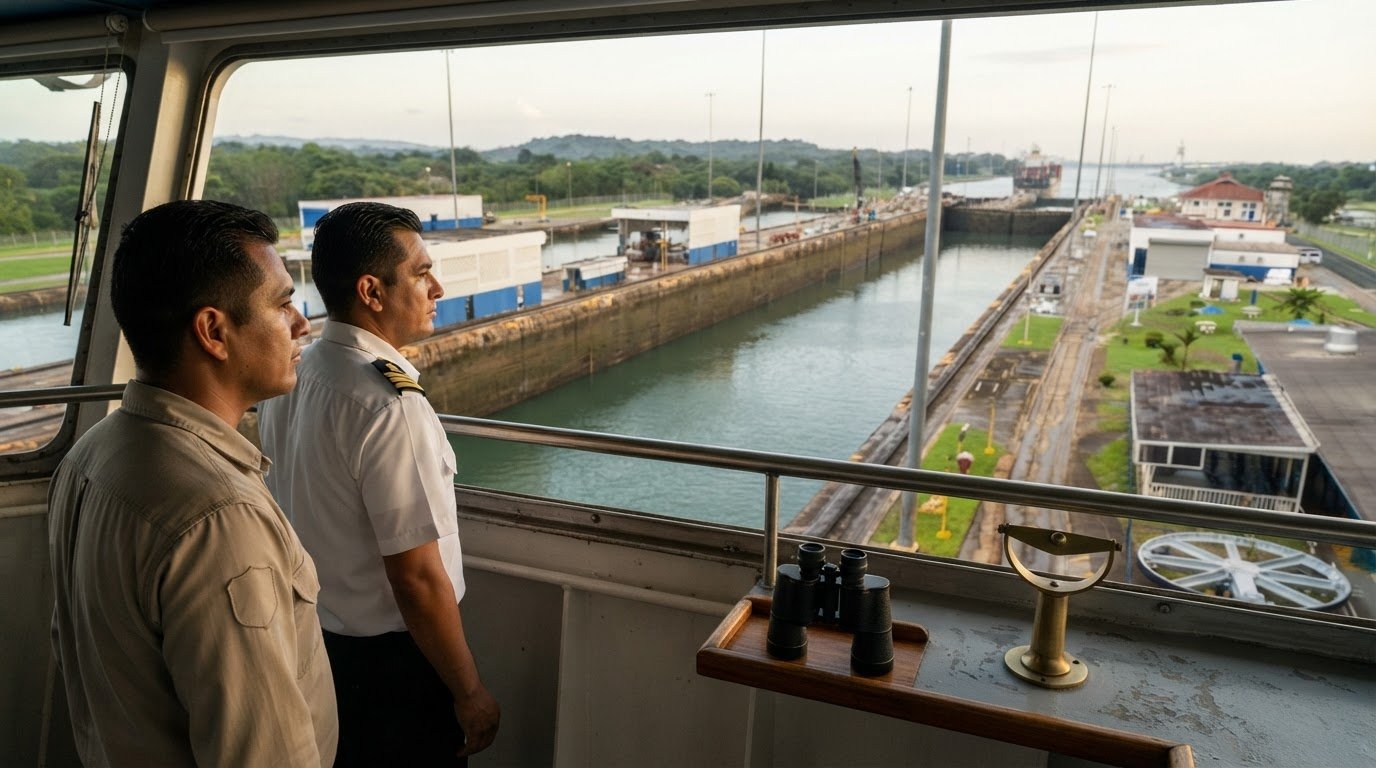

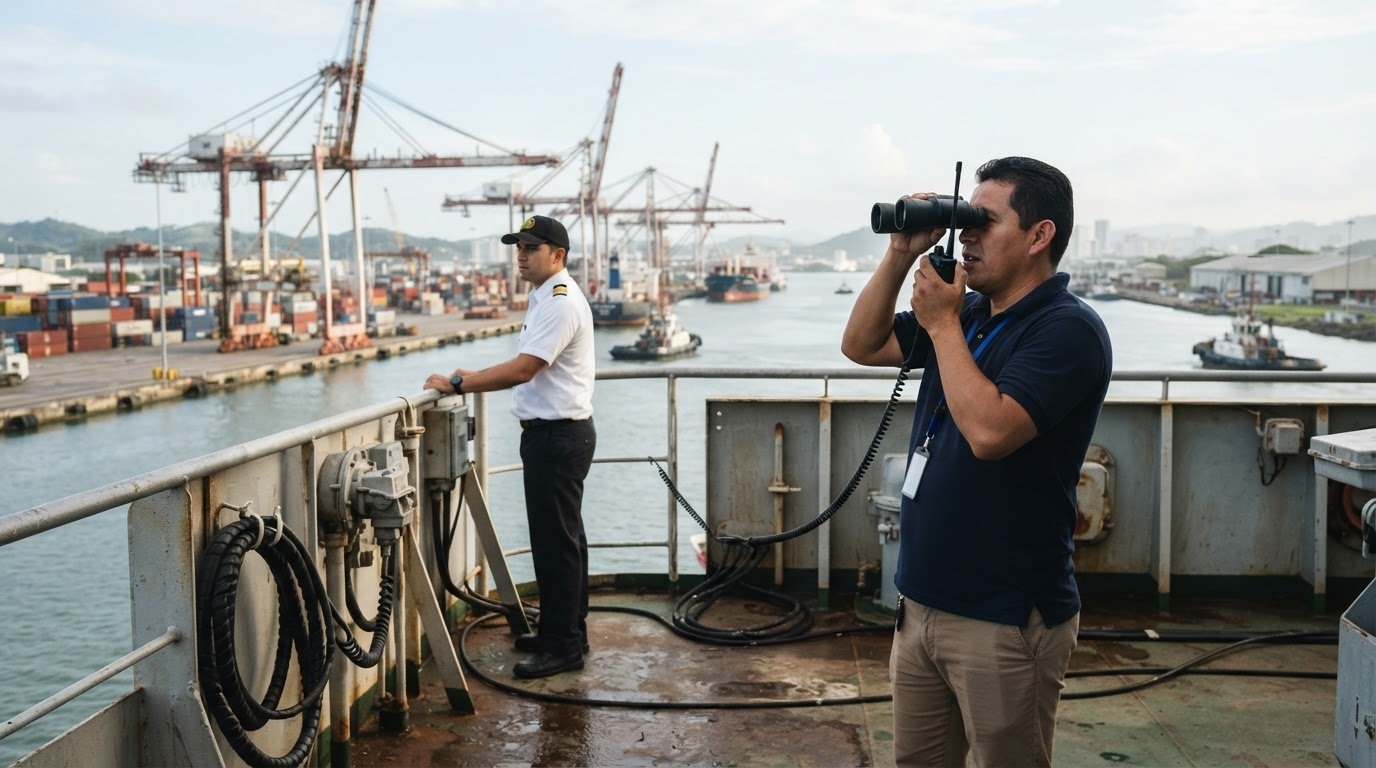
The Panama Canal transit is only one part of a successful port call. An independent Panama Canal ship agent coordinates the vessel’s call, monitors transit progress and helps manage crew and husbandry arrangements around the schedule. Once authorized to proceed, a vessel’s transit takes about 10 hours on average, but the surrounding coordination starts earlier and continues beyond the Canal passage.
That coordination matters when timing, port requirements and crew needs have to align. You need clear updates and practical local support, not just a transit booking. This article explains how ship agency coordination works in Panama, including vessel monitoring, Canal and port arrangements, crew changes and husbandry. It also outlines what to consider when choosing an independent Panama Canal ship agent, so owners and charterers can keep the moving parts organized and focus on vessel operations.
Key Takeaways
- See how a ship agent organizes a Panama port call, from aligning vessel updates with transit and port requirements to keeping communications moving.
- Understand how Canal and port coverage fits together, and which details shape the coordination needed for a vessel’s call.
- Learn how planned crew and husbandry arrangements can support seafarers and reduce avoidable disruption during a port call.
- Recognize what to consider when assigning agency representation and how an agency can support owners’ or charterers’ interests.
Port-call coordination and vessel monitoring
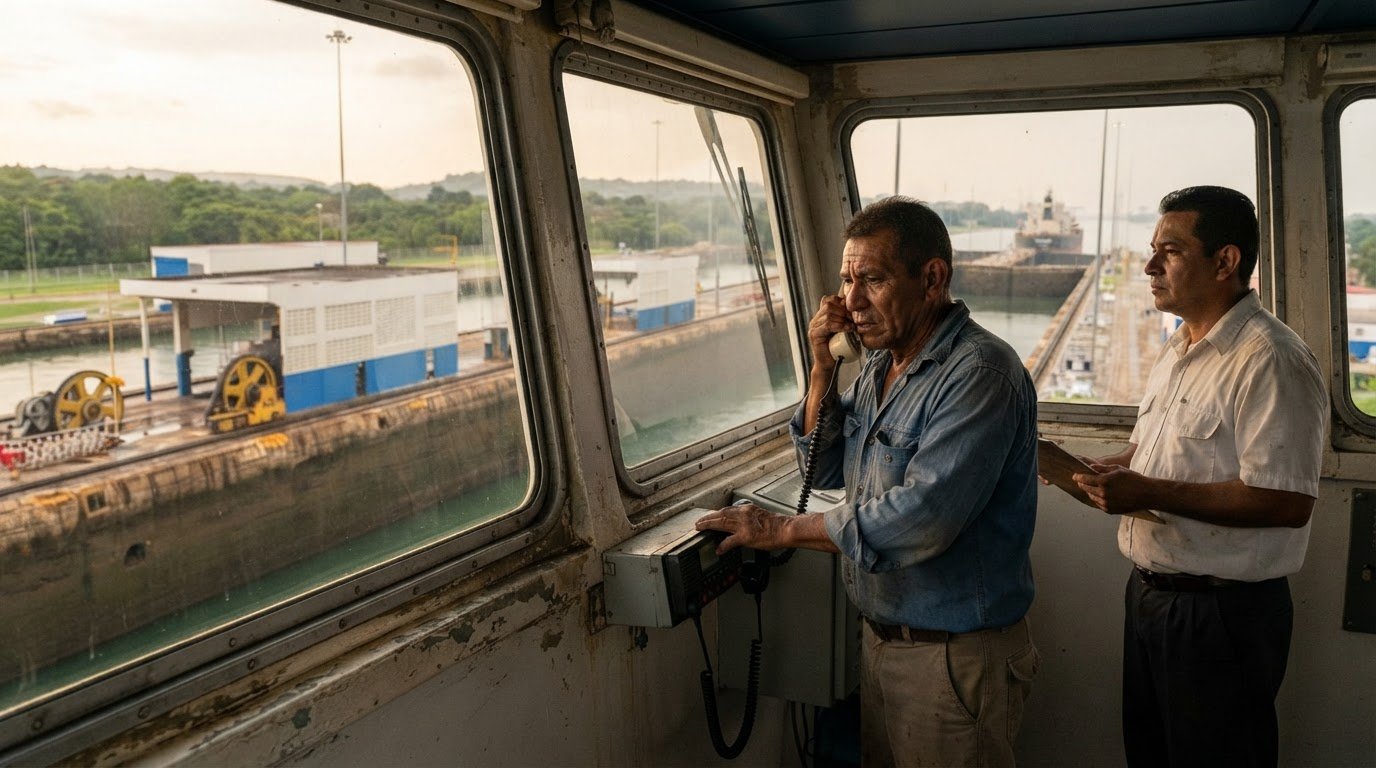
An independent Panama Canal ship agent coordinates the transit request, vessel updates and related port-call arrangements. The agent relays scheduling information between the vessel and relevant local parties, then tracks changes that may affect arrival, transit or departure.
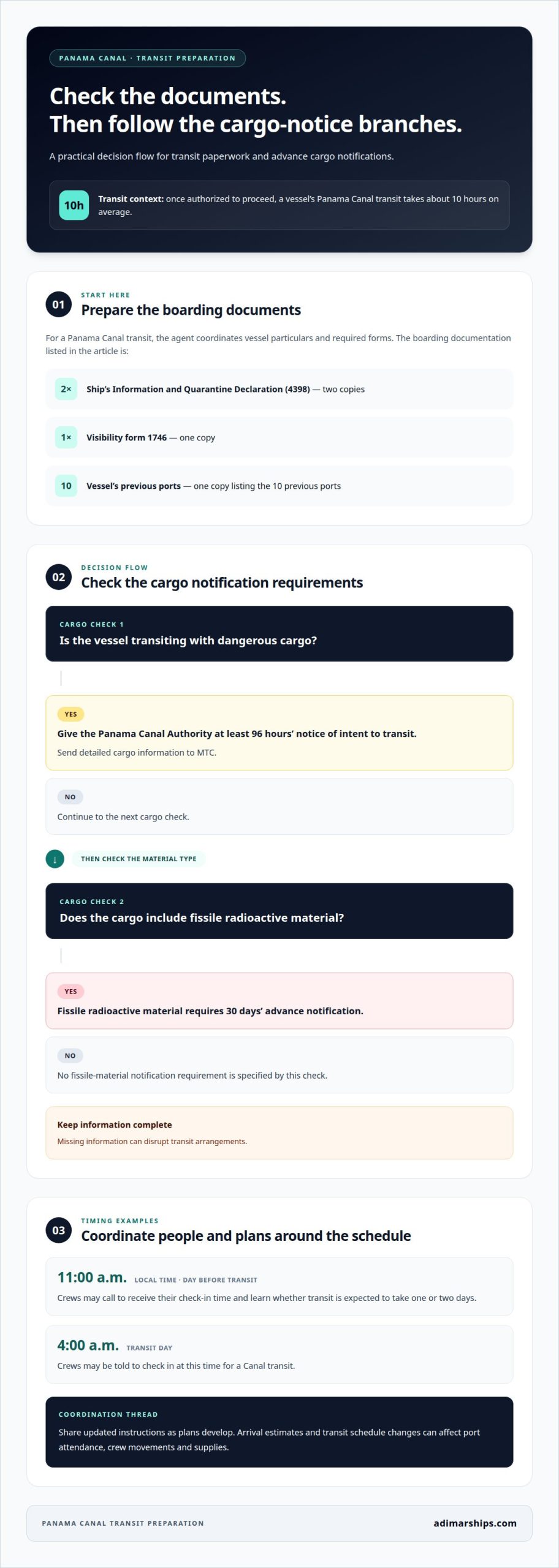
Timing calls for active coordination. A vessel’s average Panama Canal transit takes about 10 hours after it is authorized to proceed, but the port call involves more than time in the Canal. For example, crews may call around 11:00 a.m. local time on the day before transit to receive check-in time and learn whether the transit is expected to take one or two days. The agent passes on updated instructions and keeps the vessel’s representatives informed as plans develop.
Vessel monitoring connects each update to the next operational step. The agent follows the vessel’s reported position and arrival information, tracks changes to the transit schedule, and shares relevant updates with the owner or charterer. A revised arrival estimate can affect port attendance, crew movements and supplies. Clear, timely communication helps everyone adjust plans together instead of working from conflicting schedules.
Crew matters also need to fit the vessel’s timing. A crew member joining or leaving the vessel requires coordination around the ship’s arrival, berth or anchorage arrangements, and departure. For a Canal transit, the crew may be told to check in at 4:00 a.m. on the transit day. An agent can coordinate the related arrangements and share changes with the vessel’s designated contacts.
Husbandry coordination covers practical vessel and crew needs alongside the call. This can include arranging crew changes and supplies, then aligning delivery or attendance with the vessel’s location and expected schedule. By connecting these tasks to arrival and departure updates, the ship agent helps owners and charterers see what is arranged, what has changed and what needs attention next.
The agent coordinates the transit request and relays scheduling information between the vessel and relevant local parties, including check-in instructions and the expected transit duration. They then monitor the vessel’s position, arrival estimate and schedule, sharing updates with the owner or charterer and coordinating port attendance, crew movements and supplies around any changes.
Ship agency coverage at Panamanian ports and the Panama Canal
Coverage means coordinating the vessel’s Canal transit and related port arrangements. Compare the agent’s local presence, communication process and handling of transit documentation.
Port and Canal Agency Coverage
Ask how the agency coordinates calls involving Balboa, Cristobal and the Panama Canal. Coverage should connect port attendance, transit updates and operational arrangements, rather than treating each as a separate task. Confirm who communicates changes to the vessel, owner or charterer, and how updates are shared when a port call schedule shifts. Clear coordination helps keep the vessel’s arrival, transit and departure arrangements aligned. Panama port-call coordination can bring these moving parts into one communication flow.
Offices and Agency Experience
A local presence near Balboa or Cristóbal can support coordination, but office location alone does not show how an agency manages a call. Establish who is responsible for each port and how that person coordinates with the Canal-facing team. Panama Canal experience matters when an agent connects vessel information, arrival updates and transit arrangements. Look for a clear process for reporting changes and escalating operational issues, rather than relying on a general claim of familiarity.
Comparing Independent and Larger Agencies
An independent agency may offer a direct working relationship, while a larger agency may have broader internal teams. Neither structure alone establishes the right fit. Compare the named point of contact, Panama port coverage, transit experience and reporting process. Set out the agency’s scope, documented approvals and expense updates. Owners should also account for the consequences of incomplete transit information: additional resources at the vessel’s expense, detailed inspection, delays or denial of transit may result.
Transit Documents and Information
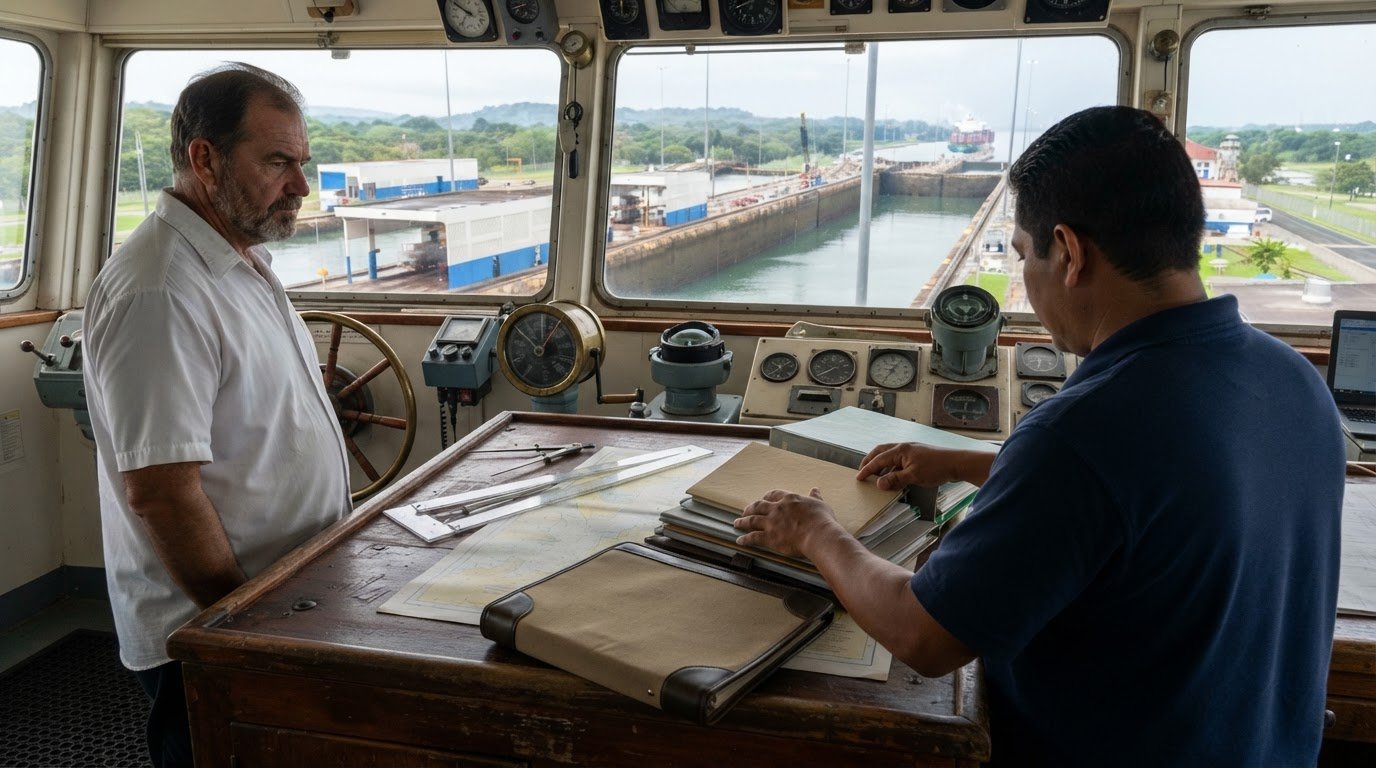
For a Panama Canal transit, the agent coordinates vessel particulars and required forms. Boarding documentation includes two copies of the Ship’s Information and Quarantine Declaration (4398), one copy of Visibility form 1746, and one copy listing the vessel’s 10 previous ports. The Panama Canal Authority requires at least 96 hours’ notice of intent to transit with dangerous cargo, with detailed cargo information sent to MTC. Fissile radioactive material requires 30 days’ advance notification. Missing information can disrupt transit arrangements.
Crew matters and husbandry services
Crew arrangements need to match the vessel’s port-call schedule. For a planned crew change, the agent coordinates the movement of joining or departing seafarers with the vessel’s arrival, location and expected departure. The agent also keeps the owner or charterer informed when schedule changes affect those arrangements. This helps prevent crew movements from being planned against an outdated call schedule.
Husbandry planning also covers supplies and practical onboard needs. The agent coordinates supply requests with the vessel’s location and call plan, then communicates delivery arrangements to the relevant parties. For example, provisions for a vessel at anchorage require different attendance planning from supplies arranged alongside. Clear instructions about the items, delivery timing and vessel contact help keep the request organized.
Transit-related crew needs also deserve attention. Crews have been advised to provide the onboard Panama Canal advisor with three meals. Include this detail in the vessel’s transit preparations, alongside other arrangements affecting people onboard. The agent can relay the instruction and coordinate the handoff with the vessel team, so the crew knows what to prepare for the transit.
Seafarer welfare can also shape husbandry priorities. During the pandemic, some seafarers remained onboard for up to 18 months. That experience highlights why crew changes and essential supplies should be treated as operational matters, not afterthoughts. A useful agency process identifies the requested support, assigns responsibility and communicates progress to the vessel and its representatives.
Owners and charterers should assess how the agent handles each request from instruction to completion. A crew change, a provisions delivery and an onboard need involve different parties, timing and updates. The agent should keep each task visible, coordinate it with the vessel’s schedule and report changes promptly. This gives the vessel team a clear picture of arrangements and helps avoid communication gaps.
What services does an independent Panama Canal ship agent provide?
An independent Panama Canal ship agent acts as the local representative for a vessel, owner or charterer during a call. The work connects transit arrangements with port coordination and practical support, so each party knows who is handling operational details. The appointment and vessel’s requirements determine the precise scope.
Typical coordination can cover several connected tasks:
- Organizing transit arrangements and passing instructions between vessel representatives and local contacts.
- Tracking arrival, schedule and departure updates, then communicating changes to the relevant parties.
- Coordinating port-call attendance and relaying information needed to prepare the vessel’s visit.
- Arranging crew-related support, supplies and other husbandry needs within the agreed scope.
Representation also depends on who appoints the agent. An owner’s nominated representative supports the owner’s interests and instructions; a charterer’s nominated representative acts on the charterer’s behalf. The appointment should clarify responsibilities, including who approves requested work, receives updates and reviews operational expenses. Clear roles help prevent duplicated instructions when several parties are involved in a call.
For example, if a vessel’s arrival time changes, the agent shares the revised timing and coordinates affected arrangements. If the crew also needs provisions, the request can be handled alongside the port-call plan. The agent coordinates and represents the appointing party, but does not operate the Panama Canal or own the vessel. A defined scope distinguishes agency work from decisions retained by owners, charterers and vessel officers.
Service quality depends on accurate vessel information, clear authority to act and consistent communication. Cost depends on the appointment’s scope, the port-call requirements and the services requested; an agent provides pricing after receiving a quote request. Before appointment, align the required coverage, reporting expectations and approval process. Arrange Panama Canal ship agency coordination for a vessel call that needs local representation.
Adimar Shipping, Inc.: Ship Agency Services
Adimar Shipping, Inc. coordinates Panama Canal port calls for ship owners and charterers, helping align vessel arrangements and communication. Its Ship Agency Services support calls that need local coordination across transit-related and port-call matters.
Owners can appoint Adimar Shipping, Inc. for Owner’s Nominated Agency, while charterers can use Charterer’s Nominated Agency for representation based on their instructions. Husbandry Services cover practical crew and vessel needs connected with the call. Clear instructions about the required representation and arrangements help define responsibilities and approvals.
If a Panama Canal call needs coordinated agency representation or husbandry support, contact Adimar Shipping, Inc. to discuss the vessel’s requirements.
Set Up Your Next Panama Call with Confidence
The next step is to set out your vessel’s requirements in a clear agency appointment. Before the call begins, align representation, approval authority and the updates your operations team needs. Choosing an independent Panama Canal ship agent means establishing a dependable local working relationship and a defined scope for the vessel’s call.
Adimar Shipping, Inc. offers Ship Agency Services, including Owner’s Nominated Agency and Charterer’s Nominated Agency. These options let owners and charterers appoint representation according to their role and instructions. A clear brief about the vessel and the support required gives the agency a practical starting point for coordinating the call.
For your next Panama Canal port call, contact Adimar Shipping, Inc. about ship agency to discuss the representation and coordination your vessel requires. A well-defined appointment is a strong first step toward an organized call.
Frequently Asked Questions
How should clients choose an independent ship agent in Panama for Panama Canal transits?
Choose an independent Panama Canal ship agent whose appointment clearly defines representation, approvals and expense reporting. Owners and charterers may need different nominated agency arrangements, so specify whose instructions the agent follows. Also assess how the agency communicates operational changes and coordinates vessel requirements. A written scope helps prevent conflicting directions when several parties are involved in a transit.
Which independent Panama ship agents serve Balboa, Cristóbal, and Colón?
Adimar Shipping, Inc. provides ship agency services for Panama Canal transits, operating from its Panama City headquarters to coordinate vessel needs across all regional terminals. For a call involving Colón, define the required port coverage and how it connects with the vessel’s Canal arrangements. Clarify which representative handles each task and shares updates, keeping port and transit coordination aligned under the appointment.
What are the contact details and emergency availability of Panama Canal ship agents?
Adimar Shipping, Inc. is located at Coco del Mar, Calle 79 Este, San Francisco, Panama, and offers full agency service 24/7. For an urgent enquiry, identify the vessel and port, describe the issue, and include the latest arrival information. This gives the agency operational context for the request. Confirm the appropriate contact route and escalation process as part of the agency appointment.