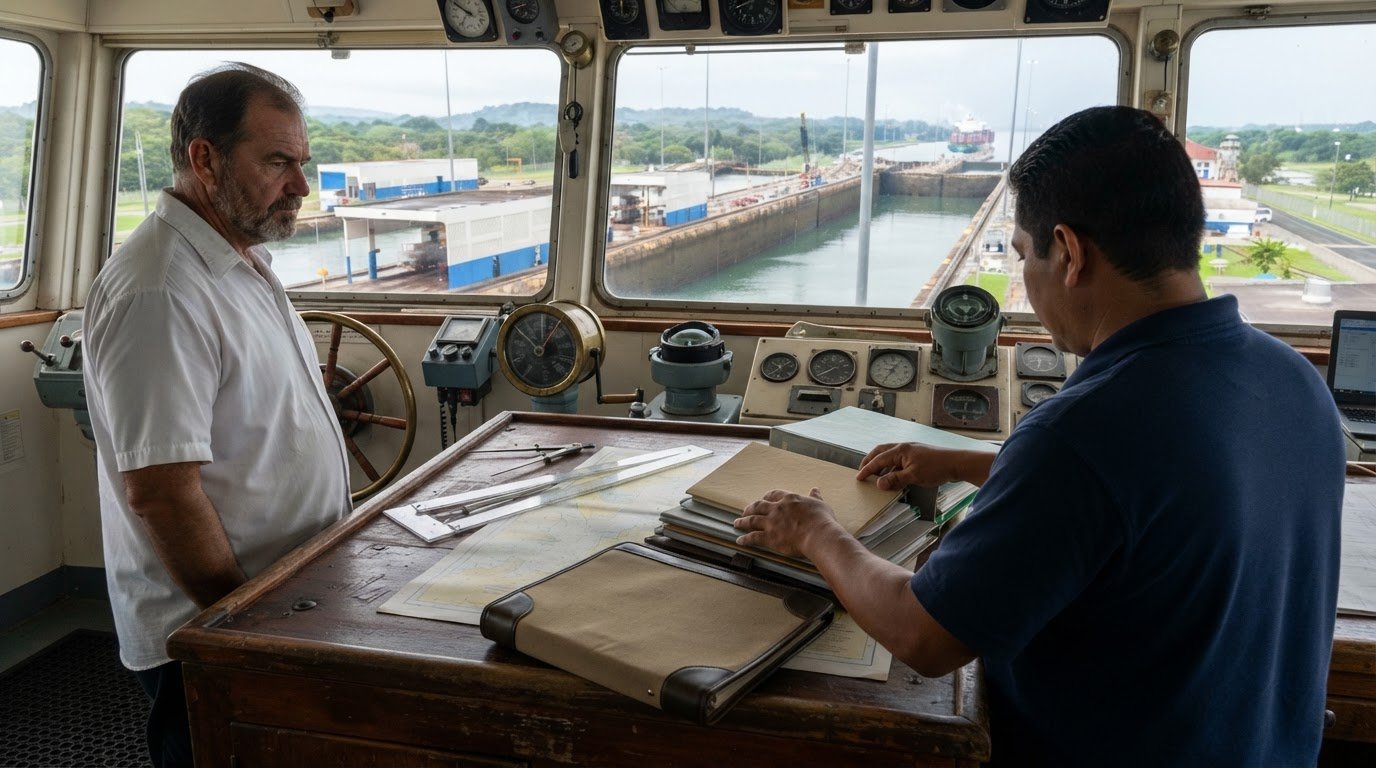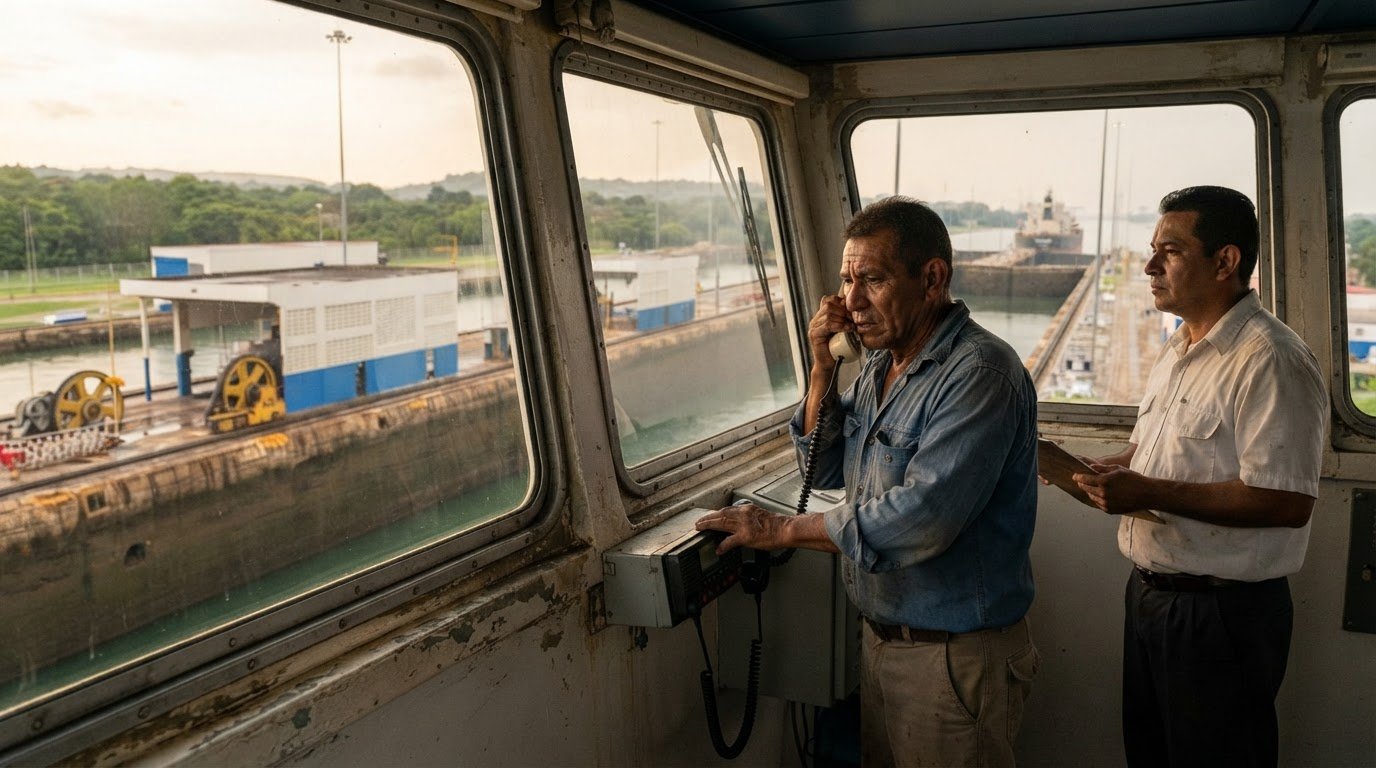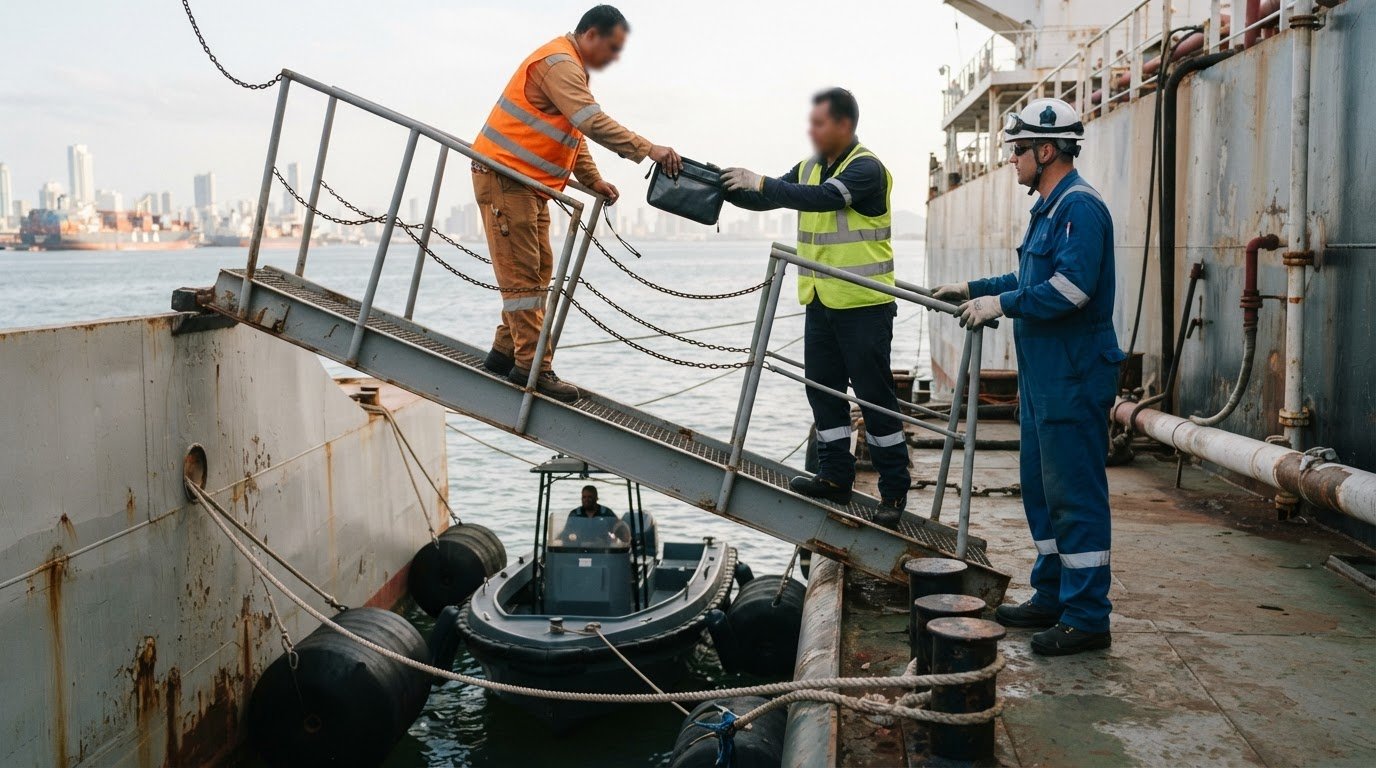


A clean handover isn’t always quick. Migrating disbursement accounts between Panama agents has no fixed timeline: progress depends on resolving outstanding fees, reviewing the pro-forma account, and settling the final Disbursement Account. Clear records and prompt coordination help keep the transfer moving.
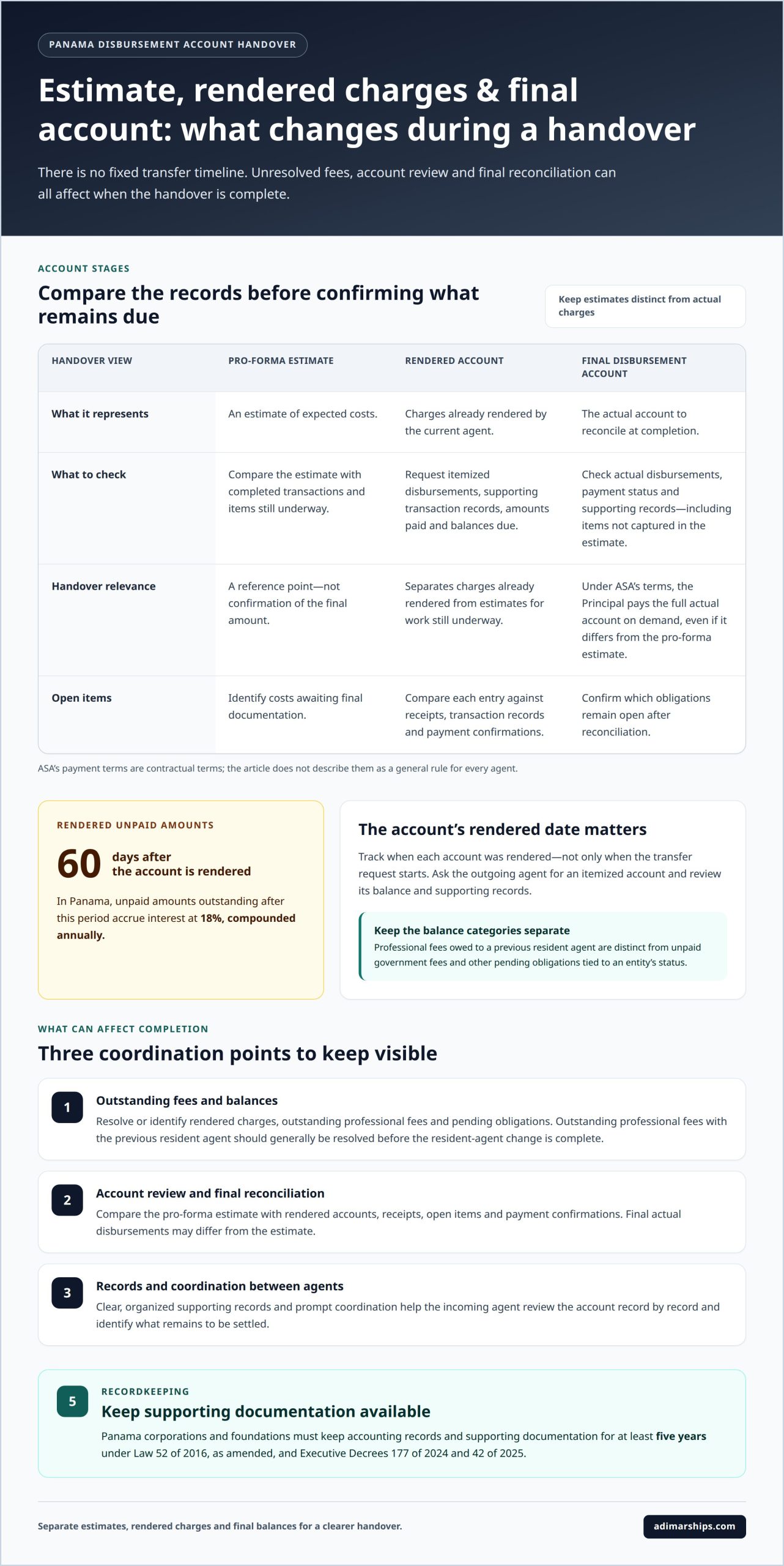
It’s understandable to want a firm date, especially when a vessel’s agency arrangements and financial records need to stay aligned. The key is to know which amounts are estimates, what remains outstanding, and what must be reconciled before the handover is complete.
This article explains how each account stage affects timing, why the final amount may differ from the pro-forma estimate, and what an agent coordinates during the transition. You’ll see what can delay the process and how local agency support can make the change easier to manage.
Key Takeaways
- Map outstanding balances and account status early, since unresolved amounts can slow the handover between agents.
- Understand how the pro-forma estimate differs from the final Disbursement Account, so you can plan for reconciliation at completion.
- Learn which records and vessel details help the incoming agent coordinate a more orderly transition.
- See how relevant approvals and notifications fit into the process, and which coordination points can affect timing.
Outstanding fees with the current agent
Begin the handover by separating the current agent’s rendered charges from estimates for work still underway. In Panama, unpaid amounts outstanding sixty (60) days after accounts are rendered accrue interest at 18%, compounded annually. The date an account was rendered therefore matters, not only the date the transfer request begins.
Ask the outgoing agent for an itemized account showing each disbursement, its supporting transaction record, the amount paid, and any balance due. Compare those entries with the pro-forma estimate and identify items awaiting final documentation. Under ASA’s terms, the Principal must pay the full actual Disbursement Account on demand, even when it differs from the pro-forma estimate.
For a resident-agent change, outstanding professional fees with the previous resident agent should generally be resolved before the change is complete. An entity that is not in good standing can generally still change resident agent, but unpaid government fees and other pending obligations should be addressed as part of the process. This distinction helps owners understand which balance relates to agency services and which relates to the entity’s status.
When choosing a Panama agent to manage disbursement services, look for itemized accounts, organized supporting records, and direct coordination with the outgoing agent. These practices help you understand what remains due and what needs to happen before the change proceeds.
During the transfer, the incoming agent can coordinate a record-by-record review of rendered accounts, receipts, open items, and payment confirmation. Panama corporations and foundations must keep accounting records and supporting documentation for at least five years under Law 52 of 2016, as amended, and Executive Decrees 177 of 2024 and 42 of 2025.
Keep the final account separate from the pro-forma estimate. A completed transaction, for example, may include actual disbursements not captured in the estimate. The final account should identify these items, their payment status, and supporting records, giving owners and the incoming agent a clear basis for confirming which obligations remain open.
Which Panama authorities regulate disbursement accounts and payment agents?
Keep vessel disbursements separate from a company’s resident-agent duties: they involve different records and legal relationships. The Panama Canal Authority handles canal-related processes, including booking-slot swap and substitution requests. Those transit procedures are separate from settling a vessel’s agency account.
For a private agency account, the governing Agency Agreement is central. ASA’s terms state that disputes arising from its Agency Agreement are governed by Republic of Panama law and decided by the Maritime Court of Panama. The terms also make the Principal responsible for paying the full actual Disbursement Account on demand, even when it differs from the pro-forma estimate. These are contractual terms, not a general rule for every agent.
A resident agent has a separate corporate role. Every Panama corporation must maintain one under Law 32 of 1927, while every private interest foundation must maintain one under Law 25 of 1995. The registered agent is not automatically the vessel’s disbursement agent. Keeping the appointments distinct helps owners identify which relationship and records a transfer affects.
Beneficial-owner reporting also falls within the resident-agent relationship. Law 129 of 2020 requires resident agents to keep beneficial-owner information and register it in the private beneficial ownership registry, known as RUBF. When the resident agent changes, that information does not transfer automatically; the incoming agent updates the RUBF record and requests current details and supporting due diligence.
During a vessel-account migration, clarify whether the issue concerns an agency contract, a canal transit process, or a company’s registered-agent appointment. For example, a slot substitution request belongs to the Panama Canal Authority’s transit procedures, while an account dispute follows the applicable Agency Agreement. Panama vessel agency coordination can help keep transit-related administration distinct from corporate agent matters.
For a resident-agent change, Panama’s Law 129 of 2020 requires the incoming agent to update the beneficial-owner record in RUBF and obtain current information and supporting due diligence. The section provides no basis for describing tax or data-protection rules specific to disbursement-account migrations.
What documents should a client provide to a new Panama agent when transferring a disbursement account?
A useful handover package combines vessel-account records with the entity information needed for a new appointment. The incoming agent can use these materials to identify open transactions, understand the existing arrangement, and coordinate any required due diligence. Keep each record linked to the correct vessel call or legal entity.
For the disbursement account, provide the agency agreement or appointment terms, the pro-forma estimate, rendered account statements, invoices, receipts, and available transaction records. Include correspondence about disputed entries or pending payments. These documents help the incoming agent distinguish estimated costs from actual disbursements and identify what still needs to be reconciled.
- Appointment records: Include the existing agency appointment and acceptance provisions, plus the incoming appointment documentation.
- Account history: Supply rendered statements, invoices, receipts, payment confirmations, and supporting records for open items.
- Entity documents: Provide governing documents and current registry-status information relevant to the legal entity.
- Ownership and due diligence: Provide current beneficial-owner details and supporting due-diligence information for the incoming resident agent.
- Ongoing administration: Include annual renewal records, powers of attorney, details of the entity’s activity and assets, and accounting records.
These records serve different purposes. Vessel-account evidence supports transaction reconciliation, while corporate documents support the resident-agent transition. Keeping the categories separate prevents an account statement from being mistaken for proof of the entity’s current registry status.
Handle beneficial-owner information with particular care. It does not transfer automatically when a Panama resident agent changes. The incoming agent updates the RUBF record and requests current details and supporting due diligence, so outdated ownership information can delay that part of the handover.
For example, if an invoice remains unpaid and the entity’s powers of attorney have also changed, document each issue separately. The incoming agent can then coordinate the account review and corporate-file update without confusing vessel disbursements with entity administration.
What approvals or customer notifications may a new Panama agent coordinate during an account migration?
Keep appointment acceptance separate from vessel-operation notifications. The first concerns the agency relationship; the second keeps relevant parties informed about a particular port call or transit. The required actions depend on the governing agreement and whether the vessel’s arrangements are changing too.
ASA’s terms set a specific response window: the Principal must notify ASA within forty-eight (48) hours of receiving the appointment acceptance provisions if they do not accept them. Otherwise, those provisions are deemed understood and accepted. This requirement applies to those terms, not automatically to every Panama agent or account migration.
The incoming agent can coordinate written confirmation of the appointment, effective handover date, and authorized operational contacts. It can also align communications among the Principal, outgoing agent, vessel operator, and relevant service contacts. For example, a vessel call already in progress may need a clear message identifying who handles open account queries and who receives operational updates.
Canal-related approvals are separate. If the transfer also involves a Panama Canal booking-slot swap or substitution, the Panama Canal Authority’s procedures apply. Requests to add or change an established cooperative working agreement must be submitted at least three months before swap or substitution requests. Vessel agents must register the liner service for each vessel visit in the Maritime Service Portal before submitting such a request.
Those slot rules do not make a disbursement-account transfer an approval process for the Canal Authority. The agent should identify whether the vessel’s booking, operator, or cooperative working agreement is changing, then coordinate only the related notices and submissions. For example, a straightforward account handover with no slot change calls for appointment and account communications, not a slot-swap request.
Clear ownership of each notice prevents messages from going to the wrong agent during transition. Coordinate a Panama vessel-agency handover with support focused on the relevant appointment and operational communications.
Adimar Shipping
Adimar Shipping, Inc. helps owners and charterers coordinate vessel agency arrangements in Panama when an account handover overlaps with an upcoming transit or port call. Clear communication about appointment details, open account items, and operational contacts helps keep the transition organized.
Through Ship Agency Services, including Owner’s Nominated Agency and Charterer’s Nominated Agency, Adimar Shipping, Inc. provides local coordination and communication. Husbandry Services can support related vessel needs. This is a practical next step when you need local agency support to manage the moving parts while you retain oversight of the account and decisions.
Contact Adimar Shipping, Inc. to discuss your vessel’s agency transition.
Plan the handover around your next vessel call
A well-planned approach to migrating disbursement accounts between Panama agents should support operational continuity, not just close out past transactions. Establish clear communication lines, identify who will handle new vessel requirements, and align the agency handover with upcoming operations. This gives owners and charterers a practical way to maintain control as responsibilities shift.
Adimar Shipping, Inc. provides Ship Agency Services, including Owner’s Nominated Agency and Charterer’s Nominated Agency, to coordinate vessel agency arrangements in Panama. The right arrangement depends on who nominates the agent and the vessel’s operational needs. Clear coordination connects the handover to the work ahead.
Contact Adimar Shipping, Inc. about your vessel transition to discuss the next step and move forward with confidence.
Frequently Asked Questions
How long does the change take?
There is no single timeline for every transfer. Progress depends on how quickly the parties complete the handover and resolve open matters. A file with reconciled transactions and clear appointment records can move more smoothly than one with disputed entries or incomplete documentation. For planning, align the change with the vessel’s next operational milestone and identify who will handle communications during the transition.
What does migrating disbursement accounts between Panama agents involve?
Migrating disbursement accounts between Panama agents means transferring responsibility for coordinating vessel-related accounts, records, and communications. It is not the same as changing a company’s resident agent or transferring ownership of funds. The incoming agent may need to identify which transactions relate to a completed call and which concern upcoming vessel operations, while the Principal remains responsible for account obligations.
What steps does a Panama agent take when migrating a disbursement account between agents?
A Panama agent typically establishes the appointment and authorized contacts, reviews the account status, and coordinates with the outgoing agent and relevant vessel representatives. The agent then helps distinguish settled items from open transactions and align the handover with operational needs. If a vessel is approaching a scheduled transit, for example, the communication plan should identify who receives new operational instructions and account correspondence.
How long does a Panama disbursement account migration take?
The time required depends on the account’s condition and how quickly the parties provide required confirmations. A completed call with organized records involves different work from an account with transactions still being documented or reconciled. The vessel’s schedule matters too: if agency responsibility must change before an upcoming operation, coordination should account for that milestone and keep relevant parties informed.
What fees and costs apply when transferring disbursement accounts between Panama agents?
Costs depend on the agency agreement, outstanding professional charges, and actual vessel disbursements; there is no single transfer amount for every case. Review the outgoing agent’s rendered account separately from the incoming agent’s terms, and distinguish service charges from third-party expenses. A pro-forma estimate may differ from the final account, so budget planning should allow for reconciliation of actual disbursements.
Can disbursement account details or payment instructions change during a migration?
Yes. The incoming agency arrangement may use different account references, authorized contacts, or payment instructions. Confirm any changed instruction through an established, authorized communication channel before making payment. For example, send updated details to the personnel responsible for vessel accounts and ensure they can distinguish the new instructions from records tied to the outgoing agent.