
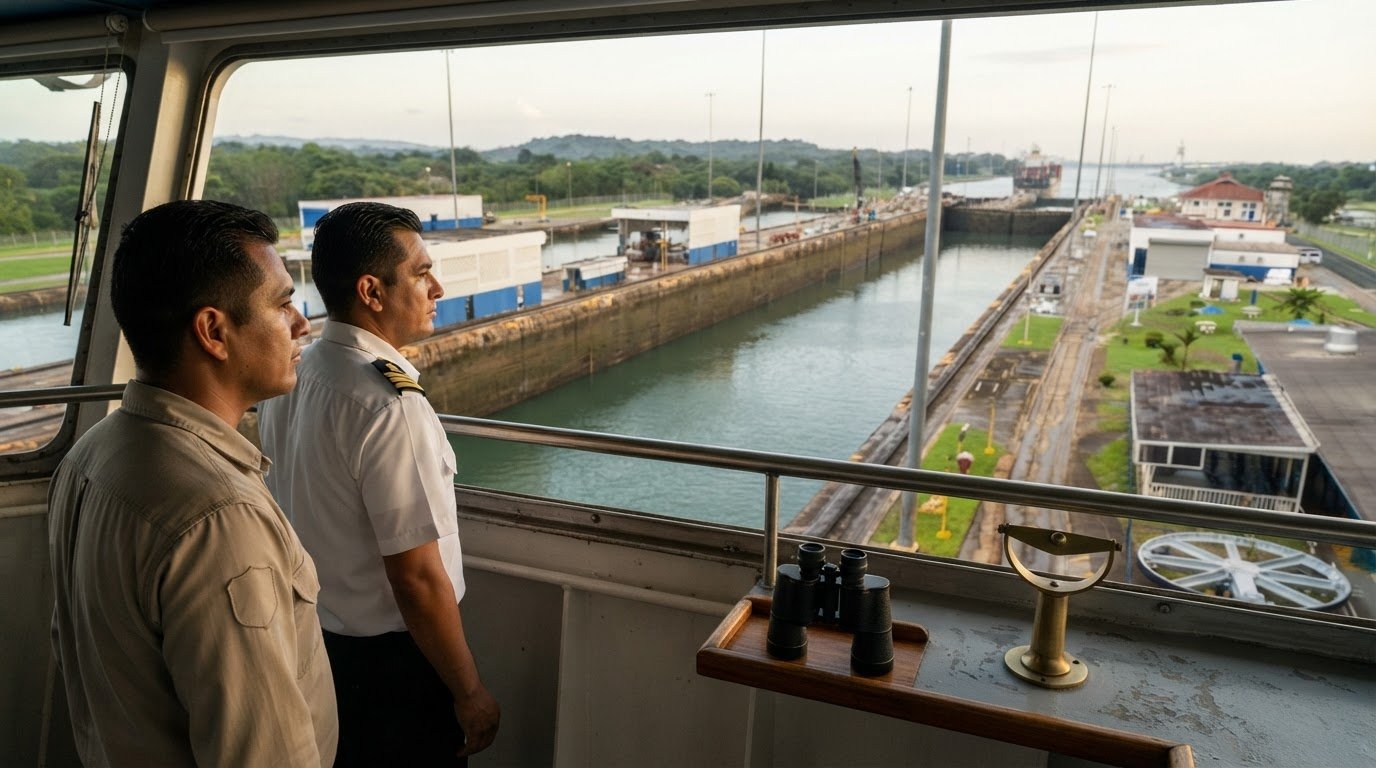
A productive port call depends on coordination before arrival and clear updates through departure. Building a partnership with a Panama ship agent means agreeing how the agent will represent the vessel locally, coordinate port-call requirements, and report on transit operations. A ship agent can provide pre-arrival plans and post-departure reports, helping owners and charterers stay informed.
That coordination matters because operational details throughout a call can affect a vessel’s schedule. You need timely communication, clear responsibilities, and agency coverage that fits the vessel’s needs, not just a contact when it reaches port.
This article explains what to align on when building a partnership with a Panama ship agent: port-call coordination, Panama Canal transit support, and proactive communication. You’ll see how these elements create a more organized working relationship and what information helps an agent represent your interests effectively.
Key Takeaways
- Agree on pre-arrival planning and post-departure reporting so vessel updates reach the right people at the right time.
- Define the agency coverage needed for the vessel’s port call and Panama Canal transit, including any husbandry requirements.
- Set clear communication channels, operational contacts, and escalation procedures before the call begins.
- Prepare appointment details and vessel information early so the agent can coordinate responsibilities and requirements smoothly.
1. Port-call coordination and vessel updates
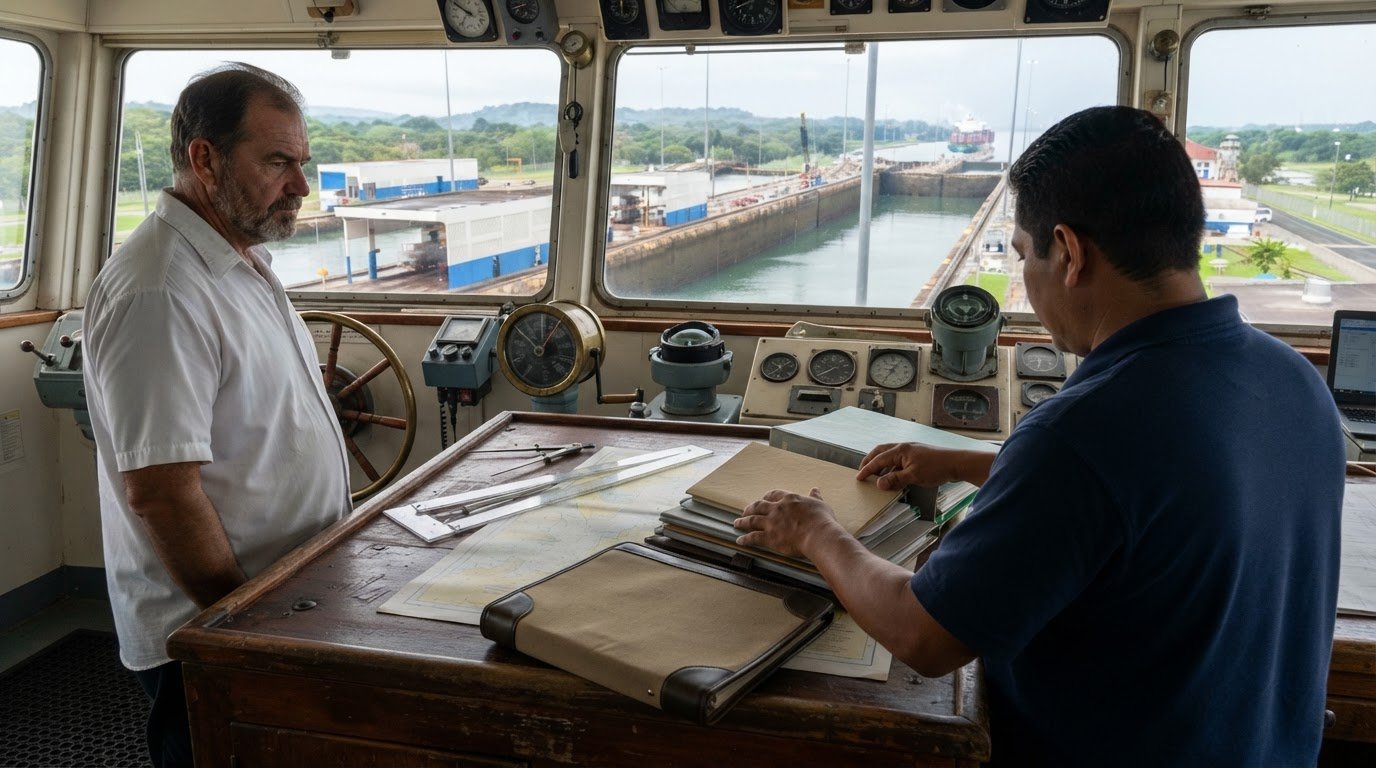
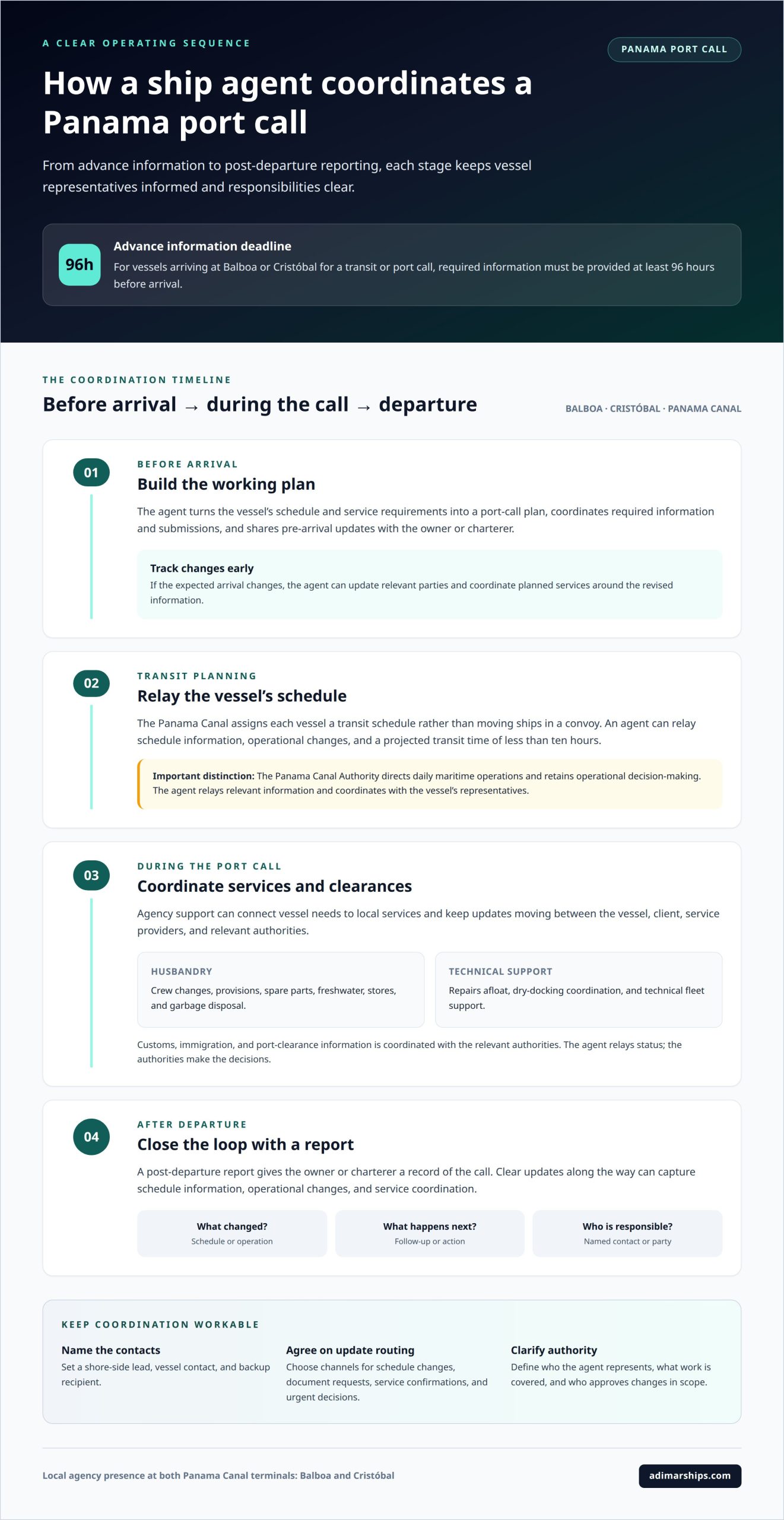
Port-call coordination starts before a vessel reaches Panama. A ship agent turns the vessel’s schedule and service requirements into a working plan, then shares pre-arrival updates with the owner or charterer. At Balboa and Cristobal, vessels arriving for transit or port calls must provide required information at least 96 hours before arrival. The agent coordinates that submission and tracks changes that could affect the call.
Clear updates make port operations easier to manage. The Panama Canal assigns each vessel a transit schedule rather than moving ships in a convoy. An agent can relay schedule information, report operational changes, and provide a post-departure report for the client’s records. If a vessel’s expected arrival changes, for example, the agent can update relevant parties and coordinate any planned services around the revised information.
Coordinating vessel services is another practical part of the call. Adimar’s husbandry services include crew changes, provisions, spare parts, freshwater, stores, garbage disposal, and other vessel needs. For repairs, the company can coordinate ship repairs afloat or dry-docking, as well as technical fleet support. The specific arrangements depend on the vessel’s needs and the time available during the call.
Local knowledge helps connect those tasks to the right port and transit sequence. Adimar Shipping has a presence at both Panama Canal terminals, Balboa and Cristóbal, and coordinates vessel services and communication with operation managers and captains. This gives owners and charterers a local agency contact for the moving parts of a port call.
For customs, immigration, and port clearance, the agent coordinates the required information and submissions with the relevant authorities, then relays their status to the vessel’s representatives. Authorities retain responsibility for their decisions; the agent helps keep communication and documentation moving through the process.
2. Ship agency coverage at Panamanian ports and the Panama Canal
Match agency coverage to the vessel’s itinerary, port requirements, and transit arrangements. A local agency can represent an owner or charterer, coordinate port-related tasks, and communicate with relevant parties. Adimar provides ship agency support for Panama Canal transits, with a presence at Balboa and Cristóbal. Define in the appointment which party the agent represents and what work is covered.
Canal transit coordination differs from port-call support. The Panama Canal Authority sets operational rules, tariffs, and procedures that agents need to understand. A ship agent can help coordinate transit-related arrangements and provide a projected transit time of less than ten hours. Port coverage may involve separate services, while a protective agency role can represent an owner’s interests when another party has appointed the principal agent. State each role clearly in the appointment.
Agency experience matters most when it connects directly to the vessel’s call. Ask for examples of comparable port or transit coordination, and clarify who will manage communications, service providers, and operational changes. Certification should be treated precisely: identify which credential is relevant to the assigned work, who issued it, and what it covers. Don’t assume a general certificate proves experience with every Panama operation.
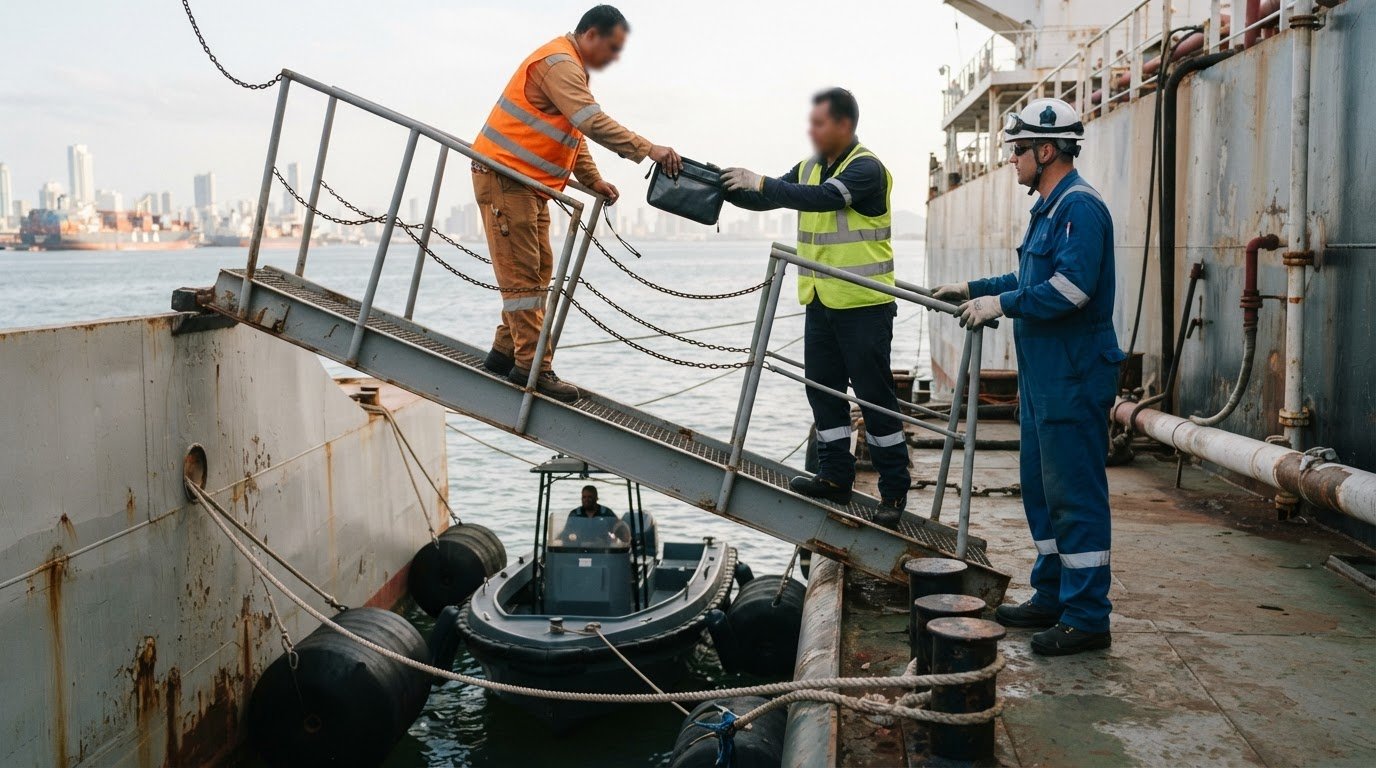
Crew changes may also need coordination during a port call. Adimar’s husbandry services include arranging disembarking and joining crew members, Panamanian marine visas, flights, and inland transportation. Define which crew-related arrangements are needed and include them in the appointment’s scope.
Set out authority, client responsibilities, expense approval, and procedures for operational updates or delays in the appointment terms. Clear written terms help prevent misunderstandings about decisions made on the vessel’s behalf.
To assess reputation and financial stability, review relevant operating references, ask about experience with similar calls, and examine available financial information through established business channels. Focus on evidence tied to the work, not broad claims about agency capability.
3. Proactive communication and operations contacts
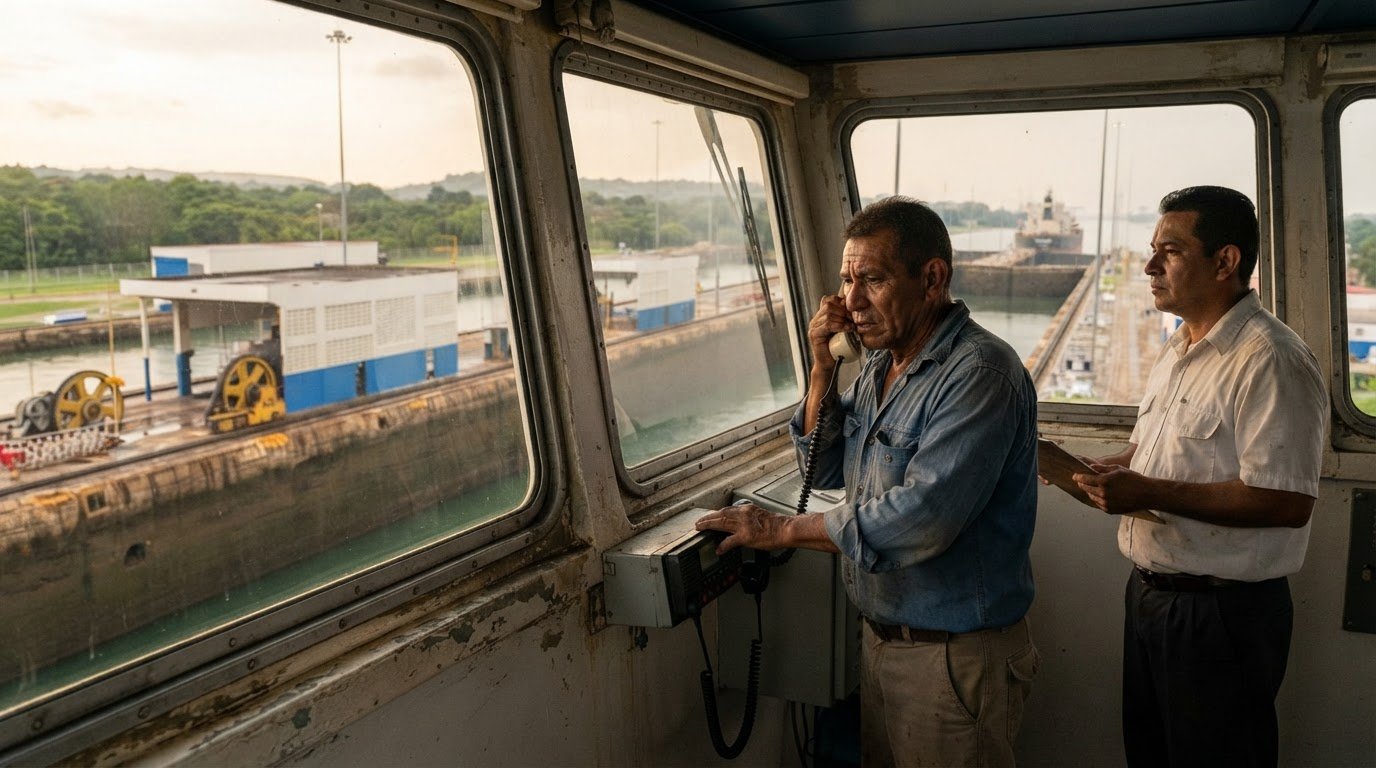
Set up the communications structure before the vessel reaches Balboa or Cristóbal. Name the shore-side lead, vessel contact, and backup recipient for operational updates. Agree which channel carries schedule changes, document requests, service confirmations, and urgent decisions. For teams building a partnership with a Panama ship agent, clear routing helps ensure messages reach someone who can act on them.
Updates should follow operational milestones, not arrive only when the client asks. The agent can report when arrival details are received, when a service is arranged, and when the vessel’s next movement changes. Each update should state what changed, what action follows, and who is responsible. This gives owners and charterers a useful record of the call.
For a Panama Canal transit, distinguish agency updates from official operational direction. The Panama Canal Authority Transit Operations Division directs daily maritime operations and enforces Canal navigation rules through the canal port captain on duty. The agent relays relevant operational information and coordinates with the vessel’s representatives, while the Authority retains its decision-making role.
Agree on escalation triggers in advance. A delayed service, revised arrival estimate, repair request, or missing document can each affect coordination differently. Specify who receives the first notice and who approves changes in scope. If the vessel is waiting near Balboa, a timely update about a husbandry arrangement helps everyone respond to the actual schedule.
Keep messages concise and traceable. Use the vessel name and port call in the subject line, record decisions in writing, and summarize open actions after an operations call. Separate confirmed details from pending actions so recipients can see what needs attention. A consistent format helps a relief contact understand the status without reconstructing a long message chain.
Building a partnership with a Panama ship agent also means agreeing on a reporting rhythm that fits operational milestones and decisions. Share material changes promptly and explain their impact. After departure, close the loop with a final status report and any unresolved follow-ups. This gives the local agent and vessel team a clear record for the next call.
4. What documents and agreements are needed to appoint a ship agent in Panama?
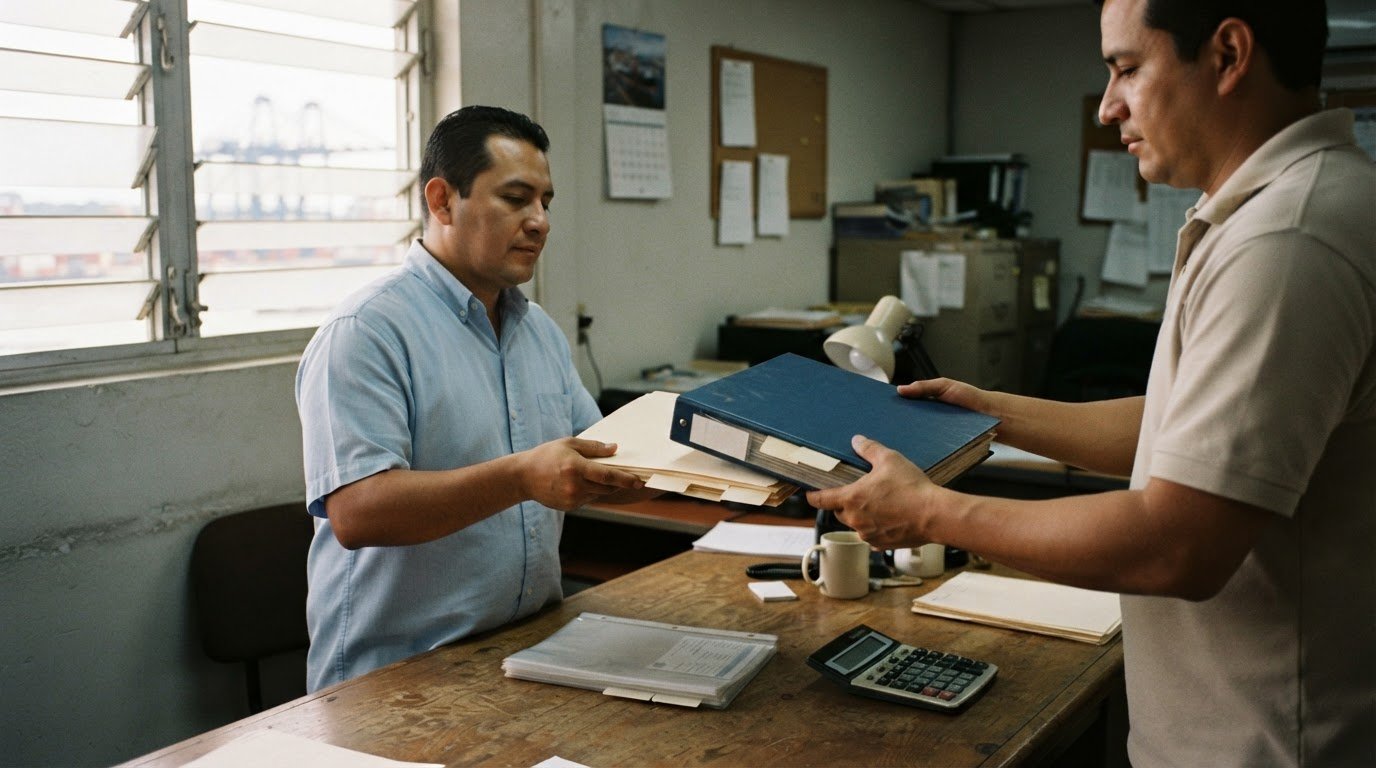
A clear appointment package gives the agent the authority and vessel information needed to coordinate the call. Include a written appointment, the vessel’s name and particulars, the port-call schedule, and the appointing party’s operational contacts. Identify whether the owner or charterer is appointing the agent and define the requested coverage.
Set out the working terms in writing. Specify the agent’s responsibilities, decision-making authority, expense approval process, reporting expectations, and how changes to the requested services will be handled. An agreed scope helps distinguish coordination tasks from decisions that remain with the owner, charterer, master, or relevant authority.
Financial documents also support transparent administration. A Proforma Disbursement Account can outline anticipated port-call expenses before they are incurred. The agent can review third-party invoices and prepare a Final Disbursement Account after the call, recording actual disbursements. Agree who reviews and approves expenses and how supporting invoices will be shared.
Operational information should match the vessel’s cargo and planned activity. For dangerous cargo, vessels intending to transit the Panama Canal must give at least 96 hours’ notice of their intent to transit. Vessels carrying fissile radioactive material must provide 30 days’ advance notification. The appointment file should identify applicable cargo details early so required notices can be coordinated.
For vessels arriving at Balboa or Cristobal, required information must be provided at least 96 hours before arrival. The agent can organize the relevant vessel and port-call details for submission and track any updates. Accurate, consistent information across the appointment, transit, and port records helps prevent avoidable clarification loops.
Before the appointment takes effect, align the documents with the actual call: verify the appointed party, scope, contacts, reporting route, and expense process. This creates a practical record for both sides and helps the agent act within agreed authority. Discuss a Panama ship agency appointment to structure coverage around your vessel’s call.
Adimar Shipping: Ship Agency Services
Adimar Shipping, Inc. provides ship agency support for owners and charterers coordinating vessel calls and Panama Canal transits. Its Ship Agency Services coordinate transit arrangements, communication, and operational details through a local representative.
Owners can appoint Adimar Shipping, Inc. as their Owner’s Nominated Agency, while charterers can appoint its Charterer’s Nominated Agency. This clarifies the agency relationship from the outset and aligns representation with the appointing party’s role in the vessel’s call. Adimar’s Husbandry Services can also coordinate crew changes and other vessel needs.
Turn to Adimar Shipping, Inc. when you need a local partner to coordinate a Panama Canal transit or vessel call and keep communication organized. Share the vessel’s schedule, appointment scope, and operational priorities to set a clear working plan. Contact Adimar Shipping, Inc. to discuss agency support for your vessel’s call.
Set the Next Port Call Up for a Strong Start
A port-call partnership becomes more useful when both sides develop a shared working rhythm. Turn the vessel’s immediate requirements into a practical operating brief: identify priorities, clarify who can approve decisions, and agree how material changes will be communicated. This gives the agent a clear mandate and helps your team stay focused on its wider voyage responsibilities.
Building a partnership with a Panama ship agent is an ongoing operational decision, not just a single-call appointment. Open communication about changing vessel needs helps the local representative coordinate support as the operation develops. Start with the requirements for your next call, then use that discussion to establish a clear basis for working together.
Contact Adimar Shipping, Inc. to discuss your needs. A well-defined working relationship can make the next port call easier to coordinate.
Frequently Asked Questions
What services does a Panama ship agent provide?
A Panama ship agent can coordinate transit clearance, pilot and tug orders, and vessel documentation. Depending on the appointment, support can also include crew changes, provisioning, and other husbandry needs. For vessels requiring PCSOPEP compliance, Adimar can act as the Authorized Person residing in Panama and prepare the plan. Define the agent’s tasks, who it represents, and which decisions remain with the owner, charterer, or vessel’s master.
How can a client assess a Panama ship agent’s reliability, experience, and service fit?
Match the agent’s services to the vessel’s itinerary and the party requiring representation. An owner seeking oversight of another appointed agent has different needs from a charterer arranging a transit call. Define the required locations and vessel tasks, then agree on reporting responsibilities and how expenses will be documented. These details show how the agency relationship will work in practice.
What licenses and registrations must a ship agent have in Panama?
Requirements depend on the assigned function, so distinguish general agency work from specialized compliance responsibilities. For a Panama Canal Shipboard Oil Pollution Emergency Plan (PCSOPEP), an Authorized Person residing in Panama must submit the plan. Adimar Shipping can act as that Authorized Person and prepare the PCSOPEP. The written appointment should identify the specific role and authority being delegated.
How can a Panama ship agent support a client in establishing a business partnership?
A ship agent can establish a dependable working arrangement by documenting who the agent represents, the scope of authority, and how operational instructions will be handled. An owner may appoint an Owner’s Nominated Agency, while a charterer may appoint a Charterer’s Nominated Agency. This defines representation for vessel-related work, giving the parties a clear basis for coordinating the call without implying a joint business venture.
How are Panama Canal transit, port, and agency charges handled?
Panama Canal charges follow the Authority’s applicable tariffs, while port-call disbursements and agency charges should be distinguished in the account. A Proforma Disbursement Account sets out anticipated expenses; the Final Disbursement Account records actual disbursements after the call. Transit and related charges require advance payment. Reviewing the account structure and supporting third-party invoices helps clients understand how call expenses are recorded.