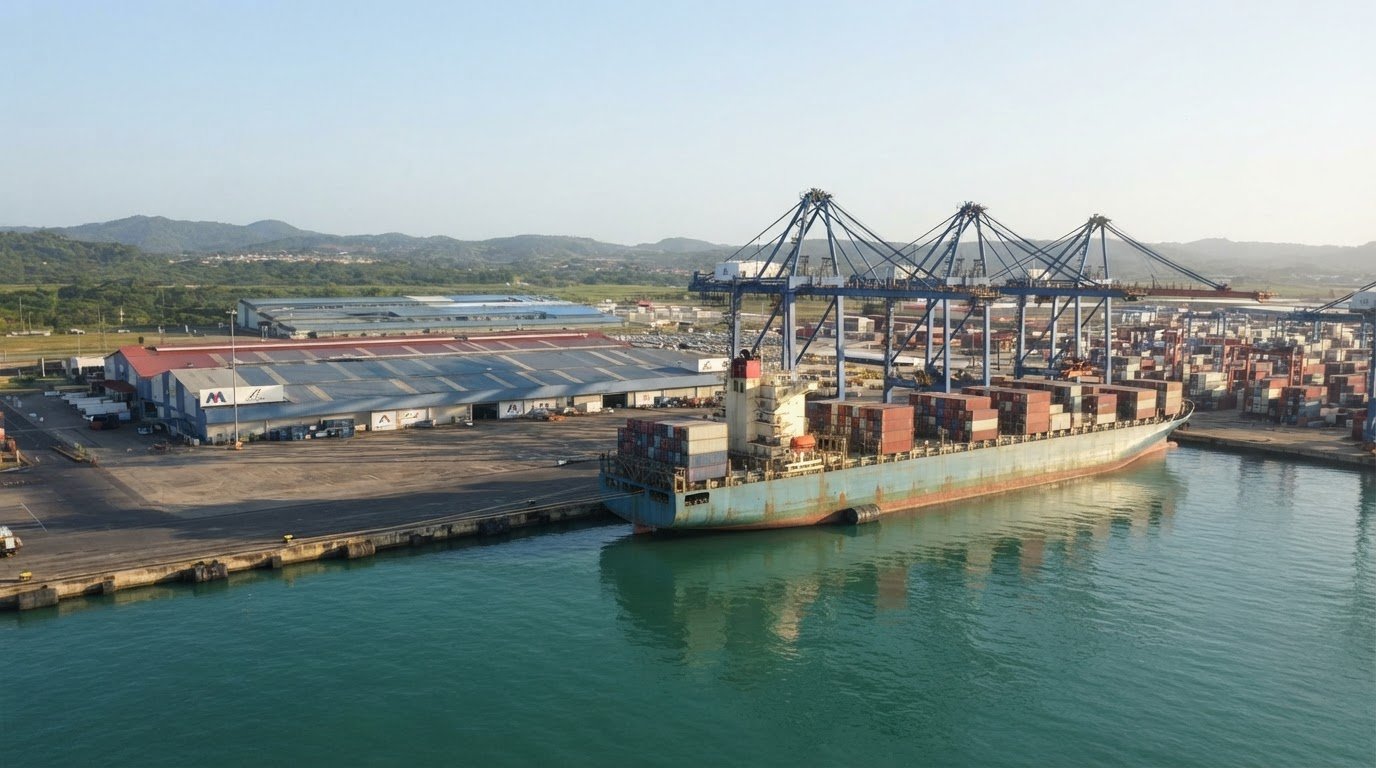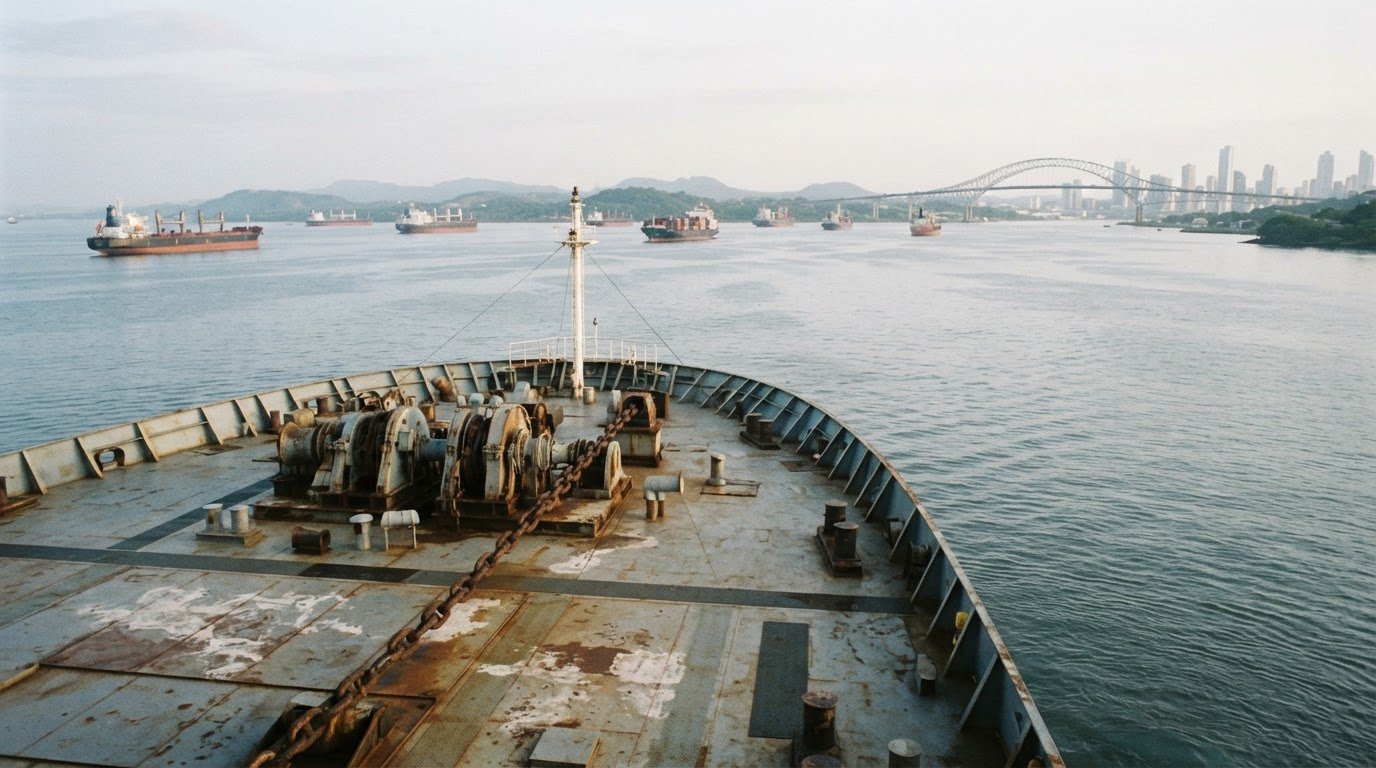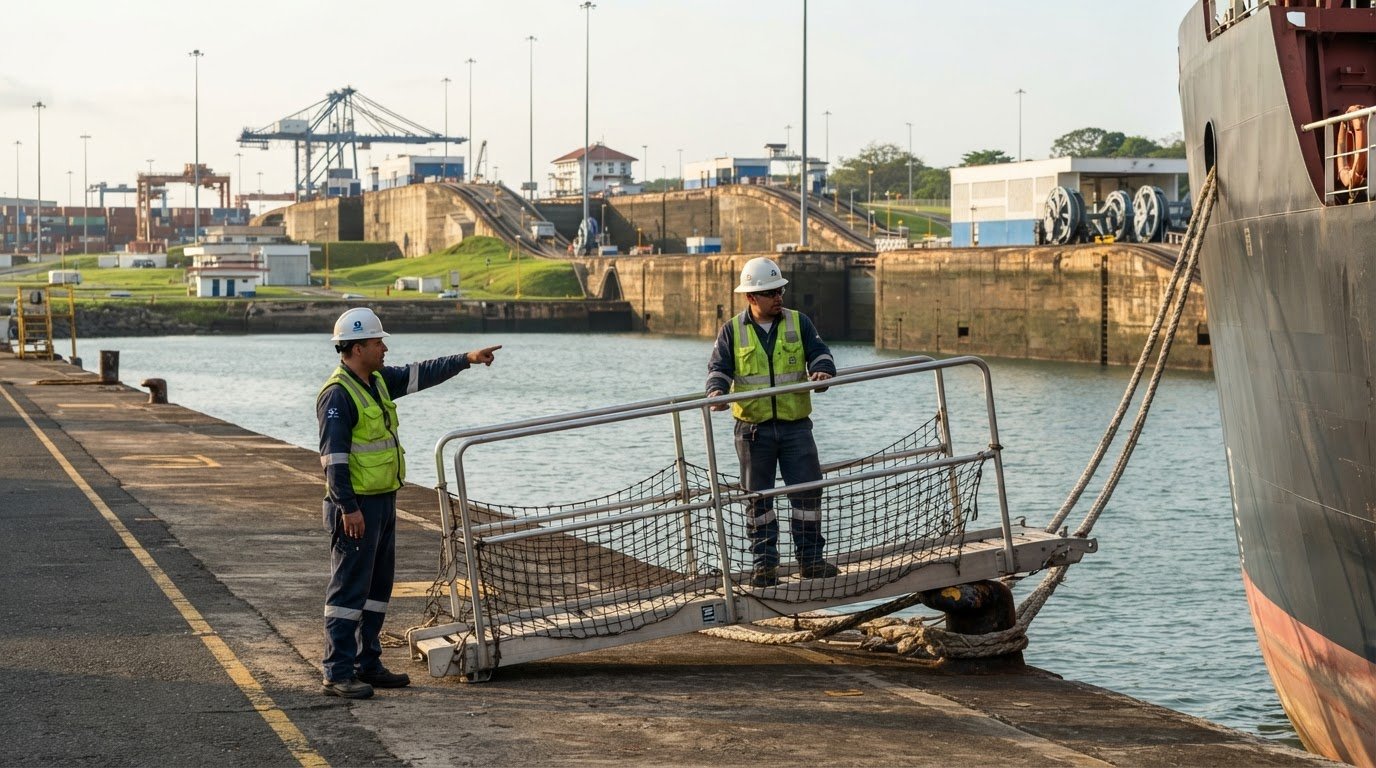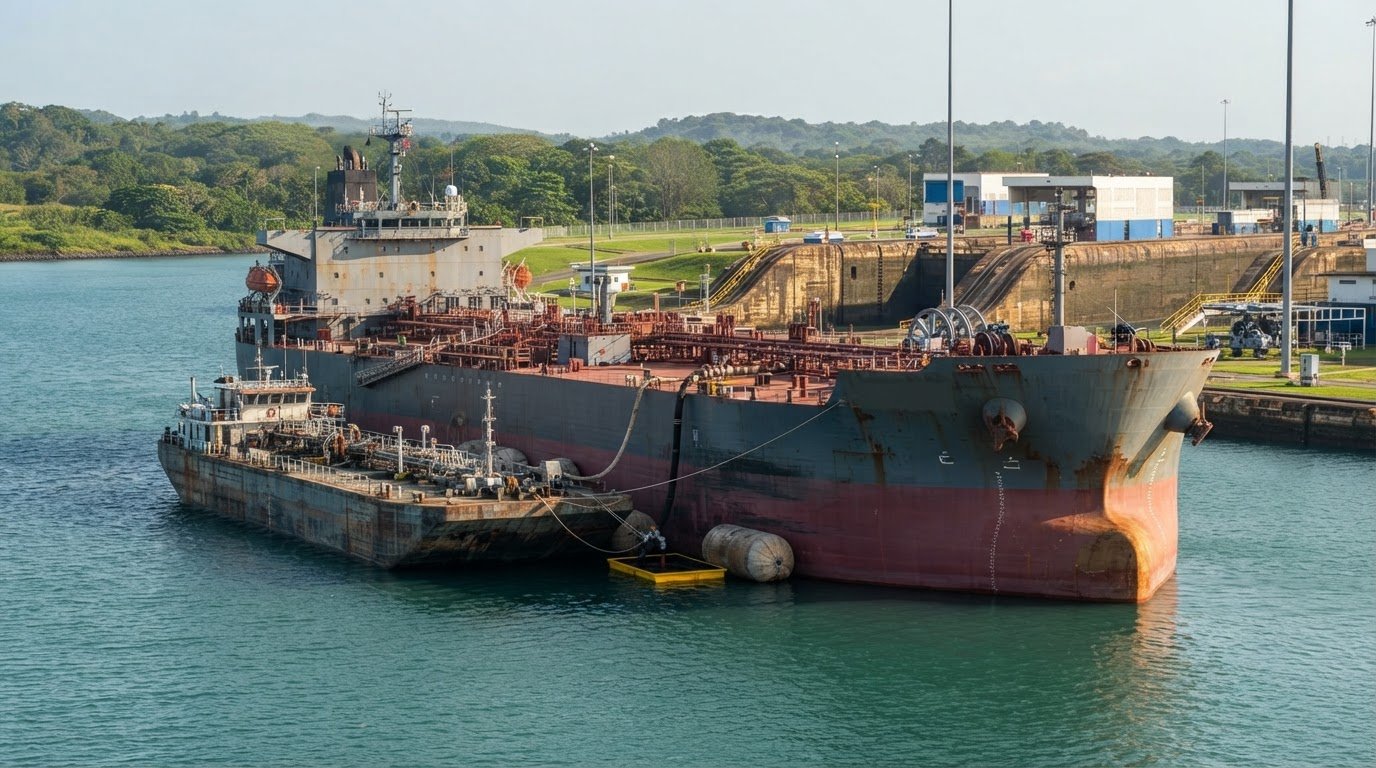

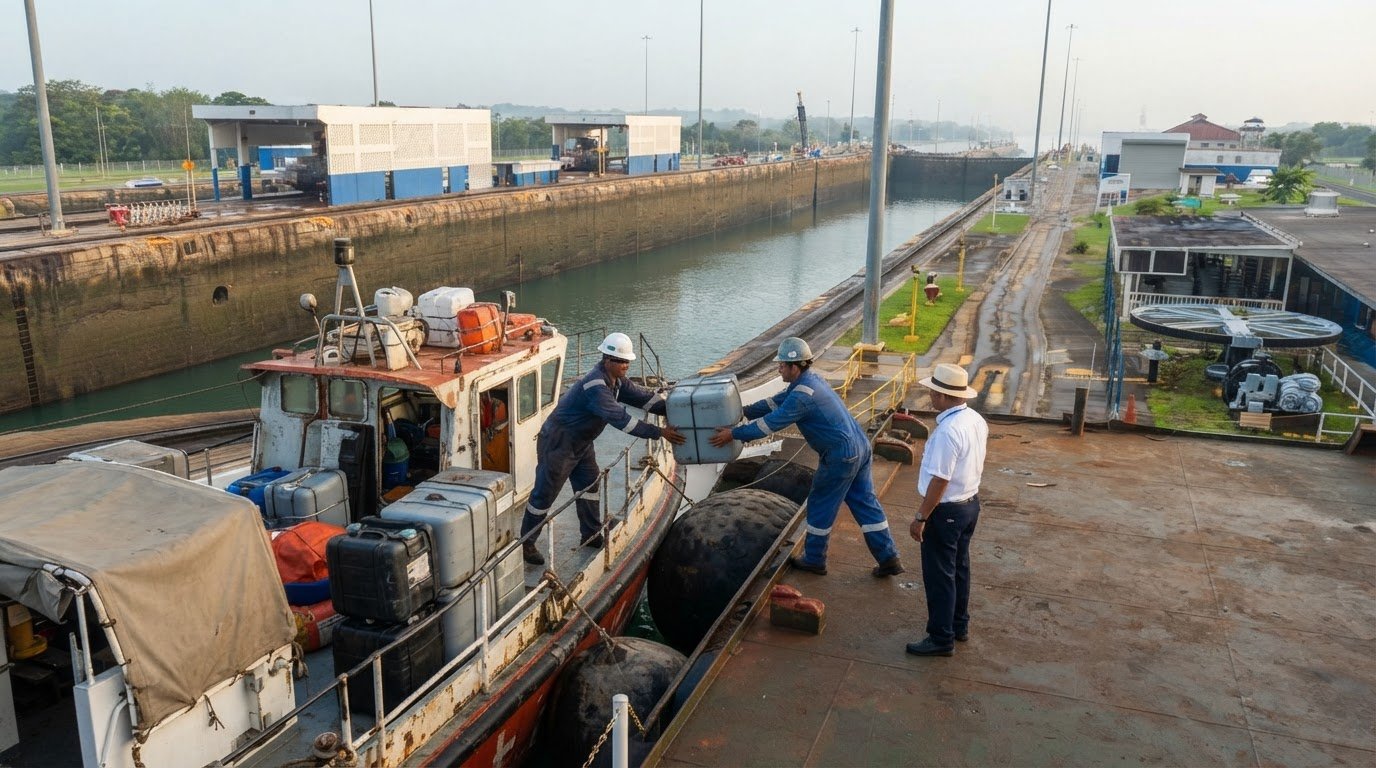
A vessel’s delivery plan depends on coordination that keeps pace with its port calls. Delivery voyage support in Panama brings together the vessel’s route, port-call requirements, and delivery timing so supplies and other arrangements can align with the ship’s movements. Local ship-agent support around the clock can help coordinate time-sensitive needs at Panama ports, including crew movements.
Port calls can involve several parties, changing schedules, and details that need to reach the right recipient. This guide explains how support is organized along a vessel’s route, what 24/7 coordination at Panama ports means in practice, and which recipient contact details help connect a delivery with its intended arrival. You’ll also see how clear communication supports smoother handoffs, so the people coordinating the call can focus on timing, location, and who will receive the delivery.
Key Takeaways
- Map delivery needs against the vessel’s planned port calls to keep timing and handoffs aligned along the route.
- Learn how 24/7 ship-agent support can help coordinate time-sensitive requirements at Panama ports.
- See which address and recipient details help direct a delivery to the right person at the right location.
- Understand how vessel and delivery circumstances shape the permits and documents needed for a Panama Canal transit.
Port calls along a vessel’s route
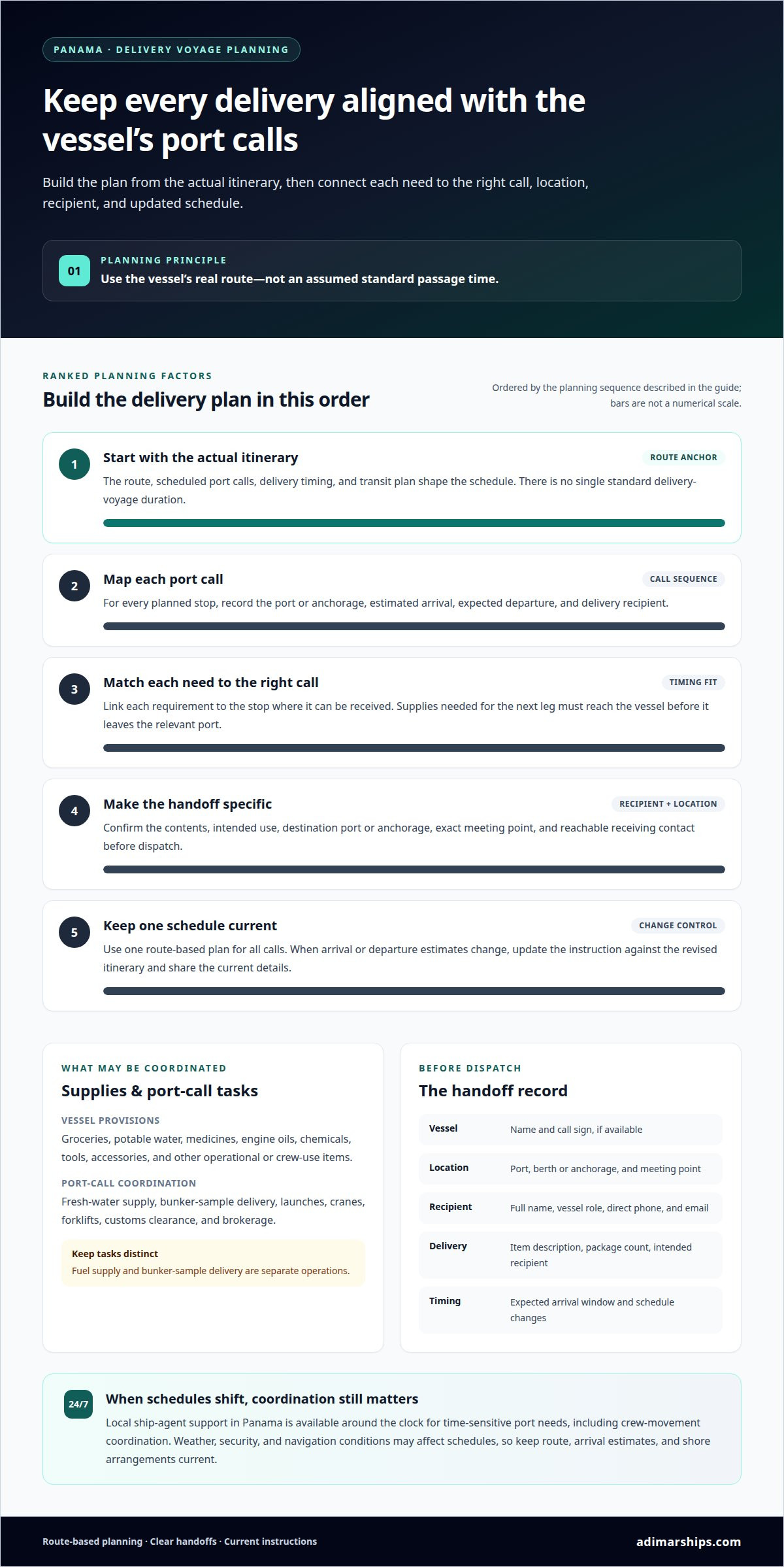
How long does a delivery voyage through Panama typically take? There is no single standard duration: the route, scheduled port calls, delivery timing, and vessel’s transit plan all affect the schedule. Build the delivery plan around the vessel’s actual itinerary rather than assuming a fixed passage time.
Start with the port-call sequence. For each planned stop, record the port or anchorage, estimated arrival, expected departure, and delivery recipient. Then match each requirement to the call where it can be received. For example, provisions for the vessel’s next leg need to reach the ship before it leaves the relevant port.
Port-call support covers practical vessel needs, not just package handoffs. Provisions can include groceries, potable water, medicines, engine oils, chemicals, tools, accessories, and other operational or crew-use items. A clear list helps distinguish essential operational supplies from personal items and lets the team coordinate each need against the vessel’s schedule.
Several types of coordination may fit a port call. These include fresh-water supply, ship provisions, bunker-sample delivery coordination, launch coordination, and crane or forklift coordination. Customs clearance and brokerage may also form part of support operations. Each task has its own location, timing, and recipient, so combining them under one port-call plan helps prevent missed handoffs.
For a vessel calling at multiple ports, keep one route-based schedule instead of separate, disconnected requests. Link each delivery to the relevant call, then update the plan when arrival or departure estimates change. Consistent vessel identification and recipient details help keep instructions aligned across suppliers and shore-side contacts.
Before dispatch, confirm the delivery contents, intended use, destination port or anchorage, and receiving contact. These details give the people coordinating the call a practical basis for arranging the handoff. If a call changes, update the instruction against the revised itinerary, not an outdated schedule.
24/7 Ship-agent support at Panama ports
Round-the-clock ship-agent support means coordinating port-call logistics as vessel needs arise, including crew movements. In Panama, a local team is available 24 hours a day for crew-movement coordination. This matters when flight schedules, vessel timing, or shore-side arrangements change outside standard office hours.
Local-agent coordination brings port-side communication and practical arrangements into one channel. A vessel team managing tasks directly retains control, but must coordinate each party and update arrangements itself. The right approach depends on the vessel’s resources, route, and operational workload.
For a Panama Canal transit, the vessel’s master and shore team coordinate transit arrangements, crew readiness, pilotage, and line handling around the vessel’s assigned plan. Crew and mooring teams need clear instructions about timing, roles, and communications. Specific arrangements follow the vessel’s circumstances and applicable Canal procedures.
To arrange transit support for a delivery voyage, align the planned route and port calls first. Then provide the vessel particulars, estimated timing, delivery requirements, and shore-side contacts to the coordinating agent. Keep updates flowing when the itinerary changes so delivery and crew arrangements follow the current plan.
Vessel-support operations can include provisions, fresh-water supply, and coordination for bunker-sample delivery, launches, cranes, or forklifts. Technical fleet support can also include ship repairs, coordinated around the vessel’s needs and schedule. Fuel supply and bunker-sample delivery are distinct operations and should not be treated as the same task.
Weather, security, and navigation conditions can affect a voyage schedule and port-call coordination. Keep the vessel’s route, arrival estimates, and shore arrangements current, then adapt the logistics plan when conditions or instructions change. Assess these factors against the vessel’s actual passage rather than assuming they affect every transit alike.
For support with port-side coordination in Panama, Panama ship agency support can help bring vessel, crew, and delivery arrangements into a coordinated plan.
Address and recipient contact details
A delivery instruction needs more than a port name. At a Panama port, the handoff point may be a berth, terminal, or anchorage. State the vessel’s name, the relevant port call, and the exact delivery location. If transport connects Tocumen International Airport, a hotel, a port, or an anchorage, include the required pickup and drop-off points.
Identify the recipient clearly. Include their full name, vessel role, and direct phone number, plus an email address for written updates. “Chief officer” is more useful than “ship staff” when a driver or launch operator needs to reach the person receiving the delivery. Name a backup contact if the primary recipient may be ashore.
Keep each instruction tied to one delivery. A useful handoff record includes:
- Vessel: name and call sign, if available.
- Location: port, berth or anchorage, and meeting point.
- Recipient: name, role, phone number, and email.
- Delivery: item description, package count, and intended recipient.
- Timing: expected arrival window and any changes to the vessel’s schedule.
These details distinguish a delivery for one vessel from another call at the same port. For example, a launch handoff at an anchorage needs a clear meeting point and a reachable onboard contact. A terminal delivery needs instructions identifying the intended receiving point, not just the port’s general address.
Use one current contact sheet for the vessel’s shore team and receiving personnel. When a phone number, recipient, or location changes, send the revised details to everyone arranging the handoff. Mark outdated instructions clearly so dispatchers and transport coordinators do not act on an earlier version. This is especially useful when crew movements connect the airport, accommodation, and vessel.
Before confirming dispatch, match the recipient and location to the specific delivery. A correct contact paired with the wrong anchorage can still cause a missed handoff. Clear, current details give each party a practical route to the intended recipient.
What permits and documents are required for a vessel delivery through the Panama Canal?
For a Panama Canal delivery, organize records into two groups: transit information and delivery handoff details. The paperwork depends on whether the delivery involves vessel supplies, a vessel handover, or both. Keep these purposes separate so transit coordination and receipt records remain clear.
Start a transit file with the vessel’s identifying information and planned itinerary. Include the vessel name, flag, principal contacts, and expected Panama port calls. Keep one current version for everyone coordinating the passage. If arrival or departure estimates change, update the itinerary and circulate the revision.
For the delivery record, describe what is being delivered and where it must go. A provisions delivery, for example, needs an item description, package or supply details, intended vessel, delivery location, and receiving contact. A handover between parties also benefits from a written record identifying who transfers responsibility and who receives it.
Keep supporting correspondence with the relevant file. This can include the delivery instruction, updated schedule, recipient details, and written acknowledgements. Clear filenames help distinguish a revised instruction from an earlier version. Label records by vessel name, port call, and document purpose.
Permits and formal Canal filings are separate from routine delivery instructions. Their requirements relate to the vessel and planned transit, so a delivery checklist is not a substitute for applicable Canal procedures. Organize transit and supply documentation separately, then align both with the same vessel and schedule.
Before dispatch, coordinate the document set with the parties handling the transit and handoff. Check that vessel identification, destination, recipient, and current timing match across the records. A mismatch, such as an outdated port call or recipient, can complicate delivery coordination.
For help coordinating vessel documentation and port-call arrangements, request Panama ship agency support.
Vessel provisioning supports crew needs and onboard operations. For merchandise shipped internationally from Panama, a commercial invoice is normally required, though it may not apply to documents. Exporting most items to Panama requires customs paperwork. Some items shipped internationally from Panama are prohibited or require special review.
Panama Post (Correos) typically delivers Monday through Saturday. Independent drivers and shuttle companies travel daily between Panama City and Playa Venao, carrying packages, documents, and personal items.
Adimar Shipping
Adimar Shipping, Inc. coordinates vessel needs around port calls and Panama Canal transits. When delivery arrangements involve multiple shore-side parties, clear local communication helps align the vessel’s schedule, handoffs, and operational requirements.
Through Ship Agency Services, Adimar Shipping, Inc. supports ship owners and charterers with local coordination. An Owner’s Nominated Agency or Charterer’s Nominated Agency arrangement provides a designated point of contact for the relevant party. Husbandry Services support vessel and crew needs during a port call.
Turn to Adimar Shipping, Inc. when your team needs help organizing port-call requirements, communicating delivery instructions, or coordinating vessel and crew arrangements in Panama. Share your vessel’s itinerary and the support required to get started. Contact Adimar Shipping, Inc. to discuss your delivery voyage needs.
Put your Panama delivery plan into motion
The next step is to turn the delivery plan into coordinated action. A clear operational brief gives your shore-side team and local representative a shared starting point, while leaving room to respond as the vessel’s schedule evolves. Delivery voyage support in Panama is most effective when built into voyage planning, not left until the last-minute handoff.
Adimar Shipping offers Ship Agency Services, including Owner’s Nominated Agency and Charterer’s Nominated Agency. These arrangements give owners or charterers a local point of coordination for vessel-related requirements. Choose the representation that fits your role, then outline the voyage and support needed.
Start the conversation with your vessel’s planned itinerary and immediate priorities. Adimar Shipping can discuss how its agency services fit your port-call requirements. Contact Adimar Shipping to discuss your Panama delivery voyage, and move forward with a clearer plan.
Frequently Asked Questions
What does delivery voyage support in Panama include?
Support can include local coordination for a vessel’s Panama Canal transit, crew changes, provisioning, and technical fleet needs. For example, a vessel preparing for a crew change may need flight arrangements and inland transportation coordinated alongside its port call. Adimar Shipping also provides PCSOPEP preparation and authorized-person support for vessels requiring this compliance service. The specific support depends on the vessel’s needs during its passage.
Which companies provide yacht or vessel delivery support in Panama?
Adimar Shipping, Inc. provides ship agency support for vessels transiting the Panama Canal, acting as a local partner for ship owners and charterers. Its Owner’s Nominated Agency and Charterer’s Nominated Agency services represent the respective party’s interests locally. Agency support coordinates vessel-related requirements; it is distinct from supplying a crew to sail a yacht. For a yacht or commercial vessel, define whether you need transit coordination, crew support, or both.