
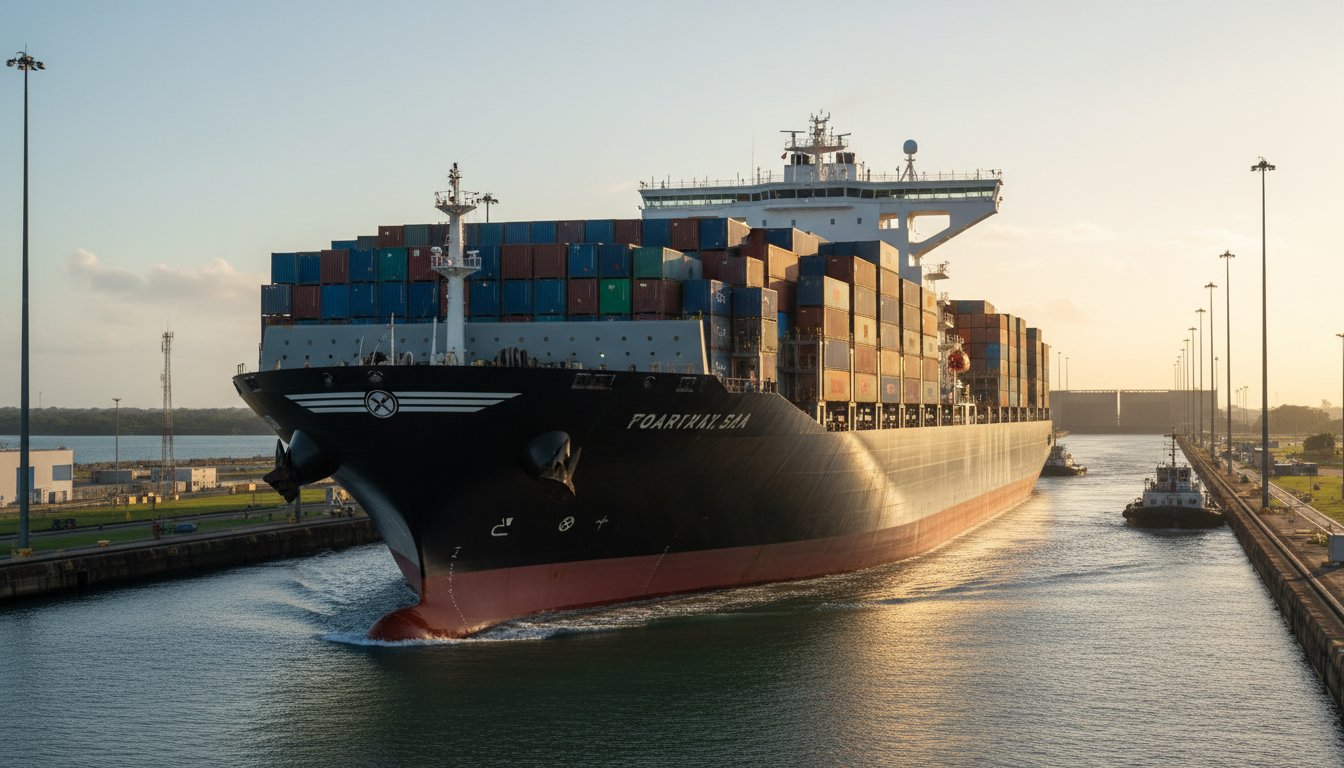
Navigating the Panama Canal is a complex but essential part of global maritime trade. For ship owners, charterers, and operators, a smooth transit is critical for maintaining schedules and controlling costs. This guide will help you understand the entire Panama Canal transit process, from booking to completion, so you can ensure a smooth and cost-effective passage for your vessel.

Understanding the Panama Canal Transit: An Overview
As a vital link between the Atlantic and Pacific Oceans, the Panama Canal is a marvel of engineering that plays a strategic role in global shipping. A successful transit hinges on meticulous planning and coordination, as any misstep can lead to significant delays and expenses-a scenario where time truly is money. The Canal operates with two distinct lock systems: the original Panamax locks and the newer, larger Neopanamax locks, each with specific vessel dimension requirements. To navigate this intricate process, a dedicated Panama Canal ship agent acts as your local coordinator, managing every detail on your behalf.
The Four Key Stages of a Canal Transit
The entire operation can be broken down into four distinct phases, each requiring careful management and expert oversight:
- Stage 1: Pre-Arrival Planning & Booking.
- Stage 2: Arrival, Inspection, and Anchorage.
- Stage 3: The Transit Through the Locks.
- Stage 4: Post-Transit Clearance and Departure.
A Step-by-Step Guide to the Transit Process
Understanding what happens at each stage of the transit is key to a predictable and efficient passage. From the operator’s perspective, the process follows a clear operational sequence that begins long before the vessel reaches Panamanian waters.
Pre-Arrival: Setting Your Transit Up for Success
The foundation for a smooth transit is laid well in advance. This critical phase involves submitting all necessary vessel information and required documentation to the Panama Canal Authority (ACP). Your agent will then book a transit slot through the official reservation system, a crucial step to avoid lengthy waits. They also coordinate all pre-arrival requirements, such as ensuring Panama Canal Shipboard Oil Pollution Emergency Plan (PCSOPEP) compliance, and provide a clear Proforma Disbursement Account (PDA) to estimate costs and arrange funding for the transit.
Arrival in Panamanian Waters: The Waiting Game
Upon arrival, your vessel will proceed to a designated anchorage area at either the Pacific or Atlantic entrance. Here, it will undergo a mandatory inspection by the ACP to ensure it meets all safety and operational standards. Once cleared, pilots and canal advisors will board the vessel to guide it through the waterway. While the booking system minimizes delays, managing potential waiting times is a key function of your agent, who maintains constant communication with the authorities to ensure your vessel transits as scheduled.
The Transit Itself: Navigating the Waterway
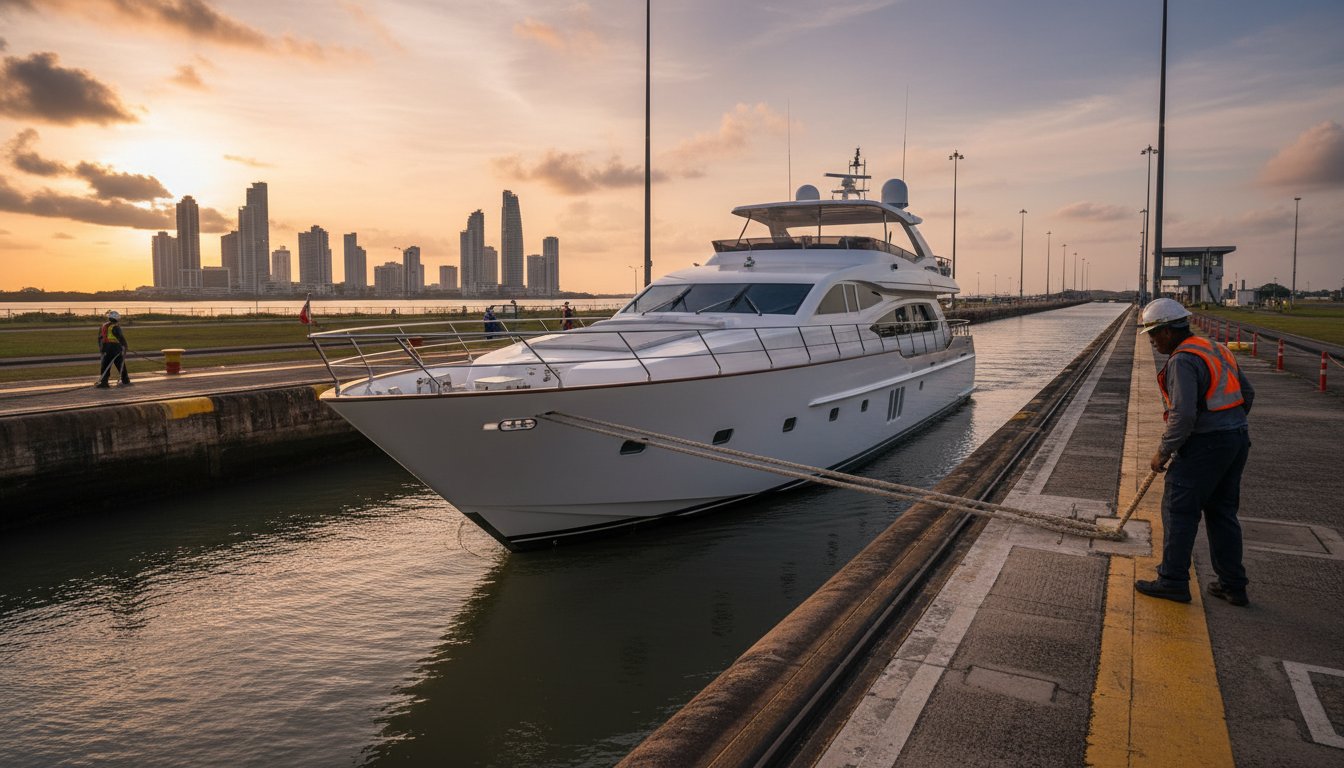
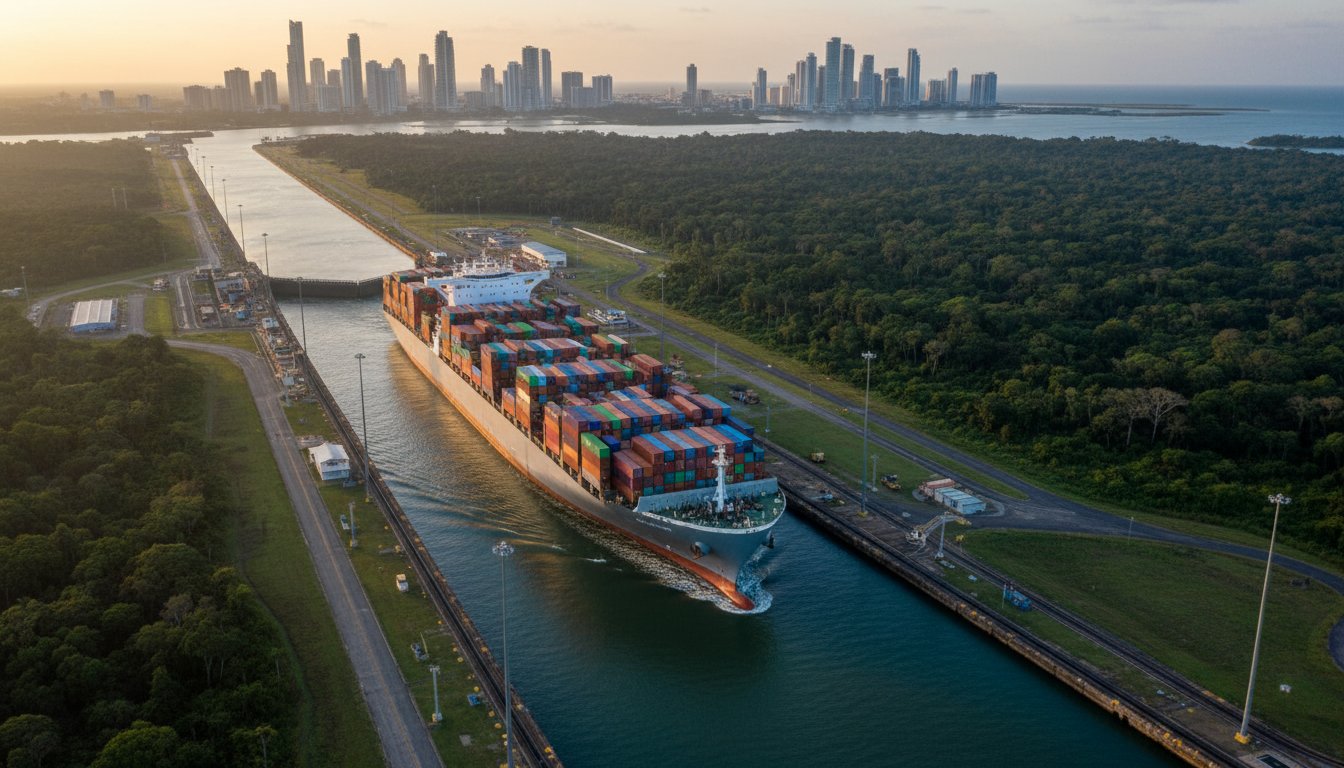
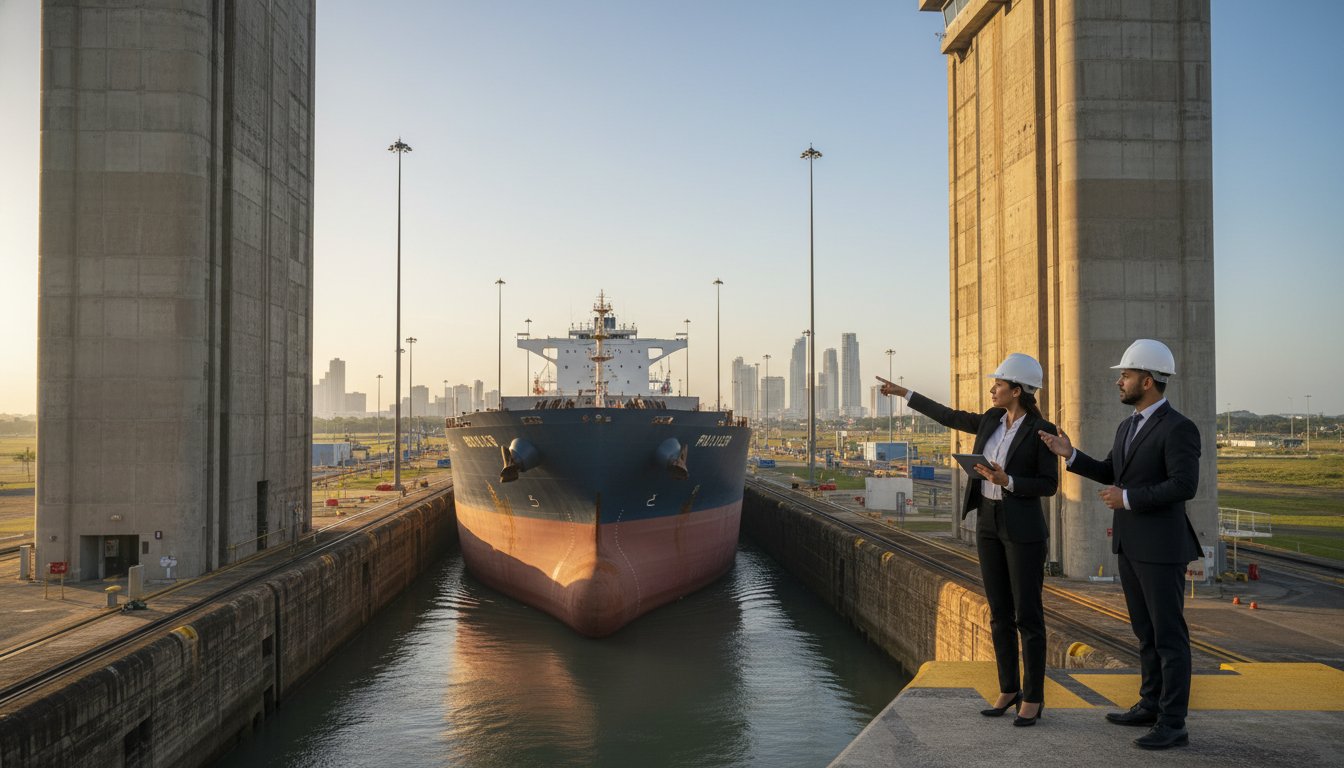
The actual transit is a precisely choreographed operation. The vessel is guided into the first set of locks, where powerful tugboats and locomotives (known as “mules”) position it securely. As the lock chambers fill or drain with water, the ship is raised or lowered to the next level. The journey continues through Gatun Lake, the vast artificial lake that forms the main channel of the canal, before the lock process is repeated on the other side. An average transit from ocean to ocean typically takes between 8 to 10 hours, a testament to the Canal’s remarkable efficiency.
Key Challenges and How to Overcome Them
While the transit is a routine operation, several challenges can arise that lead to costly delays and complications. Understanding these potential issues and having a proactive partner on the ground is the best way to mitigate risk and ensure a seamless passage.
Vessel Requirements and Restrictions
The ACP enforces strict regulations regarding vessel dimensions and condition. It is essential to understand the maximum beam, length, and draft limits for both Panamax and Neopanamax locks. Furthermore, all required vessel equipment, such as mooring lines and chocks, must be in perfect operational condition. The risk of non-compliance is severe, potentially leading to heavy fines or even the denial of transit, disrupting your entire voyage schedule.
Managing Costs: Tolls, Fees, and Expenses
The cost of a Panama Canal transit is more than just the toll itself. The comprehensive fee structure includes booking fees, security charges, line handler fees, and other ancillary costs. Navigating this complex system requires expertise. A reliable ship agent provides a transparent Proforma Disbursement Account (PDA) upfront, giving you a clear and accurate estimate of all expenses so you can budget effectively and avoid financial surprises.
The Value of a Trusted Ship Agent
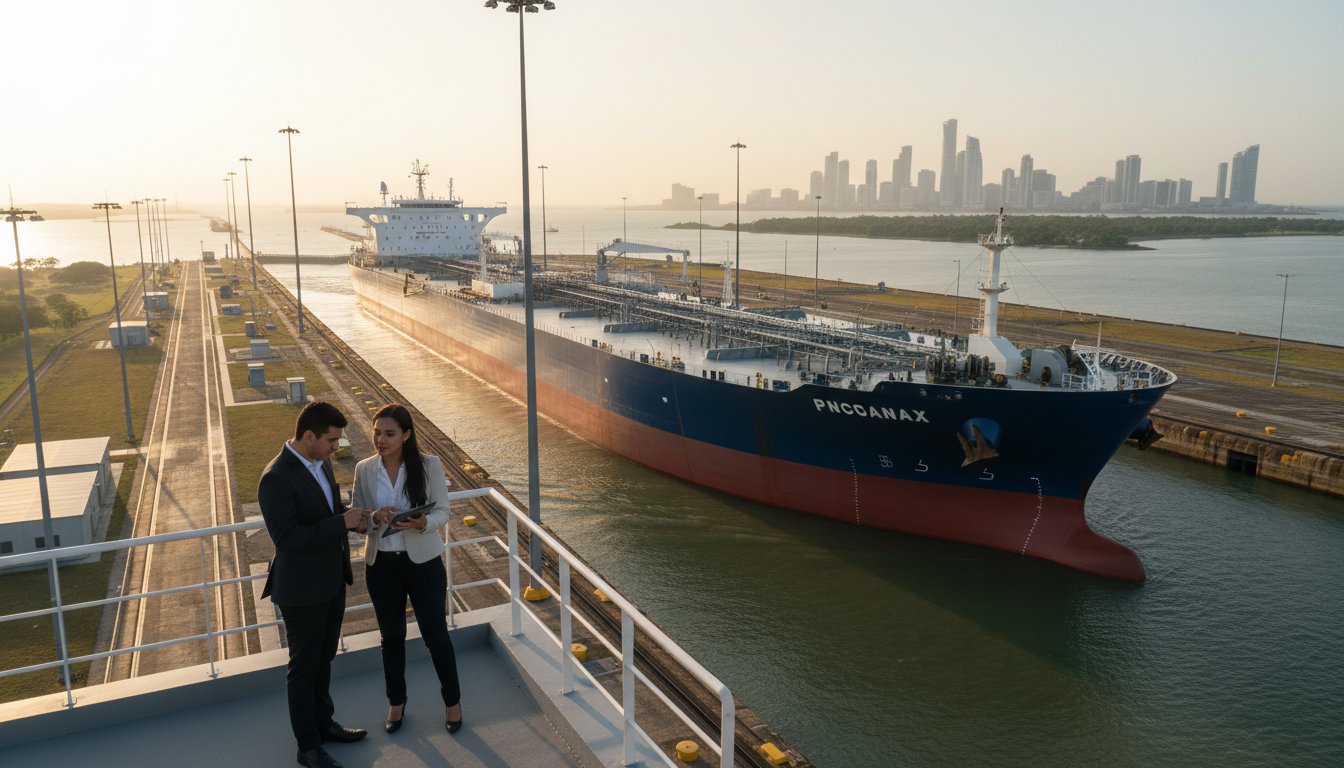
Navigating ACP regulations and coordinating local services from afar is a daunting task. This is where the value of an experienced ship agent becomes clear. With deep local expertise, your agent serves as your eyes and ears at the Canal, providing 24/7 communication and real-time updates on your vessel’s status. They coordinate all necessary services, from husbandry and crew changes to provisioning and spare parts delivery. An agent doesn’t just book a slot; they manage the entire operation with integrity and efficiency. Put your transit in our hands for a seamless experience.
The principle of relying on specialized, professional services for critical logistics extends beyond maritime operations. For instance, ensuring smooth ground transportation for executives or key personnel in major hubs is equally important for maintaining schedules. In a city like Calgary, a hub for Canadian commerce, a company like Royal Sky Limo provides that same level of reliable, professional chauffeur service, ensuring seamless travel from airport to destination.
Frequently Asked Questions
How long does it take for a ship to transit the Panama Canal?
The actual transit time, from the moment a vessel enters the first lock until it exits the last one, is typically between 8 and 10 hours. However, the total time spent in Canal waters, including waiting at anchorage, can vary.
What is the difference between Panamax and Neopanamax locks?
Panamax locks are the original locks, accommodating vessels up to approximately 294 meters in length and 32.3 meters in beam. The newer, larger Neopanamax locks were opened in 2016 and can handle much larger vessels, up to 366 meters in length and 51.25 meters in beam.
How far in advance do I need to book a Panama Canal transit?
The booking system allows for reservations to be made up to 365 days in advance. To secure a desired slot and avoid potential delays, it is highly recommended to book as early as possible, especially during periods of high traffic.
What happens if my vessel misses its scheduled transit slot?
Missing a scheduled slot can result in the loss of the booking fee and significant delays, as the vessel may have to wait for the next available opening. A proactive agent helps prevent this by ensuring all pre-arrival requirements are met on time.
Can a vessel transit the Panama Canal without a ship agent?
While technically possible, it is extremely difficult and not recommended. A registered Panamanian ship agent is required to handle financial transactions with the ACP and coordinate the complex logistics, making their role practically indispensable.
What are the main causes of transit delays?
Delays can be caused by various factors, including adverse weather conditions (like fog in Gatun Lake), vessel mechanical issues, non-compliance with ACP regulations discovered during inspection, or periods of high vessel traffic.
A successful Panama Canal transit is a matter of expert planning, diligent coordination, and local knowledge. With over 20 years of experience, Adimar Shipping provides personalized service with integrity and transparency, acting as your trusted partner at the Canal. We are experts in cost-conscious and efficient transit management, allowing you to focus on your business with confidence. Let our team ensure your vessel’s passage is smooth, predictable, and efficient every time. Request a Proforma DA for Your Next Panama Canal Transit today and experience the peace of mind that comes with having a dedicated expert on your side.