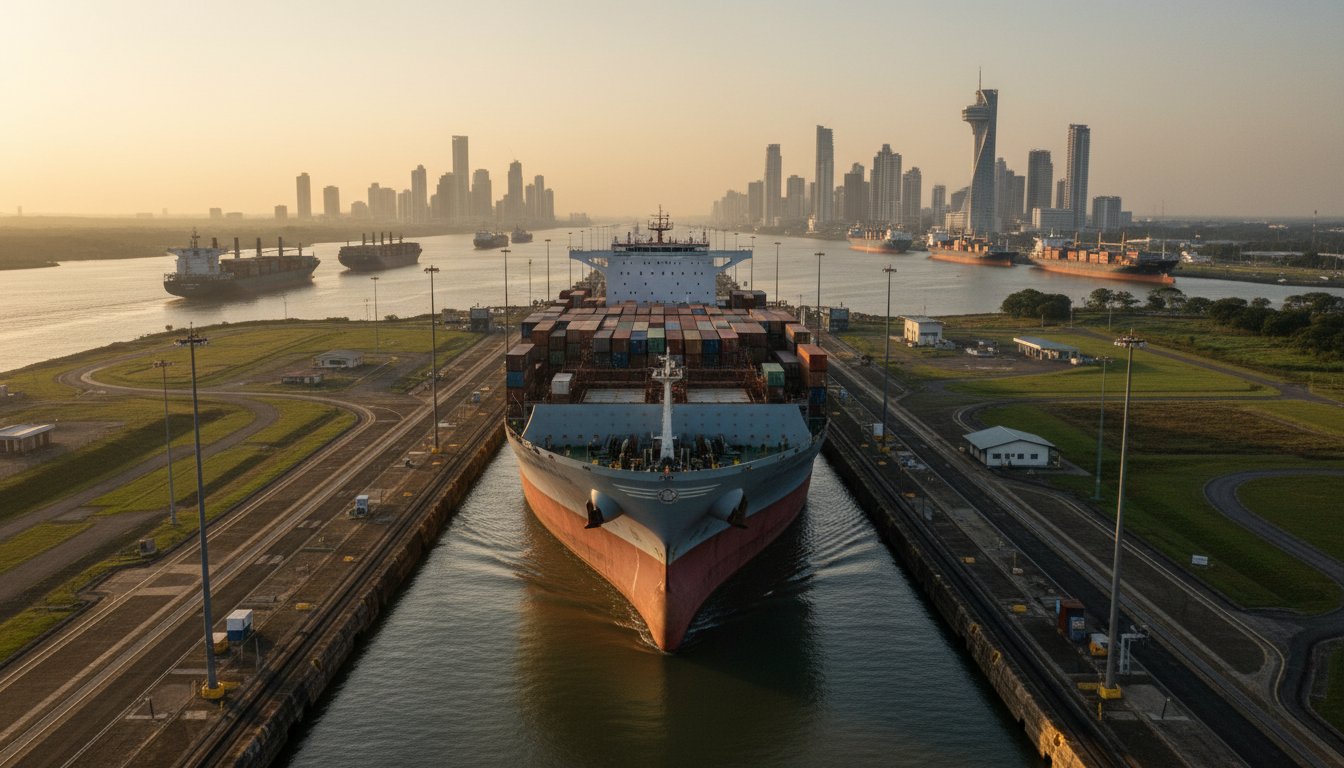


In maritime logistics, time is money-and a misstep in vessel transit scheduling Panama Canal can cost you dearly. The complex booking system, the ever-present threat of unexpected delays, and the mountain of paperwork can make coordinating a smooth passage feel frustrating and uncertain. For ship owners and charterers, these challenges often lead to significant financial losses and operational headaches, turning a critical shortcut into a source of stress.
This guide is your trusted partner for navigating these complexities. We are here to eliminate the confusion and provide the expert insights needed for a cost-conscious and efficient transit. You will gain a clear, step-by-step understanding of the reservation system, learn proven strategies to avoid costly fees, and master the coordination required for a smooth, predictable passage. Let’s transform your vessel’s journey through the Panama Canal from a challenge into a seamless success.
Key Takeaways
- Understand the Panama Canal Authority’s (ACP) booking system to lay the foundation for a predictable and timely transit.
- Successful vessel transit scheduling panama canal requires precise information at every step to avoid common pitfalls that result in costly delays.
- Securing a reservation is only the first step; learn how operational factors and external conditions can significantly impact your final transit schedule.
- Partnering with an experienced ship agent is the most effective strategy to navigate scheduling complexities and ensure an efficient, cost-effective transit.
The Foundation: Understanding the Panama Canal’s Booking System
Navigating the complexities of the Panama Canal begins with a clear understanding of its governing body and scheduling system. The Panama Canal Authority (ACP), an autonomous agency of the Panamanian government, manages every aspect of Canal operations. To orchestrate the passage of thousands of vessels annually, the ACP employs a highly structured system essential for maintaining safety, efficiency, and predictability. Understanding this framework is the first step toward successful vessel transit scheduling panama canal. The system has evolved significantly throughout the history of the Panama Canal to meet modern demands, centering on two primary methods for securing passage: booked and un-booked transits.
Booked vs. Un-booked Transits: A Strategic Overview
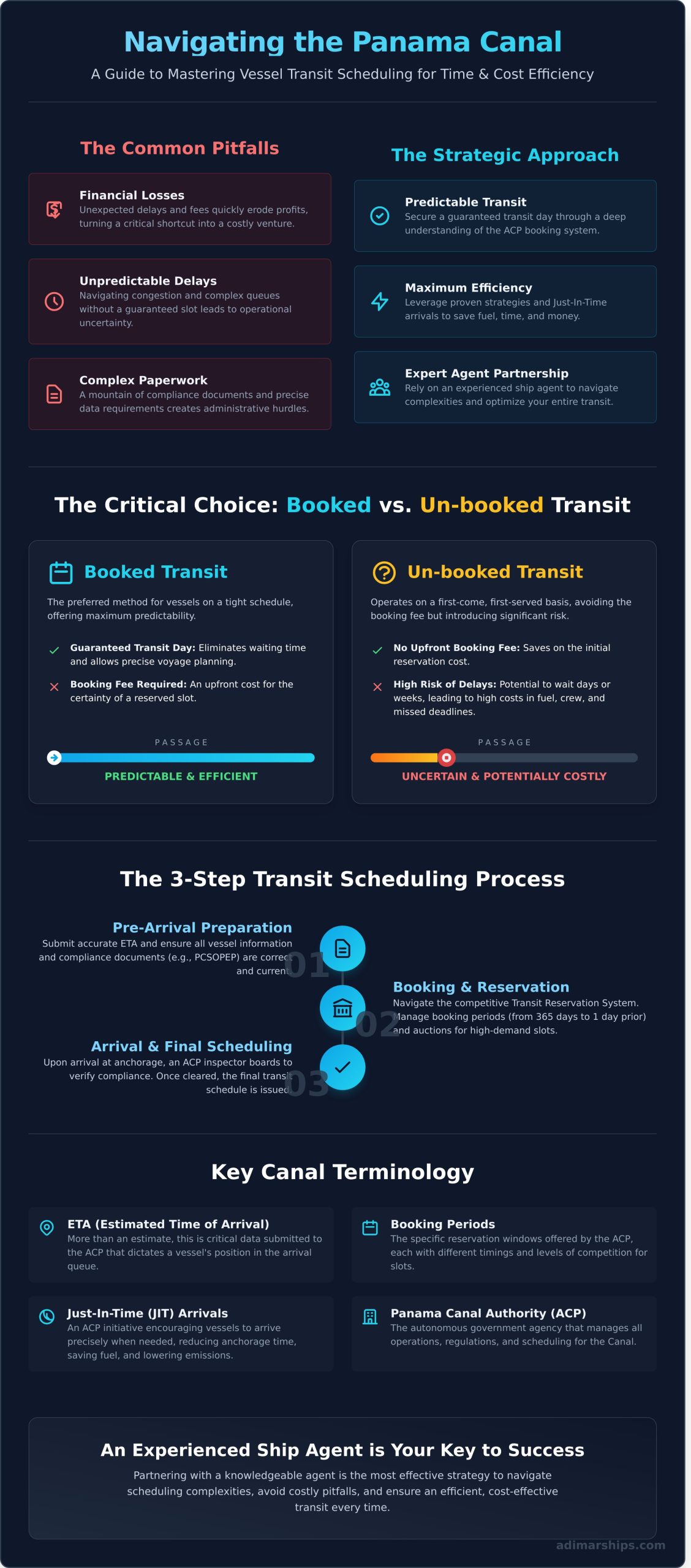
For ship owners and charterers, the phrase “time is money” is a daily reality. The choice between a booked or un-booked transit is a critical financial and logistical decision. Misjudging your timing can lead to significant losses. Here’s a direct comparison:
- Booked Transits: This option provides a guaranteed, day-specific transit slot. While it comes with a booking fee, it offers maximum predictability, allowing for precise voyage planning. This is the preferred method for vessels with time-sensitive cargo or tight schedules.
- Un-booked Transits: Operating on a first-come, first-served basis, this option avoids the upfront booking fee. However, it exposes the vessel to the risk of significant delays, potentially waiting days or even weeks during periods of high congestion. The costs of fuel, crew, and missed deadlines can quickly exceed the savings of the booking fee.
The right choice depends on current traffic levels, vessel type, and commercial commitments. A trusted agent provides the on-the-ground intelligence needed to make the most cost-effective decision.
Key Terminology in Canal Scheduling
Mastering the official terminology is crucial for effective communication and planning with the ACP. These are the core components you will encounter:
- ETA (Estimated Time of Arrival): This is more than just an estimate; it is a critical piece of data submitted to the ACP that dictates a vessel’s position in the queue. Accuracy is paramount.
- Transit Reservation System: The official online platform managed by the ACP where shipping agents secure transit slots for their clients’ vessels.
- Booking Periods: The ACP offers several reservation windows, each opening at different times prior to the requested transit date. Competition for slots in these periods can be intense.
- Just-In-Time (JIT) Arrivals: An ACP initiative that encourages vessels to arrive precisely when needed for their transit, reducing time at anchor, saving fuel, and lowering emissions.
Securing Your Slot: A Step-by-Step Guide to the Reservation Process
Successful passage through the Panama Canal hinges on a process of precision and foresight. In an environment where time is money, every step in the vessel transit scheduling Panama Canal process must be executed flawlessly to avoid costly delays. This journey can be broken down into three critical phases, from pre-arrival preparation to final confirmation.
Step 1: Pre-Arrival Information and Documentation
Long before your vessel nears Panamanian waters, the groundwork must be laid. This begins with submitting an accurate Estimated Time of Arrival (ETA) to the Panama Canal Authority (ACP). All vessel information-including dimensions, cargo details, and compliance documents like the Panama Canal Shipboard Oil Pollution Emergency Plan (PCSOPEP)-must be current and correct. A trusted ship agent acts as your eyes on the ground, meticulously verifying all paperwork to prevent last-minute administrative hurdles that could jeopardize your slot.
Step 2: Navigating the Transit Reservation System
Booking a transit slot requires navigating a dynamic and competitive environment. The official Panama Canal’s booking system offers several periods, allowing reservations from 365 days in advance up to just one day prior. Slots are allocated differently for Panamax and the larger Neopanamax vessels, each with its own demand dynamics. For high-demand periods or last-minute needs, the ACP runs a booking auction where slots are awarded to the highest bidder. Managing these options, along with any necessary modifications or cancellations, is a core function of your agent, ensuring cost-conscious and efficient scheduling.
Step 3: Arrival, Inspection, and Final Scheduling
Upon reaching the designated Pacific or Atlantic anchorage, your vessel enters the final stage. An ACP inspector will board to conduct a thorough pre-transit inspection, confirming the vessel is operationally ready and complies with all Canal regulations. Once cleared, the ACP issues the definitive transit schedule, known as the Itinerario de Tránsito de Buques (ITV). This official timetable confirms your vessel’s place in the queue and its projected transit time, marking the successful culmination of the booking process.
The entire process demands expertise and constant attention. Don’t leave your transit to chance. Let our experts handle the complexities of booking for you. We are your trusted partner, ensuring your vessel moves through the Canal with integrity and efficiency.
Key Factors That Influence Your Transit Schedule
Securing a booking slot with the Panama Canal Authority (ACP) is a critical first step, but it’s only part of the puzzle. A confirmed reservation is not a guarantee of a fixed transit time. The reality of vessel transit scheduling panama canal is that it’s a dynamic process, influenced by a complex interplay of operational, environmental, and vessel-specific variables. The ACP masterfully juggles these factors 24/7 to maintain the flow of global trade.
Understanding these variables is the key to minimizing delays and managing costs. An experienced local agent acts as your eyes and ears, anticipating these challenges before they impact your schedule. These factors generally fall into two categories: those external to your vessel and those directly related to it.
Operational and Environmental Factors
The Canal does not operate in a vacuum. Its efficiency is directly tied to the environment and its own operational tempo. Delays can arise unexpectedly from forces beyond anyone’s control. Having a partner on the ground to provide real-time updates is invaluable.
- Weather Conditions: Heavy fog, particularly in the Culebra Cut, can severely reduce visibility and halt navigation for safety reasons. Similarly, intense tropical rainstorms can impact lock operations and vessel movement.
- Water Levels: The Canal relies on fresh water from Gatun and Alajuela Lakes. During Panama’s pronounced dry season (typically December to April), low water levels can lead the ACP to impose draft restrictions, affecting cargo loads and transit plans for deeper vessels.
- Scheduled Lock Maintenance: The ACP performs regular, essential maintenance on the locks. While planned far in advance, these lane outages reduce the Canal’s overall capacity and can create temporary backlogs.
- Vessel Traffic and Congestion: Unexpected surges in arrivals, maritime accidents, or operational issues with other vessels can cause congestion at the anchorages, creating a ripple effect that alters the day’s transit lineup.
Vessel-Specific Characteristics
Your vessel’s own condition and characteristics play a decisive role in the final transit schedule. The ACP enforces strict safety and operational standards, and non-compliance will result in immediate and costly delays. Your agent’s job is to ensure you are prepared long before arrival.
- Vessel Size and Type: Neopanamax vessels, due to their size, require more resources and have less flexibility, making their scheduling more rigid than that of smaller Panamax ships.
- Hazardous Cargo: Vessels carrying certain hazardous materials are subject to stringent safety protocols and may be restricted to specific transit windows or daylight hours, impacting their schedule.
- ACP Compliance: A pre-transit inspection by ACP officials is mandatory. Any issues found-from malfunctioning equipment to improper paperwork-must be resolved before transit is permitted. This is one of the most common and avoidable sources of delay in vessel transit scheduling panama canal operations.
Common Pitfalls in Panama Canal Scheduling (And How to Avoid Them)
In the world of maritime logistics, time is money. When it comes to the Panama Canal, even minor missteps can lead to significant delays and unexpected costs. A flawed approach to vessel transit scheduling panama canal authorities require can turn a routine passage into a logistical nightmare. Understanding the most common errors is the first step toward ensuring a smooth, efficient, and cost-effective transit.
Documentation and Communication Errors
The administrative side of scheduling is where many preventable issues begin. The Panama Canal Authority (ACP) operates on a strict schedule with precise requirements. Simple mistakes here can have costly consequences, including fines or the loss of your transit slot.
- Inaccurate Information: Submitting incorrect vessel dimensions, tonnages, or Estimated Times of Arrival (ETAs) can lead to immediate rejection or re-scheduling.
- Missed Deadlines: The ACP has firm deadlines for all required forms and pre-payment of tolls. Failure to comply results in penalties.
- Misinterpreting Notices: The ACP regularly issues advisories and updates. Misunderstanding these communications can leave a vessel unprepared for changing conditions or requirements.
Operational Miscalculations
On-the-ground execution is just as critical as paperwork. Operational oversights often stem from a lack of local knowledge and can disrupt the entire transit schedule, impacting everything from crew hours to cargo delivery dates.
- Poor Arrival Timing: Arriving too early incurs unnecessary anchorage costs, while arriving late for an assigned slot risks forfeiting it entirely.
- Underestimating Prep Time: Failing to account for the time needed for anchorage, mandatory inspections, and boarding of pilots is a frequent error.
- Funding Delays: Transit tolls must be fully funded in the vessel’s account before transit is authorized. Any delay in payment will halt the process.
The Solution: Proactive Agency Oversight
The ultimate insurance against these pitfalls is a dependable, on-the-ground ship agent. A dedicated agent acts as your eyes and ears at the Canal, transforming a complex process into a seamless operation. We are experts so you don’t have to be. An experienced agent provides constant, clear communication with the ACP, pre-verifies all documentation for 100% compliance, and offers 24/7 monitoring of your vessel’s status. By managing every detail from toll payment to pilot coordination, a proactive partner eliminates the guesswork and protects your bottom line. Be proactive. Secure a smooth transit with Adimar.
Why a Ship Agent is Your Key to an Optimized Transit Schedule
Navigating the Panama Canal involves far more than simply arriving and waiting your turn. As we’ve explored, it’s a complex dance of booking periods, regulatory compliance, vessel requirements, and dynamic operational conditions. Misjudge your timing, and you lose money. This is where a professional ship agent transforms from a service provider into an essential partner. An experienced agent isn’t a cost; they are an investment in efficiency, predictability, and peace of mind.
Put your transit in our hands, and we will eliminate the confusion. We are experts in vessel transit scheduling panama canal so you don’t have to be.
Saving Time and Money
In shipping, time is money. A trusted agent directly protects your bottom line by proactively managing the financial variables of a canal transit. We focus on delivering value through:
- Minimizing Waiting Times: We leverage deep local knowledge to secure optimal booking slots, significantly reducing costly idle time at anchorage and avoiding potential demurrage charges.
- Ensuring 100% Compliance: Our team ensures all documentation and pre-arrival requirements are met perfectly, preventing expensive fines or delays from ACP authorities.
- Transparent Costing: Before you commit, we provide a detailed and accurate proforma Disbursement Account (DA), giving you a clear, pre-calculated estimate of all transit-related costs in US Dollars. No surprises.
Expertise and Local Presence
Managing a successful transit from thousands of miles away is a significant challenge. We act as your local office, providing the on-the-ground expertise that digital tools cannot replace. Think of us as your eyes at the Canal, offering real-time problem-solving and vigilant oversight.
Our established relationships with canal authorities, pilots, and local vendors allow us to resolve issues quickly and efficiently. We don’t just manage the transit; we seamlessly coordinate all husbandry needs-from crew changes and spare part delivery to provisions and medical services-ensuring your vessel’s operations are never disrupted. By entrusting the complex logistics of vessel transit scheduling panama canal to a dedicated partner, you can focus on your core business. Let Adimar be your trusted partner for a smooth and cost-effective passage.
Your Trusted Partner for a Seamless Canal Crossing
Mastering the Panama Canal’s transit system requires a deep understanding of its booking procedures and a proactive strategy to avoid costly delays. As we’ve explored, everything from your vessel’s specifications to the timing of your reservation can dramatically impact your schedule, and simple administrative errors often lead to significant financial setbacks.
This is why partnering with a local expert is the most effective strategy for successful vessel transit scheduling panama canal. A dedicated ship agent eliminates confusion and serves as your eyes on the ground, ensuring every detail is managed with precision and integrity.
At Adimar Shipping, Inc., we transform this complex process into a streamlined operation. With over 20 years of specialized experience, we provide expert handling of all documentation and communication with the Panama Canal Authority (ACP). Our commitment is to deliver cost-conscious, efficient service with full transparency, allowing you to focus on your core business.
Ready for a smooth passage? Nominate Adimar Shipping, Inc. as your trusted agent for a seamless Panama Canal transit. Let our expertise guide your vessel through one of the world’s most vital waterways.
Frequently Asked Questions About Panama Canal Transit Scheduling
What happens if my vessel misses its scheduled transit slot?
If your vessel misses its scheduled transit, the slot and its associated booking fee are forfeited. Your vessel will lose its priority and must wait for the next available opportunity, joining the queue of un-booked vessels. This results in significant and costly delays, directly impacting your schedule and operational budget. Precise coordination is essential to avoid these expensive consequences.
How far in advance should I book a Panama Canal transit?
We strongly recommend booking your transit as far in advance as possible. The Panama Canal Authority (ACP) allows some vessels to book up to 365 days ahead. For most commercial vessels, securing a slot 30 to 90 days in advance is a prudent strategy to ensure availability and avoid premium auction fees. In periods of high demand or restrictions, booking even earlier is advisable.
Can I change my vessel’s transit reservation after it’s confirmed?
Yes, it is possible to change a confirmed reservation, but it is subject to strict ACP rules, slot availability, and potential fees. Swapping slots with another vessel or requesting a new date requires careful navigation of the system. As your trusted agent, we manage this complex process to find the best possible solution while minimizing disruption and additional costs to your operation.
What is the real cost difference between a booked and an un-booked transit?
While a booked transit requires paying a reservation fee, the potential cost of an un-booked transit is far greater. An un-booked vessel can wait for days or even weeks, incurring massive daily costs in fuel, crew wages, and charter hire. A booked slot provides schedule certainty and cost control, which is significantly more economical than risking unpredictable and expensive waiting times at anchorage.
How do current water level restrictions affect vessel scheduling?
Low water levels in Gatun Lake force the ACP to reduce the total number of daily transits and impose stricter draft restrictions on vessels. This significantly tightens slot availability and increases competition, making advanced vessel transit scheduling panama canal more critical than ever. Vessels that fail to secure a booking face a much higher risk of prolonged delays due to the limited capacity.
Does the ACP prioritize certain types of vessels or cargo?
The booking system itself is the primary method of prioritization. A vessel with a confirmed reservation will always transit before an un-booked arrival. While the ACP doesn’t officially prioritize by cargo type, certain vessel segments, like cruise ships or LNG carriers, often book slots far in advance due to their fixed schedules. This long-term planning effectively gives them priority over last-minute arrivals.