

In the high-stakes world of maritime logistics, misjudging your timing at the Panama Canal isn’t just a frustration—it is a financial drain. As we look toward 2026, unforeseen transit delays can quickly escalate into thousands of dollars in demurrage, while a lack of transparency in Disbursement Accounts (DA) can leave your bottom line vulnerable. To protect your interests, knowing the specific questions to ask a panama canal agent is the only way to separate elite providers from mediocre ones. You need a partner who serves as your local office and your “eyes on the ground” to ensure every detail is managed with absolute integrity.
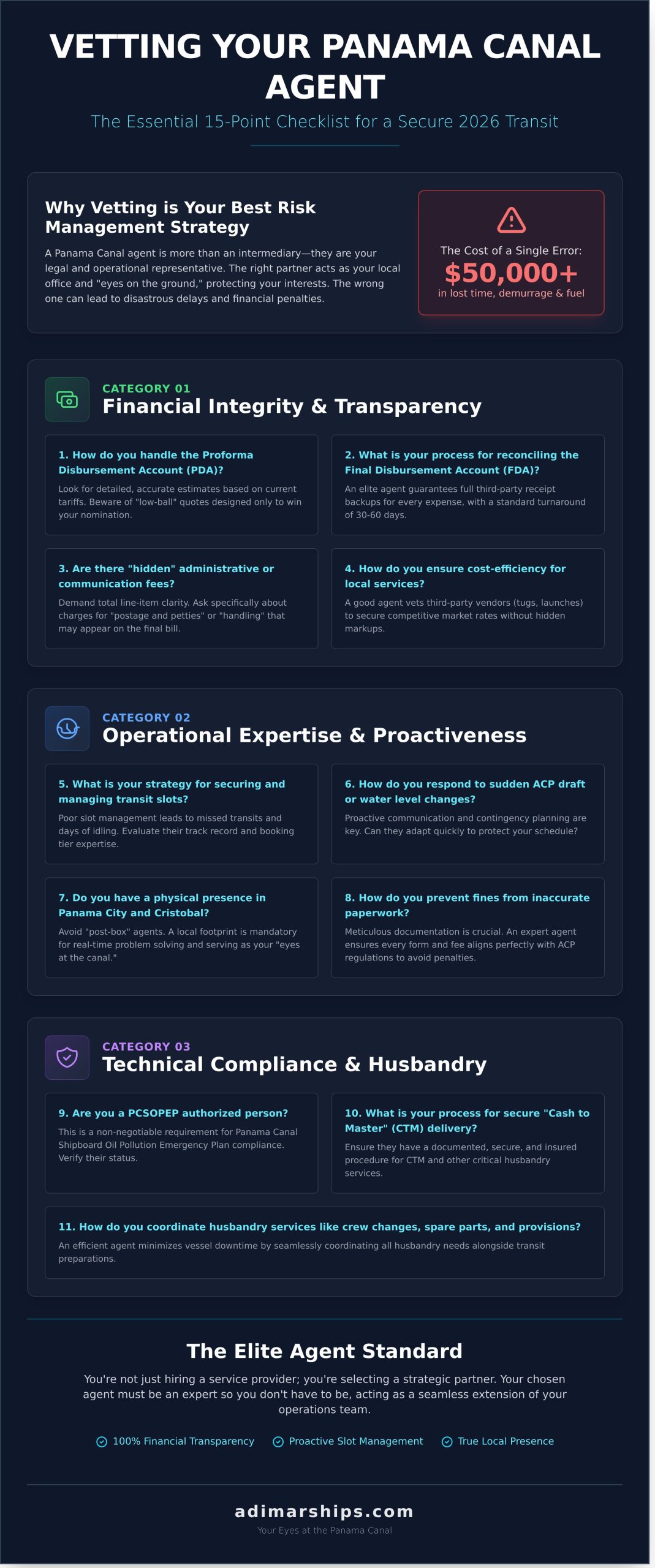
This article provides a strategic framework to help you master the vetting process for your next passage. We have compiled 15 essential questions designed to filter out unreliable agents, lower your overall transit costs through superior coordination, and provide the peace of mind that comes from expert oversight. We are experts at the Panama Canal so you don’t have to be; follow this checklist to secure a transparent, efficient, and cost-conscious transit for your fleet in 2026.
Key Takeaways
- Learn how to implement a high-stakes vetting strategy to prevent coordination errors that can cost your vessel over $50,000 in lost time.
- Identify the specific questions to ask a panama canal agent to expose low-ball Proforma Disbursement Account estimates and ensure financial transparency.
- Gain a framework for evaluating an agent’s ability to secure transit slots and navigate sudden ACP draft or water level changes.
- Ensure technical compliance by vetting for PCSOPEP authorized person status and secure husbandry services like “Cash to Master” processes.
- Discover how 20 years of local experience acts as your “eyes at the Panama Canal” to eliminate confusion and protect your commercial interests.
Why Vetting Your Panama Canal Agent is Your Best Risk Management Strategy
In the maritime industry, a Panama Canal Agent is far more than a simple intermediary; they are the shipowner’s legal and operational representative. They manage the high-stakes interface between your vessel and the Autoridad del Canal de Panamá (ACP). As we look toward the 2026 transit season, the landscape is shifting. With fluctuating water levels and the implementation of complex new booking tiers, the “good enough” approach to agency selection is a recipe for disaster. One of the most critical questions to ask a panama canal agent during your selection process is how they plan to mitigate the risk of a $50,000+ loss in time and fuel caused by a single coordination error.
To navigate the Panama Canal successfully in the current climate, shipowners must shift their mindset. You are not looking for a mere service provider; you are seeking a strategic partner. At Adimar Shipping, we believe we are experts so you don’t have to be. We see ourselves as your local office, providing the transparency and integrity required to protect your bottom line.
The Role of the Agent as Your ‘Eyes and Ears’
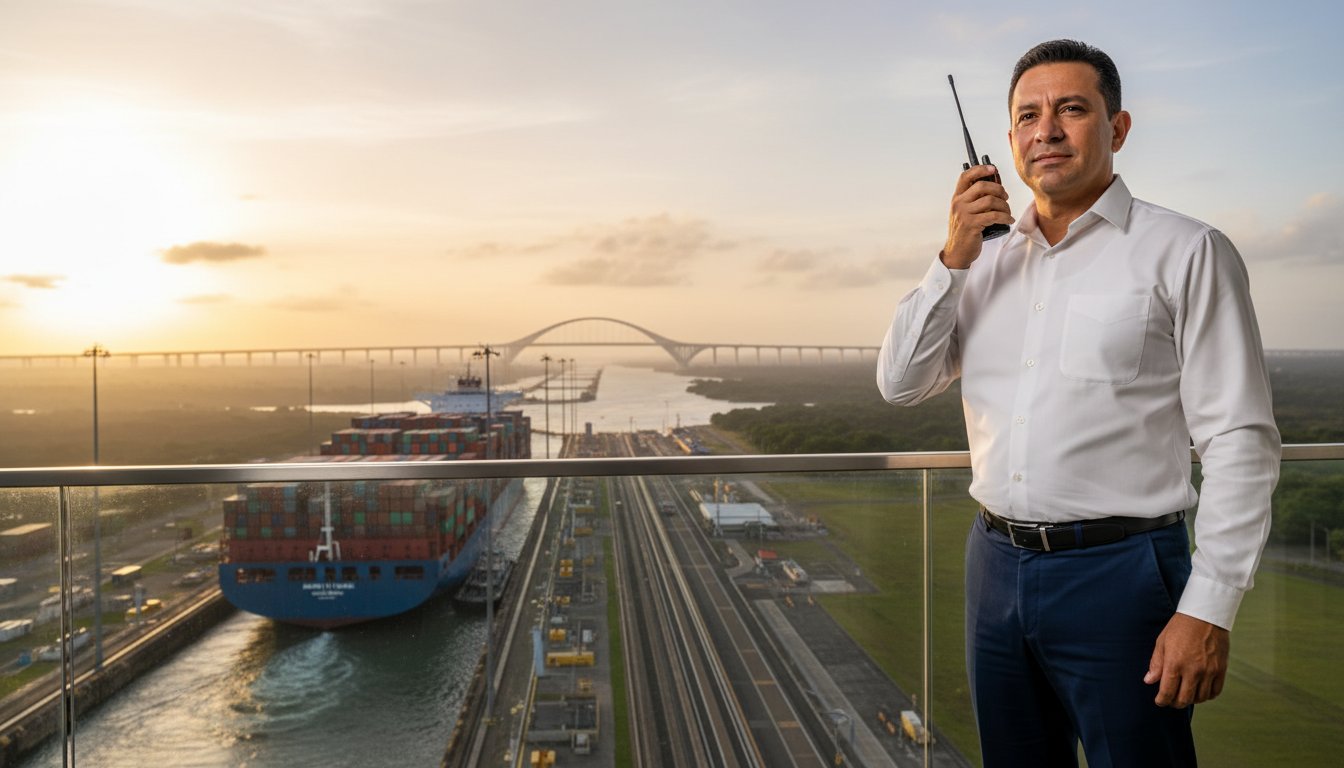
A true agent provides a physical presence where it matters most: Panama City and Cristobal. This local footprint is a prerequisite for real-time problem solving. Unlike “post-box” agents who merely relay messages, a proactive coordinator anticipates bottlenecks before they occur. Adimar Shipping acts as a seamless extension of your operations team, serving as your “eyes at the canal” to ensure that every document, fee, and requirement is perfectly aligned with ACP regulations.
Identifying the Financial Impact of Poor Vetting
Low agency fees are often a “smoke and mirrors” tactic that hides massive indirect expenses. When considering the right questions to ask a panama canal agent, focus on their track record with slot management. Poor coordination leads to:
- Missed Transit Slots: Forfeiting a slot can result in days of idling.
- Demurrage and Fines: Inaccurate paperwork often triggers avoidable pilotage or administrative penalties.
- Operational Delays: Lack of local influence can push your vessel to the back of the queue.
Transparency must start before the vessel even enters Panamanian waters. Choosing an agent based on integrity and expertise is the only way to ensure that “time is money” works in your favor, not against it.
Financial Integrity: Questions to Uncover Hidden Costs and DA Inconsistencies
In the maritime industry, time is money, but a lack of transparency can be even costlier. When preparing for your 2026 transit, the most critical questions to ask a panama canal agent revolve around financial management and accountability. You need a partner who acts as your local office, ensuring that every dollar spent is justified and documented. To avoid budget overruns, focus your inquiry on these four areas:
- How do you handle the Proforma Disbursement Account (PDA)? Beware of “low-ball” estimates designed to win your nomination. A professional agent provides a detailed, accurate PDA based on the latest Panama Canal Authority tariffs and specific vessel requirements.
- What is your process for reconciling the Final Disbursement Account (FDA)? Expect a standard turnaround of 30-60 days. If an agent cannot guarantee full third-party receipt backups for every expense, it is a major red flag.
- Are there any “hidden” administrative fees? Explicitly ask about “postage and petties,” “communication fees,” or “handling charges” that may not appear in the initial quote but show up on the final bill.
- How do you ensure cost-efficiency for local services? Inquire how they vet third-party vendors for launches, tugs, and pilotage to ensure you are receiving competitive market rates in Panama.
The Anatomy of a Transparent Disbursement Account
A professional Disbursement Account (DA) should offer total line-item clarity. At Adimar, we believe in being “your eyes at the Panama Canal,” which means providing 100% transparency. A red flag is any agent who refuses to provide original vendor receipts. We are experts so you don’t have to be; our cost-conscious approach ensures that local services are procured at fair market rates in USD ($) without hidden markups, protecting your bottom line from unnecessary “extra” charges.
Vetting for Financial Stability and Reputation
Longevity is a proxy for reliability in the Panama maritime sector. Look for an agency with at least 20 years of local operation to ensure they have the stability to handle large-scale transactions. A reputable agent maintains a strong relationship with the ACP regarding financial bonds, ensuring your vessel isn’t delayed by administrative hurdles. Additionally, understanding the distinction between an Owner’s vs. Charterer’s Nominated Agency is vital for protecting your specific financial interests. These are essential questions to ask a panama canal agent to ensure your 2026 transit is handled with integrity and precision.
Operational Expertise: Questions Regarding ACP Navigation and Emergency Response
When the stakes involve millions of dollars in cargo and tight delivery windows, the most critical questions to ask a panama canal agent revolve around their ability to navigate both the physical waterway and the administrative hurdles of the Panama Canal Authority (ACP). You need a partner who acts as your local office on the ground, anticipating disruptions before they manifest as costly delays. In the maritime world, we are your eyes at the Panama Canal, and our operational expertise is what ensures your vessel stays on schedule.
Navigating the ACP Bureaucracy
The Transit Slot Booking system is the heartbeat of canal operations, dictating the flow of global commerce through the isthmus. However, there is often a significant gap between the “Official” schedule and the “Actual” transit reality. Ask your agent how they manage this discrepancy. A top-tier agent maintains a proactive relationship with ACP pilots and port captains to ensure your vessel is prioritized. They must also stay updated on international compliance, including U.S. Customs and Border Protection regulations that may impact documentation for vessels heading to North American ports after transit.
Crisis Management and Real-Time Coordination
During the critical 8-to-12-hour transit window, communication must be instantaneous and authoritative. You should verify whether your primary point of contact is a dedicated agent with decision-making power or a generic call center. At the Gatun Locks or the Culebra Cut, there is no room for “we will get back to you.”
- What is your success rate in securing transit slots during peak congestion? With 2026 projected to see fluctuating traffic, you need an agent who understands the nuances of the auction system and pre-booking tiers.
- How do you handle sudden changes in ACP draft restrictions? When water levels drop, the ACP issues rapid adjustments. Your agent should provide quick solutions to adjust cargo or ballast to meet new requirements without losing your slot.
- Can you provide examples of handling a vessel mechanical failure? If a ship loses power in the locks, the costs in USD for emergency tugs and fines can be astronomical. Your agent must have an immediate emergency protocol to coordinate with ACP officials and minimize financial exposure.
- Who is the primary point of contact? You deserve a single, expert lead who manages the flow of information between the Master, the Owners, and the Canal pilots 24/7.
We are experts so you don’t have to be. By asking these operational questions, you ensure that your agent is not just a document processor, but a strategic partner capable of protecting your interests when things go wrong.
Technical Compliance: Vetting for PCSOPEP and Husbandry Capabilities
Misjudge your technical compliance and your transit stalls before it begins. At Adimar Shipping, we act as your eyes at the Panama Canal, ensuring every regulatory and logistical box is checked with precision. When finalizing your shortlist, the questions to ask a panama canal agent must extend beyond the transit slot itself and into the technical weeds of compliance and husbandry.
The Criticality of PCSOPEP Compliance
The Panama Canal Authority (ACP) mandates that all vessels over 400 gross tons (GT) maintain an updated Panama Canal Shipboard Oil Pollution Emergency Plan (PCSOPEP). A non-negotiable legal requirement is the designation of an “Authorized Person” (AP) residing in Panama. This individual serves as the 24/7 liaison between the vessel and the ACP in the event of a discharge or threat of one.
To ensure your vessel isn’t delayed by paperwork or inadequate coverage, ask the following:
- Are you officially certified to act as the “Authorized Person” for my vessel type?
- What is your proven response time for coordinating with local Oil Spill Response Organizations (OSRO)?
- Does your agency carry professional liability insurance that covers PCSOPEP administrative errors?
For a detailed breakdown of these technical requirements, see our PCSOPEP Compliance Guide.
Husbandry Services: The Difference Between a Transit and a Successful Port Call
A transit is a moving target, and your husbandry needs—crew changes, spare parts, and medical care—require a local office that understands that “time is money.” Effective husbandry is about the integrity of the logistics chain. You must verify how the agent manages the movement of critical ship spares from Tocumen International Airport (PTY) to the vessel at the locks or anchorage.
Furthermore, ensure the agent has a secure process for “Cash to Master” (CTM) deliveries, ensuring funds are handled safely in USD. When evaluating questions to ask a panama canal agent, don’t overlook the role of the Owners Protecting Agent (OPA). If a charterer has appointed the primary agent, you need a dedicated OPA to shield your interests, audit port DAs, and oversee crew welfare.
Key logistics questions include:
- What is your protocol for emergency seafarer repatriation and medical facility access in Panama City or Colon?
- How do you manage the “last mile” delivery of technical provisions to ensure they reach the vessel during the transit window?
We are experts so you don’t have to be. To ensure your 2026 transit is handled with transparency and local expertise, nominate Adimar Shipping as your trusted partner.
The Adimar Standard: How We Answer Your Toughest Questions
Navigating the Panama Canal involves more than just a sequence of locks; it requires a partner who understands the nuances of local regulations and maritime shifts. When reviewing the questions to ask a Panama Canal agent, the most critical factor is reliability. At Adimar, our 20+ years of experience provide the stability you need for a successful 2026 transit. We act as your “Eyes at the Canal,” providing a personalized service that eliminates confusion and anticipates challenges before they reach the bridge.
Integrity is our cornerstone. We understand that in shipping, time is money. Our commitment to financial integrity means you receive transparent, “no-surprise” billing in USD. We provide clear, itemized breakdowns of canal tolls, husbandry fees, and incidental costs, ensuring your final portage bill aligns perfectly with your initial quote. We are experts so you don’t have to be, allowing you to focus on your core operations while we manage the complexities of the Isthmus.
Why Adimar is Your Local Office in Panama
We serve as the vital link between international shipowners and the Panamanian authorities (ACP). Our Adimar Communication Protocol is designed for the modern fleet: we provide proactive, accurate reporting that keeps you informed at every milestone. Our clients often tell us that having Adimar on the ground feels like having their own staff in Panama City. With twenty years of successful transits, we have the local relationships and the technical expertise to resolve issues—such as draft restrictions or slot changes—before they become costly delays.
Next Steps: Securing Your 2026 Transit
The road to a smooth transit starts with a single point of contact. To begin, you can request a formal quote to initiate our vetting process. Once you are ready to proceed, the “Nomination” process is straightforward: simply name Adimar Shipping as your official representative to the ACP. We will then take the helm, managing all pre-arrival documentation, PCSOPEP requirements, and slot auctions.
When you are finalizing your list of questions to ask a Panama Canal agent, remember that local presence is the ultimate safeguard for your vessel. Nominate Adimar as your agent for a seamless Panama Canal transit today and experience the peace of mind that comes with true maritime expertise.
Secure Your 2026 Transit with Confidence
Navigating the complexities of the Panama Canal in 2026 requires more than just a service provider; it requires a strategic partner. As we’ve explored, vetting your representative for financial integrity and operational expertise is the most effective way to mitigate risk and avoid costly DA inconsistencies. By prioritizing the right questions to ask a panama canal agent, you ensure your vessel meets all technical requirements, including PCSOPEP compliance, while maintaining seamless husbandry support and navigation through the ACP.
At Adimar Shipping, we serve as your eyes at the Panama Canal. Celebrating 20 years of maritime excellence, we are an authorized PCSOPEP representative dedicated to providing a high-integrity, personalized ship agency experience. We are experts so you don’t have to be, ensuring every transit is handled with the transparency and efficiency your business demands. Don’t leave your 2026 schedule to chance—partner with a team that treats your vessel as their own and understands that time is money.
Get a personalized quote for your next Panama Canal transit from Adimar Shipping
We look forward to guiding you through a safe, efficient, and successful passage.
Frequently Asked Questions
What is the most important question to ask a Panama Canal agent?
The most critical question involves their specific strategy for managing transit slots under the current ACP booking system. You should ask, “What is your success rate in securing slots and how do you minimize wait times during periods of high congestion?” In the 2026 landscape, an agent must demonstrate a deep understanding of auction dynamics and booking tiers to ensure your vessel avoids costly delays and stays on schedule.
How do I know if a ship agent in Panama is actually authorized by the ACP?
Every legitimate agent must be registered with the Panama Canal Authority (ACP). You can verify an agent’s status by requesting their official ACP registration number and cross-referencing it with the “Authorized Shipping Agencies” list on the official pancanal.com portal. Working with a verified partner like Adimar Shipping ensures your funds are handled with integrity and that the agency is recognized by the Maritime Chamber of Panama.
What should be included in a standard Panama Canal Proforma Disbursement Account?
A transparent Proforma Disbursement Account (PDA) should provide a detailed breakdown of all anticipated costs, including ACP transit tolls, tugboat assistance, locomotive fees, and line handling. It must also clearly state the agency fee, government taxes (ITBMS), and specific surcharges like the Freshwater Surcharge. Avoid “all-in” quotes that lack detail, as these often hide unexpected costs that can disrupt your voyage budget during the 2026 season.
Can one agent handle both the transit and husbandry services like crew changes?
Yes, a full-service agent can efficiently manage both your transit coordination and husbandry requirements. Consolidating services such as crew changes, spare parts delivery, and bunkering under a single agent reduces communication gaps and can lower overall costs. By acting as your local office in Panama, a single agent ensures that all operational needs are met during the transit window without causing unnecessary delays to the vessel’s schedule.
What are the red flags of an unreliable shipping agent in Panama?
Key red flags include slow response times, vague pricing structures, and an inability to provide concrete references. One of the vital questions to ask a Panama Canal agent is how they handle contingency planning for unexpected canal closures or draft restrictions. If an agent cannot provide a clear, proactive communication plan or seems unfamiliar with the latest 2026 ACP regulations, they likely lack the expertise to protect your interests.
How much should I expect to pay for agency fees at the Panama Canal in 2026?
For 2026, standard agency fees typically range from $2,500 to $5,000 per transit, depending on the vessel’s size and the complexity of required services. While price is a factor, remember that “time is money” in the maritime industry. Choosing an agent based solely on the lowest fee can be a mistake; an experienced agent acts as your eyes at the Panama Canal, potentially saving you tens of thousands of dollars by preventing operational errors.
What is an Owner’s Protective Agent (OPA) and do I need one?
An Owner’s Protective Agent (OPA) is an independent party appointed by the ship owner to supervise the charterer’s agent. You should consider an OPA if you want a trusted partner to verify the accuracy of the PDA, oversee cargo documentation, and ensure that your specific interests are prioritized. Having an OPA provides an essential layer of financial oversight and peace of mind, ensuring that all local operations adhere to the highest standards of integrity.
How does an agent help with PCSOPEP compliance during the transit?
The Panama Canal Shipboard Oil Pollution Emergency Plan (PCSOPEP) is a mandatory requirement for vessels carrying significant amounts of fuel or oil. Your agent facilitates compliance by ensuring your plan is correctly formatted, submitted, and approved by the ACP before arrival. They also coordinate with authorized Oil Spill Response Organizations (OSROs) to ensure you have the necessary coverage, preventing heavy fines and ensuring your vessel is cleared for entry without delay.