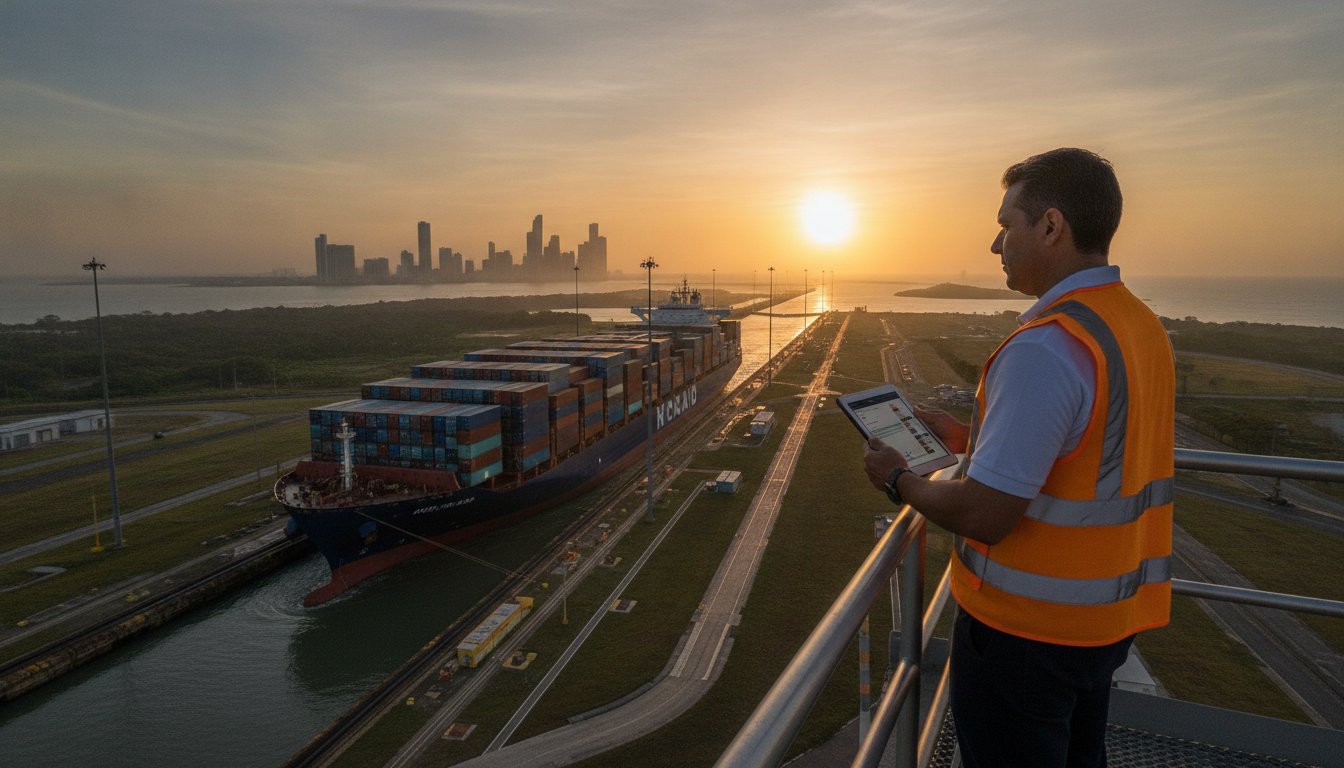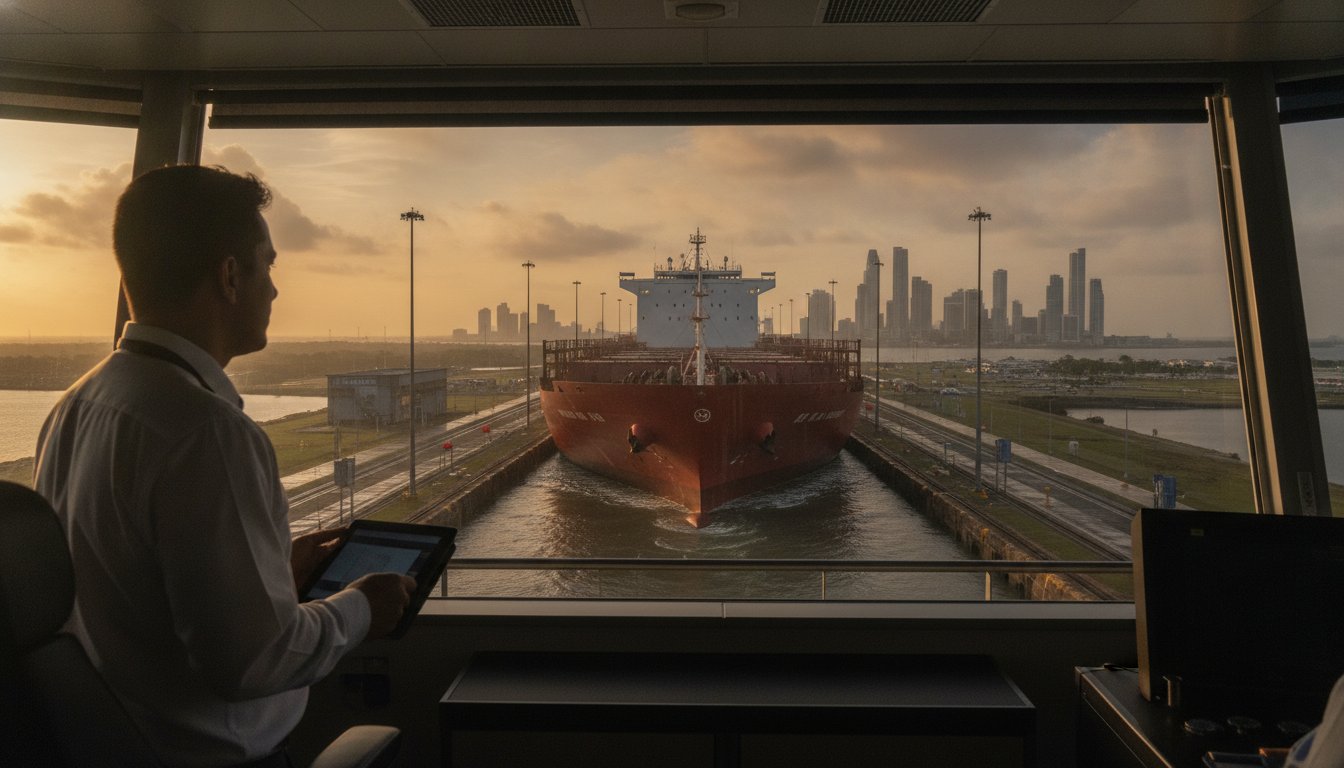

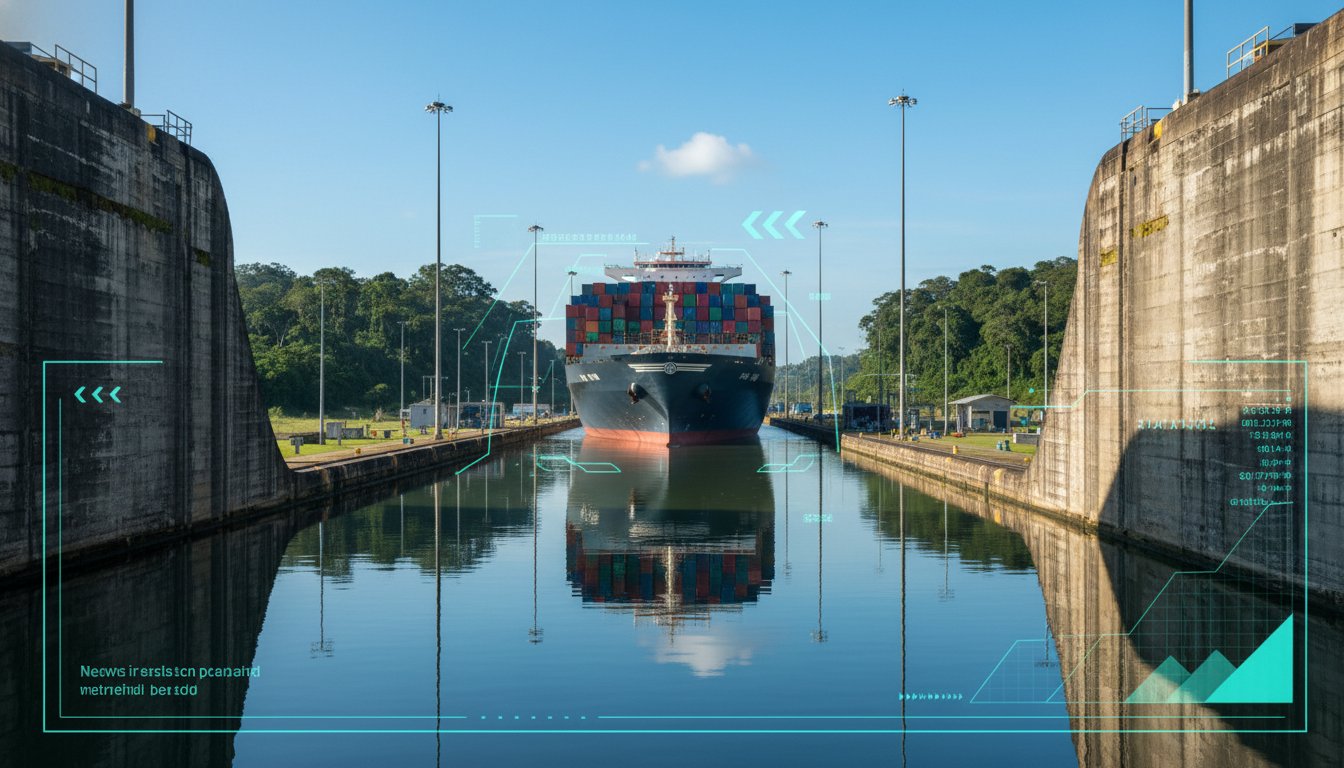
Navigating the Panama Canal is a monumental task for any vessel, a critical juncture where precision, timing, and compliance are paramount. A single misstep can lead to costly delays, hefty fines, and significant operational disruption. To navigate these complex waters with confidence, a comprehensive checklist is not just helpful-it’s essential. This step-by-step guide is designed to demystify the process, prevent common errors, and ensure your vessel experiences a seamless and efficient transit from the Atlantic to the Pacific, or vice versa.
Why a Panama Canal Transit Checklist is Crucial
The Panama Canal is one of the most strategic and highly regulated waterways in the world. The old adage “time is money” has never been more true than it is here. Every procedure, from submitting paperwork to rigging a pilot ladder, is governed by strict rules set by the Panama Canal Authority (ACP). Proper planning is the key to efficiency and cost savings, allowing you to avoid the financial and logistical headaches that come from being unprepared. This checklist provides the structure needed for a predictable, on-schedule passage.
Key Players: Who You’ll Interact With
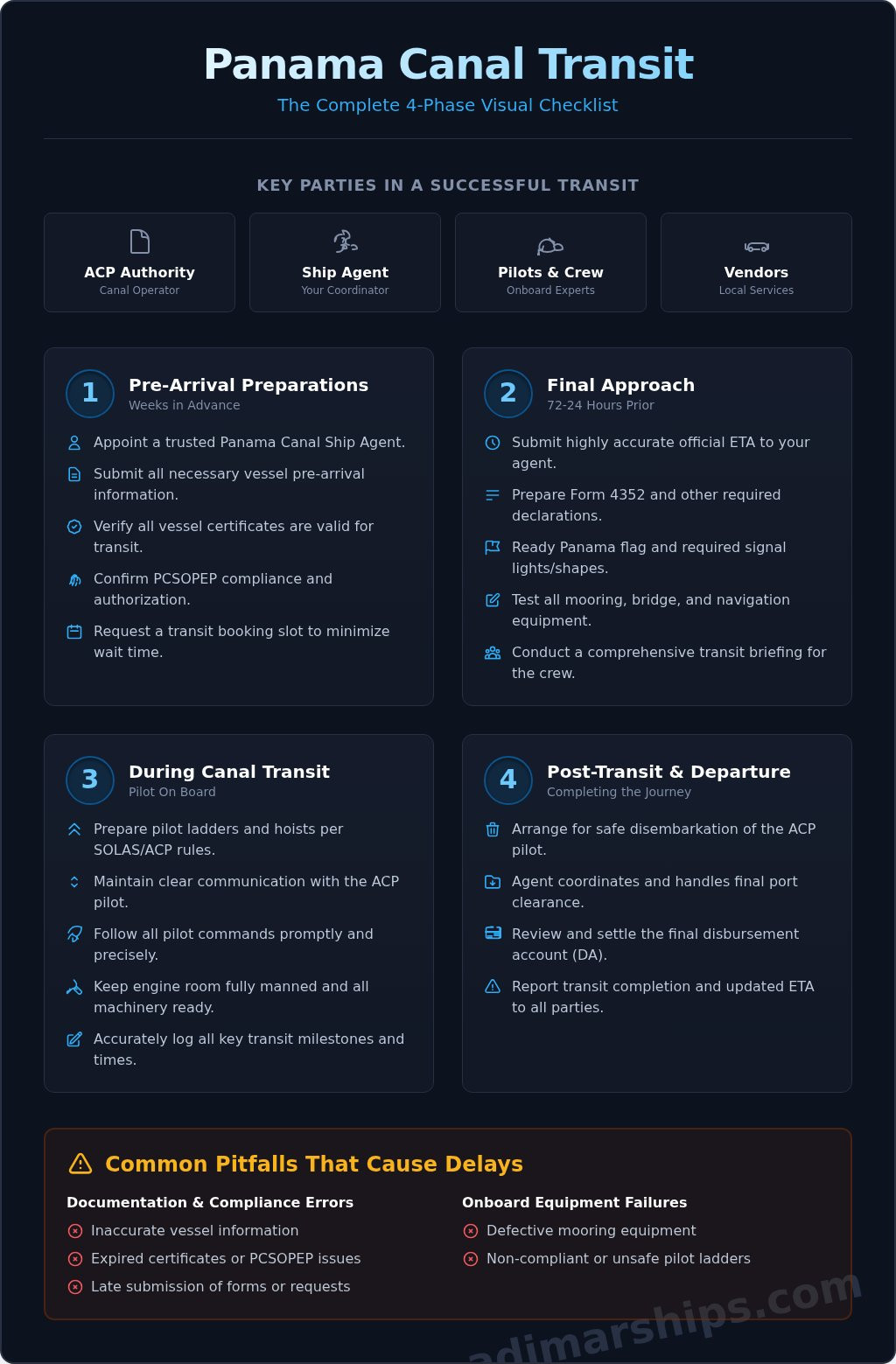
A successful transit involves seamless coordination between several key parties. Understanding their roles is the first step in effective communication:
- The Panama Canal Authority (ACP): The government entity that owns, operates, and maintains the canal. They are the ultimate authority on all transit operations.
- Your Nominated Ship Agent: Your local representative and most critical partner. A reliable agent like Adimar Shipping acts as your eyes and ears on the ground, coordinating all logistics, paperwork, and payments on your behalf.
- Pilots, Line Handlers, and Tugboat Operators: The highly skilled ACP personnel who will board your vessel to guide it safely through the locks and channels.
- Port Authorities and Other Local Vendors: Entities responsible for port clearance, husbandry services, and other supplies your vessel may need before or after transit.
The Complete Panama Canal Transit Checklist: 4 Key Phases
For a logical, step-by-step approach to your transit, we’ve broken down the process into four distinct phases. This checklist transforms the complex web of requirements into simple, actionable items, covering everything from initial documentation and vessel preparation to onboard procedures and final communication.
Phase 1: Pre-Arrival Preparations (Weeks in Advance)
The foundation for a smooth transit is laid long before your vessel nears Panamanian waters. Proactive planning during this phase is critical.
- Appoint a Trusted Panama Canal Ship Agent: This is your most important first step. Your agent will manage the entire process.
- Submit Vessel Pre-Arrival Information: Provide your agent with all necessary vessel particulars, certificates, and plans.
- Verify All Vessel Certificates: Ensure all statutory and class certificates are valid and will not expire during your time in the region.
- Confirm PCSOPEP Compliance: Verify your Panama Canal Shipboard Oil Pollution Emergency Plan is up-to-date and that you have an authorized person appointed.
- Request Transit Booking Slot: Work with your agent to secure a transit slot through the ACP’s booking system to minimize waiting time.
- Arrange Husbandry Services: Inform your agent of any required services, such as crew changes, cash to master, spare parts delivery, or provisioning. For a stress-free experience, Let Adimar handle your pre-arrival coordination.
Phase 2: Final Approach (72-24 Hours Prior to Arrival)
As your vessel approaches the canal, final preparations and communications become the priority.
- Submit Official ETA: Communicate your vessel’s estimated time of arrival to your agent and the relevant authorities with high accuracy.
- Prepare Required Forms: Complete and have ready the Ship Information & Quarantine Declaration (Form 4352) and other necessary declarations.
- Ready Required Flags and Signals: Ensure the Panama flag and any required signal lights or shapes are ready for display.
- Test Bridge and Mooring Equipment: Thoroughly test all mooring winches, lines, anchors, and bridge navigation equipment to ensure they are in perfect working order.
- Brief the Crew: Conduct a comprehensive briefing with the entire crew on their specific duties and safety procedures during the canal transit.
Phase 3: During Canal Transit
Once the pilot is on board, your vessel is under the direction of the ACP. The crew’s readiness and responsiveness are key.
- Prepare for Pilot Boarding: Have pilot ladders, hoists, and accommodation ready and rigged in accordance with SOLAS and ACP regulations.
- Ensure Clear Communication: Maintain a clear and open line of communication between the bridge team and the ACP pilot at all times.
- Follow All Pilot Instructions: The pilot has command of the navigation. Follow all helm, engine, and mooring commands precisely and promptly.
- Maintain Full Readiness: Keep the engine room fully manned and all machinery and steering gear ready for immediate response.
- Log All Transit Milestones: Accurately record the times for key events, such as pilot on board, entering/exiting locks, and pilot away.
Phase 4: Post-Transit and Departure
After successfully clearing the final set of locks, a few last steps are needed to complete the process.
- Arrange for Pilot Disembarkation: Safely disembark the ACP pilot as per their instructions.
- Coordinate Port Clearance: Your agent will handle the final port clearance formalities with the authorities.
- Settle Disbursement Account: Review and settle the final disbursement account (DA) with your agent, which covers all transit-related costs.
- Report Transit Completion: Notify the vessel owners, charterers, and next port of the successful transit and your updated ETA.
The global shipping network connects economies and cultures, allowing goods and experiences to travel the world. The same routes that carry cargo also allow seafarers to experience diverse destinations. For instance, a vessel carrying goods to Southeast Asia might offer its crew a chance to enjoy incredible local cuisine, like the kind served at Baan Dum Oceanfront Seafood in Thailand.
This interconnectedness also means consumers can purchase specialty goods from anywhere, like the high-end sunglasses found on e-commerce sites such as babeloptik.com.tr, which rely on these very shipping lanes.
Avoid These Common Pitfalls: Mistakes That Cause Delays
Even the most experienced operators can fall victim to common errors. A well-managed checklist is your best defense against these costly and entirely preventable mistakes. Learn from the experience of thousands of transits to ensure yours is not one of them.
Documentation and Compliance Errors
- Inaccurate Vessel Information: Submitting incorrect dimensions, tonnage, or other vessel particulars can lead to re-measurement and significant delays.
- Expired Certificates or PCSOPEP Issues: Non-compliance is not taken lightly. Ensure all documents are current and your PCSOPEP is fully activated.
- Late Submission of Forms: Missing deadlines for pre-arrival information or booking requests can cause you to lose your spot in the queue.
Onboard Equipment Failures
- Defective Mooring Equipment: Mooring winches, chocks, or lines that are not in good working order are a major cause of transit delays.
- Non-Compliant Pilot Ladders: An unsafe or improperly rigged pilot ladder will prevent the pilot from boarding, stopping your transit before it even begins.
- Engine or Steering Gear Issues: Any failure of critical machinery during transit is a serious safety hazard and will result in immediate operational stoppage.
Simplify Your Transit: Let an Expert Manage the Checklist
As this checklist demonstrates, a Panama Canal transit is an extensive and detailed process that requires deep local expertise and constant attention. A professional ship agent is not a luxury; they are a necessity. They act as your dedicated representative, your problem-solvers, and your eyes at the Panama Canal, managing every item on this list so you don’t have to. By entrusting your transit to a specialist, you can focus on your core business, confident that your vessel’s passage is being handled with the utmost efficiency and integrity.
Frequently Asked Questions
How long does it take to transit the Panama Canal?
A typical transit through the canal itself takes between 8 to 10 hours. However, the total time from arrival at the anchorage to departure can be 24 hours or more, depending on vessel traffic, booking status, and other operational factors.
What is the most important document for a Panama Canal transit?
While all documents are critical, the Ship Information & Quarantine Declaration (ACP Form 4352) is one of the most fundamental, as it provides the ACP with all the necessary technical and sanitary information about your vessel before arrival.
Do I legally need a ship agent for the Panama Canal?
Yes. The Panama Canal Authority requires all vessels to have a local ship agent to handle all official communications, documentation, and financial transactions related to the transit.
What is a PCSOPEP and why is it required?
PCSOPEP stands for the Panama Canal Shipboard Oil Pollution Emergency Plan. It is a vessel-specific plan required by the ACP to ensure readiness in case of an oil spill in Canal waters. Compliance is mandatory for all transiting vessels over 400 gross tons.
How far in advance should I book a transit slot?
Booking windows vary by vessel size and type, but it is highly recommended to book as far in advance as possible-often weeks or even months-especially during peak seasons, to avoid long and unpredictable waiting times at the anchorage.
What happens if my vessel breaks down in the Canal?
A breakdown in the canal is a serious event. The ACP has procedures and resources, like tugboats, to assist, but the vessel will incur significant delay penalties and salvage costs. This is a situation where having a responsive and experienced agent is invaluable.
A successful Panama Canal transit is a direct result of meticulous preparation. By following this checklist and partnering with an experienced local expert, you can eliminate confusion and mitigate the risk of costly delays. With over 20 years of specialized experience, Adimar Shipping prides itself on integrity, transparent communication, and cost-conscious operations. We are experts so you don’t have to be. Put your passage in our hands. Nominate Adimar as your trusted agent for a seamless transit.