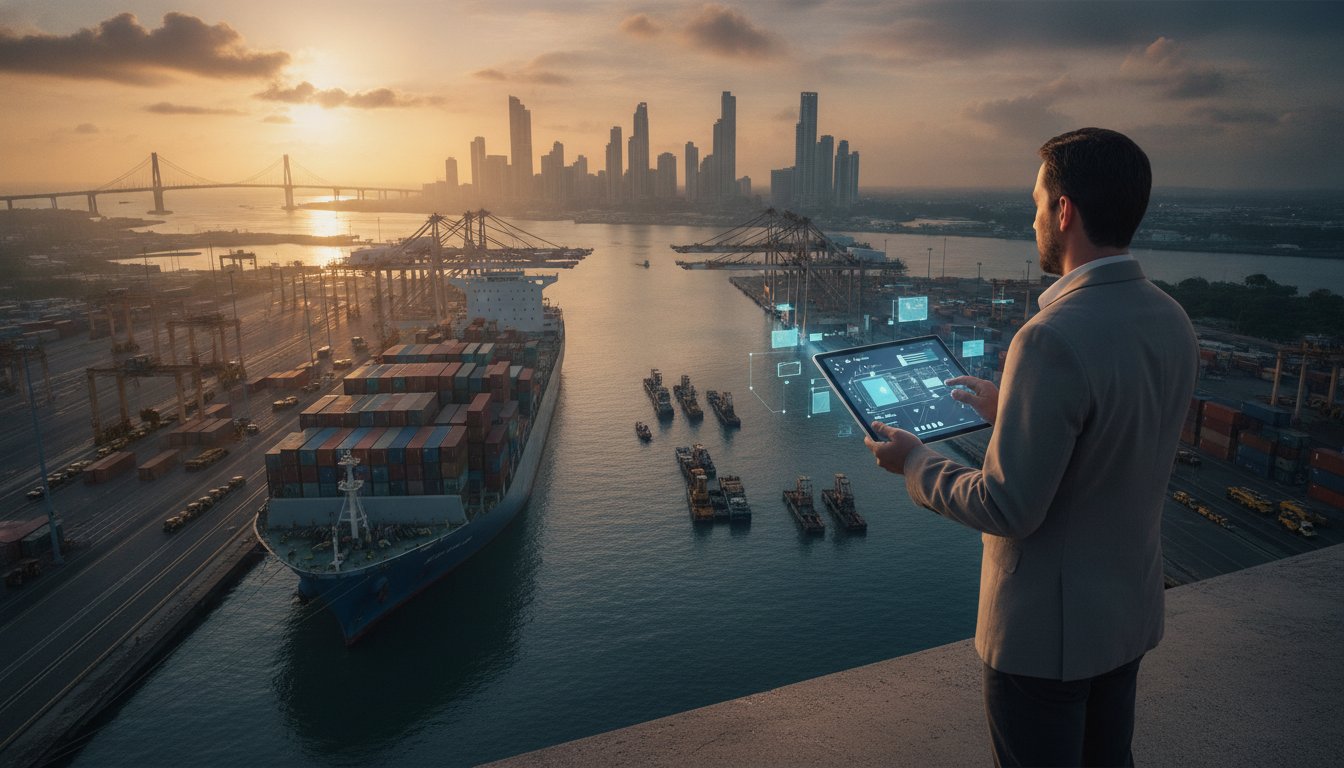

At the Panama Canal, every minute counts. Coordinating bunkering services in Panama with a tight transit schedule is a high-stakes challenge where a single misstep can lead to costly delays and demurrage charges. For ship operators, the pressure to find reliable suppliers, ensure fuel quality, and maintain compliance with MARPOL regulations is immense, turning a routine task into a source of significant frustration.
We understand that time is money, and confusion costs both. This expert guide is designed to be your trusted partner on the ground, providing the clarity and confidence you need for a seamless operation. We are experts so you don’t have to be. We’ll help you navigate the complexities of local procedures, supplier selection, and critical quality control to achieve a smooth, on-time bunkering operation with no surprises.
Read on to discover how to secure competitive and transparent fuel pricing, guarantee your fuel meets ISO 8217 standards, and ensure flawless coordination for a stress-free transit. It’s time to put your focus back on your business and let us handle the details.
Why Panama is a Premier Bunkering Hub for Global Shipping
Panama’s standing as a global maritime heavyweight is undeniable, primarily due to its strategic position at the nexus of the world’s most critical shipping lanes. The Panama Canal serves as a vital artery for international trade, creating a high-volume transit point where efficient refueling is not just an option, but a necessity. This constant flow of vessels has cultivated a highly developed and competitive market for bunkering services panama, offering ship owners and charterers significant advantages in both pricing and availability.
The intense competition among numerous suppliers-from global oil majors to trusted local providers-ensures favorable pricing for various fuel grades, including VLSFO and MGO. This dynamic environment, combined with world-class infrastructure and a commitment to international standards, makes Panama a reliable and cost-effective bunkering port of call for any vessel navigating the Americas.
Bunkering Zones: Pacific vs. Atlantic Entrances
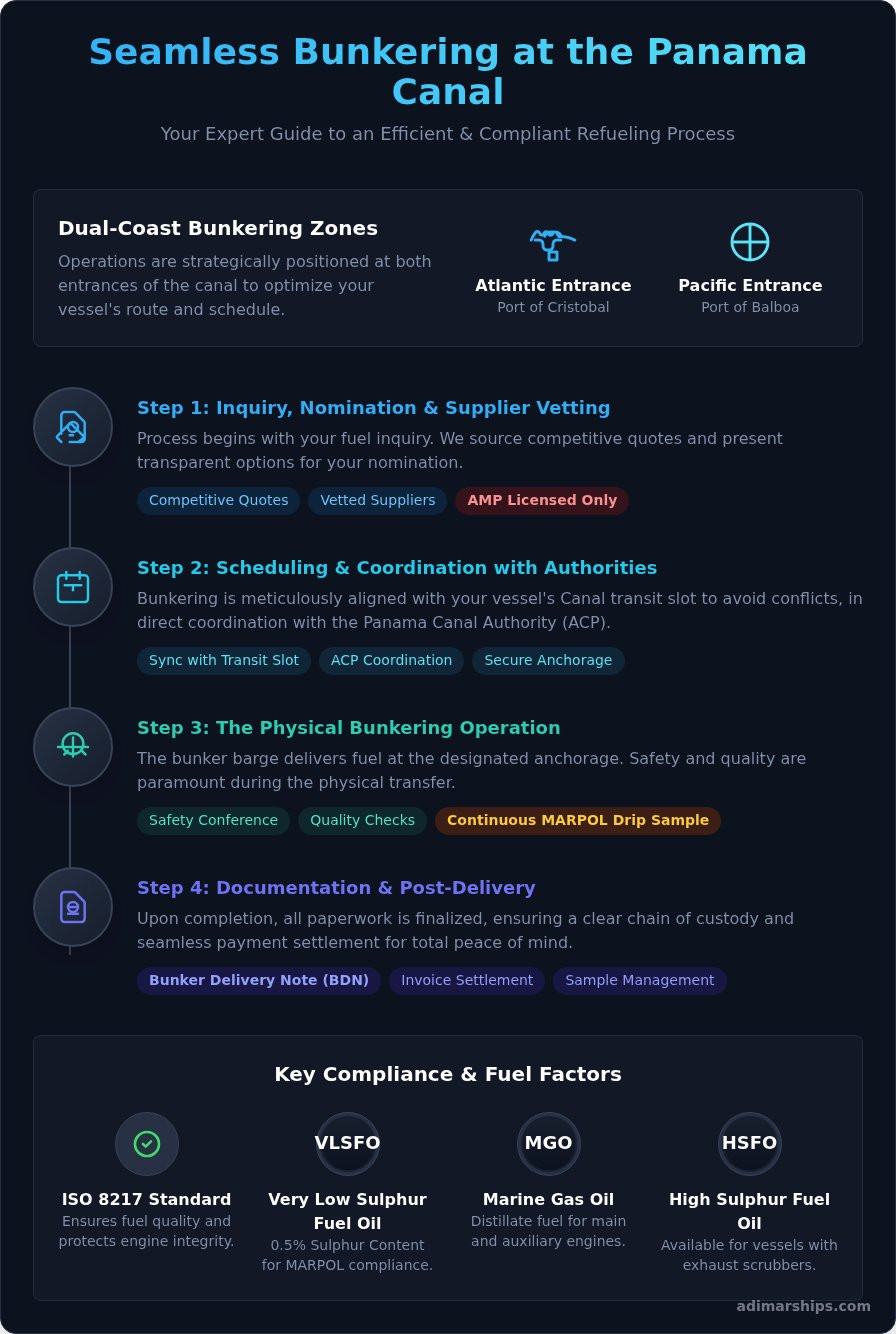
Operations are concentrated at both ends of the Canal. On the Pacific side, bunkering primarily occurs at the Port of Balboa anchorage, while the Atlantic operations are centered around the Port of Cristobal. The decision between the two depends on your vessel’s route, schedule, and potential congestion. A knowledgeable local agent provides crucial guidance to optimize timing and costs, ensuring a smooth and efficient refueling process.
Key Infrastructure and Fuel Storage Capacity
Panama’s reliability is backed by extensive infrastructure, including large-scale tank farms that guarantee a consistent and stable supply of marine fuels. These facilities support a sophisticated logistics network of modern bunkering barges. This system is designed to deliver fuel efficiently to vessels at both designated anchorage areas and alongside port berths, minimizing operational delays and helping you maintain a tight schedule.
Understanding the Supplier Landscape
The local market features a mix of major international oil companies and highly reputable independent physical suppliers. For your protection and to ensure compliance, it is critical to partner only with suppliers who are fully licensed by the Panama Maritime Authority (AMP). Working with an AMP-approved provider is your assurance that fuel quality meets ISO 8217 standards and that all operations adhere to strict safety and environmental regulations.
The Bunkering Process in Panama: A Step-by-Step Guide
In the fast-paced maritime world, time is money. A disorganized bunkering operation can lead to costly delays and operational headaches. At the Panama Canal, a well-executed process is paramount. As your trusted partner, we eliminate the confusion by managing every detail. This guide outlines the streamlined, four-step approach we use to deliver efficient bunkering services panama, ensuring your vessel is refueled on time and with integrity.
Step 1: Inquiry, Nomination, and Supplier Vetting
The process begins when you send a fuel inquiry to your nominated agent. We immediately leverage our extensive local network to source competitive quotes from reputable, fully-vetted suppliers. We present you with transparent options, allowing you to finalize the nomination based on fuel grade (VLSFO, MGO), required quantity, and the best available price. This proactive vetting ensures you receive quality fuel from a reliable source every time.
Step 2: Scheduling and Coordination with Canal Authorities (ACP)
Timing is everything. We meticulously align the bunkering schedule with your vessel’s confirmed Panama Canal transit slot to avoid any conflicts or delays. Our operations team coordinates directly with the Panama Canal Authority (ACP) to secure the appropriate anchorage assignment. We manage all communications, ensuring the vessel’s ETA and operational plan are clear to all parties, and that all activities comply with the official Panama Canal Bunkering Regulations.
Step 3: The Physical Bunkering Operation
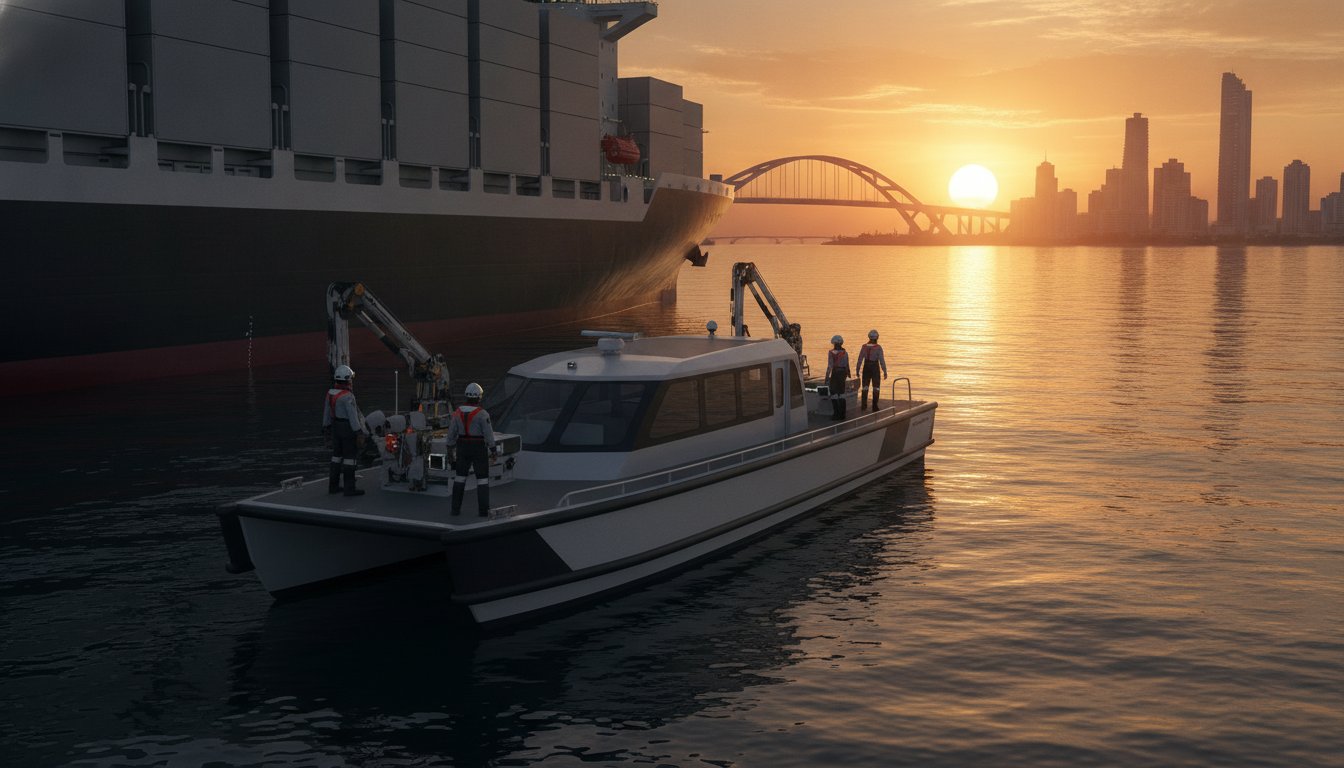
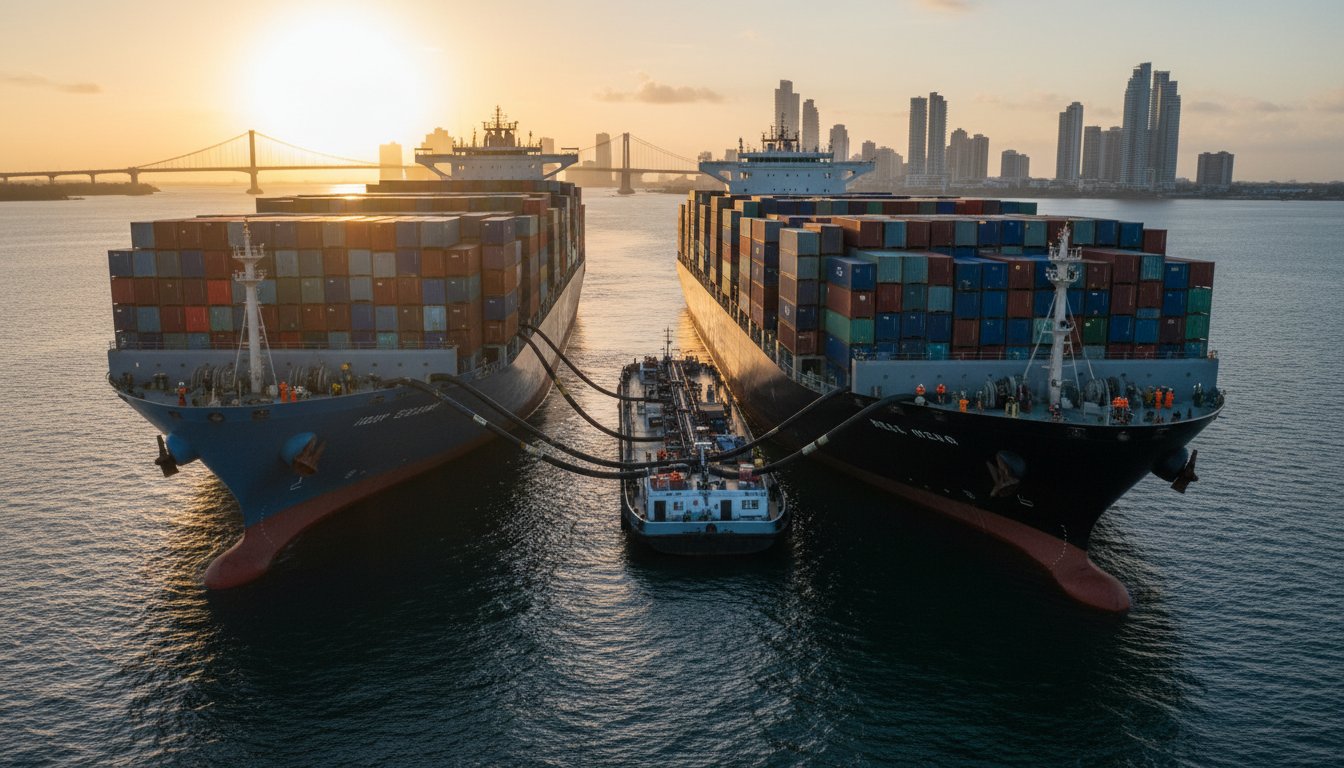
Once the bunker barge is alongside your vessel at the designated anchorage, the physical transfer begins. A critical pre-delivery conference is held between your vessel’s Chief Engineer and the Barge Master to confirm all details and safety procedures. Throughout the operation, a continuous MARPOL drip sample is taken. This crucial step ensures compliance and provides a certified, sealed sample for quality verification, protecting your interests.
Step 4: Documentation, Payments, and Post-Delivery
Upon completion, the Bunker Delivery Note (BDN) is presented for review and signature, confirming the exact quantity and specifications of the fuel delivered. As your agent, we handle the seamless settlement of the final invoice with the supplier. We also ensure the official fuel samples are properly labeled and stored, providing a clear chain of custody to swiftly resolve any potential discrepancies post-delivery, giving you complete peace of mind.
Critical Factors for a Successful Bunkering Operation
A successful bunkering operation is more than just a fuel purchase; it’s a complex logistical task where precision is paramount. In a bustling hub like the Panama Canal, misjudging technical details or regulatory requirements can lead to significant delays and financial penalties. In the maritime industry, time is money. Effectively managing the critical factors of fuel quality, quantity verification, and regulatory compliance is the key to a smooth and cost-effective refueling.
Available Fuel Grades in Panama
Panama’s suppliers offer all globally recognized marine fuel grades to meet diverse vessel needs. To comply with the MARPOL Annex VI global sulphur cap, the most common products delivered are Very Low Sulphur Fuel Oil (VLSFO) with 0.5% sulphur content and Marine Gas Oil (MGO). High Sulphur Fuel Oil (HSFO) remains readily available for vessels equipped with exhaust gas cleaning systems, commonly known as scrubbers.
Ensuring Fuel Quality: ISO 8217 and Bunker Sampling
Receiving off-spec fuel can cause catastrophic engine damage and void charter party agreements. To prevent this, your bunker nomination must always specify the required grade according to the latest ISO 8217 standard. During delivery, the most critical step is taking a representative drip sample. This procedure must be done correctly:
- The sample should be taken via a continuous drip at the vessel’s receiving manifold.
- It must be witnessed by both the supplier’s and the vessel’s representatives.
- The final sample is divided into multiple sealed bottles for the supplier, the vessel, MARPOL, and potential third-party analysis.
Engaging a third-party laboratory for analysis provides an impartial report, protecting your interests and preventing costly disputes over fuel quality.
Navigating Local Regulations and AMP Requirements
All bunkering services panama are strictly regulated by the Panama Maritime Authority (AMP). Compliance is not optional. Operators must adhere to mandatory pre-transfer safety checklists, rigorous safety procedures, and stringent anti-pollution measures. An oversight can result in heavy fines and operational stoppage. Working with a trusted local agent eliminates this risk. We are experts so you don’t have to be. We act as your eyes at the Canal, ensuring every AMP protocol is followed meticulously for a seamless, compliant operation. Put your transit in our hands and we will eliminate the confusion.
The Crucial Role of Your Ship Agent in Streamlining Bunkering
Navigating the complexities of bunkering in Panama requires more than just finding a supplier; it demands expert coordination and local insight. It’s a critical distinction to make: Adimar is not a fuel supplier. We are your dedicated ship agent-your trusted partner and representative on the ground. As your eyes and ears at the Canal, our mission is to manage the entire process with integrity, ensuring efficiency, cost-effectiveness, and complete protection of your interests.
Your Single Point of Contact for All Coordination
The logistics of bunkering involve communication with multiple parties, from the fuel supplier and the Panama Canal Authority (ACP) to pilots and launch services. Managing these moving parts from afar is a significant burden. Adimar eliminates this complexity by acting as your single, reliable point of contact. We handle all operational communication and provide 24/7 updates, allowing your vessel’s master and operators to focus on their core duties: safe navigation and cargo operations.
Leveraging Local Knowledge for Efficiency and Cost Savings
In a competitive market like Panama, local expertise translates directly into savings. We understand that time is money. Our proactive approach to coordinating bunkering services panama ensures your vessel’s schedule is optimized to reduce waiting times and avoid costly delays. Our value includes:
- Competitive Sourcing: We leverage our deep market knowledge and relationships to connect you with reliable, vetted suppliers offering competitive pricing.
- Proactive Scheduling: We coordinate with all parties to secure an efficient bunkering slot that aligns with your Canal transit or port call, minimizing demurrage risk.
- Problem Prevention: We anticipate potential operational issues-from weather delays to documentation snags-and implement solutions before they become expensive problems.
Ensuring Transparency and Protecting Your Interests
Integrity is the foundation of our service. We are physically present to oversee the entire operation, confirming that all safety protocols and correct procedures are strictly followed. Our team meticulously reviews all critical documentation, including the Bunker Delivery Note (BDN), to verify quantities and specifications, protecting you from potential disputes. This on-the-ground vigilance ensures you receive exactly what you paid for, every time. Don’t leave your vessel’s efficiency to chance.
Put your transit in our hands; nominate Adimar as your agent.
Partner with Adimar for Seamless Bunkering Operations in Panama
Successfully navigating the bunkering process in Panama hinges on understanding its strategic advantages and meticulously planning each step. From supplier selection to operational coordination, every detail matters. As we’ve explored, a knowledgeable and proactive ship agent is not just a facilitator but a critical partner in ensuring your operations are timely, efficient, and cost-conscious. This is the key to leveraging Panama’s world-class maritime infrastructure without costly delays.
When it comes to expert bunkering services panama, you need a partner on the ground you can trust. With over 20 years of dedicated service at the Panama Canal, Adimar Shipping is that partner. We are your eyes and ears, providing proactive communication and 24/7 support to eliminate confusion and streamline every requirement. We are experts so you don’t have to be.
Ensure your vessel’s needs are met with integrity and efficiency. Request a quote to have Adimar coordinate your vessel’s bunkering needs and experience the peace of mind that comes with having your trusted partner for efficient and cost-conscious operations by your side.
Frequently Asked Questions About Bunkering in Panama
Can bunkering be performed while my vessel is at anchor waiting for its Canal transit?
Yes, bunkering at anchorage is a standard and highly efficient procedure in Panama. Operations can be conducted at both the Pacific and Atlantic anchorages while your vessel awaits its turn for Canal transit. This practice maximizes your vessel’s time, ensuring it is fully prepared for its onward voyage without incurring delays. Adimar Shipping coordinates seamlessly with suppliers and authorities to ensure a smooth and timely refueling process, turning downtime into productive time for your operations.
What is the standard procedure if there is a dispute over the quantity of fuel delivered?
In the rare event of a quantity dispute, immediate and transparent action is crucial. The standard procedure involves the vessel’s Chief Engineer issuing a Letter of Protest to the bunker barge. We then arrange for an independent surveyor to verify all measurements and calculations. As your trusted agent, Adimar Shipping acts swiftly on your behalf, managing the entire process to protect your interests and work towards a fair resolution based on factual evidence and industry best practices.
How much advance notice is required to arrange for bunkering services in Panama?
To ensure optimal pricing and supplier availability, we recommend providing at least 48-72 hours of advance notice. This allows us to secure competitive quotes and coordinate logistics for your bunkering services in Panama. While we are equipped to handle urgent requests, more notice generally results in better terms. We understand operational needs can change, and our team leverages strong supplier relationships to provide quick, reliable solutions even on a shorter timeline. Early communication is always best.
What are the MARPOL Annex VI requirements that apply in Panamanian waters?
Panamanian waters, including the Panama Canal, strictly enforce MARPOL Annex VI regulations. This means all vessels must use fuel with a maximum sulfur content of 0.50% m/m (mass by mass), in line with the IMO 2020 global standard. There are no Emission Control Areas (ECAs) in Panama requiring a lower 0.10% limit. Adimar ensures that all our nominated bunker suppliers provide fully compliant VLSFO (Very Low Sulphur Fuel Oil) or MGO (Marine Gas Oil) with proper documentation.
How does Adimar Shipping vet and select the bunker suppliers it works with?
Our reputation is built on integrity, which is why our supplier vetting process is rigorous. We only partner with bunker suppliers who are fully licensed by the Panama Maritime Authority (PMA) and have a proven track record of reliability and quality. Key selection criteria include financial stability, adherence to ISO 8217 fuel quality standards, and a history of transparent, dispute-free operations. We act as your eyes on the ground, ensuring every supplier meets our high standards before they service your vessel.
This principle of partnering with established experts applies across industries. For example, in large-scale commercial hardscaping, project managers often explore Interlocking Paver Systems for their proven durability and long-term value.
What happens if adverse weather conditions affect the bunkering schedule?
Safety is our absolute priority. If adverse weather, such as high winds or heavy swells, makes bunkering operations unsafe, the procedure will be postponed. Our team maintains constant communication with the port authorities, the bunker supplier, and your vessel’s master. We will immediately inform you of the delay and provide a revised, realistic schedule as soon as conditions are deemed safe to proceed. Our goal is to minimize disruption and keep you fully updated at every step.