
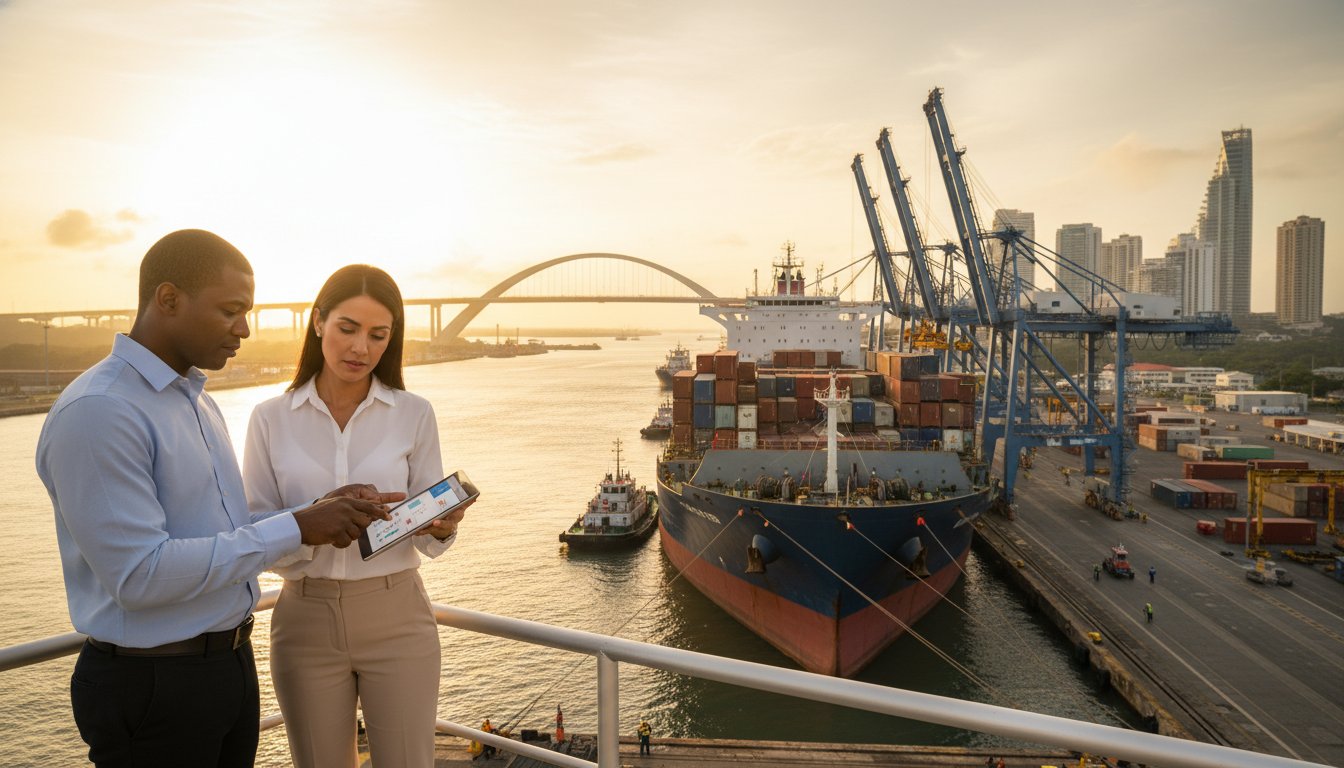
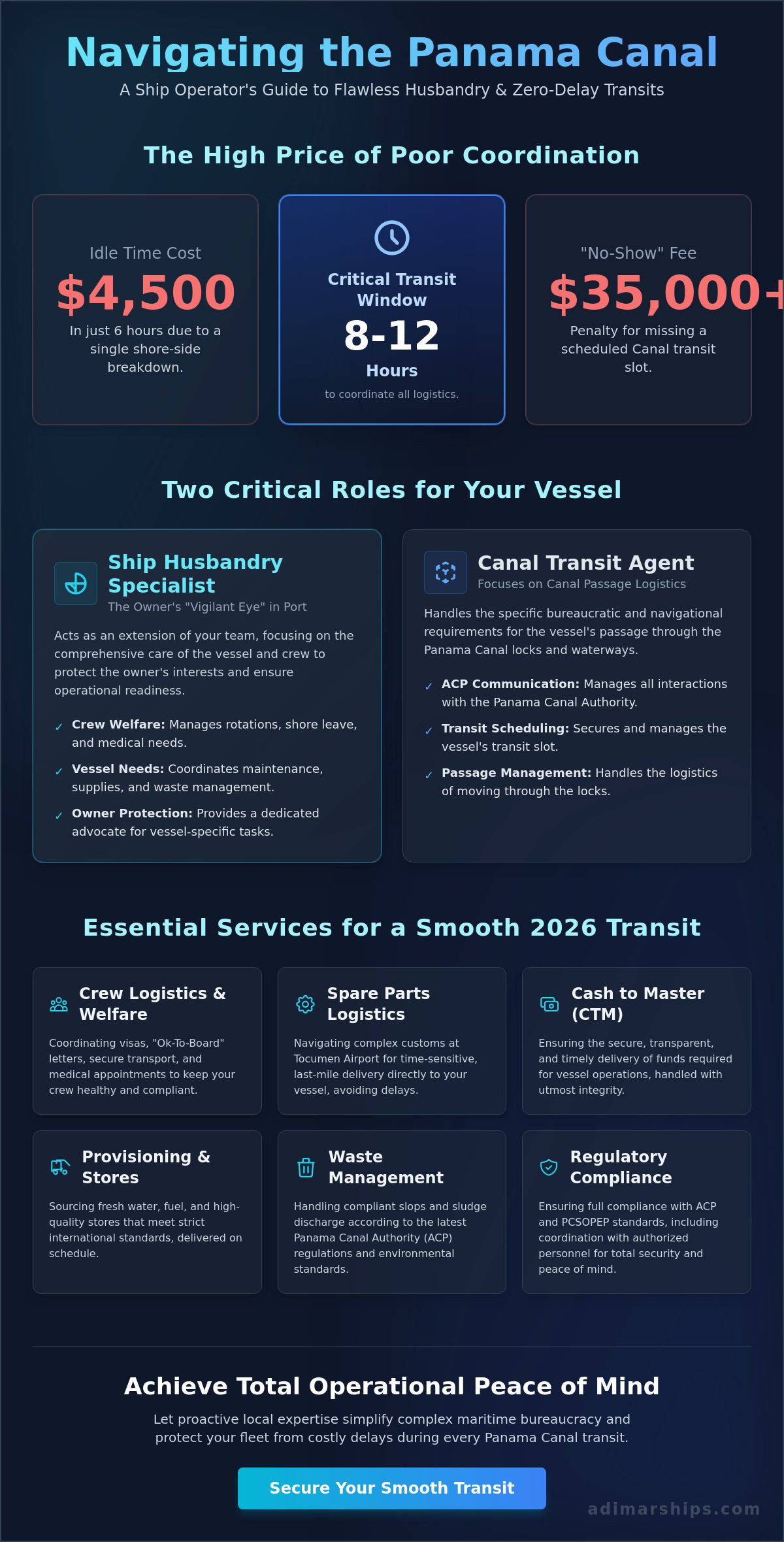
A single breakdown in shore-side coordination at the Port of Balboa can cost your operation $4,500 in just six hours of idle time. In the high-stakes race against the transit clock, local vigilance is your only safeguard against such heavy financial penalties. You’ve likely felt the pressure of coordinating complex crew logistics and spare parts deliveries within a narrow 8 to 12 hour window. It’s a logistical puzzle where missing a scheduled slot leads to “no-show” fees exceeding $35,000. Our guide to panama canal ship husbandry services provides the expert roadmap you need to navigate these complexities with confidence and precision.
We understand that managing a vessel’s non-cargo needs requires more than just a port agent; it requires a proactive partner on the ground. You’ll learn how to achieve zero-delay transits while maintaining full compliance with ACP and PCSOPEP regulations through 2026. This guide previews the essential strategies for cost-efficient supply coordination and explains how to delegate specialized tasks to ensure operational freedom and total security for your fleet.
Key Takeaways
- Distinguish between cargo operations and essential vessel support to ensure your ship receives comprehensive care during every port call.
- Master the logistics of panama canal ship husbandry services, from managing ‘Ok-To-Board’ letters for crew changes to navigating customs for last-mile spare parts delivery.
- Learn how to synchronize support tasks with your transit schedule to protect your operation against the $35,000 “no-show” fees and idle time costs.
- Identify the critical compliance requirements for 2026, including the role of a PCSOPEP authorized person in meeting Panama Canal Authority standards.
- Discover how proactive local oversight and deep regional expertise can simplify complex maritime bureaucracy and provide total operational peace of mind.
What Are Panama Canal Ship Husbandry Services?
Efficient maritime operations rely on more than just moving cargo from point A to point B. While cargo brokering focuses on the hold, ship husbandry focuses on the vessel itself and the people who operate it. At its core, husbandry is the comprehensive care of vessel and crew requirements during port calls. In a high-traffic zone like the Isthmus, panama canal ship husbandry services act as the vital link between a ship’s master and the local resources required to keep the voyage on track. To understand the scale of these logistical needs, a Panama Canal overview reveals the sheer volume of global trade passing through this waterway, where even minor delays in shore-side support can lead to massive financial losses.
We view our role through the lens of a “Vigilant Eye.” This isn’t just about delivering supplies; it’s about providing a local representative who acts as an extension of the shipowner’s own team. In Panama, standard husbandry isn’t enough. The environment demands specialized husbandry that understands the specific pressures of the Panama Canal Authority (ACP) schedules. We provide the local oversight necessary to protect your interests, ensuring that every delivery and crew movement is synchronized with your transit window.
The Core Components of Vessel Support
Vessel support in Panama is a multi-faceted operation that requires precise coordination. We manage the essential non-cargo details that keep a fleet operational and compliant. These components include:
- Crew welfare: We manage the complexities of shore leave logistics, dental and medical appointments, and crew rotations to ensure your team remains healthy and motivated.
- Vessel maintenance: Our team coordinates essential repairs and underwater surveys, ensuring technical issues are addressed without disrupting the transit schedule.
- Administrative support: We handle the heavy lifting of local maritime documentation, permits, and cash to master, simplifying the bureaucratic burden on the captain.
Husbandry vs. Ship Agency: Understanding the Difference
It’s vital to distinguish between a transit agent and a husbandry specialist. A transit agent focuses on the Panama Canal transit itself, managing the locks and ACP communication. In contrast, a husbandry specialist focuses on the owner’s specific needs. Separating these roles often protects the owner’s interests by providing a dedicated advocate for vessel-specific tasks. Adimar acts as a protective ships agency to oversee transit agents, ensuring that every aspect of the stay is managed ethically and efficiently. This includes coordinating with the PCSOPEP authorized person to maintain environmental compliance, giving you total peace of mind while your vessel moves through the region.
Essential Husbandry Services for a Smooth 2026 Transit
Poorly coordinated panama canal ship husbandry services lead to more than just operational frustration. They trigger expensive demurrage. When a vessel is forced to wait for a late delivery or a missing crew member, the transit clock doesn’t stop. We’ve seen how a single breakdown in shore-side coordination can cost $4,500 in just six hours of idle time. Success in 2026 requires a proactive partner who treats your schedule with the same urgency as your own team. Our focus remains on eliminating these bottlenecks through precise, local oversight.
Effective husbandry involves managing a diverse range of non-cargo requirements that are critical to vessel performance. These include:
- Crew Changes: Coordinating visas, “Ok-To-Board” letters, and secure transport.
- Spare Parts Logistics: Navigating complex customs at Tocumen Airport for last-mile delivery.
- Cash to Master (CTM): Ensuring the secure and transparent delivery of funds for vessel operations.
- Provisioning: Sourcing fresh water, fuel, and high-quality stores that meet international standards.
- Waste Management: Handling compliant slops and sludge discharge according to the latest Panama Canal Authority (ACP) rules.
Crew Logistics and Welfare Management
Managing international seafarers in 2026 involves navigating evolving visa requirements. We handle the paperwork for ‘Ok-To-Board’ status to ensure your crew moves through Panama without administrative delays. Beyond transport, we prioritize seafarer welfare by coordinating medical services for crew in Panama. Whether your vessel is at Balboa or Cristobal, we provide seamless airport-to-vessel transfers. This keeps your team healthy and your schedule intact.
Technical Supply and Spare Parts Coordination
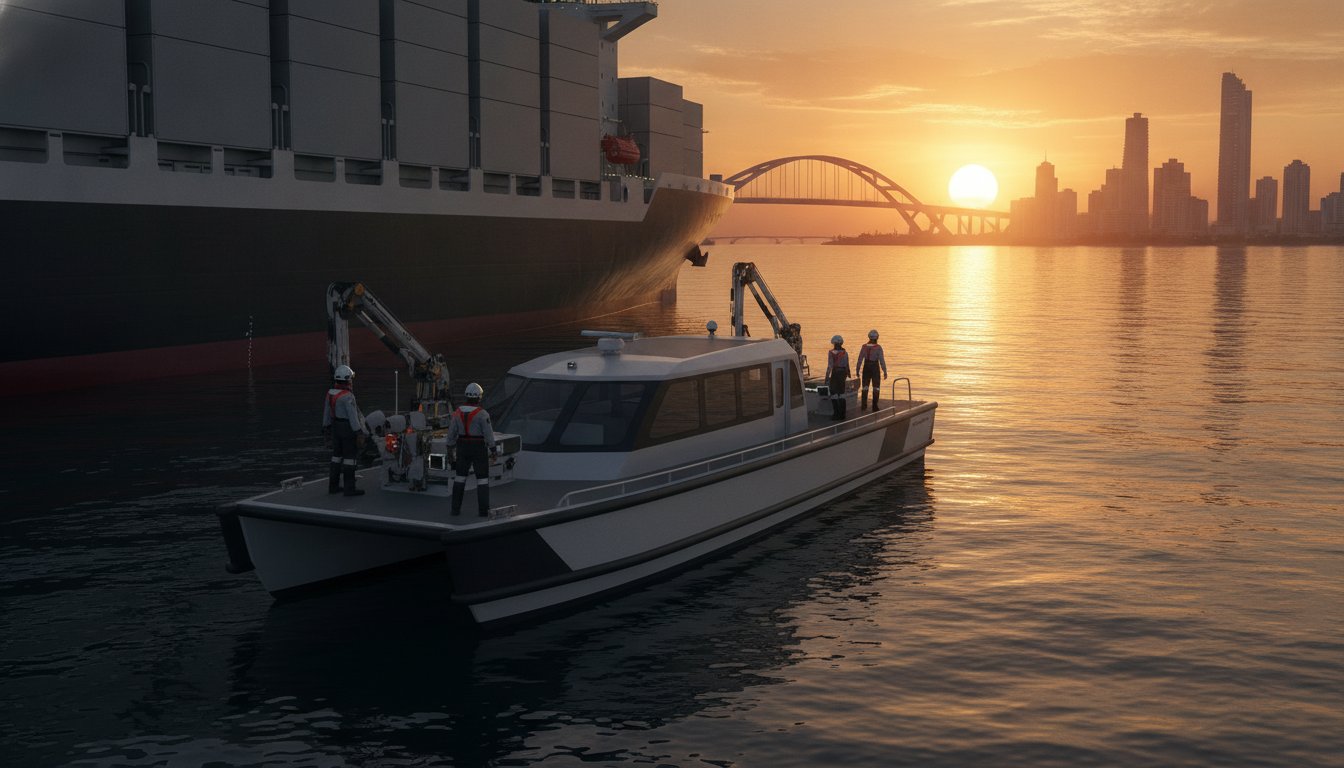
Technical failures don’t wait for a convenient time. When critical engine spares arrive at Tocumen Airport, our team works to clear customs immediately. We use specialized launch services for mid-stream delivery at canal anchorages, ensuring parts reach the ship even while it’s waiting for its transit slot. This last-mile vigilance is what separates a successful transit from a costly delay. If you’re planning an upcoming voyage, our team at Adimar Shipping can help you synchronize these logistics perfectly.
Unlike global agencies that manage from a distance, we provide on-the-ground security for Cash to Master deliveries. We follow strict protocols to protect your funds and provide clear documentation for every transaction. This level of detail ensures that your vessel operations remain funded and compliant without the risk of local bureaucracy slowing you down.
The Critical Timing of Husbandry During Canal Transit
Timing isn’t just a factor in maritime logistics; it’s the defining constraint of the entire waterway. Many providers treat husbandry as a static checklist, but we view it as a dynamic race against the transit clock. The 8 to 12 hour window for a Panama Canal transit is unforgiving. If a crew member arrives late or a spare part is delayed at the port gate, you risk missing your scheduled slot entirely. This lack of coordination doesn’t just cause stress; it causes a cascade of logistical failures that can disrupt an entire voyage.
Effective panama canal ship husbandry services require a presence at both the Pacific (Balboa) and Atlantic (Cristobal) terminals. We monitor vessel movements in real-time to ensure that all shore-side support is ready the moment your ship reaches the anchorage. Missing a transit slot is a financial disaster. According to 2026 operational guides, “no-show” fees for missing a scheduled transit can exceed $35,000. When you add the cost of wasted fuel and the risk of off-hire claims, the price of poor coordination becomes unsustainable. We eliminate this risk through proactive, local oversight.
Anchorages and Launch Coordination
The anchorages at Balboa and Cristobal serve as the primary staging grounds for your vessel’s needs. We synchronize launch services to meet your ship during the critical pre-transit phase, ensuring that crew changes and supply deliveries happen without interrupting the vessel’s progress. In 2026, weather considerations remain a vital factor. Sudden tropical squalls can disrupt launch operations, so our team builds strategic buffers into every delivery plan. We stay vigilant so that environmental changes don’t become operational delays.
The Financial Impact of Delays
Every minute of idle time eats into your profit margins. Beyond the immediate ACP fines, uncoordinated logistics lead to demurrage and contractual disputes with charterers. Our role is to act as your protective shield against these unnecessary costs. By maintaining a constant flow of communication between the vessel, the port, and the suppliers, we ensure that your transit remains a “zero-delay” operation. In one specific case, our team saved a client 12 hours of idle time by clearing a critical engine component through customs before the vessel even arrived at the Pacific anchorage.
Delegating these complex tasks to a specialized partner provides the operational freedom you need to focus on the voyage itself. We don’t just deliver services; we deliver security. By managing the tight synchronization required at the canal, we ensure your vessel moves through the region with maximum efficiency and minimum financial risk.
Compliance and Regulatory Standards in Panama
Compliance in Panama isn’t a secondary concern. It’s the foundation of your operational security. While earlier sections focused on the speed of panama canal ship husbandry services, speed means nothing if a regulatory oversight halts your transit. The Panama Canal is one of the most strictly regulated waterways in the world. Failing to meet environmental or administrative standards doesn’t just cause delays; it invites heavy financial penalties. We act as your on-the-ground shield, ensuring every detail aligns with local and international law.
A critical part of this framework is the PCSOPEP authorized person. Every vessel must have a dedicated representative to manage the Shipboard Oil Pollution Emergency Plan. This role is deeply intertwined with husbandry. We ensure that your vessel’s documentation is current and that all local waste disposal protocols align with MARPOL standards. Non-compliance with environmental laws can result in fines exceeding $10,000, making expert oversight a financial necessity rather than an optional service.
ACP Requirements for 2026
Staying ahead of the Panama Canal Authority (ACP) requires constant vigilance. In 2026, the ACP continues to emphasize documentation accuracy for vessel entry. Mandatory inspections are common, and a husbandry agent’s role is to facilitate these visits so they don’t disrupt your schedule. For instance, first-time transits require a mandatory admeasurement for the Universal Measurement System (PC/UMS), which carries a fee of around $1,100. We coordinate these administrative hurdles so your master can focus on navigation.
Safety and Security Protocols
Security is paramount during every crew change and supply delivery. We strictly adhere to the ISPS Code to protect your vessel and crew. Our process involves vetting every local launch operator and transport provider for safety compliance. We maintain a transparent chain of custody for all technical spares and ensure secure Cash to Master (CTM) transfers through authorized, ethical channels. You shouldn’t have to worry about the integrity of your local vendors.
Our commitment to ethical standards is unwavering. We manage local vendors with total transparency, preventing the hidden costs and legal risks associated with poor oversight. This “Vigilant Eye” approach ensures that every interaction your vessel has with the shore is documented and compliant. If you need a partner to manage these high-stakes requirements, reach out to Adimar Shipping to secure your 2026 transit. We simplify the complex so you can stay on schedule.
Why Adimar Shipping is Your Strategic Husbandry Partner
Success at the Isthmus requires more than a checklist. It demands a partner who understands the rhythm of local operations. Our “Eyes and Ears” philosophy ensures that we provide proactive local oversight for every vessel under our care. In an industry where timing is everything, we act as your vigilant representative on the ground. We don’t just wait for problems to arise; we anticipate them. By choosing our panama canal ship husbandry services, you gain the peace of mind that comes from decades of experience navigating Panama’s unique maritime bureaucracy.
Size shouldn’t come at the expense of service. Unlike global agencies where your fleet is just a entry in a database, we provide personalized attention to every master and owner. We believe in transparency. Our reporting is clear, and our coordination is designed to be cost-effective. We understand the financial stakes of your transit. By delegating complex tasks to our team, you’re not just hiring a vendor; you’re gaining an extension of your own office. This partnership allows you to focus on the voyage while we handle the intricate details of shore-side support.
The Adimar Advantage: Local Expertise, Global Standards
Our team bridges the gap between local knowledge and international expectations. We maintain a robust network of vetted local suppliers across Panama City and Colon. This ensures that whether you need technical spares or crew transport, you receive high-quality support without the risk of unethical conduct. We hold ourselves to the highest standards of integrity. Our zero-tolerance policy for delays means we work tirelessly to ensure your vessel meets its schedule. Whether acting as an Owner’s Nominated Agency or providing specialized panama canal ship husbandry services, our goal is your operational freedom.
Streamlining Your Next Port Call
Preparing for a transit shouldn’t be stressful. We simplify the process from the moment you nominate us. Our team provides comprehensive pre-arrival checklists to all clients, ensuring that your master and crew are fully prepared before reaching the anchorage. This preparation is vital for maintaining the “zero-delay” mandate we’ve discussed throughout this guide. We handle the administrative burden, from ACP documentation to coordinating with the PCSOPEP authorized person, so your arrival is seamless.
Your vessel deserves a representative that’s as invested in its success as you are. We invite you to experience the difference that local vigilance and specialized expertise can make for your fleet. Contact Adimar Shipping for a tailored husbandry quote and secure your 2026 transit today. Let us be your trusted partner in the Panama Canal.
Securing Your Fleet’s Future in the Panama Canal
Success in the waterway depends on your ability to synchronize complex logistics with an unforgiving schedule. We’ve discussed how precise coordination of crew changes, technical supplies, and regulatory compliance is the only way to avoid costly delays. Delegating these responsibilities to a specialized partner provides the operational freedom you need to focus on your primary voyage objectives. Our team serves as your vigilant extension on the ground, offering decades of Panama Canal maritime experience to protect your interests.
As an authorized PCSOPEP representative, we ensure your vessel remains fully compliant with all local environmental standards. We provide the proactive local coordination required to navigate the high-stakes environment of 2026. Trusting your panama canal ship husbandry services to a seasoned expert eliminates the stress of coordination and safeguards your bottom line. Protect your vessel’s schedule with Adimar’s expert husbandry services. We look forward to ensuring your next transit is a seamless success.
Frequently Asked Questions
What are the most common husbandry services required at the Panama Canal?
The most frequent requirements include crew changes, spare parts delivery, and Cash to Master (CTM). These panama canal ship husbandry services focus on the non-cargo needs of the vessel. We also coordinate provisioning for fresh water and stores, along with managing compliant waste and sludge disposal at the anchorages.
Can crew changes be performed during the actual canal transit?
No, the Panama Canal Authority (ACP) prohibits crew transfers while the vessel is in motion within the locks or channels. All crew rotations must occur at the Pacific or Atlantic anchorages before the transit begins or after it concludes. This ensures the safety of the seafarers and prevents any disruption to the canal’s strict navigation schedule.
How much lead time is needed to clear spare parts through Panama customs?
Customs clearance for technical spares arriving at Tocumen Airport typically requires several days of advance planning. While processing speeds vary, we recommend initiating the documentation process well before the vessel’s arrival. This proactive approach prevents the ship from idling at the anchorage, which can cost thousands of dollars in lost time.
Is it possible to receive Cash to Master (CTM) at the Atlantic and Pacific anchorages?
Yes, we provide secure delivery of funds at both the Balboa and Cristobal anchorages. We use authorized launch services to transport cash directly to the vessel’s master. Our protocols prioritize transparency and security to ensure that your vessel operations remain properly funded without administrative delays.
What documentation is required for seafarers entering Panama for a crew change in 2026?
Seafarers must possess a valid passport, a Seaman’s Book, and an “Ok-To-Board” letter. In 2026, specific visa requirements depend on the nationality of the crew member and current maritime regulations. We coordinate with local migration authorities to ensure all transit permits are ready, allowing for seamless transfers from the airport to the vessel.
How does the ACP regulate waste and sludge disposal for transiting vessels?
The ACP enforces strict compliance with MARPOL standards for all environmental waste. Disposal is only permitted through authorized barges at designated anchorages. Vessels must provide advance notice and maintain meticulous documentation to avoid environmental fines, which can exceed $10,000 for non-compliance.
Why should I use a separate husbandry agent if I already have a transit agent?
A transit agent focuses on the canal’s schedule and ACP tolls, while a husbandry agent protects the owner’s specific interests. Separating these roles ensures that crew logistics and technical supplies receive dedicated, specialized attention. This protective oversight helps you avoid the high cost of delays and ensures your vessel’s unique needs aren’t sidelined by the transit schedule.
What are the current ACP fees associated with husbandry-related port calls?
Mandatory costs include a first-time admeasurement fee of approximately $1,100 for the Panama Canal Universal Measurement System (PC/UMS). Other fees may include anchorage charges and specific permits for launch operations. The ACP has maintained fee stability for these categories through September 2026 to support competitive maritime operations in the region.