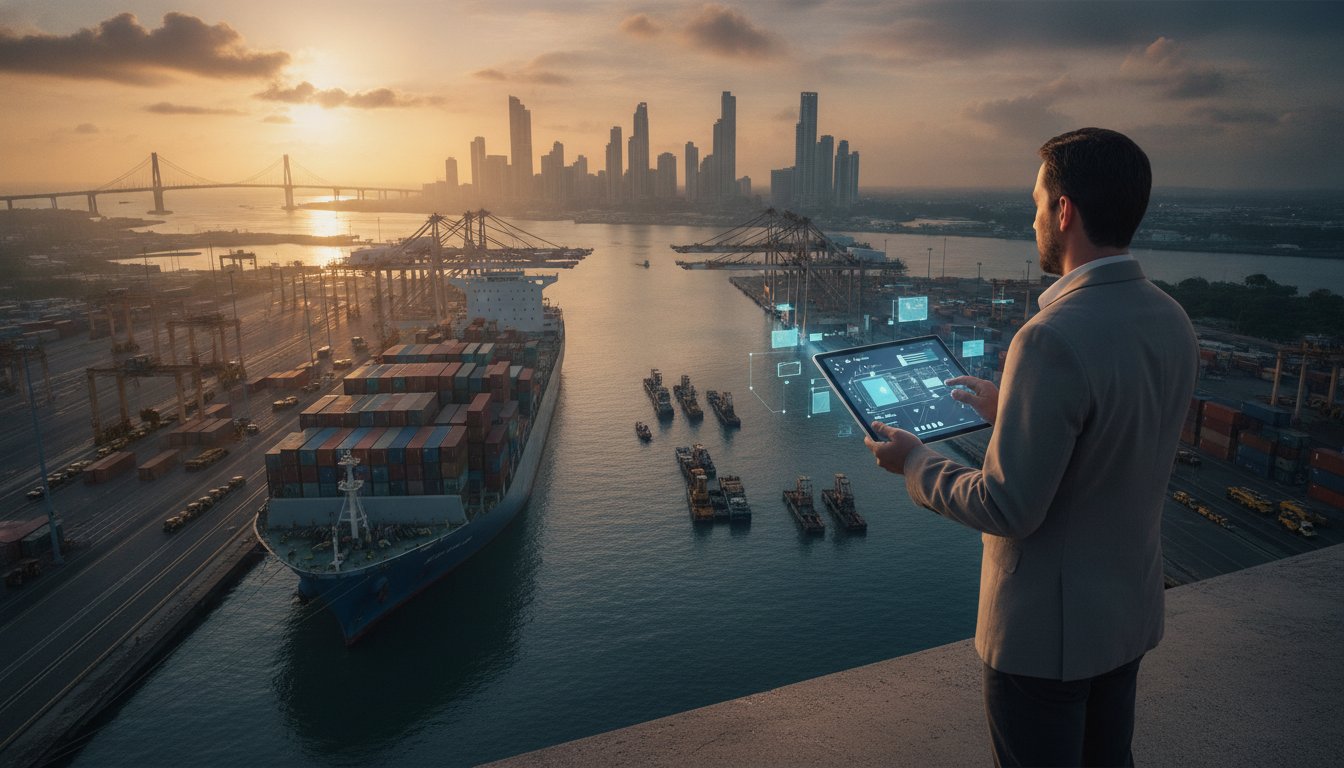


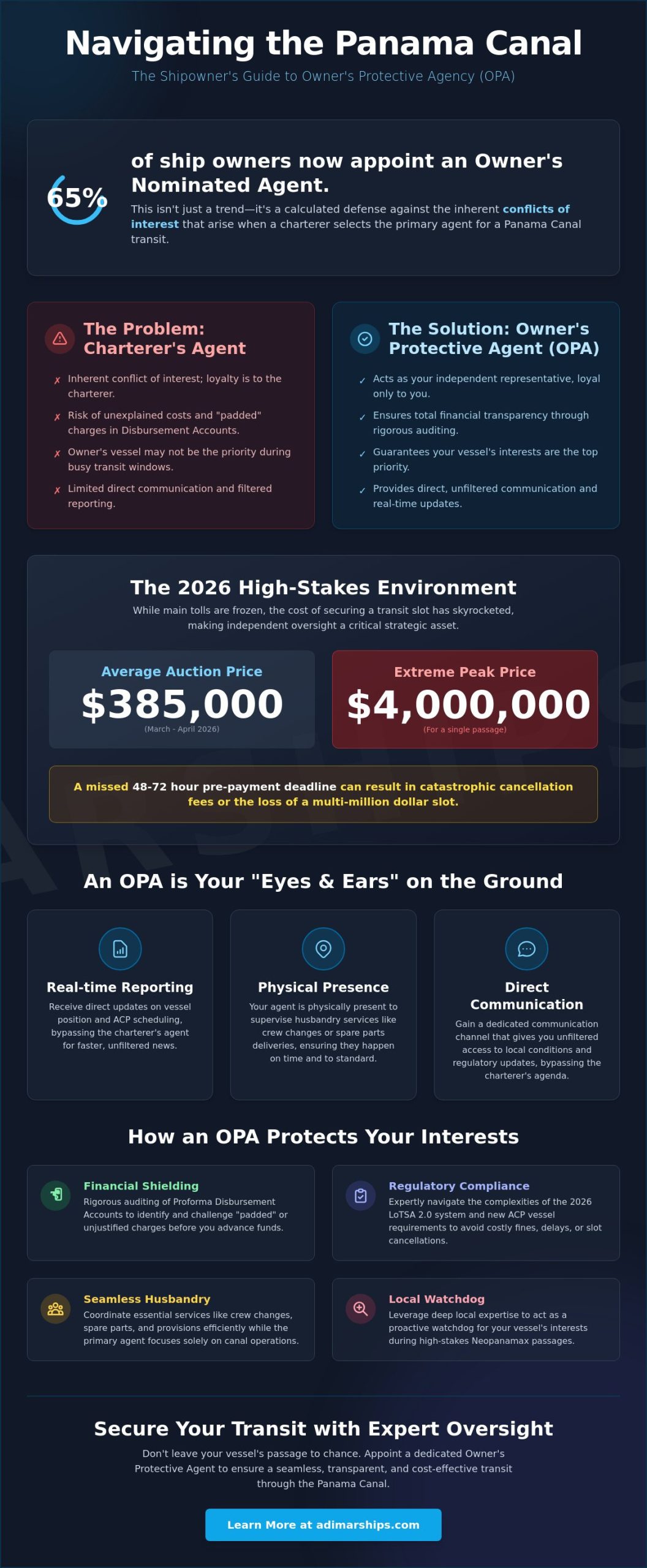
Did you know that approximately 65% of ship owners now appoint an owner’s nominated agent Panama Canal to oversee their transits? This shift isn’t just a trend; it’s a calculated defense against the inherent conflicts of interest that arise when a charterer selects the primary agent. You’ve likely felt the frustration of reviewing a final Disbursement Account filled with unexplained costs or worrying about your vessel’s priority during a busy transit window. It’s a high-stakes environment where even a small oversight can lead to significant financial leakage and operational friction.
We understand that your primary goal is a seamless, cost-effective passage through the waterway. This guide will show you how an Owner’s Protective Agency (OPA) acts as your vigilant eyes and ears on the ground, ensuring total financial transparency and zero operational delays. You’ll learn how to navigate the complex 2026 ACP regulations, including the LoTSA 2.0 reservation system and OP Notice N-1-2026 requirements. We’ll preview the strategic advantages of independent oversight to give you complete peace of mind during your next Neopanamax transit.
Key Takeaways
- Define the role of an owner’s nominated agent Panama Canal as your independent representative to eliminate conflicts of interest with charterer-appointed agents.
- Identify “padded” charges in Proforma Disbursement Accounts through rigorous auditing to ensure total financial transparency before you advance funds.
- Navigate the complexities of the 2026 LoTSA 2.0 system and new ACP vessel requirements to avoid costly delays or slot cancellations.
- Coordinate essential husbandry services and crew changes seamlessly while the primary agent focuses solely on the canal transit operations.
- Leverage local expertise to act as a proactive watchdog for your vessel’s interests during high-stakes Neopanamax passages.
Beyond the Main Agent: What is an Owner’s Nominated Agent (OPA)?
An owner’s nominated agent Panama Canal serves as an independent representative appointed specifically to protect your interests. While the charterer usually has the right to appoint the primary ship agent, that agent’s loyalty often lies with the party paying the bill. This creates a potential conflict of interest. An OPA acts as your dedicated advocate, ensuring that every decision made during the transit aligns with your specific financial and operational goals. Their core mission is simple: eliminate confusion and safeguard your assets from start to finish. They don’t just process paperwork; they verify that the paperwork is accurate and fair to the shipowner.
The “Protective” label is significant. It implies a defensive stance. You’re not just hiring a coordinator; you’re hiring a shield against mismanagement, hidden costs, or operational bias. Because the Panama Canal overview reveals a highly complex environment with strict scheduling and high costs, having a partner who only answers to you is vital. They function as your local office in Panama, providing 24/7 vigilance while your vessel moves through one of the world’s most demanding maritime corridors. This oversight is especially critical under the 2026 regulations, where mistakes in data submission can lead to heavy fines or lost transit slots.
OPA vs. Full Agency: Key Differences
A Full Agency manages the primary logistics for the party responsible for the canal tolls. They handle the ACP documentation and the technical requirements for the transit itself. In contrast, an OPA provides a critical second layer of verification and objective reporting. You might wonder why you’d need both. It comes down to the difference between owner’s nominated agency and protective roles. One handles the “how” of the transit, while the other ensures the “how” doesn’t negatively impact your bottom line. The OPA audits the work of the full agent to ensure no “padded” charges or unnecessary delays occur.
The ‘Eyes and Ears’ Metaphor in Practice
We often describe an owner’s nominated agent Panama Canal as your “eyes and ears” on the ground. This isn’t just a metaphor; it’s a daily operational reality that provides peace of mind. Your agent provides:
- Real-time Reporting: You receive direct updates on vessel position and ACP scheduling changes without waiting for the charterer’s agent to relay the news.
- Physical Presence: Your agent is physically there to supervise husbandry services, such as crew changes or spare parts deliveries, ensuring they happen on time.
- Direct Communication: You gain a dedicated channel that bypasses the charterer’s priorities, giving you unfiltered access to local conditions and regulatory updates.
By establishing this direct link, you ensure that your vessel’s needs aren’t sidelined by the charterer’s commercial agenda. This independent oversight is your best defense in a high-stakes transit environment.
The Strategic ROI: Why Owners Need Independent Oversight in 2026
The 2026 maritime landscape is defined by extreme financial volatility. While the Panama Canal Authority (ACP) has frozen main toll structures until September 30, 2026, the cost of securing a transit slot without a reservation has skyrocketed. Between March and April 2026, average auction prices climbed to approximately $385,000, with extreme cases hitting $4 million for a single passage. In this high-stakes environment, an owner’s nominated agent Panama Canal isn’t just a facilitator; it’s a strategic asset. A single operational delay or a missed 48 to 72-hour pre-payment deadline can result in catastrophic cancellation fees or the loss of a multi-million dollar slot.
The value of independent oversight becomes clear when you quantify the risks. A charterer-appointed agent might prioritize the cargo’s arrival schedule, potentially overlooking vessel safety or the Master’s concerns regarding draft limits. By appointing your own representative, you ensure that every decision is vetted for its impact on your bottom line. Preventing a single unnecessary surcharge or an incorrectly calculated tug fee often justifies the entire OPA service fee. If you’re looking to secure your interests, it’s worth exploring how professional ship agency services can provide the financial shielding you need.
Navigating High-Stakes Neopanamax Transits
Neopanamax transits in 2026 require surgical precision. With a maximum draft limit of 15.24 meters (50.00 feet) Tropical Fresh Water, there’s zero room for error in cargo planning or ballast management. Larger vessels face significantly higher risks of hidden operational surcharges related to tug usage and lockage requirements. Your agent ensures your vessel remains compliant with official Panama Canal regulations while advocating for your position in the transit queue. This local advocacy is vital when the canal handles its projected average of 33 transits daily, ensuring you aren’t sidelined during peak traffic periods.
Mitigating the Charterer-Agency Bias
It’s a simple truth in shipping: agency loyalty often follows the party paying the primary commission. When a charterer appoints the agent, that agent’s priority is the charterer’s commercial interest, not necessarily the shipowner’s operational integrity. This bias can lead to skewed reporting during transit disputes or delays. An owner’s nominated agent Panama Canal provides objective, real-time data that protects the Master from undue pressure by third-party coordinators. This independent reporting ensures that when disputes arise regarding transit timing, you have a verified, unbiased record of events to defend your interests and avoid unfair penalties.
Financial Shielding: Auditing Disbursement Accounts for Transparency
The Disbursement Account (DA) is often where shipowners lose the most money through subtle overcharges and administrative errors. An owner’s nominated agent Panama Canal serves as your primary financial defense by conducting rigorous audits of both Proforma and Final DAs. Many charterer-nominated agents include “padded” charges or inflated estimates for local services to create a comfortable buffer at your expense. Because of the strategic importance of the Canal to global supply chains, the sheer volume of transactions can sometimes lead to oversight. Your protective agent verifies every line item against the official 2026 ACP tariff structure. This ensures you only advance the necessary funds and that every dollar is accounted for at fair market rates without hidden markups.
Transparency is the foundation of a successful transit. We don’t just look at the total; we analyze the components. By scrutinizing every pilotage fee and tug requirement, we ensure that the charterer’s agent hasn’t inflated the estimates. If a charge doesn’t match the official tariff, we challenge it immediately. This proactive stance prevents funds from being tied up in unnecessary prepayments, keeping your capital available for other operational needs.
From Proforma to Final DA: The Audit Process
Verifying a Proforma DA requires a deep understanding of the latest tariff updates. Your agent cross-references tug fees, pilotage, and line-handling charges based on your vessel’s specific dimensions and cargo type. We look for “miscellaneous” fees that often serve as a catch-all for hidden agent markups. Once the transit is complete, the OPA ensures the prompt return of unspent balances from the ACP. Without this oversight, these funds can sit in an agent’s account for weeks, negatively impacting your cash flow and financial reporting accuracy.
Preventing ACP Fines and Surcharges
ACP fines can be devastating to a voyage’s profitability. Your agent reviews all vessel documentation to ensure compliance with vessel deficiency standards before you arrive at the locks. Misreporting cargo or vessel dimensions can trigger automatic surcharges or toll discrepancies that are difficult to dispute after the fact. We verify that all data submitted to the LoTSA 2.0 system is 100% accurate. Industry reports indicate that an OPA audit typically saves shipowners between $500 and $2,000 in overcharges per transit. This level of financial shielding transforms the OPA from a service fee into a vital cost-saving necessity.
Operational Protection: Managing Husbandry and Compliance Risks
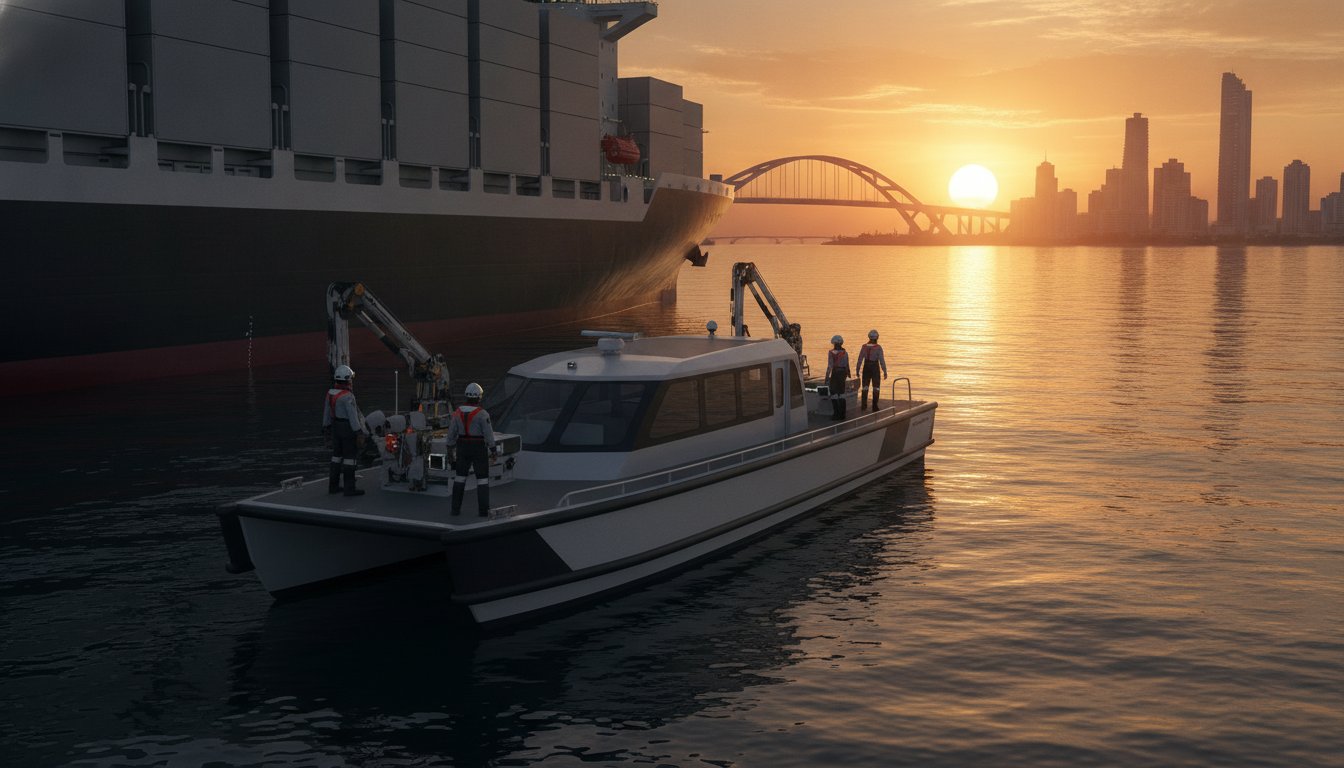
Managing the operational side of a transit requires more than just securing a slot. While the charterer’s agent focuses on the logistics of the move, your owner’s nominated agent Panama Canal oversees the vessel’s internal requirements. This division of labor ensures that husbandry services don’t fall through the cracks. Whether it’s a last-minute medical evacuation or a complex crew change, having a dedicated representative ensures these tasks happen without disrupting the canal’s strict schedule. They act as a buffer, preventing the main agent’s focus on transit from sidelining the owner’s immediate needs.
Compliance is another critical area where an OPA provides a safety net. The 2026 enforcement of OP Notice N-01-2026 introduced more stringent technical and environmental standards that vessels must meet before arrival. One of the most specialized requirements is the appointment of a PCSOPEP authorized person. This individual is legally required to reside in Panama and act as the liaison for oil pollution emergency plans. By delegating this to your protective agent, you ensure that your vessel remains compliant with all ACP pollution regulations. This proactive oversight prevents the heavy fines associated with document errors or environmental non-compliance.
Husbandry Oversight: Crew and Spares
Main agents often neglect “small” husbandry tasks when managing a complex Neopanamax transit. An OPA steps in to verify the delivery of high-value spares and ensure that Cash to Master (CTM) reaches the ship safely. We also protect you from inflated launch hire and logistics costs. In Panama, launch fees can vary significantly. Your protective agent reviews these invoices to ensure you aren’t paying a premium for services that should have been shared with other vessels. If you want to ensure your husbandry needs are met efficiently, you should contact us for a protective agency quote today.
Regulatory Compliance and Documentation
To avoid “Vessel Requirement” violations that trigger automatic ACP fines, we follow a rigorous verification process. Our team performs a comprehensive document review before your vessel even reaches Panamanian waters. This includes:
- Technical Validation: Checking vessel dimensions and equipment against the latest 2026 ACP standards.
- Security Protocols: Ensuring all ISPS and port security notifications are filed correctly and on time.
- Environmental Audit: Verifying that all PCSOPEP and pollution prevention plans are active and localized.
- Data Consistency: Confirming that the information provided to the charterer’s agent matches the ship’s actual certificates.
- Pre-arrival Briefing: Providing the Master with the latest local updates regarding draft limits and tug requirements.
This vigilance is your best defense against unexpected operational delays. By catching documentation errors early, we ensure that your transit proceeds without the friction of regulatory disputes or administrative penalties.
Securing Your Transit: How Adimar Shipping, Inc. Acts as Your Local Watchdog
Adimar Shipping, Inc. operates on a philosophy of proactive problem-solving. We don’t just react to canal scheduling; we anticipate potential friction points before they impact your voyage. By acting as an owner’s nominated agent Panama Canal, we treat your vessel as if it were our own. This level of commitment is backed by deep local knowledge and a long-standing history of operational stability in the region. Our team serves as a vigilant, on-the-ground extension of your staff, ensuring that your commercial interests aren’t sidelined by third-party priorities.
Ethical conduct is the foundation of our transparent financial reporting. We believe you deserve to know exactly where every dollar goes, especially when dealing with the complex 2026 fee structures. Adimar Shipping, Inc. ensures that your interests are protected from the moment you nominate us until the final unspent balance is returned to your account. This dedication to transparency builds the trust and security necessary for high-stakes maritime operations.
The Advantage of Local Vigilance
Getting Started with OPA Representation
Appointing Adimar Shipping, Inc. as your protective agent is a straightforward process designed to integrate seamlessly with your existing workflow. To begin, we simply need your vessel’s particulars and the Proforma DA provided by the charterer’s agent. Our auditors will immediately begin a line-by-line review to identify any discrepancies or inflated costs before you advance any funds.
- Formal Nomination: Send a nomination letter to our operations team to establish our role.
- Documentation Sharing: Provide the current transit schedule and vessel certificates for compliance review.
- Financial Audit: Share the Proforma DA for an initial transparency audit against 2026 tariffs.
- Communication Setup: Establish a direct channel with our 24/7 desk for real-time reporting.
Delegating these specialized tasks to a knowledgeable partner allows you to focus on your core commercial operations while we handle the complexities of the waterway. Contact Adimar Shipping, Inc. to secure your Panama Canal interests today.
Mastering Your 2026 Panama Canal Strategy
Success in the 2026 Panama Canal transit landscape requires more than just a reservation; it demands a dedicated advocate. By appointing an owner’s nominated agent Panama Canal, you transform a complex logistical challenge into a transparent, managed process. This independent oversight ensures that every disbursement account is audited for accuracy and that your vessel remains fully compliant with the latest ACP regulations. You’ve seen how proactive husbandry and specialized environmental compliance prevent costly delays and hidden surcharges.
Adimar Shipping, Inc. brings decades of local Panama Canal experience to every transit. Our specialized DA auditing team and status as an authorized PCSOPEP representative provide the security you need in a high-stakes environment. We treat your vessel as our own, providing the vigilance required to protect your bottom line. Take the next step toward operational freedom and financial transparency. Secure your vessel’s transit with the OPA services of Adimar Shipping, Inc. and experience the peace of mind that comes from expert local representation. We look forward to ensuring your next transit is your most efficient yet.
Frequently Asked Questions
What is the difference between a full agent and an owner’s protective agent?
A full agent manages the primary transit logistics for the party paying the tolls, while an OPA serves as the shipowner’s independent representative to oversee the full agent’s work. The full agent focuses on the technical requirements of the transit. In contrast, the OPA ensures the owner’s financial and operational interests are protected. This dual layer of oversight prevents conflicts of interest and provides objective, real-time reporting directly to the owner.
How much does an OPA service cost compared to potential savings?
While the exact fee depends on the level of service required, the savings generated by an OPA often far exceed the initial cost. By auditing the Proforma Disbursement Account, an agent can identify padded charges or miscalculated tolls that save owners thousands of dollars in potential overpayments. Preventing a single operational delay or an unnecessary tug surcharge during a Neopanamax transit provides an immediate and significant return on investment.
Can I appoint an OPA even if the charterer has already nominated an agent?
Yes, you can and should appoint an owner’s nominated agent Panama Canal even if the charterer has already selected a primary agent. This is a standard industry practice designed to protect your interests when the primary agent’s loyalty lies with the charterer. Having your own representative ensures you receive unbiased updates and a rigorous audit of all financial transactions related to your vessel’s passage through the waterway.
What specific ACP regulations should owners worry about in 2026?
Owners must strictly adhere to the OP Notice to Shipping N-1-2026 and the updated LoTSA 2.0 reservation system. These regulations mandate precise vessel dimension reporting and strict environmental standards. Miscompliance can trigger automatic surcharges or the loss of a transit slot. Your agent ensures your vessel meets the 15.24 meter (50.00 feet) draft limit for Neopanamax locks and follows all updated pre-payment deadlines to avoid costly administrative penalties.
How does an OPA help with crew changes at the Panama Canal?
An OPA manages the logistics of crew changes to ensure they don’t interfere with the vessel’s transit schedule. They coordinate with local authorities, handle immigration paperwork, and arrange secure transportation for personnel. Since the primary agent is often focused on the transit itself, your protective agent provides the dedicated attention needed to manage these husbandry tasks efficiently. They ensure all services are delivered at fair market rates without hidden markups.
Will the appointment of an OPA cause friction with the charterer’s agent?
No, the appointment of a protective agent is a professional arrangement that is well-understood by experienced maritime agencies in Panama. It establishes a clear division of responsibilities where the primary agent handles transit logistics and the OPA focuses on the owner’s specific needs. This collaboration actually improves communication and reduces the likelihood of disputes. It ensures all financial and operational data is verified in real-time by a second set of expert eyes.
What is a Disbursement Account (DA) audit, and why is it necessary?
A DA audit is a line-by-line verification of all charges, fees, and tolls associated with a canal transit. It’s necessary because Proforma Disbursement Accounts often contain “padded” estimates or incorrect tariff applications. An owner’s nominated agent Panama Canal cross-references every item against official 2026 ACP rates to ensure you only pay what is legally required. This process prevents financial leakage and ensures the prompt return of unspent balances from the canal authority.
Does an OPA handle PCSOPEP authorized person requirements?
Yes, a qualified protective agent can serve as your PCSOPEP authorized person to fulfill mandatory oil pollution compliance. This role requires a local representative who is available 24/7 to act as a liaison with the ACP in the event of an environmental emergency. By integrating this service into your OPA representation, you ensure that your vessel meets all local environmental standards. This proactive oversight avoids the heavy fines associated with document errors or environmental non-compliance.