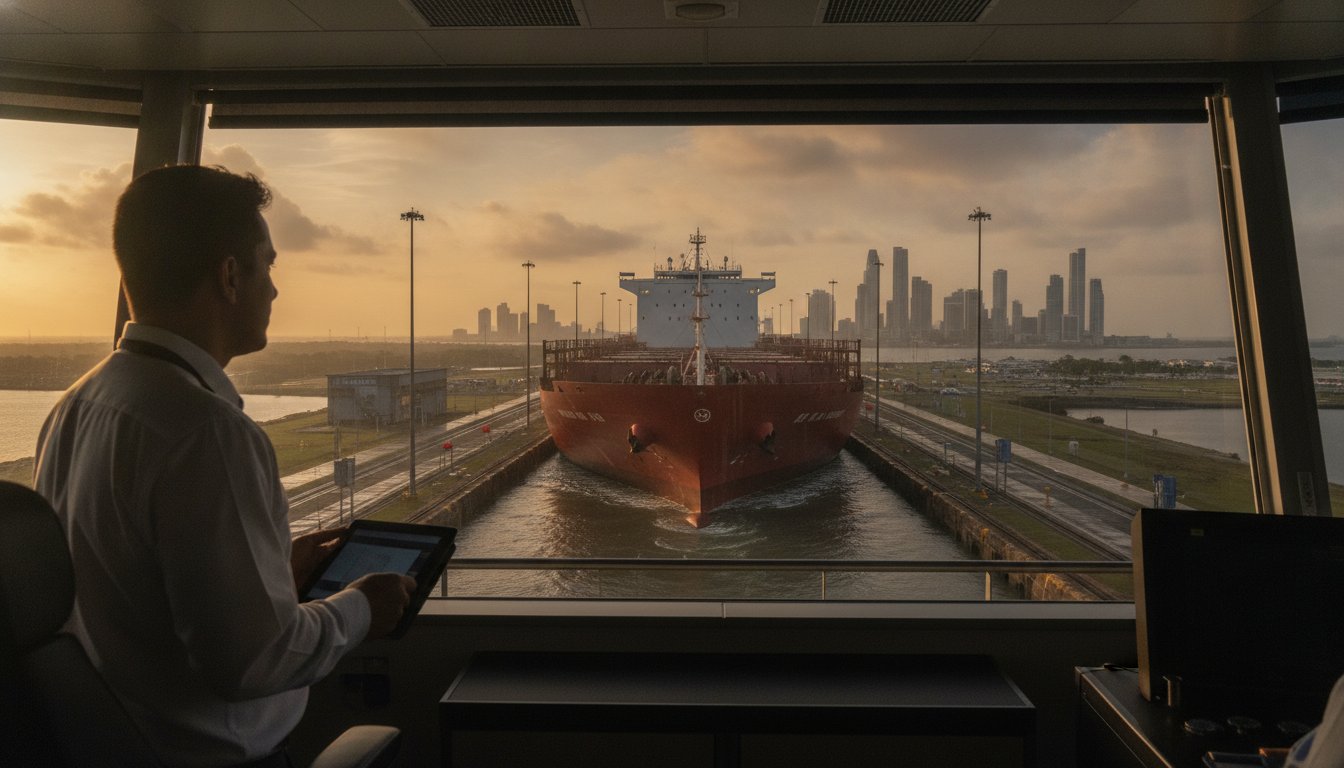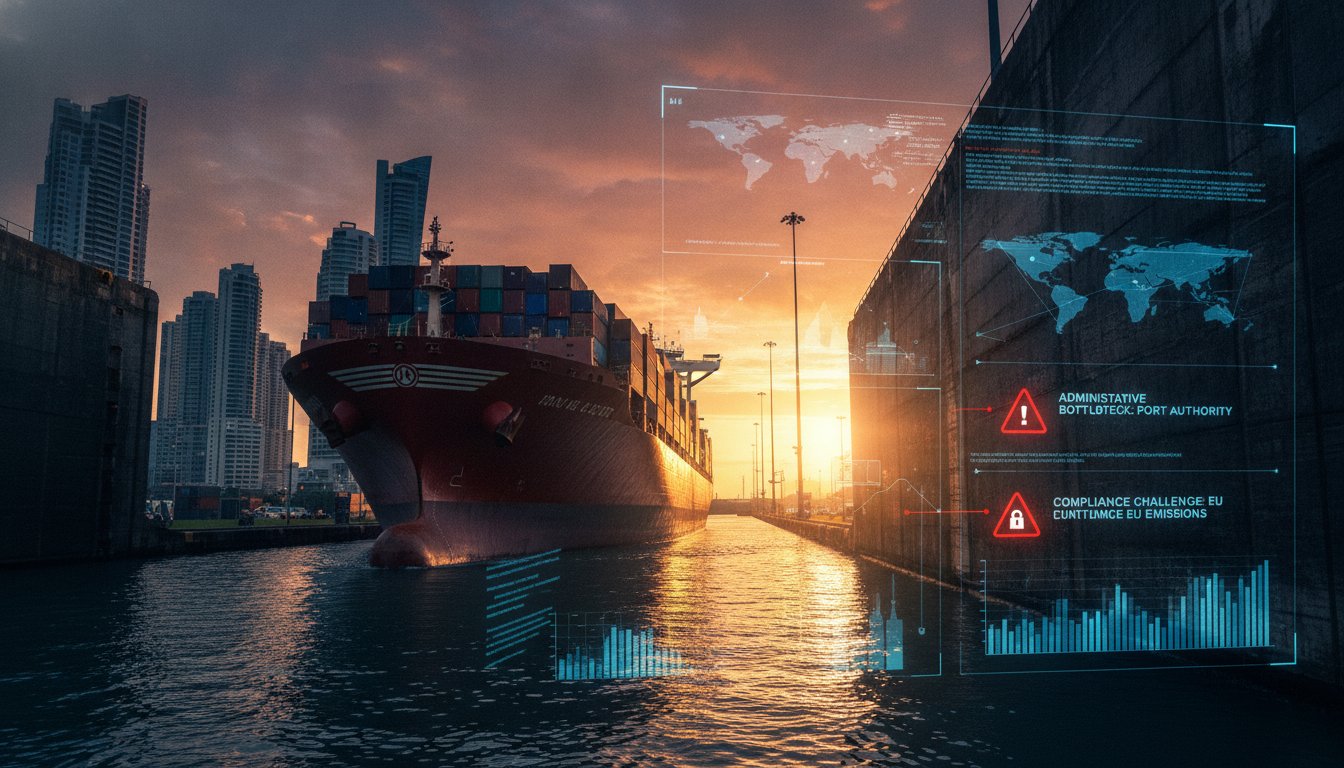

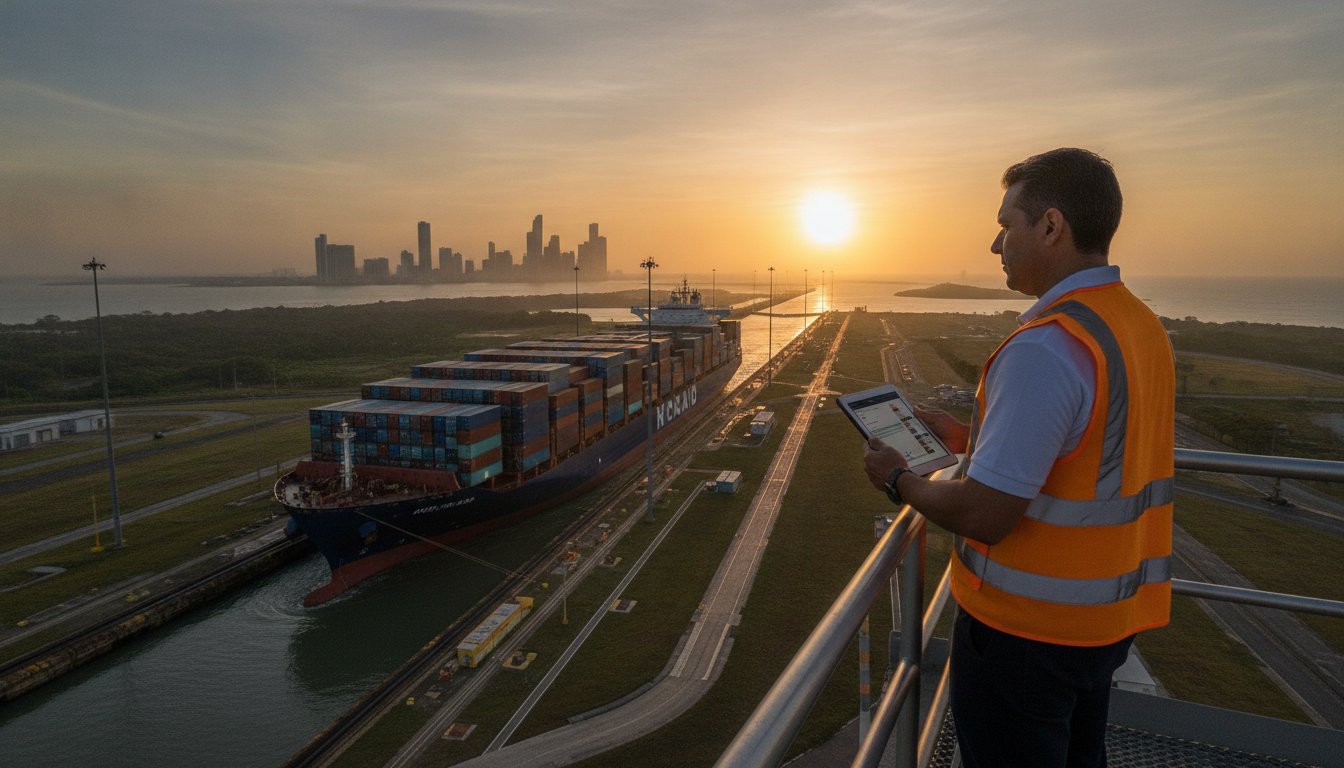
Did you know that just one hour of unexpected downtime in the Panama Canal can cost a ship owner more than $15,000 in late fees and operational losses? In the 2026 maritime environment, the margin for error has disappeared. You likely understand the frustration of logistical friction causing missed transit slots or the headache of opaque pricing for essential supplies. Managing your vessel husbandry services cost in Panama shouldn’t feel like a gamble against local bureaucracy.
It’s exhausting to coordinate complex customs for critical spare parts while trying to maintain operational continuity. We believe your focus should remain on the voyage, not the stress of on-the-ground coordination. This guide explains how strategic vessel husbandry prevents million-dollar transit delays and protects your bottom line. We’ll explore transparent Cash to Master processes, efficient supply chains at Balboa and Cristobal, and the specialized oversight needed to navigate the latest 2026 Canal regulations. By delegating these specialized tasks to a vigilant local partner, you gain the security of an expert team acting as an extension of your own office.
Key Takeaways
- Understand why Panama’s high-stakes transit environment requires a specialized approach to non-cargo care to maintain schedule integrity.
- Learn how to optimize your vessel husbandry services cost in Panama by aligning crew changes and Cash to Master deliveries with your arrival window.
- Discover how proactive coordination prevents the massive financial fallout of missed transit slots and unexpected downtime.
- Master the 72-hour logistical framework to ensure seamless communication between your vessel and local technicians or suppliers.
- Identify the strategic advantage of delegating complex port logistics to a local expert that functions as a vigilant extension of your team.
The Strategic Role of Vessel Husbandry in the Panama Canal Zone
Ship Husbandry represents the essential, non-cargo care of a vessel and its crew. While cargo operations often take the spotlight, husbandry is the silent engine that keeps a ship operational during its time in local waters. In Panama, this isn’t a routine port call; it’s a high-stakes environment where every service must be synchronized with the Panama Canal Authority’s (ACP) rigid transit schedule. Effective husbandry acts as your local office on the ground, providing a level of vigilance that protects your interests at both the Balboa and Cristobal anchorages. It ensures that your vessel is physically and legally prepared for the journey ahead.
Managing the total vessel husbandry services cost in Panama requires a strategic perspective. It’s easy to view these services as simple line items on a disbursement account, but they are actually the primary defense against transit delays. If a vessel isn’t ready for its scheduled slot because of a delayed technician or a missing spare part, the financial consequences are staggering. By prioritizing efficiency in these support services, you ensure that your vessel remains compliant and ready for the Canal’s strict timing. This proactive approach transforms husbandry from a commodity service into a critical tool for schedule security.
Husbandry vs. Standard Ship Agency
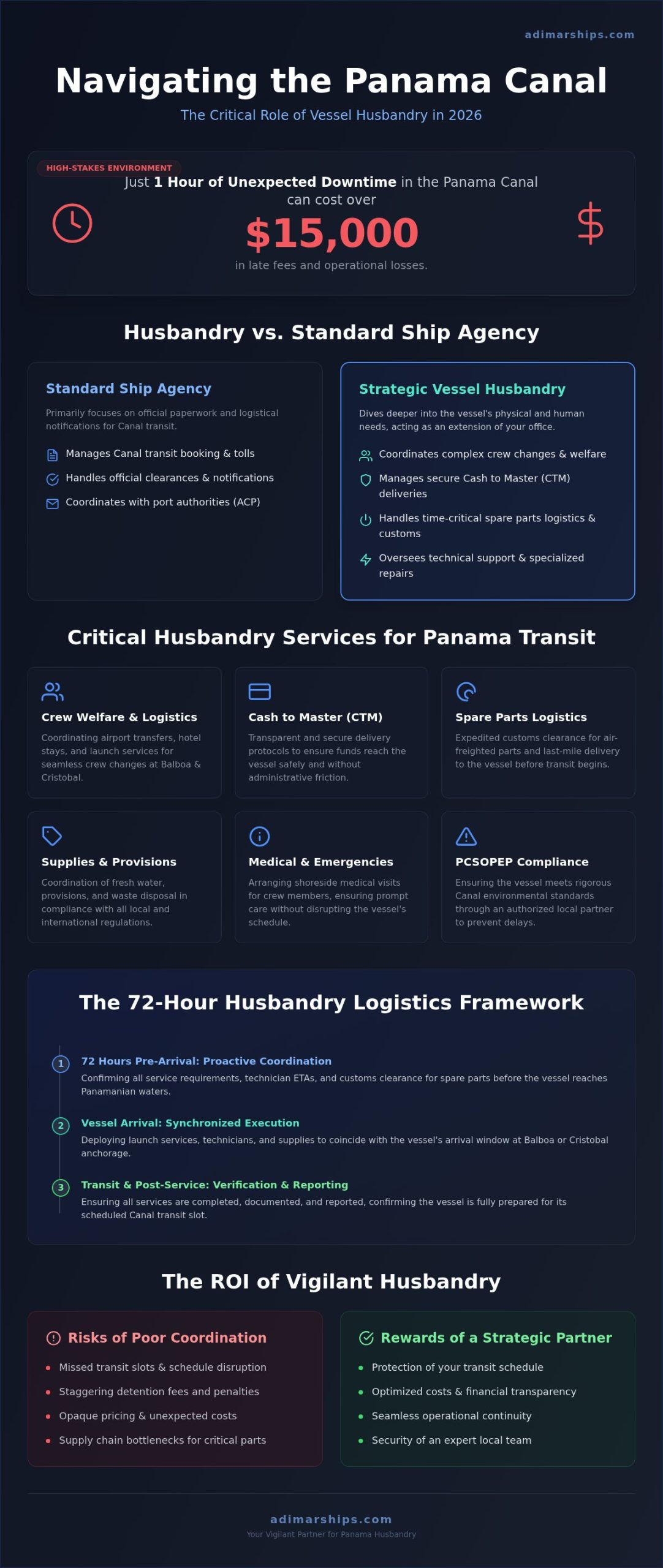
Standard ship agency services primarily focus on the logistical paperwork, tolls, and official notifications required to transit the waterway. Husbandry dives deeper into the vessel’s physical and human needs, managing everything from crew medical visits to the delivery of critical engine components. A hybrid approach is essential for ships transiting the Canal in 2026. You don’t just need someone to book a slot; you need a partner who can coordinate a crew change or a specialized repair simultaneously. Having a dedicated Panama Canal ships agent who understands the nuances of husbandry ensures that your interests are protected against local bureaucratic friction and logistical bottlenecks.
The 2026 Maritime Landscape in Panama
The 2026 maritime environment in Panama is defined by intense competition for transit slots. With the ACP implementing dynamic pricing and stricter booking regulations, there’s no room for logistical errors. Husbandry readiness directly impacts your timing. A minor delay in launch services or a slow customs clearance for a critical part can cause you to miss your assigned window, leading to thousands of dollars in detention fees and lost time. Maintaining PCSOPEP compliance is a fundamental requirement for environmental safety and operational continuity. Your husbandry partner must be an authorized PCSOPEP person to ensure your vessel meets these rigorous standards without delay, protecting both the environment and your bottom line.
Critical Husbandry Services: A Detailed Breakdown for Ship Managers
Executing vessel husbandry in the Panama Canal Zone requires a precise logistical ballet. It’s not just about providing a service; it’s about timing. Crew changes involve a complex chain of airport transfers from Tocumen International, hotel arrangements, and launch coordination at the busy Balboa or Cristobal anchorages. When you calculate your vessel husbandry services cost in Panama, you aren’t just paying for a boat ride. You’re investing in the security of your schedule. Similarly, Cash to Master (CTM) protocols demand absolute transparency and secure delivery to ensure funds reach the vessel safely and without administrative friction.
Managing spare parts logistics is another area where local expertise is non-negotiable. Critical engine components often arrive via air freight and must clear Panama customs under extreme time pressure to meet a vessel’s ETA. We handle the last-mile delivery, ensuring parts reach the engine room before the transit begins. This operational support extends to provisioning, fresh water delivery, and waste disposal. Each of these tasks must comply with local environmental regulations and international standards for the Safe Operation of Vessels and Safety Management Systems. Our team acts as your vigilant eyes on the ground, ensuring every delivery is verified and documented.
Crew Welfare and Logistics Management
Seafarer morale is a pillar of operational safety. In 2026, regulatory shifts have placed a higher emphasis on rapid access to medical services in Panama and mental health support. We manage the entire administrative burden, including visa preparation, OK-To-Board letters, and seafarer certifications. By streamlining these transitions, we reduce the stress on your crew and your shore-based team. If you need a partner to handle these delicate human logistics, consider how professional ship agency services can simplify your next port call.
Technical Support and Spare Parts Logistics
In the maritime industry, time is more than just money. It’s the difference between a profitable voyage and a million-dollar loss. When you evaluate the vessel husbandry services cost in Panama, it’s vital to look beyond the immediate agency fee. Successful ship managers view husbandry as a strategic investment in risk mitigation. A single hour of unexpected downtime in the Panama Canal can cost upwards of $15,000 in late fees and operational losses. Even a minor mechanical failure during transit can escalate to $65,000 in detention fees and emergency tug services. By investing in proactive husbandry, you build a protective layer around your operational budget.
Transparent financial reporting is the cornerstone of this ROI. We provide consolidated invoicing and clear documentation for every service, from launch hires to medical transfers. This eliminate the “opaque pricing” pain point that often plagues maritime logistics. You shouldn’t have to guess where your money is going. Our role is to act as your vigilant on-the-ground representative, ensuring that every dollar spent contributes directly to vessel readiness and schedule integrity. By delegating these complexities to an expert partner, you gain the operational freedom to focus on your fleet’s global performance.
Protecting Transit Slots through Proactive Coordination
The relationship between husbandry readiness and your transit window is absolute. If your vessel isn’t physically ready or your crew hasn’t cleared immigration, you risk losing a precious transit slot. These slots are becoming increasingly competitive in the 2026 landscape. Identifying risks like delayed spare parts or technician availability 72 hours in advance is essential. This is where the strategic benefit of an Owner’s Nominated Agency becomes clear. We prioritize the owner’s interests, ensuring that husbandry tasks are never sacrificed for the sake of a charterer’s speed, thereby protecting your long-term asset value.
Navigating Local Regulations and Customs Compliance
Compliance is a financial safeguard. Non-compliance with the Panama Canal Authority Maritime Regulations can lead to heavy fines and vessel holds that disrupt your entire supply chain. Managing seafarer documentation is particularly critical; immigration-related holds are an avoidable expense that stems from poor coordination. We ensure that every aspect of your ship agency Panama requirements meets local legal standards. This includes strict adherence to environmental rules and waste disposal protocols. When you have a partner who understands the intricacies of local law, you don’t just stay compliant. You stay on schedule.
Planning Your Port Call: A Husbandry Logistics Framework
Planning a port call in the Panama Canal Zone isn’t a reactive process. It’s a proactive framework designed to eliminate uncertainty. To manage your vessel husbandry services cost in Panama effectively, you must treat the 72-hour window before arrival as the most critical phase of the voyage. This is when the agent transitions from a distant contact to your local office on the ground. During this period, we align every moving part, from technician schedules to launch availability, ensuring that your vessel doesn’t spend a single unnecessary hour at anchorage. Efficiency here isn’t just about speed. It’s about protecting your bottom line from the hidden costs of logistical friction.
The execution phase at the Balboa or Cristobal anchorages requires constant vigilance. It involves managing the “last-mile” delivery of everything your vessel needs to maintain operational continuity. Once the ship departs, the process continues with the finalization of accounts and the delivery of detailed port call reports. These reports provide the transparency you need to audit expenses and plan for future transits. By following a structured logistics framework, we transform a complex series of tasks into a predictable, manageable operation.
Pre-Arrival Coordination and Documentation
Success starts with documentation. We require a precise set of essential documents, including updated crew lists, manifests, and health declarations, well before the vessel enters Panamanian waters. This early start allows us to clear administrative hurdles with local authorities before they can cause delays. We also establish clear communication channels with the Master to set expectations for Cash to Master (CTM) deliveries and provision supplies. When the ship and agent are in perfect sync, the risk of “transit confusion” disappears. If you’re preparing for an upcoming transit, you can consult our guide to a smooth canal transit to ensure your paperwork is in order.
Managing Anchorage and Last-Mile Challenges
Each anchorage presents unique difficulties. Balboa, on the Pacific side, often faces higher congestion and tighter launch schedules during peak transit hours. Cristobal, on the Atlantic side, requires careful timing to account for different weather patterns and swell conditions. Coordinating launch services for crew rotations and light spares requires an agent who understands these local nuances intimately. Managing the timing of husbandry services during peak traffic is a specialized skill. We act as your vigilant eyes at the anchorage, ensuring that your launch is ready the moment the vessel is cleared, preventing the logistical bottlenecks that lead to missed transit slots.
Adimar Shipping: Your Vigilant Partner for Panama Husbandry
Deep local knowledge is the core of the Adimar Advantage. We’ve spent decades managing complex transits and port calls at both ends of the waterway. This long-standing history allows us to anticipate problems before they occur. Whether it’s a sudden shift in launch availability or a complex customs hurdle, we’ve likely seen it and solved it before. Our personalized service focuses on zero-delay coordination. We provide the on-the-ground oversight necessary to protect your bottom line. By delegating these specialized tasks to our team, you significantly reduce the risks associated with your vessel husbandry services cost in Panama. You aren’t just paying for a service; you’re investing in the peace of mind that comes from seasoned expertise.
Comprehensive Support from Arrival to Departure
Our support doesn’t end when the launch leaves the vessel’s side. We provide end-to-end coordination for owners and charterers, ensuring that every requirement of the Panama Canal Authority is met with precision. We simplify the complexities of local regulations, from environmental compliance to immigration paperwork. This comprehensive approach ensures that your vessel husbandry services cost in Panama remains predictable and efficient throughout the entire port call. We act as your watchful eyes at the Balboa and Cristobal anchorages, protecting your interests at every turn. If you’re looking for a dependable partner to represent your fleet in Panamanian waters, we’re ready to step in as your local representative. Contact our team today to discuss how we can secure your next transit through expert coordination and vigilant oversight.
Securing Your Operational Future in the Panama Canal Zone
Effective vessel husbandry is the strategic glue that holds your transit schedule together. You’ve learned how proactive coordination at Balboa and Cristobal anchorages prevents the staggering financial losses associated with missed slots and technical downtime. Managing your vessel husbandry services cost in Panama requires a partner who understands that every hour saved is a victory for your bottom line. By delegating these complex logistical tasks to a specialized local expert, you gain the operational freedom to focus on your fleet’s broader goals.
Adimar Shipping provides the vigilant on-the-ground oversight and personalized coordination necessary for zero-delay transits. As an authorized PCSOPEP representative, we act as a seamless extension of your team. We ensure your vessel remains compliant and ready for the 2026 maritime landscape. Don’t leave your schedule to chance. Contact Adimar Shipping today to secure your Panama Canal husbandry representation. We look forward to protecting your interests and ensuring your next transit is a success.
Frequently Asked Questions
What are the core vessel husbandry services provided in Panama?
Core vessel husbandry services in Panama include crew rotations, Cash to Master deliveries, and the coordination of spare parts and provisions. We also manage fresh water supply, waste disposal, and emergency medical assistance. These services ensure your vessel remains operational without distracting from cargo duties. Our team acts as your vigilant representative at the Balboa and Cristobal anchorages, managing every logistical detail to prevent transit confusion and maintain schedule integrity.
How far in advance should I coordinate a crew change at the Panama Canal?
You should coordinate a crew change at least 72 hours before the vessel’s arrival at the Panama Canal. This window allows for the necessary visa preparation, OK-To-Board letters, and hotel bookings. For complex rotations involving multiple nationalities, starting the process five to seven days in advance is recommended. Early coordination ensures that launch services and airport transfers are synchronized with your vessel’s ETA, preventing costly idle time at the anchorage.
Can husbandry services be performed while the vessel is transiting the Canal?
No, husbandry services cannot be performed while a vessel is actively transiting the Panama Canal locks or channels. All support activities, including crew changes and supply deliveries, must take place at the designated anchorages in Balboa or Cristobal. The Panama Canal Authority requires vessels to maintain a clear deck and focus entirely on the transit operation. We schedule all husbandry tasks to be completed before your assigned transit time begins.
What is the role of an agent in Cash to Master (CTM) delivery in Panama?
The agent serves as a secure bridge between the ship owner and the vessel for Cash to Master deliveries. We manage the secure transport of funds from local banks to the ship at anchorage. Our team verifies the amount with the Master and provides transparent documentation for your accounts. This process eliminates the risk of administrative friction and ensures that your crew has the necessary funds for operational needs without delay.
How do husbandry services impact Panama Canal transit costs?
Efficient husbandry services protect your bottom line by preventing missed transit slots and detention fees. While the direct vessel husbandry services cost in Panama is a factor, the real value lies in avoiding a $15,000 per hour delay. Proactive coordination ensures that technical repairs and supply deliveries don’t interfere with your ACP schedule. By delegating these tasks to an expert partner, you minimize the risk of unforeseen operational expenses during your port call.
What local regulations must be followed for spare parts delivery in Panama?
Spare parts arriving in Panama must clear customs under specific maritime regulations for vessels in transit. Documentation such as a commercial invoice and a packing list must clearly state the parts are “for ship’s use.” We manage the last-mile delivery from Tocumen International Airport directly to the vessel at anchorage. Navigating these customs requirements under time pressure requires a local partner who understands the nuances of Panamanian maritime law.
Is it possible to receive medical assistance for crew members at the Panama anchorage?
Yes, crew members can receive professional medical assistance while the vessel is at the Panama anchorages. We coordinate launch transfers for seafarers to reach specialized clinics or hospitals in Panama City or Colon. Whether it is a routine dental visit or an emergency medical evacuation, we handle all the logistics and local authorities. This ensures your crew receives the necessary care without compromising the vessel’s transit schedule or operational continuity.
How does Adimar Shipping ensure transparency in husbandry service costs?
Adimar Shipping ensures transparency through consolidated invoicing and detailed port call reports. We provide a clear breakdown of every expense, from launch hire to administrative fees, so you don’t face opaque pricing or hidden costs. Our commitment to ethical standards means you receive honest, direct communication regarding all service requirements. This proactive approach allows ship managers to audit the vessel husbandry services cost in Panama with total confidence and security.