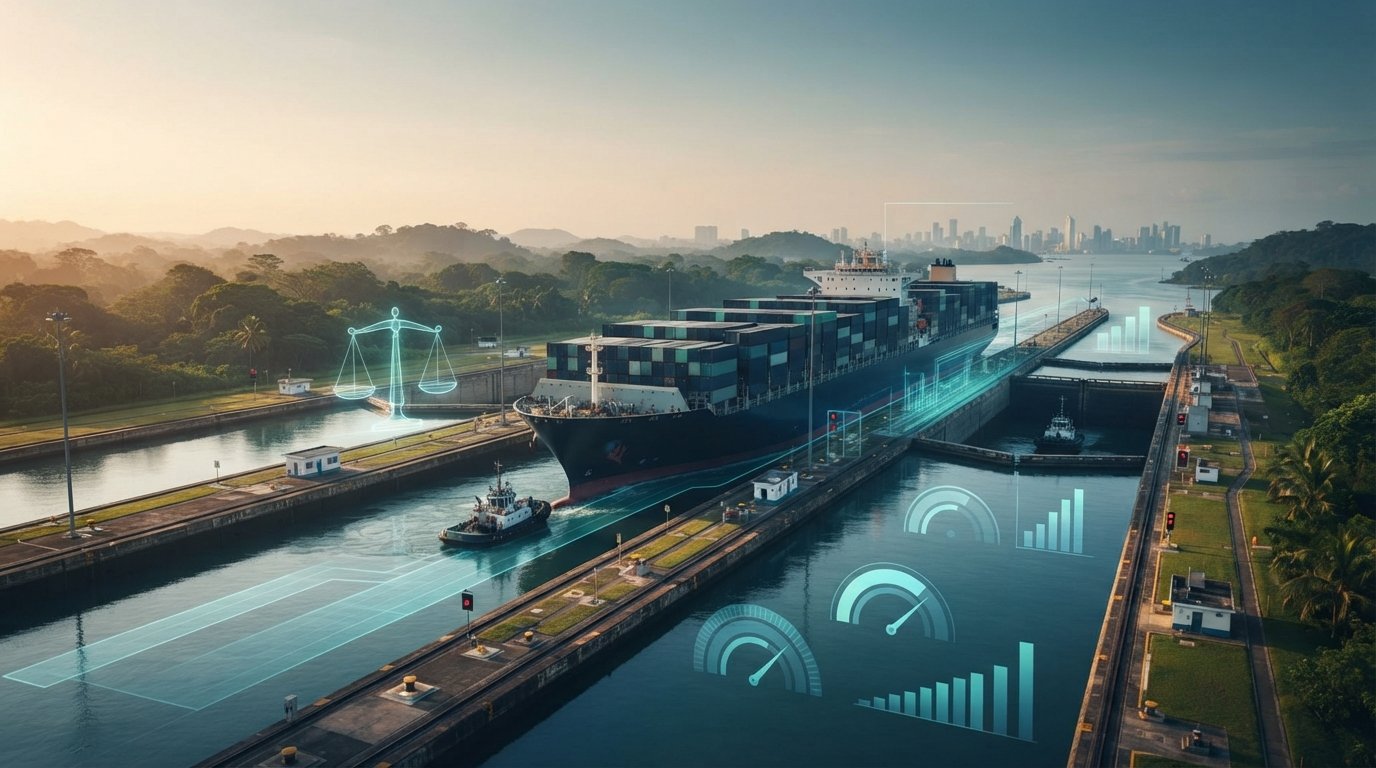

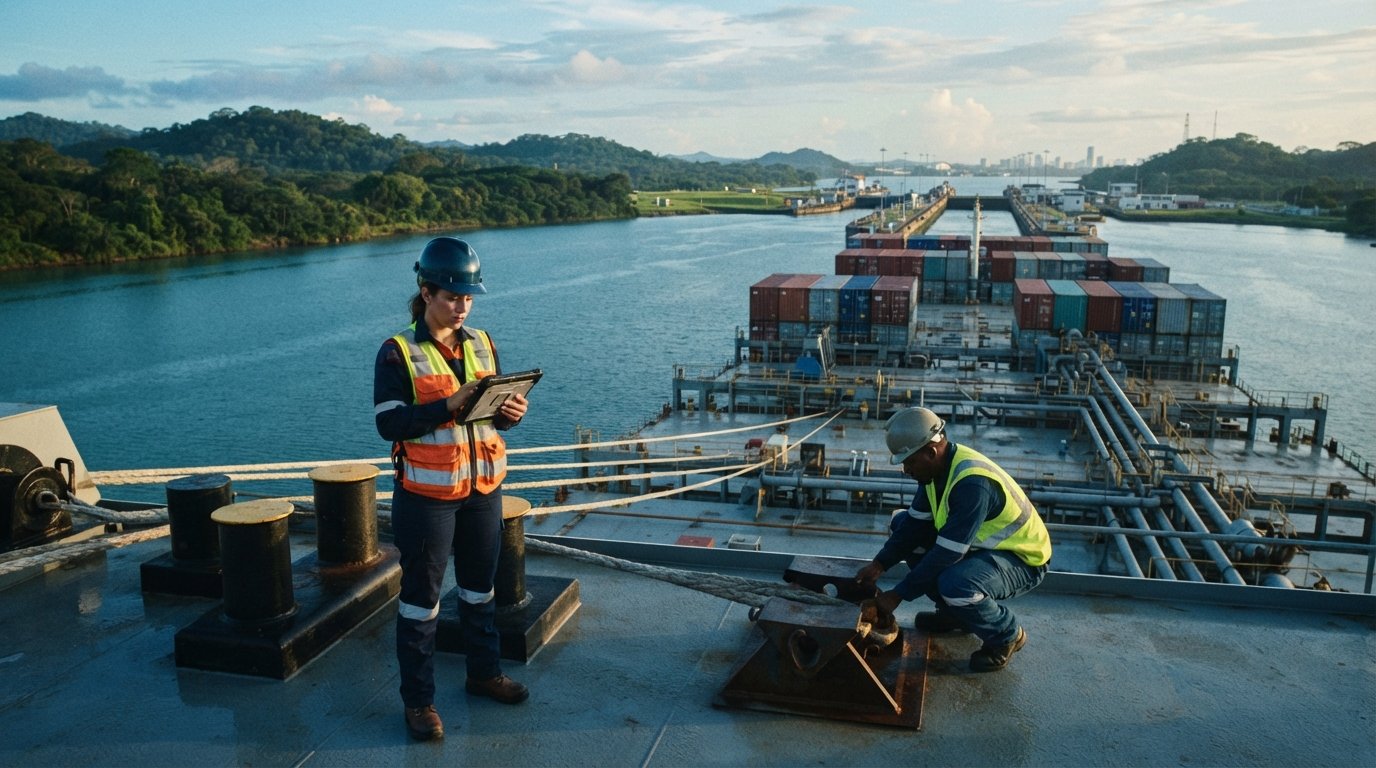
Did you know that a single slot forfeiture or extended hold at a Panama anchorage can cost a Neopanamax vessel upwards of $65,000 per day in idle time? In an industry where timing is everything, the margin for error in the Culebra Cut or at the locks is non-existent. You likely understand the frustration of navigating complex ACP regulations while trying to coordinate multiple husbandry services simultaneously. Because the stakes are so high, proper pre-transit vessel preparation panama is no longer just a recommendation; it’s a financial necessity to avoid massive disruption charges.
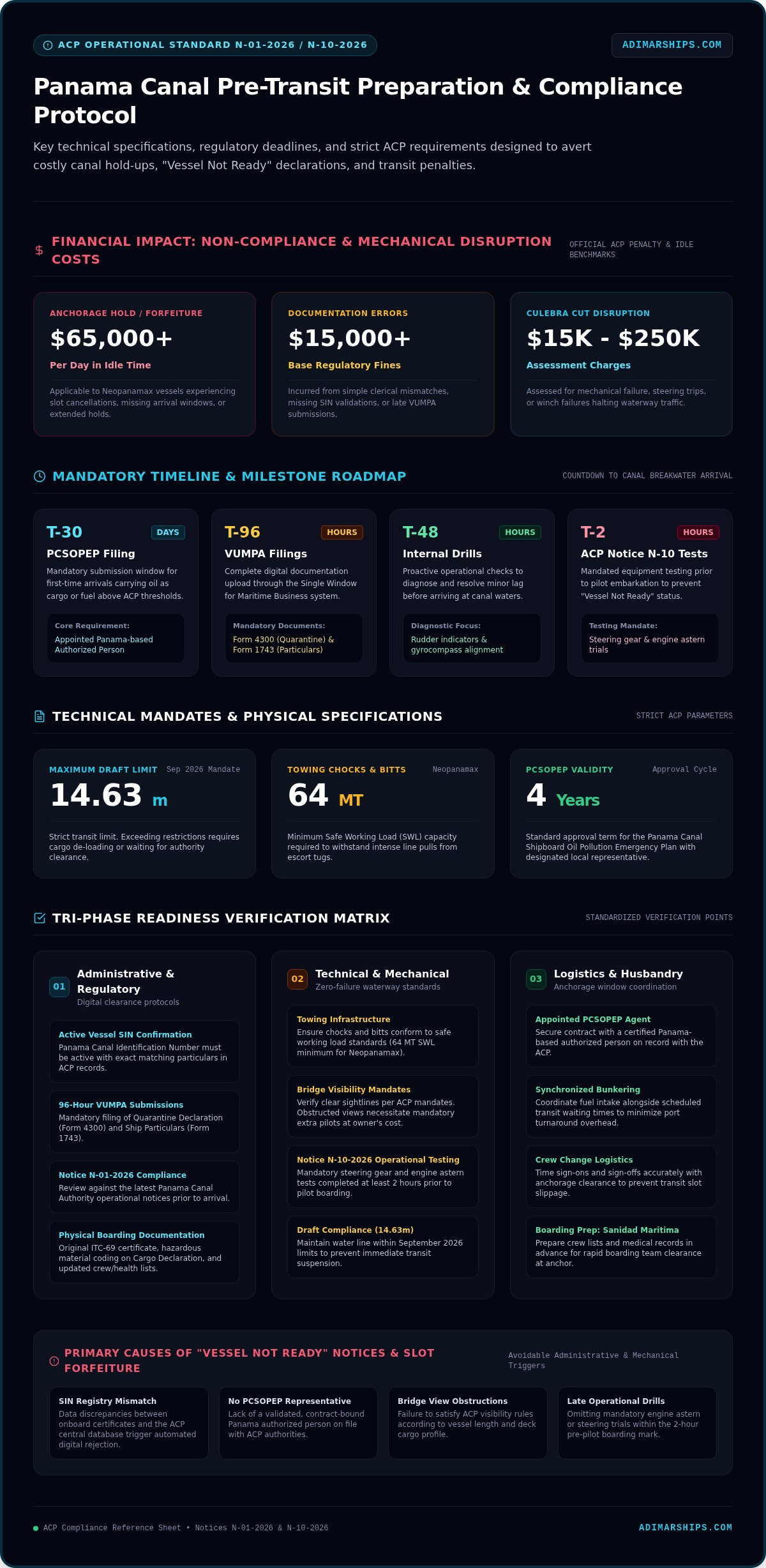
We’re here to provide the peace of mind you need. By following our expert-led guide, you can master every regulatory and technical requirement for a seamless passage. This article details the critical 2026 mandates, including the mandatory 96-hour VUMPA digital filings, PCSOPEP authorized person requirements, and the latest September 2026 draft limits of 14.63 meters. This checklist serves as your local oversight to ensure full compliance and efficient cost management from start to finish.
Key Takeaways
- Master the mandatory 2026 VUMPA digital filing requirements and ensure your vessel’s SIN is active to avoid automatic administrative rejections.
- Verify that your technical equipment, including towing chocks and bridge visibility, meets specific ACP standards to prevent “Vessel Not Ready” notices.
- Implement a comprehensive strategy for pre-transit vessel preparation panama that aligns technical readiness with the latest 14.63-meter draft restrictions.
- Coordinate essential husbandry services like bunkering and crew changes to coincide with transit wait times for better cost efficiency.
- Learn why a local ship agency is critical for securing a PCSOPEP authorized person and providing the on-the-ground oversight needed for a zero-delay transit.
Phase 1: Administrative and Regulatory Compliance Checklist
Success in transiting the Panama Canal begins long before the pilot boards. Administrative errors are the primary cause of avoidable fines, which often start at $15,000 for simple filing discrepancies. Comprehensive pre-transit vessel preparation panama starts with verifying your vessel’s Panama Canal Identification Number (SIN). You must ensure this number is active and that all ship particulars are updated in the system. Any mismatch between your current certificates and the ACP database can trigger an automated rejection during the digital clearing process.
Digital compliance is now the absolute standard for every operator. You’re required to submit all declarations via the VUMPA (Single Window for Maritime Business) at least 96 hours before your arrival in canal waters. This includes critical documents like the Form 4300 Quarantine Declaration and Form 1743 Ship Particulars. Coordinating these filings requires a trusted local agent who acts as your vigilant representative on the ground. Your agent doesn’t just submit forms; they proactively review the latest Panama Canal Authority (ACP) maritime notices, such as Notice N-01-2026, to confirm your vessel meets 2026 technical mandates before you reach the breakwater.
The PCSOPEP Requirement
Every vessel carrying oil as cargo or fuel above ACP thresholds must have an approved Panama Canal Shipboard Oil Pollution Emergency Plan. This isn’t a generic environmental document; it requires a specific contract with an appointed PCSOPEP authorized person based in Panama. The ACP mandates that this plan be submitted at least 30 days prior to transit for first-time arrivals. While approvals are typically valid for four years, we recommend verifying your status early. Failing to have a local authorized person on record is a frequent cause of “Vessel Not Ready” notices that lead to expensive slot forfeitures.
Documentation and Customs Prep
Efficiency at the anchorage depends on having your paperwork organized for the Sanidad Maritima and customs officials. Digital records are essential, but physical readiness remains a priority for boarding teams. Use this list to stay ahead:
- Prepare the Cargo Declaration with precise hazardous material coding to avoid safety holds.
- Keep the original International Tonnage Certificate (ITC-69) ready for physical inspection.
- Organize updated crew lists and health declarations to facilitate rapid clearance through VUMPA.
By delegating these complex administrative tasks to an experienced partner, you transform your pre-transit vessel preparation panama from a source of stress into a streamlined operational routine. Handling these details early allows your crew to focus on technical readiness rather than administrative troubleshooting during the critical approach phase.
Phase 2: Technical and Equipment Readiness for Transit
Technical failures within the narrow confines of the Canal don’t just cause delays; they trigger massive disruption charges. While some service providers focus on repairs after a breakdown occurs, our approach to pre-transit vessel preparation panama is rooted in proactive prevention. The ACP maintains a zero-failure philosophy. Any mechanical trip or winch failure in the Culebra Cut can halt the entire waterway’s flow, leading to assessments starting at $15,000 and climbing to $250,000 for high-impact obstructions.
Your first priority is the vessel’s towing infrastructure. You must inspect all chocks and bitts to ensure they meet the specific strength requirements outlined in the Panama Canal Notices to Shipping. Neopanamax vessels, in particular, require hardware with a minimum Safe Working Load (SWL) of 64 metric tons to withstand the intense line pulls from escort tugs. Additionally, you must verify that bridge visibility meets ACP mandates based on your vessel’s length and cargo configuration. Obstructed views often lead to mandatory extra pilots at the owner’s expense.
Operational testing is equally critical. ACP Notice N-10-2026 requires steering gear and engine astern tests at least two hours before pilot boarding. However, we recommend conducting these drills 48 hours prior to arrival. This window allows your crew to address minor lag in rudder indicators or gyrocompass errors before they become transit-ending deficiencies. If you identify a technical gap during your checks, our husbandry services team can help coordinate rapid support at the anchorages.
Mooring and Towing Equipment
The ACP enforces a strict “no-fray” policy for all mooring lines and wires used during lockage. You should physically inspect every line for signs of degradation, as failing a dockside audit will send your vessel to the back of the queue. Ensure whistles and bells are operational for lock signaling and that draft marks are clearly legible. Inspectors use these marks to verify compliance with the September 2026 draft limit of 14.63 meters. This attention to detail is a hallmark of effective pre-transit vessel preparation panama.
Bridge and Navigation Readiness
Your navigation team must update all electronic and paper charts specifically for the Canal’s approaches. Confirm the AIS is transmitting correctly and reflects your active SIN number. Gyrocompass repeaters should be checked for minimal error margins to ensure precise maneuvering. Finally, ensure the pilot ladder and boarding facilities fully comply with ISO 799 and SOLAS V/23 standards. A non-compliant ladder is an immediate cause for boarding cancellation and rescheduling.
Phase 3: Operational Logistics and Husbandry Checklist
Wait times at the Panama Canal anchorages don’t have to be wasted hours. Strategic pre-transit vessel preparation panama involves aligning your logistics with your scheduled slot. When you coordinate bunkering in Panama to coincide with these mandatory wait times, you eliminate the need for additional stops. This synergy keeps your vessel moving and reduces overall port costs. It’s about maximizing every minute spent at anchor before the pilot boards for the transit.
Your ship agent plays a critical role in this phase. They act as your on-the-ground office, managing the complex timing of launch services and local deliveries. You should verify the status of Cash to Master (CTM) requirements well before arrival to ensure funds are available at the Pacific or Atlantic side. Accuracy in documentation remains vital; ensure your tonnage certificates comply with 46 CFR Part 69 vessel measurement regulations to avoid admeasurement delays that could disrupt your husbandry schedule. Even small discrepancies in tonnage can lead to re-measurement at the locks, which halts your logistical flow.
Managing Crew and Supplies
Efficiently handling husbandry services prevents double-handling and unnecessary delays. You should schedule crew changes at the Balboa or Cristobal anchorages to minimize transit interference. If crew members require medical appointments or shore leave, draft a clear schedule that respects the current 48-hour guaranteed in-transit time. Spare parts and fresh provisions must be cleared through Panamanian customs before the vessel reaches canal waters. This proactive approach ensures that launch services can deliver essential items as soon as the ship drops anchor, keeping your crew focused on the upcoming transit.
Waste and Sludge Management
Environmental compliance is a non-negotiable part of pre-transit vessel preparation panama. You must declare any sludge or bilge water for disposal to avoid heavy environmental fines. The ACP and local authorities strictly enforce zero-discharge policies within the Gatun Lake reservoir. Arrange for garbage removal at the anchorage to keep the vessel compliant with MARPOL standards. Your agent will verify the availability of authorized local disposal contractors, ensuring that all waste is handled legally. By clearing these operational hurdles at the anchorage, you ensure your vessel enters the locks in full compliance with both international maritime law and local Panamanian regulations.
Common Pitfalls: Why Preparations Fail
Even the most seasoned masters find that the Panama Canal is an unforgiving environment. Success depends on precise coordination; yet many vessels fail at the finish line because they treat this transit like a standard port call. One frequent error involves misunderstanding the distinct technical requirements between Panamax and Neopanamax locks. Neopanamax vessels require specific towing bitts capable of handling a 64-metric ton pull. If your pre-transit vessel preparation panama overlooks these hardware specs, you’ll face an immediate inspection failure at the anchorage, regardless of your booking status.
Draft declarations represent another high-risk area for operators. With the current strict limits enforced due to watershed rainfall deficits, precision is mandatory. Declaring an inaccurate draft can lead to a “dead-ship” status if the ACP determines the vessel cannot maneuver safely in the channel. Miscalculating displacement or failing to account for the transition from salt to fresh water in Gatun Lake often results in displacement issues. These errors force a vessel to discharge cargo or wait for a slot re-assignment, which drains revenue through lost time and additional labor.
Timing and Communication Gaps
The ACP’s digital validation system is automated and uncompromising. A 4-hour delay in your VUMPA submission can trigger a 48-hour transit delay as the system rebalances the strictly limited daily slots. Using a non-specialized agent who lacks real-time canal intelligence puts your entire schedule at risk. Misjudging your timing is the primary cause of lost revenue in Panama. If your PCSOPEP authorized person notification arrives outside the required 30-day window for first-time transits, you’ve essentially forfeited your slot before you’ve even arrived in Panamanian waters.
The Cost of Non-Compliance
The financial penalties for poor preparation are steep and immediate. Poor bridge visibility doesn’t just invite a warning; it triggers additional pilot fees and disruption charges that significantly impact your voyage’s bottom line. Beyond the immediate costs, repeat offenders suffer long-term reputation damage with the ACP. This often leads to more frequent physical boardings and audits, further slowing your operations. Coordination is a business imperative, not a suggestion. To ensure your checklist is airtight, partner with Adimar Shipping, Inc. for expert local representation.
The Agency Advantage: Finalizing Your Panama Strategy
A successful transit isn’t just about following a list; it’s about having a vigilant representative who understands the nuances of local operations. A specialized ship agency in Panama acts as your “local office,” bridging the gap between your crew’s efforts and the ACP’s rigid expectations. While global networks often treat vessels as mere data points in a hub, a local expert provides the on-the-ground oversight necessary to catch errors before they become costly deficiencies. Effective pre-transit vessel preparation panama requires this level of physical verification, ensuring that your pilot ladder is rigged correctly and your draft marks are legible before the official inspector boards.
Adimar Shipping, Inc. leverages over 20 years of experience to protect your interests at both the Pacific and Atlantic terminals. We don’t just wait for your vessel to arrive; we proactively verify your pre-transit checklist against real-time canal intelligence. Our deep-rooted local relationships allow us to expedite essential husbandry and bunkering services, often securing priority launch windows that non-specialized agents might miss. By delegating these complexities to us, you gain the operational freedom to focus on safe navigation while we handle the regulatory heavy lifting.
Personalized Service vs. Global Networks
The “one-size-fits-all” approach of global agencies often leads to communication gaps that result in slot forfeitures. We eliminate this confusion through a dedicated point of contact and rapid response times. Whether we’re acting as an owner’s nominated agency or representing Owner and Charterer interests, we ensure that every party is aligned on the transit schedule. Our goal is to provide a seamless experience where every technical and administrative detail is double-checked by a professional who knows the specific requirements of the Neopanamax and Panamax locks.
Next Steps for Your Next Transit
Securing a zero-delay transit starts with early planning and transparent cost management. To begin your pre-transit vessel preparation panama with a trusted partner, you can request a Pro-Forma Disbursement Account (PDA) for your upcoming voyage. This document provides a clear breakdown of estimated tolls, agency fees, and husbandry costs, allowing for accurate financial planning. Once you’re ready to proceed, the nomination process is straightforward. By appointing Adimar Shipping, Inc. as your official agent, you ensure your next transit is handled with the precision, ethical standards, and local vigilance that only a seasoned specialist can provide. Transit safely, on time, and without the stress of regulatory guesswork.
Secure Your Passage with Local Expertise
Navigating the Panama Canal is a high-stakes operation where success is determined by the quality of your pre-arrival planning. By integrating technical audits with early digital filings, you can navigate the 2026 scheduling complexities with confidence. Mastering your pre-transit vessel preparation panama is the most effective way to protect your voyage from avoidable disruption charges and the stress of regulatory uncertainty. You now have the roadmap to ensure your vessel meets every technical mandate and administrative deadline.
Don’t leave your transit success to chance or non-specialized global networks. Adimar Shipping, Inc. provides the local oversight and specialized expertise needed to guide your vessel through every compliance gatekeeper. As an Authorized PCSOPEP Person with over 20 years of experience, we provide the level of coordination and communication required for a zero-delay passage. Our team acts as your vigilant representative on the ground, protecting your interests at every step of the journey.
Take the next step toward a seamless transit experience. Nominate Adimar Shipping, Inc. as your agent for a smooth 2026 transit. We look forward to being your trusted partner at the locks and ensuring your vessel passes safely and on time.
Frequently Asked Questions
How far in advance should I start pre-transit vessel preparation for Panama?
You should start your preparations at least 30 days before your scheduled arrival. This window is essential for vessels requiring a new or updated PCSOPEP approval. It also gives your technical team enough time to address any equipment issues that could lead to a “Vessel Not Ready” notice. For administrative tasks, your agent needs all vessel particulars for VUMPA submissions at least 96 hours before you reach canal waters.
What is the most common reason for a vessel to be denied transit?
Technical deficiencies in mooring equipment or non-compliant pilot ladders are the most frequent causes of transit denial. If an ACP inspector finds frayed lines or boarding gear that doesn’t meet ISO 799 standards, the vessel is often sent to the back of the queue. Inaccurate draft declarations also trigger immediate holds. Effective pre-transit vessel preparation panama prevents these delays by identifying hardware and documentation gaps before the ship arrives.
Does my vessel need a new PCSOPEP for every transit?
No, your vessel doesn’t need a new plan for every transit. A Panama Canal Shipboard Oil Pollution Emergency Plan is generally valid for four years from the date of approval. However, you must confirm that your contract with a local authorized person remains active for each voyage. If the vessel changes its name or ownership, you’ll need to submit an updated plan for review at least 30 days before arrival.
Can I perform crew changes while the vessel is transiting the locks?
No, crew changes aren’t permitted during the actual transit of the lock chambers or the Culebra Cut. All husbandry activities must take place at the Balboa or Cristobal anchorages. Your ship agent coordinates launch services to meet the vessel during its scheduled wait time. This ensures the ship is fully manned and ready when the pilot boards. Attempting to swap crew during transit would violate strict ACP safety and security protocols.
What technical equipment is most frequently flagged by ACP inspectors?
Pilot ladders and towing hardware are the items most frequently flagged during inspections. The ACP enforces strict adherence to SOLAS V/23 standards for all boarding gear. Additionally, Neopanamax vessels often face scrutiny over the Safe Working Load of their chocks and bitts. Inspectors also check that draft marks are clearly visible and that bridge visibility meets the specific requirements for the vessel’s length and cargo configuration to avoid extra pilot fees.
How much can a specialized ship agent save me on a single transit?
A specialized agent can save you upwards of $80,000 by preventing fines and slot forfeitures. By ensuring 100% compliance, an agent helps you avoid the $15,000 baseline fine for administrative errors. Expert coordination of pre-transit vessel preparation panama also eliminates the $65,000 daily idle cost associated with losing a Neopanamax slot. These savings come from resolving technical issues and documentation gaps before they reach the ACP inspector’s attention.
Are there specific 2026 requirements for Neopanamax vessels?
Yes, Neopanamax vessels in 2026 must adhere to a maximum authorized draft of 14.63 meters Tropical Fresh Water. Technical requirements also mandate towing chocks and bitts with a minimum SWL of 64 metric tons. Operators should also be aware of the LoTSA 2.5 long-term slot allocation packages. These regulations are designed to manage water efficiency during the current precipitation deficit in the Panama Canal watershed while maintaining transit reliability for booked vessels.
Who is responsible for the VUMPA filings, the owner or the agent?
The ship agent is responsible for the actual submission of all digital filings through the VUMPA portal. However, the owner or master must provide accurate data, including cargo manifests and crew lists, at least 96 hours before arrival. Adimar Shipping, Inc. acts as your local office to verify this information against ACP requirements. This partnership ensures that every declaration is accepted without triggering the automated administrative penalties that lead to costly transit delays.