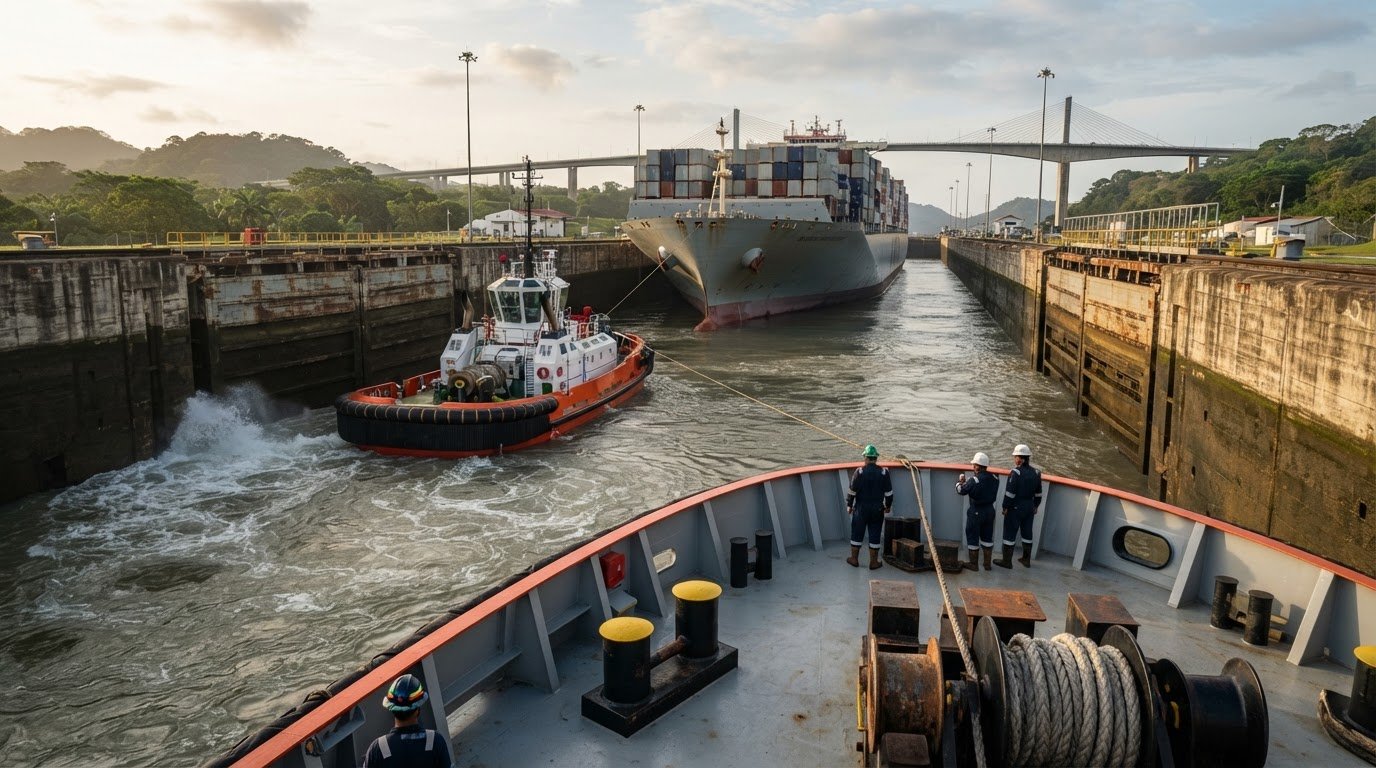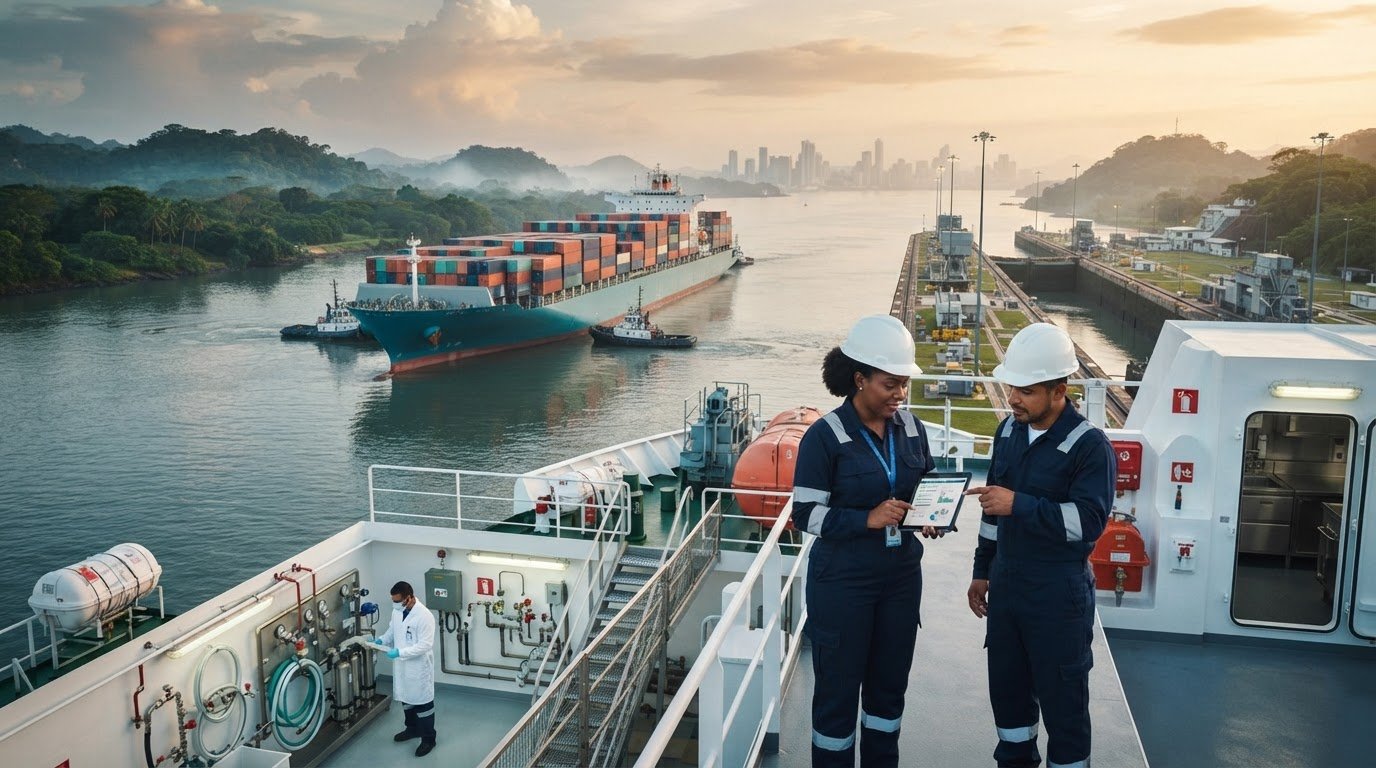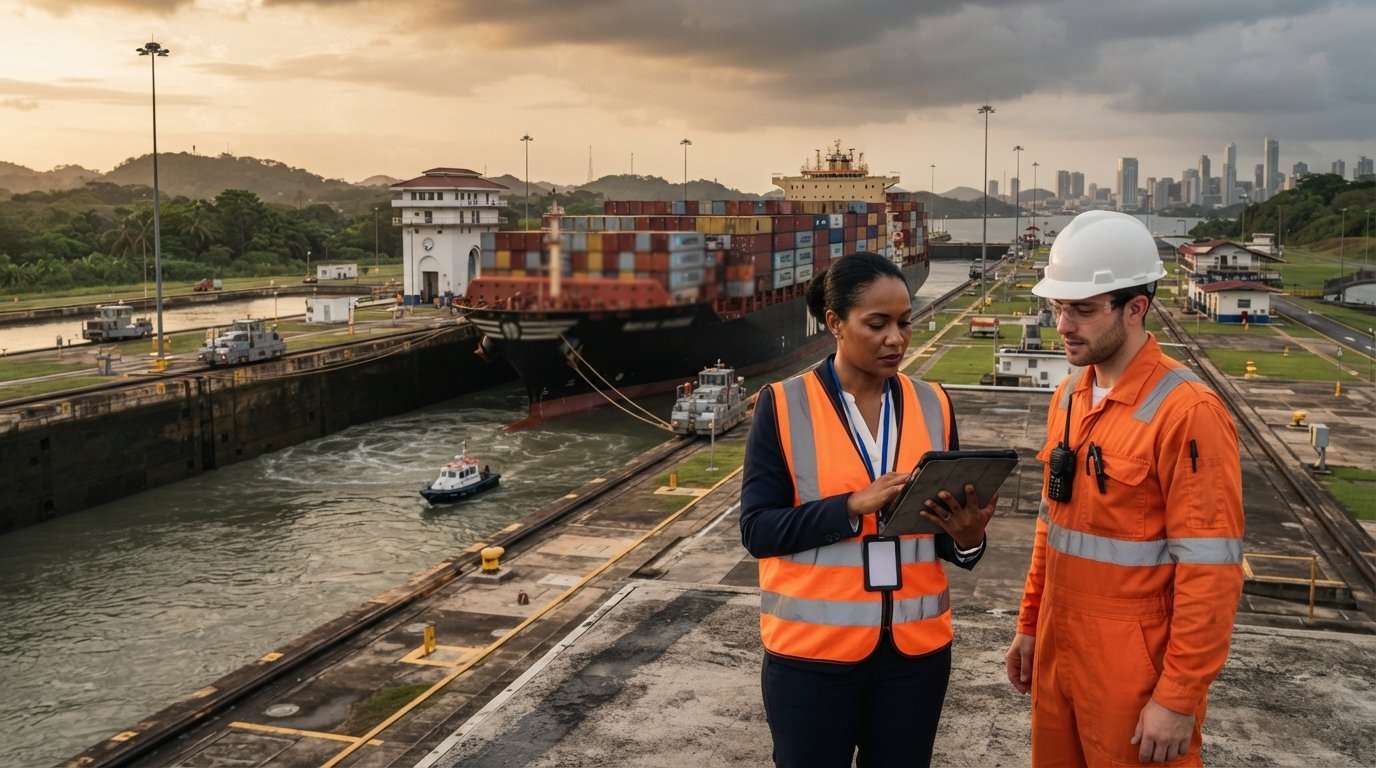

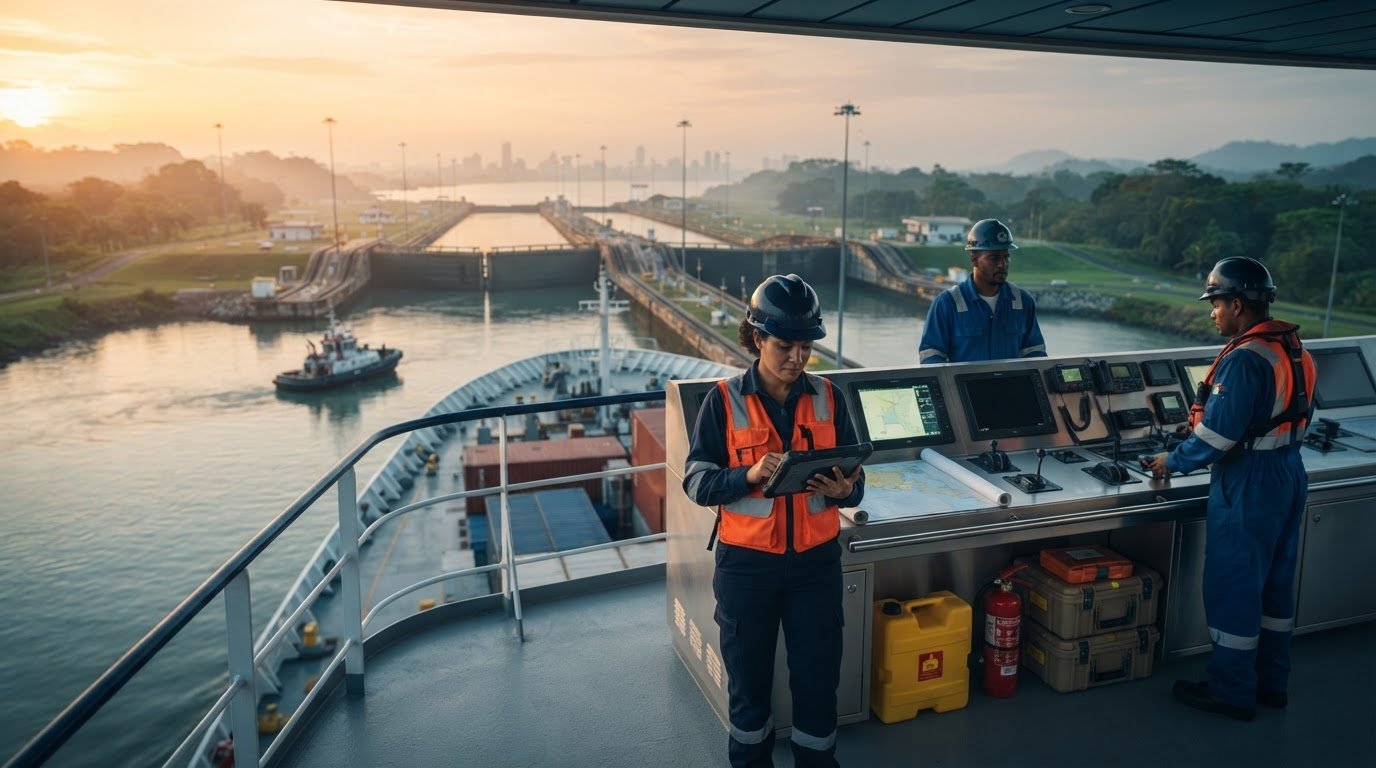
Treating your canal emergency contact as a simple filing formality can stall your voyage before it even begins. Securing a certified PCSOPEP authorized person Panama is genuine operational security, not just administrative paperwork. You already know how frustrating it is to reconcile standard MARPOL SOPEP guidelines with rigid Panama Canal Authority (ACP) mandates, especially when an unresponsive representative leaves your bridge team stranded during an urgent clearance check.
You don’t have to risk heavy non-compliance penalties, technical holds, or boarding delays at the locks. By mastering local spill response regulations and establishing direct communication with an experienced Panamanian Authorized Person, you protect your schedule and ensure seamless coordination between your crew, OSRO contractors, and canal traffic control. In this 2026 compliance guide, we examine ACP legal requirements, strict VUMPA submission windows, and actionable strategies to ensure your vessels achieve transit authorization without friction.
Key Takeaways
- Understand the statutory criteria established by the Panama Canal Authority (ACP) and why MARPOL SOPEP documentation alone cannot grant waterway transit clearance.
- Learn how appointing a qualified PCSOPEP authorized person Panama guarantees immediate, on-the-ground emergency liaison between your vessel master, canal control, and certified OSRO contractors.
- Identify the hidden operational risks of unvetted compliance brokers and how local technical representation prevents costly boarding holds and clearance disputes.
- Review the 2026 pre-arrival timeline, including critical VUMPA filing windows and four-year plan verification steps required before entering canal waters.
- Discover how integrating vessel husbandry, local port agency, and dedicated spill response representation streamlines transit coordination across Panamanian terminals.
What Is a PCSOPEP Authorized Person in Panama Canal Waters?
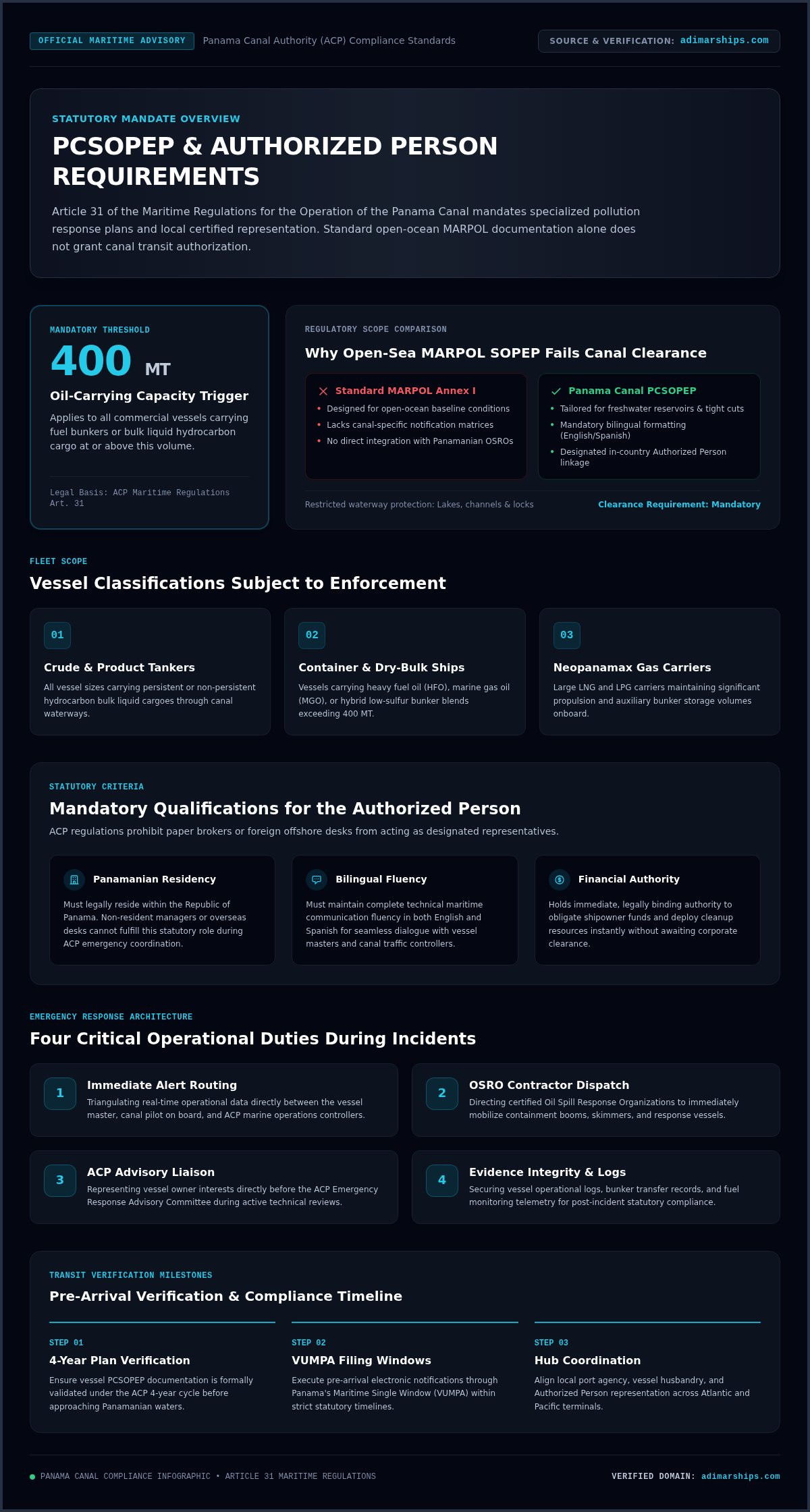
Every commercial vessel transiting the Panama Canal with an oil-carrying capacity of 400 metric tons or more, whether carrying fuel bunkers or bulk liquid cargo, is legally required to implement an Authority-approved response plan and appoint a certified local liaison. This designated shore-side representative is not just an administrative signatory. Under Panamanian maritime regulations, appointing an accredited PCSOPEP authorized person panama establishes a legally binding operational bridge between the vessel master, private cleanup contractors, and canal traffic managers.
Many international operators mistakenly assume standard open-ocean compliance suffices across the Isthmus. It does not. While global voyages rely on documentation approved under the International Maritime Organization framework, transiting the waterway requires adherence to a specialized Panama Canal Ship Oil Pollution Emergency plan. The canal’s freshwater reservoirs, tight channels, and dense transit schedules make local spill readiness far more demanding than open-sea MARPOL Annex I baselines.
The Legal Mandate Under ACP Regulations
The requirement stems directly from Article 31 of the Maritime Regulations for the Operation of the Panama Canal. The Panama Canal Authority (ACP) mandates that vessels carrying oil as primary cargo or fuel bunkers exceeding the 400 metric ton threshold carry an active, validated response plan. Standard MARPOL plans fail local technical inspections because they lack canal-specific notification matrices, bilingual formatting, and mandatory local integration.
The mandate applies to a broad range of commercial traffic, including:
- Crude and product tankers: All sizes carrying persistent or non-persistent hydrocarbon cargoes.
- Container and dry-bulk vessels: Ships carrying heavy fuel oil, marine gas oil, or hybrid low-sulfur blends exceeding threshold limits.
- Neopanamax gas carriers: LNG and LPG vessels with significant bunker storage volumes.
Core Capabilities Demanded of the Designated Representative
Your designated PCSOPEP authorized person panama must reside legally within the Republic of Panama. Non-resident managers or foreign offshore agencies cannot fulfill this statutory role. In an incident, ACP inspectors will not coordinate with overseas desks across mismatched time zones.
The representative must possess technical maritime fluency in both English and Spanish. When canal traffic control centers initiate incident protocols, instructions require rapid, error-free interpretation. Most critically, your Authorized Person must hold immediate, legally binding financial commitment authority. If containment operations escalate, they must dispatch local resources, approve spill response actions, and obligate the shipowner’s funds without waiting for international corporate clearance.
Key Operational Duties of an Authorized Person During Transit Emergencies
When an accidental discharge or hull compromise occurs in canal approaches, response intervals are measured in minutes. Unlike open seas governed broadly by the main international convention for pollution prevention, an incident within restricted locks or narrow channels like the Culebra Cut immediately threatens global supply chains. A qualified PCSOPEP authorized person panama operates as your direct command bridge, translating technical distress on the vessel into swift, compliant field coordination.
During active incidents, the Authorized Person performs four critical tasks under Panama Canal Authority (ACP) supervision:
- Immediate alert routing: Triangulating data between the vessel master, the canal pilot, and marine operations controllers.
- Contractor dispatch: Directing approved Oil Spill Response Organizations (OSRO) to deploy containment booms and skimmers.
- Advisory liaison: Representing vessel interests directly before the ACP Emergency Response Advisory Committee.
- Evidence integrity: Securing vessel operational logs, bunker transfer records, and fuel monitoring data for post-incident reviews.
Immediate Incident Notification and Response Triangulation
The first 60 minutes determine the trajectory of your vessel’s delay. The moment an accidental discharge occurs, the bridge team alerts the ACP transit pilot, who immediately notifies canal traffic dispatchers at Cristobal or Balboa. Concurrently, the master contacts the shore-side representative.
Your representative confirms the product type, calculates drift risks against channel currents, and delivers real-time updates to ACP dispatchers. This technical liaison keeps commercial transit channels clear, coordinating evasive maneuvers or emergency anchorage to avoid total fairway closures.
Liaison with Certified Spill Response Contractors
Local law prohibits foreign operators from deploying unauthorized equipment in canal waters. Instead, clean-up operations rely on ACP-certified OSRO entities. Your appointed representative acts as the contractual catalyst, immediately activating pre-arranged response agreements with local contractors without administrative lag.
Beyond asset mobilization, your representative audits contractor activities on site. They ensure deployed cleanup measures strictly match the spill’s scale, eliminating bloated invoicing and unjustified resource staging during high-stress recovery efforts. Partnering with seasoned specialists through dedicated PCSOPEP representation ensures your ship retains operational control while satisfying stringent canal standards.
Evaluating PCSOPEP Providers: Local Technical Readiness vs Paper Brokering
Selecting a compliant representative involves far more than securing a rubber stamp on a plan submission. Many foreign operators contract low-cost paperwork brokers who simply list a residential Panamanian address on documentation. These shell entities provide no technical field readiness. When an emergency strikes, an unresponsive intermediary can lead to immediate operational paralysis, missed transit windows, and aggressive regulatory scrutiny. Understanding why a Panama Canal ships agent is your most valuable asset helps operators distinguish between passive brokers and proactive maritime partners.
To avoid costly operational deadlocks, compare the structural capabilities of genuine maritime response desks against administrative middlemen:
| Operational Capability | Dedicated Technical Agency | Paperwork Intermediary |
|---|---|---|
| Incident Response | Direct desks at Balboa and Cristobal; rapid boarding capability | Remote call forwarding or unmonitored messaging |
| ACP Authority Relations | Daily coordination with safety and clearance inspectors | Third-party filing reliance without official working ties |
| Emergency Funds | Pre-established financial credit lines with certified OSRO contractors | Zero local liquidity, requiring advance offshore wire transfers |
| Transit Monitoring | Real-time slot tracking and lockage support | Passive document filing with no active voyage monitoring |
Critical Selection Criteria for Marine Superintendents
Vetting a certified PCSOPEP authorized person panama requires evaluating active technical capacity. Confirm that your prospective partner maintains round-the-clock operational oversight from physical offices in Panama City or Colon rather than using automated forwarding services. Operators should demand proof of direct liaison protocols with the Panama Canal Authority (ACP) and confirm the provider understands the strict navigation parameters governing both historical Panamax chambers and wider Neopanamax lock complexes.
The Hidden Operational Cost of Paper-Only Agents
Budget representation proves expensive when minor discrepancies trigger major delays. If canal inspectors conduct a random compliance spot-audit and the designated contact fails to answer technical queries immediately, the vessel faces technical holds and lost booking priority. In active containment situations, an intermediary without pre-cleared credit lines cannot dispatch spill containment resources promptly. Partnering with a vigilant, on-the-ground agency protects shipowners against unnecessary penalties while preserving commercial reputations across the waterway.
Vessel Compliance Checklist: Securing Panama Canal PCSOPEP Clearance in 2026
Rigorous pre-arrival verification prevents avoidable transit holds and keeps your voyage on schedule. Integrating spill response compliance into your operational planning ensures seamless lockage approval long before your ship reaches the breakwater. For a comprehensive overview of navigation requirements, review our complete guide to Panama Canal transit. Technical superintendents must follow a disciplined verification timeline to secure unconditional clearance.
Follow this operational checklist to ensure full regulatory alignment:
- 96 hours prior to arrival: Transmit mandatory vessel cargo, bunker, and security declarations via the single-window electronic platform.
- 30 days prior to expiration: Initiate the four-year plan re-validation process with your local representative to avoid documentation lapses.
- Prior to lock entry: Verify that active contact details for your appointed PCSOPEP authorized person panama are posted visibly on the ship’s navigation bridge.
- Quarterly: Log shipboard spill response drills simulating canal-specific communication escalation procedures.
Plan Verification and Pre-Arrival Submissions
Every commercial vessel carrying persistent hydrocarbons or heavy bunkers must submit its electronic pre-arrival documentation package through the Ventanilla Única Marítima de Panamá (VUMPA) at least 96 hours before arriving in canal waters. Digital verification systems automatically check plan status against active records. Consult our Panama Canal Authority complete guide to ensure your bridge documentation reflects the latest operational circulars.
Your shore representative confirms that the vessel’s formal Notice of Acknowledgement remains valid and registers the compliance confirmation letter directly with ACP boarding officials. This timely electronic clearance ensures boarding inspectors grant transit authorization without administrative friction or physical delays.
On-Board Crew Readiness and Documentation Audits
Physical readiness on board must match the submitted paperwork. ACP safety inspectors routinely review the vessel’s emergency response station bill to confirm crew assignments align with Panama Canal spill response protocols. Bridge teams must maintain clear, signed records of periodic communication exercises conducted with their shore liaison.
Master turnover briefings should formally log the Authorized Person contact directory, ensuring relief officers know the exact notification protocol. To secure dependable oversight and ensure uninterrupted transit clearance, appoint Adimar Shipping as your Authorized Person today.
Appointing Adimar Shipping as Your PCSOPEP Authorized Person in Panama
Managing canal compliance demands absolute operational certainty. With over 20 years serving the international maritime industry in Panama, Adimar Shipping, Inc. provides an experienced shore-side extension of your operations team on the ground. Delegating statutory emergency coordination to our dedicated compliance desk protects vessel owners from crippling canal downtime, ensuring direct liaison protocols with the Panama Canal Authority (ACP) and immediate response readiness across every transit stage.
Our integrated maritime framework delivers continuous vigilance throughout your voyage:
- Single-point accountability: Harmonizing port agency attendance, husbandry logistics, and emergency plan representation under one roof.
- Round-the-clock oversight: Active transit monitoring managed directly from our local operational offices in Panama City.
- Proven regulatory standing: Two decades of established working relationships with ACP marine safety and boarding personnel.
- Proactive plan governance: Rigorous tracking of four-year plan renewal milestones and 96-hour pre-arrival filing windows.
Integrated Representation for Seamless Transits
Fragmenting responsibilities between separate port agents and disconnected compliance brokers invites communication breakdowns. When an unexpected navigation hold or minor bunker leak develops, multiple vendors often trade blame while port fees escalate. Adimar Shipping, Inc. unites full ship agency coordination with statutory emergency representation.
This consolidated model ensures that boarding formalities, crew rotations, bunker logistics, and pollution compliance move in lockstep. Our desk monitors your vessel from initial entry at Pacific or Atlantic anchorages through the lock chambers to blue-water departure. For a detailed breakdown of our onboarding workflows, consult our dedicated PCSOPEP authorized person service guide.
How to Formally Nominate Your Authorized Representative
Establishing formal representation requires zero operational disruption for your technical team. Whether managing a spot transit or negotiating a long-term agreement for a global fleet, our nomination procedure is straightforward and efficient.
To appoint Adimar Shipping, Inc. as your certified PCSOPEP authorized person panama, email your vessel particulars, current plan expiration date, and tentative itinerary directly to our operations desk at agency@adimarships.com. Our technical team conducts an immediate audit of your documentation, files the required confirmation endorsements with ACP authorities, and delivers verified compliance certificates long before your vessel reaches the channel fairway.
Secure Uninterrupted Transit Clearance Across Panama Canal Waters
Operating across the Panama Canal leaves no margin for administrative oversight. Appointing a dedicated PCSOPEP authorized person panama transforms statutory paperwork into an active shield against boarding delays, channel holds, and operational confusion. Meeting the strict 96-hour pre-arrival notification window and backing your vessel with a legally empowered local representative ensures your crew, OSRO contractors, and canal controllers operate in total alignment.
Adimar Shipping stands as your vigilant partner on the ground. Backed by over 20 years serving the international maritime industry in Panama, our Panama City operations desk provides round-the-clock technical liaison protocols directly with Panama Canal Authority (ACP) officials. By seamlessly integrating ship agency services, vessel husbandry, and emergency plan representation, we eliminate third-party miscommunication and protect your bottom line from arrival to departure.
Safeguard your schedule before your vessels reach fairway waters. Nominate Adimar Shipping as your PCSOPEP Authorized Person to secure confident, compliant passage across every lock and channel.
Frequently Asked Questions
What is the primary role of a PCSOPEP Authorized Person in Panama?
The primary role is serving as the mandatory shore-based operational liaison between your vessel, the Panama Canal Authority (ACP), and certified local cleanup contractors. Your appointed representative manages immediate incident communications, coordinates directly with canal traffic dispatchers, and ensures continuous compliance with Panamanian environmental regulations. They act as an empowered local extension of your operations team, maintaining active oversight to protect your vessel against transit holds and costly operational downtime.
Is a global MARPOL SOPEP plan sufficient for transiting the Panama Canal?
No, a standard MARPOL Annex I SOPEP does not satisfy ACP navigation rules. The Panama Canal operates under distinct statutory criteria requiring a specialized, bilingual plan with a designated representative residing legally within Panama. Global plans lack canal-specific notification matrices, local response escalation chains, and pre-integrated agreements with local Oil Spill Response Organizations. Without a separate, ACP-approved PCSOPEP, authorities will not issue transit clearance for your ship.
Which vessels are legally required to appoint a PCSOPEP Authorized Person?
Any commercial vessel carrying 400 metric tons or more of oil as cargo or fuel bunkers must maintain an approved plan and designate a certified PCSOPEP authorized person panama. This mandate applies across diverse vessel classes, including crude tankers, refined product carriers, container ships, bulk carriers, and Neopanamax gas carriers. Operators must confirm their appointed representative holds legal Panamanian residency and maintains active standing with canal authorities.
How far in advance of arrival must a vessel verify its PCSOPEP status?
You should verify documentation months in advance, but formal pre-arrival filings must occur at least 96 hours before entering canal waters. Electronic confirmation data must be submitted through the single-window VUMPA system. Missing this strict operational window or submitting clerical discrepancies risks automated rejection, administrative fines, and forfeited booking slots. Approved plans remain valid for four years, requiring timely re-validation before expiration.
Can our general port agent also serve as our PCSOPEP Authorized Person?
Yes, provided the ship agency maintains dedicated technical qualifications and legal authorization under ACP standards. Choosing an established provider like Adimar Shipping to manage both port agency duties and emergency plan representation streamlines transit logistics significantly. Integrating husbandry, booking clearance, and spill response coordination under one roof eliminates miscommunication between competing third parties, providing complete oversight from initial anchorage to canal departure.
What happens if a vessel enters Panama Canal waters without an approved PCSOPEP?
Entering canal operational waters without an approved plan or active representation triggers immediate technical detention, steep administrative penalties, and cancelled transit reservations. Canal authorities will hold the ship at outer anchorages until emergency compliance documentation is submitted and vetted. Resolving documentation holds at the breakwater causes extensive delays, making advance appointment of a certified PCSOPEP authorized person panama vital to maintaining your voyage schedule.
Does the Authorized Person have authority to commit funds during an emergency?
Yes, the Authorized Person must hold legally binding financial commitment authority on behalf of the vessel owner. If an accidental spill or hull breach occurs, the representative must possess immediate clearance to obligate corporate funds for certified containment teams, cleanup craft, and barrier booms. The ACP strictly enforces this requirement so emergency response maneuvers proceed instantly without waiting for overseas corporate authorisations.