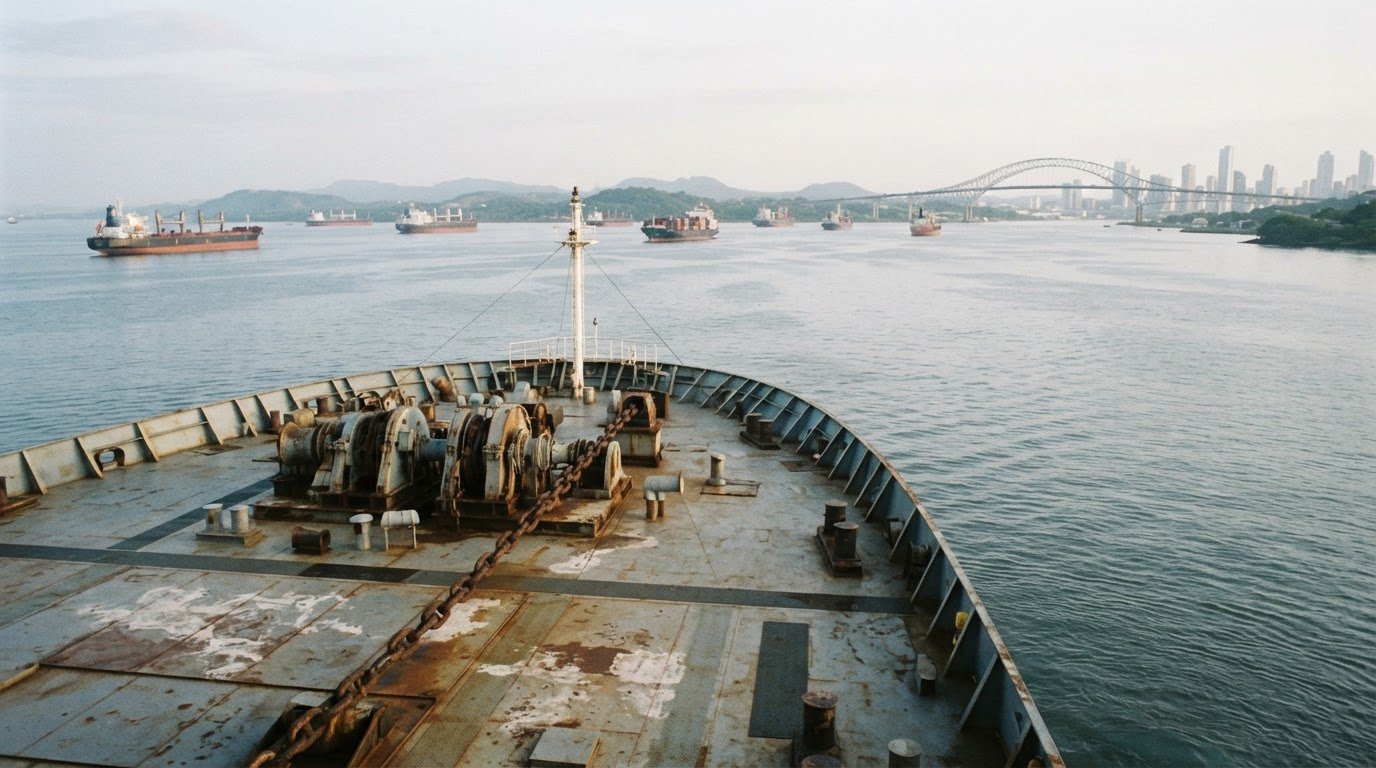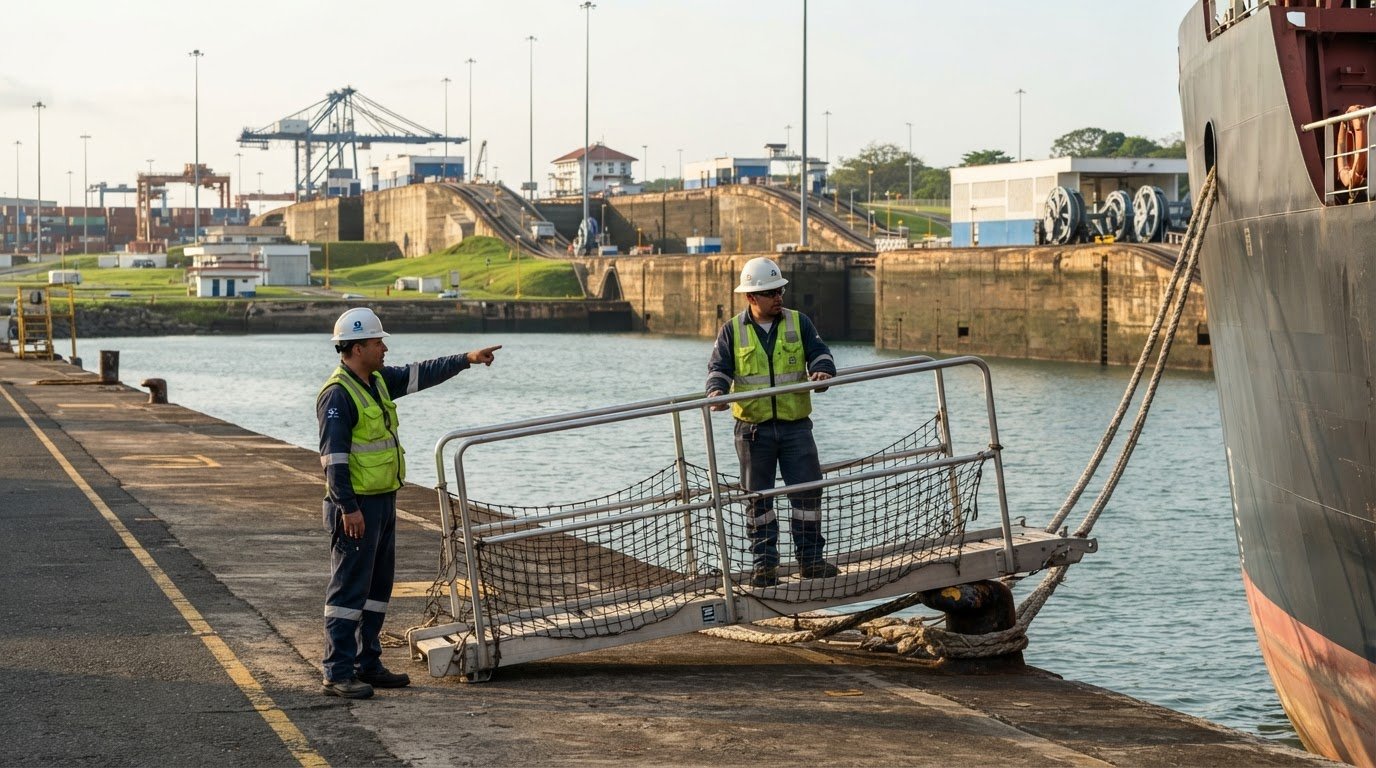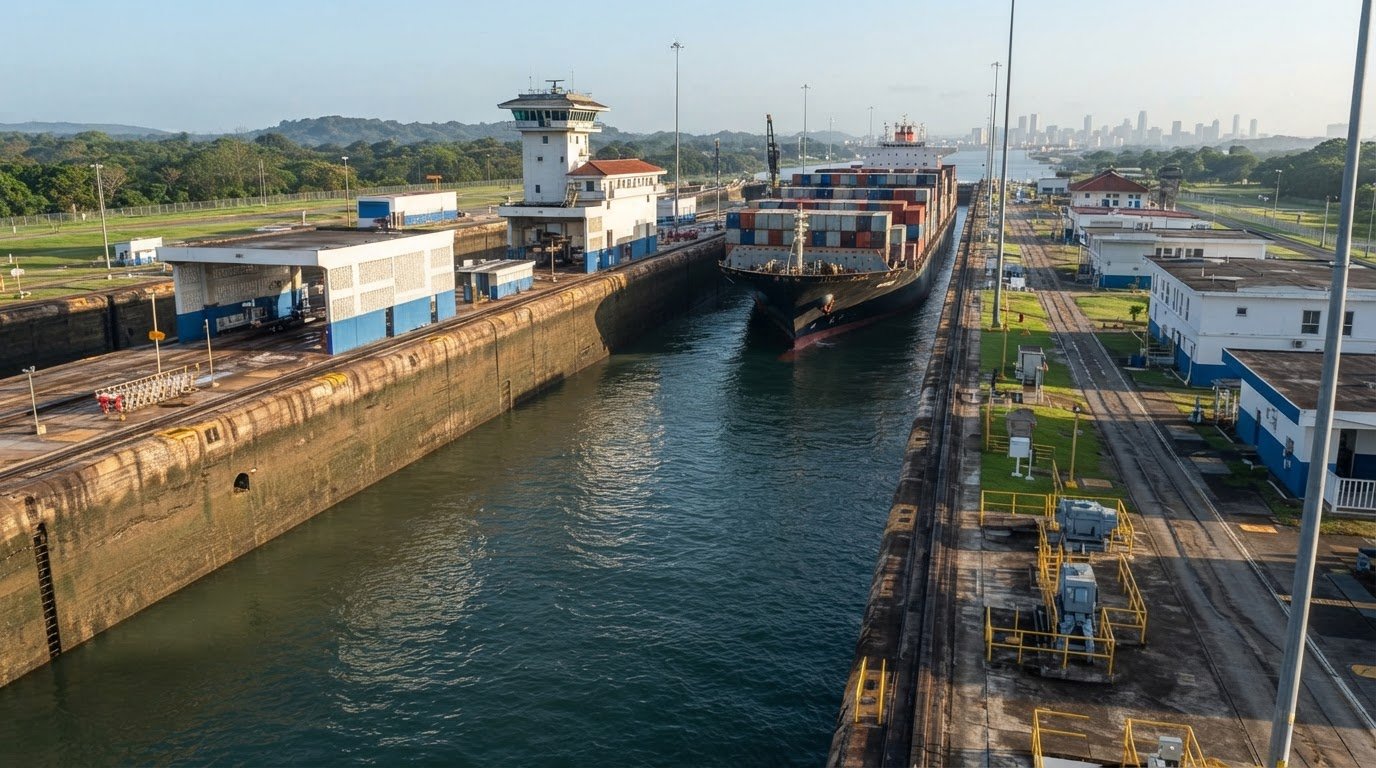

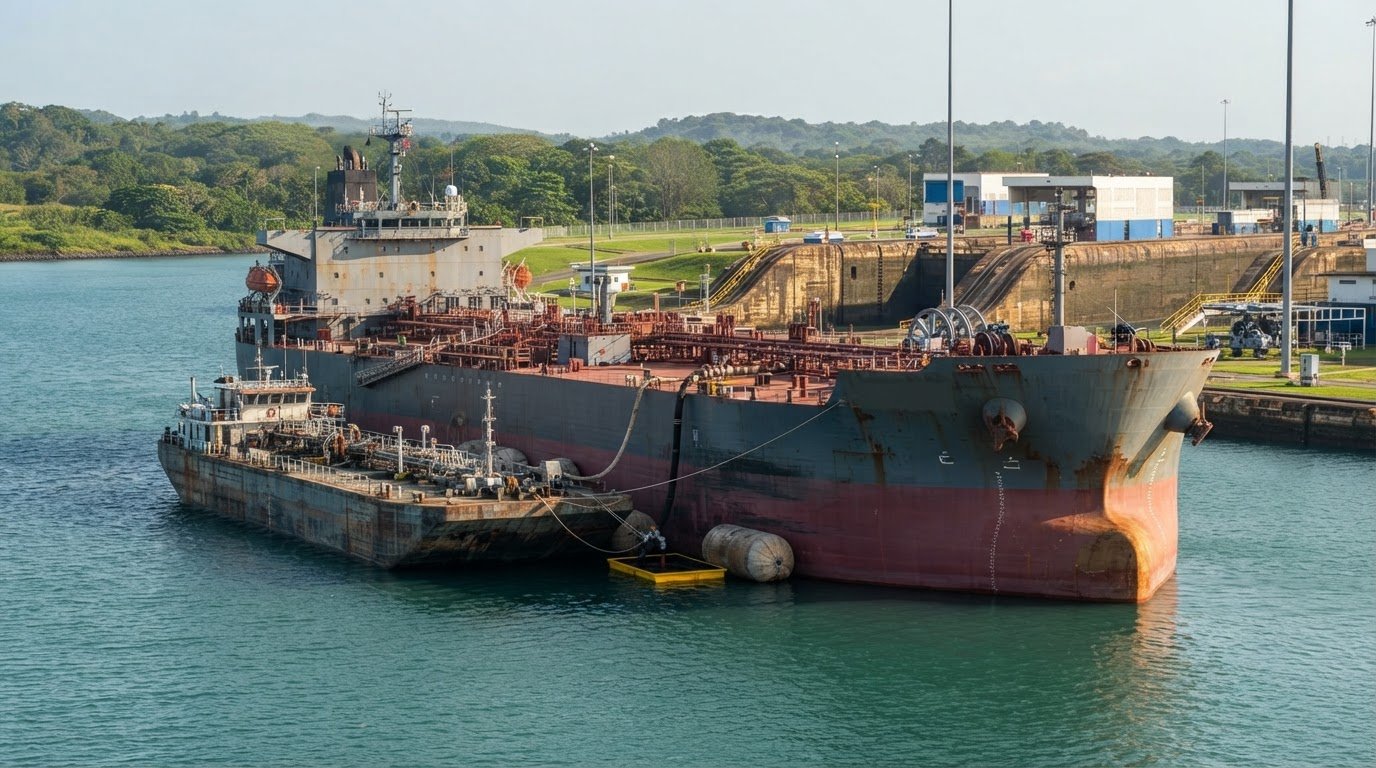
A fuel call at the Panama Canal depends on the bunkering location and the required authorization. At the Atlantic Outer Anchorage, bunkering is permitted only in good weather and with ACP authorization. Outside designated approved areas, Canal Authorities’ approval is required before the activity is scheduled or begins. A bunkering agency at the Panama Canal helps coordinate the arrangements with the vessel’s operational schedule.
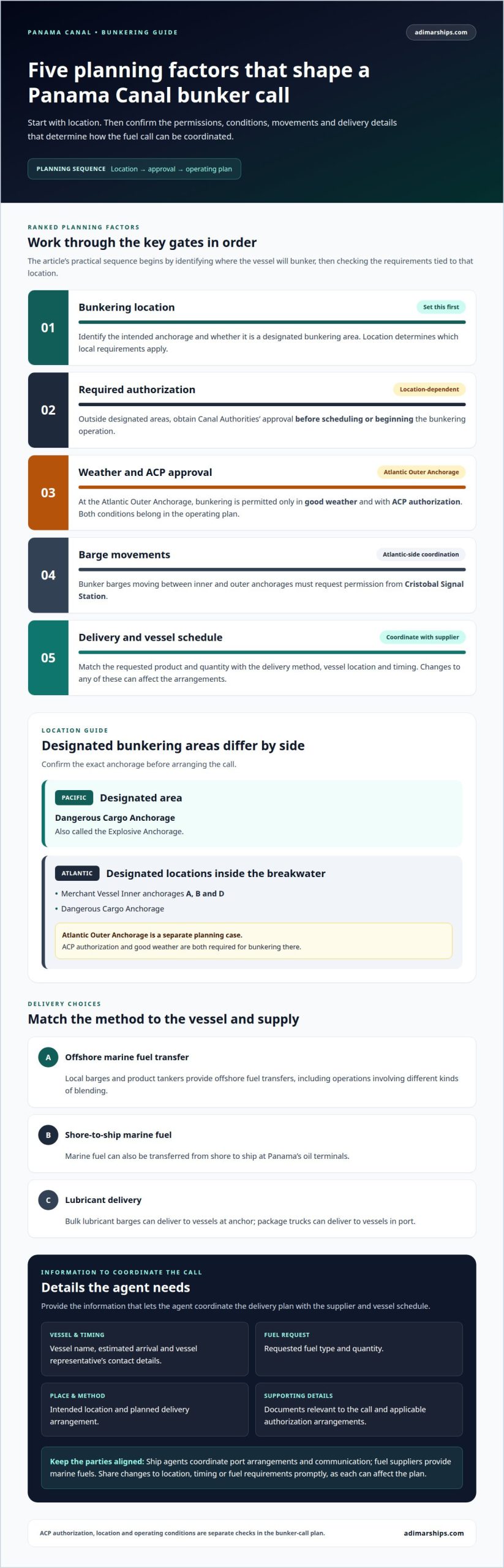
Fuel planning involves several moving parts, and a change in location or timing can affect coordination. This guide explains how ACP authorization applies, where designated bunkering areas are located, and how to organize the operation. You’ll also learn how agency support can help coordinate a vessel’s fuel call and clarify the next steps under local requirements.
Key Takeaways
- Understand when ACP authorization is required and how weather conditions affect bunkering at the Atlantic Outer Anchorage.
- Learn how designated bunkering locations differ between the Atlantic and Pacific sides of the Canal.
- See how movement permissions and operational reporting fit into coordinating a bunker barge call.
- Recognize how ship agency and husbandry support can help align a vessel’s fuel call with its port and transit arrangements.
ACP authorization for bunkering
ACP authorization is a planning gate for bunkering at the Panama Canal’s Atlantic Outer Anchorage. The Panama Canal Authority Advisory to Shipping No. A-29-2022 is dated 29 August 2022. At this anchorage, bunkering is permitted only in good weather and after authorization from the ACP. A vessel’s fuel call therefore depends on both the proposed location and operating conditions.
Approval is also required outside designated bunkering areas. At the Panama Canal, Canal Authorities’ approval must be obtained before scheduling or beginning bunkering in these locations. This makes location an early planning decision, not a detail to leave until the barge is ready. Any proposed anchorage outside the approved list needs approval before the call is arranged.
For practical coordination, establish the intended bunkering location first. Then confirm whether it is a designated area or an outside location that requires approval. At the Atlantic Outer Anchorage, include ACP authorization and suitable weather conditions in the operating plan. This helps prevent a fuel transfer from proceeding on the assumption that the location alone grants permission.
- Identify the location. State whether the vessel plans to bunker at the Atlantic Outer Anchorage or elsewhere.
- Account for approval. For an outside area, obtain Canal Authorities’ approval before scheduling or starting bunkering.
- Consider conditions. At the Atlantic Outer Anchorage, authorization and good weather are both required.
What are current bunker fuel prices in Balboa and Colón? Prices depend on fuel grade, volume, delivery location, and timing. The quote for a particular vessel’s fuel call reflects these factors.
Authorization and price are separate planning questions. Approval concerns where and under what conditions bunkering may take place; the fuel quote concerns the requested product and delivery. Keeping both in view helps align the proposed call with the vessel’s schedule. An experienced local bunkering agency can coordinate these moving parts while keeping the ACP’s location and weather requirements central to the plan.
Bunkering in the Panama Canal
Bunkering arrangements differ between the Atlantic and Pacific sides of the waterway. Designated areas, delivery methods, and approval requirements all shape how a fuel call is planned through our Panama City office.
Agencies Operating in Canal Ports
Ship agents coordinate a vessel’s port arrangements, while fuel suppliers provide marine fuels. These are distinct roles, even when both parties are involved in the same call. Operating from Panama City, Adimar Shipping, Inc. focuses on how the agent aligns the planned delivery location and timing with the supplier’s operation.
Canal-side coordination also depends on the selected anchorage. On the Atlantic side, bunker barges moving between inner and outer anchorages must request permission from Cristobal Signal Station. This makes local operational coordination an important part of the call, alongside the fuel order.
Fuel Types and Delivery Methods
Panama’s ship-transfer operations include fuels, crude oil, liquefied gas, and petroleum products. Local barges and product tankers provide offshore marine fuel transfers, including operations involving different kinds of blending. The selected product and delivery arrangement should match the vessel’s requirements and planned location.
Marine fuel can also be transferred from shore to ship at Panama’s oil terminals. Lubricants can be delivered to vessels at anchor by bulk lubricant barge, or to vessels in port by package truck. These options differ from a bunker-barge transfer, so the vessel’s location and supply requirements determine the suitable method.
Balboa and Colón sit on opposite sides of the region, and their designated bunkering areas differ. On the Pacific side, the designated area is the Dangerous Cargo Anchorage, also called the Explosive Anchorage. On the Atlantic side, designated locations inside the breakwater include Merchant Vessel Inner anchorages A, B, and D, as well as the Dangerous Cargo Anchorage. Arrangements at nearby ports depend on their location and applicable operating requirements.
For a call at the Atlantic Outer Anchorage, weather conditions and ACP authorization determine whether bunkering can proceed. Changing conditions or a location outside approved areas can disrupt the plan. Costs depend on the fuel requested, quantity, delivery location, and timing; cancellation exposure depends on the arrangements agreed for the call. Establishing the port, product, and delivery method early helps Adimar Shipping, Inc. coordinate the supplier and vessel schedule.
Bunkering operations coordination
A fuel call involves more than selecting marine fuel. Vessel details, delivery location, supplier arrangements, and the operating schedule need to align.
Agency Services
A ship agency coordinates communication between the vessel, its representatives, and the parties involved in a port call. For bunkering, this means aligning the requested fuel delivery with the vessel’s location and schedule, then sharing operational updates with the relevant parties.
Panama’s local barges and product tankers provide offshore fuel transfers, including transfers involving different kinds of blending. Coordination connects the vessel’s requirements with the planned delivery method. Effective agency support helps ensure key call details and changes reach the people responsible for the operation.
Arranging a Bunker Delivery
To request a delivery, provide the vessel’s name, intended location, estimated arrival, requested fuel type and quantity, and the vessel representative’s contact details. Include documents relevant to the call and applicable authorization arrangements. Clear, complete information gives the agent a practical basis for coordinating the request.
The agent can then coordinate the delivery plan with the supplier and account for the vessel’s schedule. Share changes to location, timing, or fuel requirements promptly, since each can affect the arrangements. This is how a bunkering agency at the Panama Canal connects the vessel with the delivery operation through clear communication.
At Balboa or Colón, delivery duration depends on the quantity ordered, transfer rate, delivery method, and the vessel’s readiness. Shore-to-ship transfers and barge deliveries involve different arrangements, so timing depends on the specific operation rather than a standard duration.
Before the call, the vessel’s representative and agent can align the delivery window with port movements and the vessel’s schedule. During the operation, updates on progress or changed conditions help the parties coordinate next steps. Clear vessel information at booking, followed by timely communication, supports an orderly fuel call.
What services does a bunkering agency provide in the Panama Canal?
A vessel’s fuel call requires coordination between its representatives, the supplier, and local operations. In Panama, agency support connects these arrangements with the vessel’s port call and other service needs.
For example, an agent can coordinate communications around the vessel’s intended delivery location and schedule. The agent’s role is to coordinate, not to supply fuel or operate the Canal. Clear communication helps keep the vessel’s representatives and the parties involved aligned as arrangements develop.
Support can also extend to husbandry needs during a vessel’s stay. Lubricants, for example, can be delivered to a vessel at anchor by bulk lubricant barge, or to a vessel in port by package truck. The vessel’s location and requested supply determine the delivery method.
For coordination to be effective, the vessel’s representative should share the call requirements and any schedule changes with the agent. The agent can relay relevant updates among the parties involved. A change in anchorage, timing, or delivery method may affect the arrangements, so keeping communications current matters.
- Call coordination: Align vessel, supplier, location, and timing information.
- Local communication: Keep relevant parties informed as arrangements change.
- Related husbandry: Coordinate suitable lubricant delivery logistics for an anchored or berthed vessel.
These services are useful when a vessel needs local coordination for a Panama Canal call, especially when fuel delivery and other port needs overlap. For a vessel at anchor, bulk lubricant barge delivery differs from package-truck delivery at port. Sharing the vessel’s location and operational requirements helps determine which arrangements suit the call.
Contact Adimar Shipping, Inc. to discuss coordination for your vessel’s Panama Canal call and align local agency arrangements with its fuel and husbandry needs.
A listing in Panama identifies NOLKATA as a local fuel oil provider and names the vessel RAFAEL, but gives no licence number. Provider listings and local agency coordination are separate parts of a vessel’s arrangements.
Adimar Shipping
Adimar Shipping, Inc. helps ship owners and charterers coordinate vessel arrangements for Panama Canal calls. Its Ship Agency Services, including Owner’s Nominated Agency and Charterer’s Nominated Agency, provide a local point of coordination for communications and operational planning. Husbandry Services support related vessel needs during the call.
Turn to Adimar Shipping, Inc. when a planned fuel call needs to fit alongside the vessel’s wider port and transit arrangements. Share clear information about the vessel’s schedule, intended location, and requirements to guide coordination with the relevant parties.
Contact Adimar Shipping, Inc. to discuss agency support for your vessel’s Panama Canal call.
Plan Your Next Panama Canal Fuel Call
The next step is to turn your vessel’s fuel requirements into a clear coordination plan. Define the requested supply, intended location, and timing, then align these decisions with the vessel’s wider port call. This gives your representatives a practical starting point for coordinating arrangements with local parties.
Choosing a bunkering agency for the Panama Canal means selecting local support that fits your representation needs. Adimar Shipping, Inc. offers Ship Agency Services, Owner’s Nominated Agency, and Charterer’s Nominated Agency. These services support owners and charterers seeking a local agency partner for vessel arrangements.
Share your vessel’s planned call and agency requirements with Adimar Shipping, Inc. to discuss the appropriate coordination. Contact Adimar Shipping, Inc. to coordinate your vessel’s Panama Canal arrangements. A clear starting point can make the next operational decisions easier to manage.
Frequently Asked Questions
How does vessel bunkering work near the Panama Canal?
A bunker delivery is coordinated around the vessel’s fuel requirements, location, and operating schedule. The vessel’s representative shares the requested product and delivery details, and the agency coordinates communication with the supplier and relevant parties. Once the transfer begins, operational updates keep the vessel and delivery team aligned. At the Atlantic Outer Anchorage, bunker barges report when bunkering starts and when it is completed.
What are Panama Canal rules and permits for bunkering vessels?
ACP authorization and location rules determine whether a planned Canal-area bunkering operation can proceed. At the Atlantic Outer Anchorage, bunkering requires good weather and ACP authorization; outside listed approved areas, Canal Authorities’ approval is required before scheduling or starting. Separately, PCSOPEP is a transit requirement for vessels with oil capacity of at least 400 MT. An Authorized Person residing in Panama must submit it at least 96 hours before arrival. PCSOPEP compliance is distinct from bunkering authorization.
What are the risks, fees, and cancellation terms for Panama Canal bunkering?
Bunkering at the Atlantic Outer Anchorage requires ACP authorization and good weather. Outside approved areas, Canal Authorities’ approval is required before scheduling or starting. Costs depend on the fuel, quantity, delivery location, and timing, while cancellation exposure depends on the arrangements agreed for the call.