
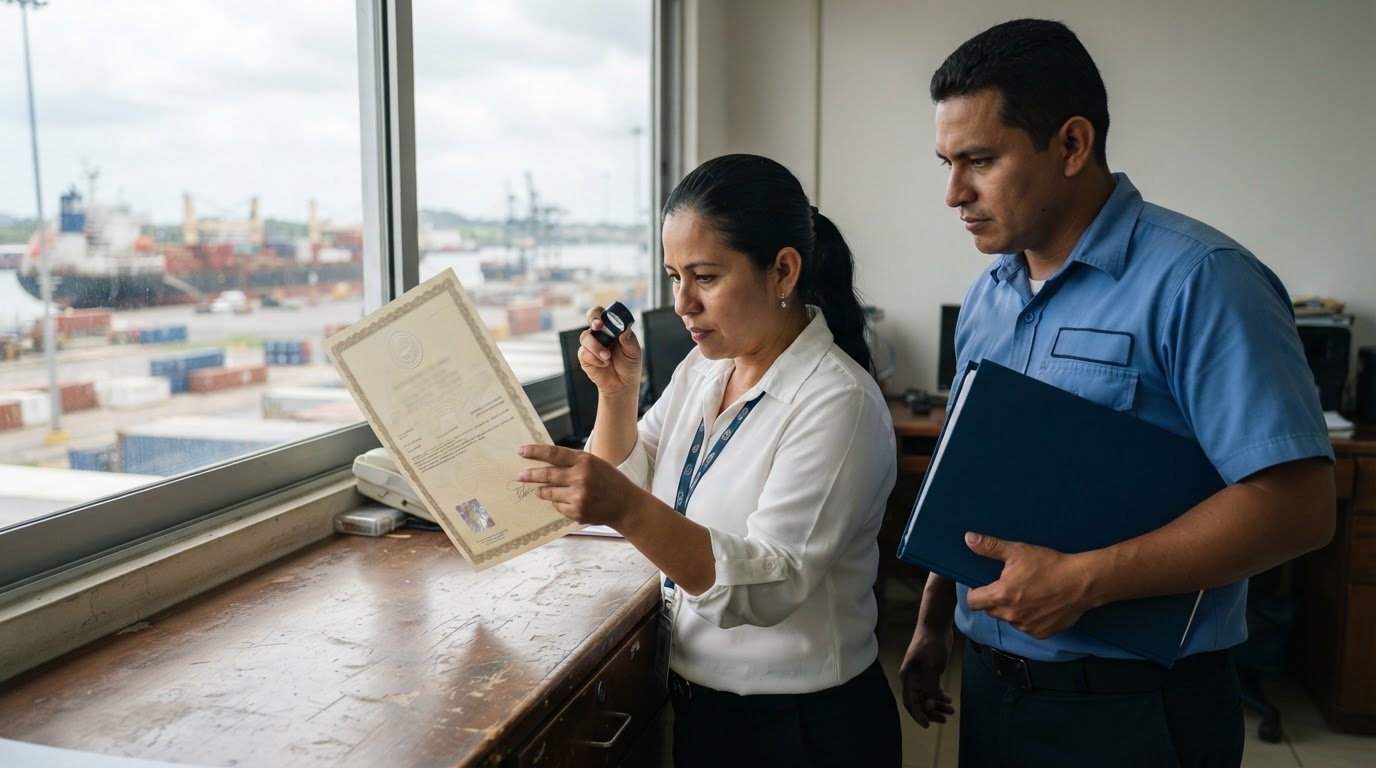
Verifying ship agent licenses in Panama starts with distinguishing a provisional maritime operation license from a full one. A provisional maritime operation license in Panama is valid for 3 months; a Panama maritime operation license has a validity period of 10 years. Confirming which document you’re reviewing helps put its stated status and validity in context.
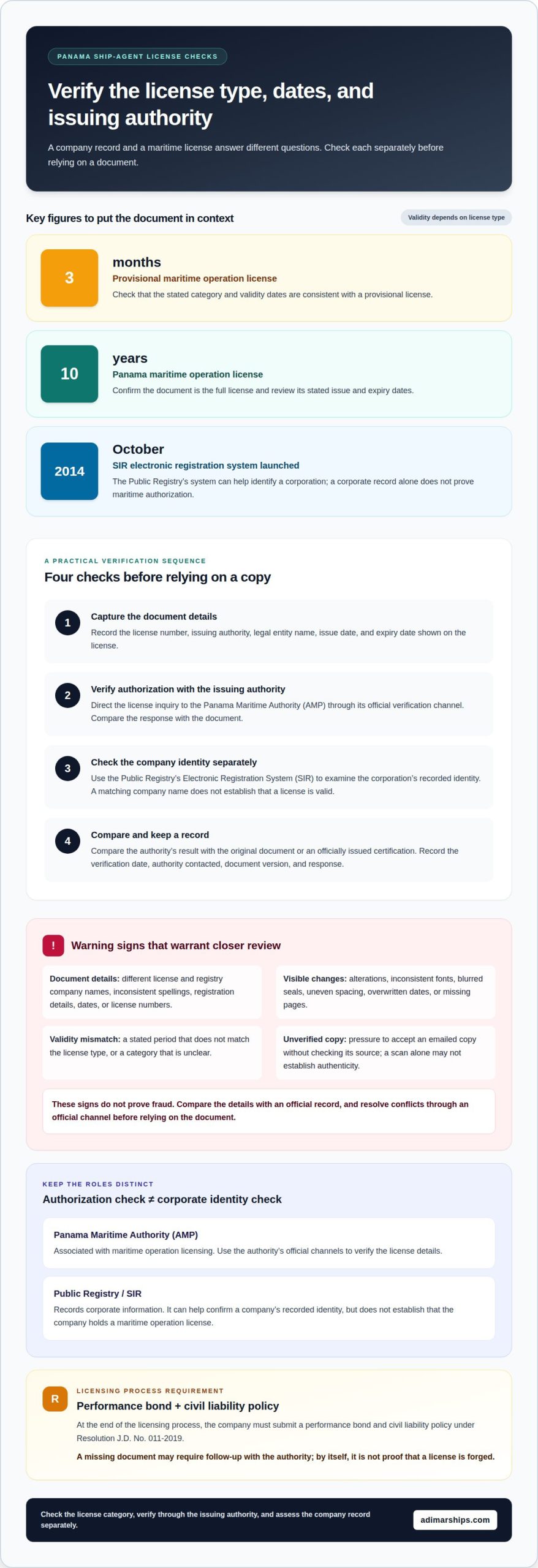
That distinction matters when vessel operations depend on clear representation and reliable coordination. An official-looking document can still raise concerns if its details do not match, so know what to check before relying on it.
This guide explains the license types and qualifications relevant to ship agents in Panama, outlines practical verification steps and warning signs of forgery, and clarifies what shipping agents do during vessel operations. Use it to assess documents and understand how local agency support can help coordinate a vessel’s port and canal arrangements.
Key Takeaways
- Distinguish a provisional maritime operation license, valid for 3 months, from a full Panama maritime operation license, valid for 10 years.
- Learn which document details and inconsistencies can signal possible forgery and how to approach verification.
- Understand which Panama authority oversees ship agent licensing and what an online registry can help establish.
- See how a ship agent supports vessel operations and when agency coordination can help keep a Panama Canal passage organized.
Forgery warning signs and verification steps
Start by identifying the document’s exact purpose. A provisional maritime operation license in Panama is valid for 3 months, while a Panama maritime operation license has a validity period of 10 years. A document claiming a different period deserves closer review, especially if its license type is unclear.
Compare the corporation’s legal name on the license with the entity named in its supporting paperwork. Check spellings, registration details, dates, and license numbers for discrepancies. For example, if the company name on the license differs from its Public Registry record, resolve the mismatch before relying on the document.
Use these steps to assess a copy before accepting it for a maritime operation:
- Record the license number, issuing authority, legal entity name, issue date, and expiry date shown on the document.
- Check the license status and document details through the issuing authority’s official verification channel.
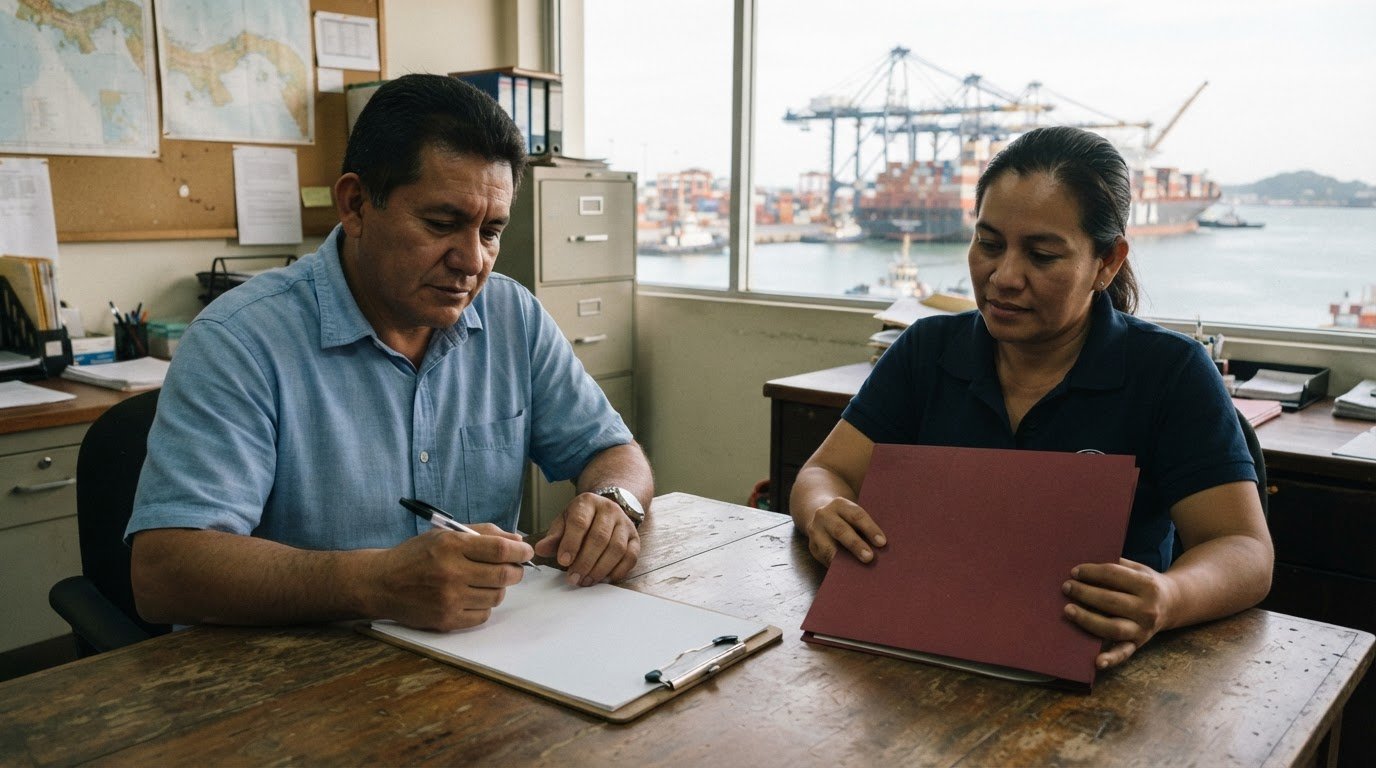
- Compare the result with the original document or a certification issued through an official process. A scan alone may not establish authenticity.
- Review the Republic of Panama company details separately. The Public Registry’s Electronic Registration System, known as SIR, launched in October 2014.
Look for visible alterations, inconsistent fonts, blurred seals, uneven spacing, overwritten dates, or missing pages. These signs do not prove fraud, but they warrant comparison with an official record. Pressure to accept an emailed copy without checking its source is another warning sign.
Check whether the paperwork aligns with the licensing process. At its end, the company must submit a performance bond and civil liability policy under Resolution J.D. No. 011-2019. A missing document may require follow-up with the authority; it is not, by itself, proof that a license is forged.
Keep a dated record of the verification result, the authority contacted, and the copy reviewed. If a detail conflicts, pause reliance on that document until the discrepancy is resolved through an official channel. This creates a clear audit trail for the client and supports sound vessel-operation decisions.
Which Panama authority licenses and regulates ship agents?
The Panama Maritime Authority (AMP) is associated with maritime operation licensing. The Public Registry has a different role: it records corporate information but does not establish that a company holds a maritime operation license. Keep these checks separate when assessing an agency’s legal identity and authorization.
The license period depends on its type. A provisional maritime operation license in Panama is valid for 3 months. A Panama maritime operation license has a validity period of 10 years. Confirm the document’s category and stated dates against the applicable licensing record. A company’s registration alone does not replace that authorization.
Panama’s licensing process also has formal requirements. At the end of the process, the company must submit a performance bond and civil liability policy under Resolution J.D. No. 011-2019. This requirement helps distinguish a licensing process from a corporate record search. It does not mean that a Public Registry certificate independently proves maritime authorization.
For a practical authority check, organize your inquiry around the document:
- Identify whether it claims to be provisional or a full maritime operation license.
- Note the legal name, license number, issue date, and expiry date shown.
- Direct the authorization inquiry to the Panama Maritime Authority, using its official channels.
- Use the Public Registry to examine the company’s recorded identity separately.
- Compare the authority’s response with the license details and supporting corporate records.
For example, a corporation such as Adimar Shipping, Inc. may appear in Panama’s Public Registry, while its submitted license copy still requires separate validation with the maritime authority. An inconsistent legal name can make the records difficult to connect, so resolve identity discrepancies before relying on the authorization.
Once the roles are clear, vessel operators can keep authorization checks distinct from passage planning and local coordination. For operational support in Panama, local vessel coordination can help keep agency communications organized.
Is there an official online registry of licensed ship agents in Panama?
Panama has an online Public Registry system, but a corporate search and a maritime license check serve different purposes. The Public Registry launched its Electronic Registration System, known as SIR, in October 2014. A company record can help identify a registered entity; it should not be treated by itself as proof of a current ship agent license.
For a license check, use the issuing authority and the details on the license as your reference point. A search for a corporation may show a matching name but still leave its maritime authorization unverified. A matching company record alone does not establish that a license copy is valid.
Keep the two checks distinct:
- Use SIR to locate the corporate record and note the entity’s exact legal name.
- Read the license for its issuing authority, license number, category, and validity dates.
- Submit those details through the maritime authority’s official verification channel.
- Compare the authority’s response with the document and the corporate identity.
This process can resolve common name differences. A trading name may differ from a corporation’s registered legal name, so compare the underlying entity rather than relying on branding. If the license uses an unfamiliar name, seek an official explanation linking it to the recorded corporation.
Record the date, search terms, document version, and response received. This helps the vessel owner, charterer, or operations team explain which authorization it relied on. A saved corporate extract and a separate license verification response serve different evidentiary purposes.
Online access makes corporate information easier to find, but maritime authorization still requires a separate check. Use each record for its intended purpose: SIR for Public Registry information, and the relevant maritime authority for license status. This helps prevent a valid company record from being mistaken for proof of licensing.
What license types and qualifications apply to ship agents in Panama?
Panama’s maritime operation licensing includes provisional and full licenses, with different validity periods. A provisional maritime operation license in Panama is valid for 3 months. A Panama maritime operation license has a validity period of 10 years. Read the license category first, then assess its dates against that category.
Those periods describe the license, not a person’s professional qualifications. Keep the document type separate from questions about the company holding it. For example, a corporation’s name on paperwork does not establish that an individual holds a particular maritime credential.
One stated licensing-process requirement concerns the company. At the end of the Panama maritime operation license process, the company must submit a performance bond and civil liability policy under Resolution J.D. No. 011-2019. Treat these as process documents, not substitutes for the license itself. Their presence also doesn’t change the license’s validity period.
To assess the document type and its supporting information, use a consistent review:
- Identify whether the document says provisional maritime operation license or Panama maritime operation license.
- Record its named holder, issuing authority, license number, issue date, and expiry date.
- Compare the stated validity period with the category: 3 months for provisional, or 10 years for the full license.
- For a full license process, identify the performance bond and civil liability policy referenced under Resolution J.D. No. 011-2019.
- Keep company-level documents distinct from any separate evidence of an individual’s qualifications.
This distinction prevents a common mistake: treating a supporting policy or bond as proof of a license, or a company license as proof of an individual credential. Use the document’s named holder and category to frame any qualification question accurately.
For vessel operations that require coordinated local representation, plan your Panama vessel agency support around the vessel’s operational needs.
Adimar Shipping: Ship Agency Services
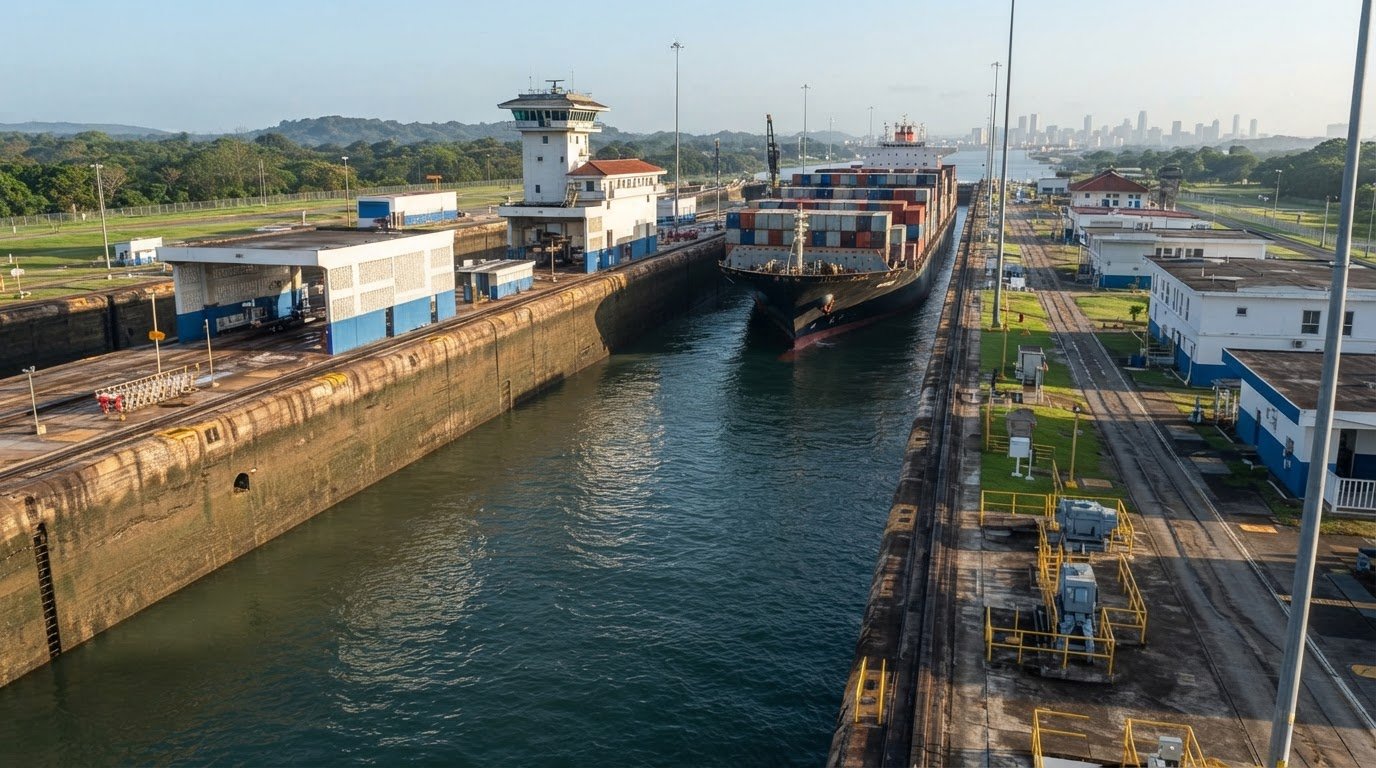
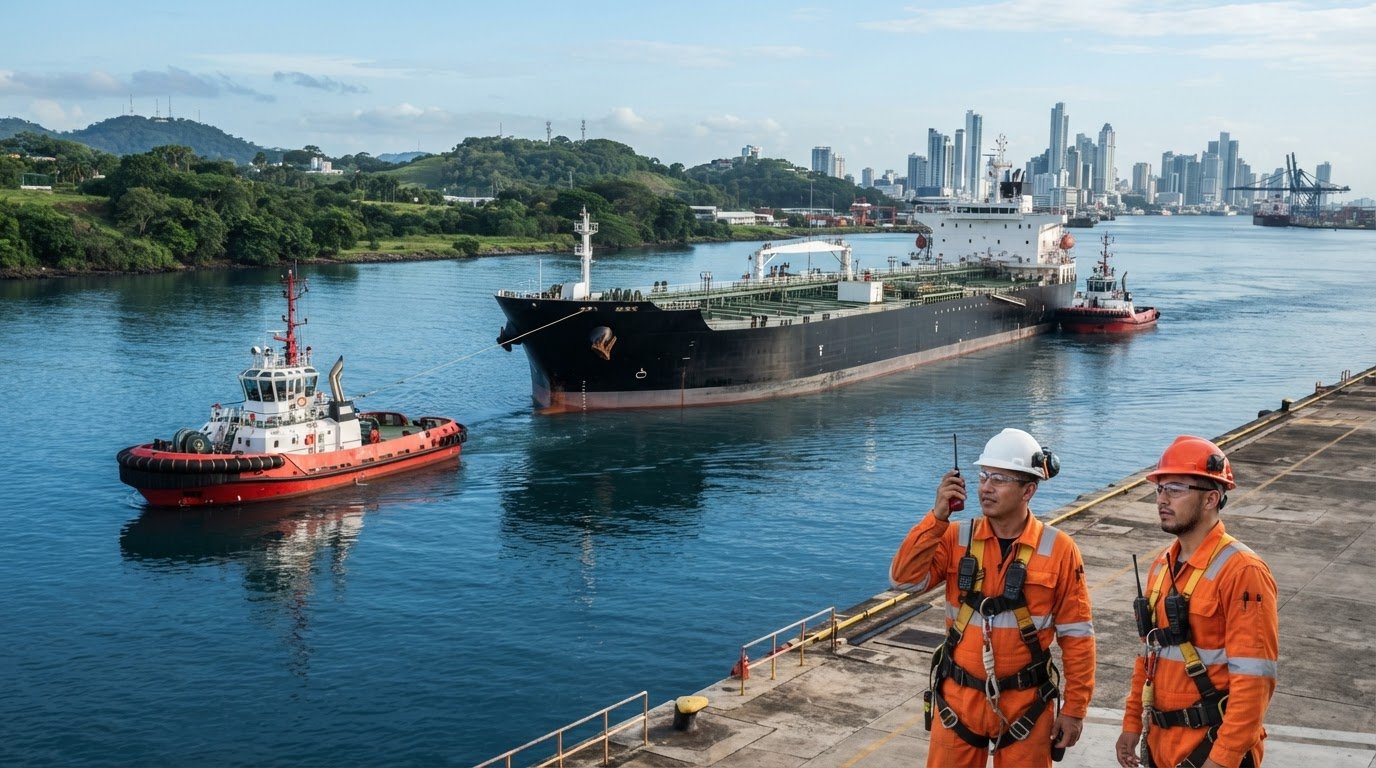
Adimar Shipping coordinates Panama Canal transits for vessel owners and charterers. After assessing an agent’s licensing documents, organize the vessel’s operational requirements with a local representative.
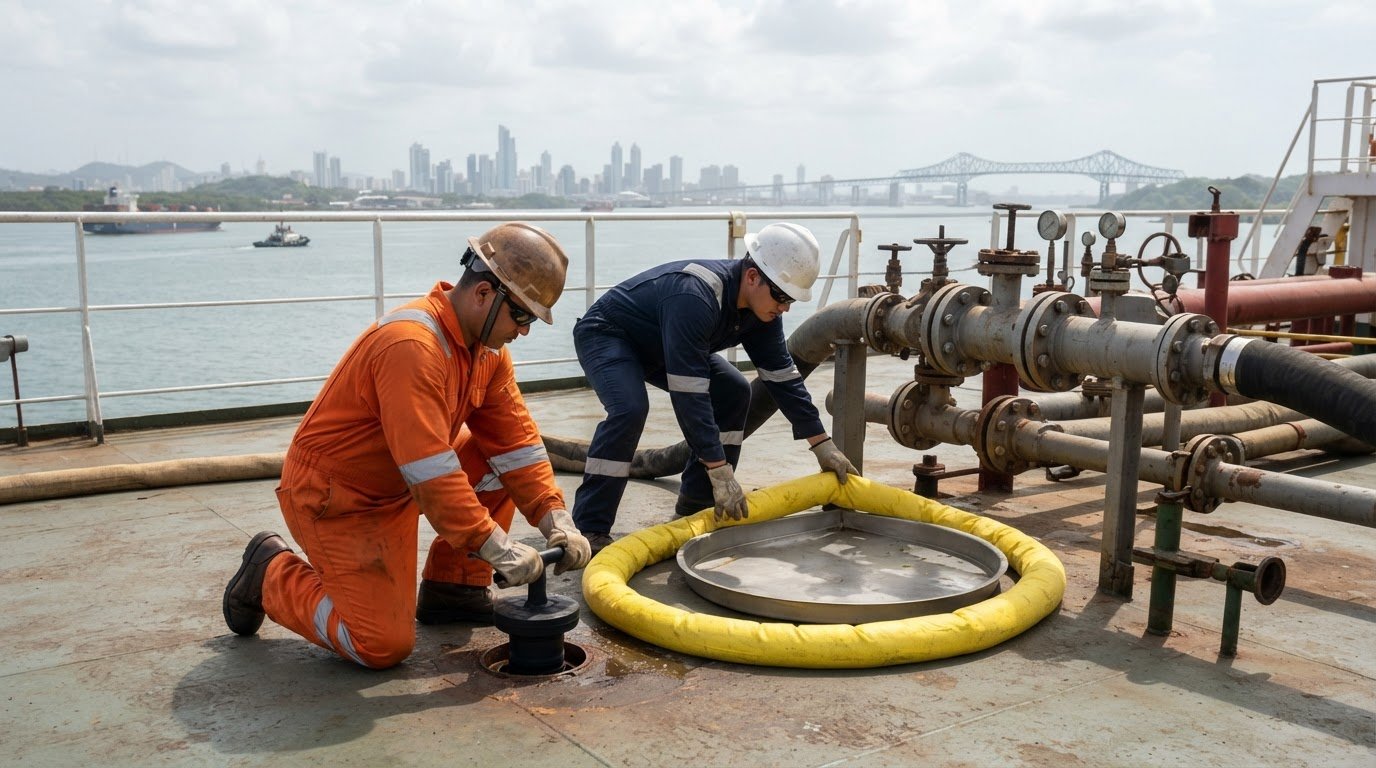
Adimar’s Ship Agency Services coordinate vessel passage and related communications. Owners can appoint Adimar through Owner’s Nominated Agency, and charterers through Charterer’s Nominated Agency. Husbandry Services support vessel needs connected with a port call.
These services suit owners and charterers who need a Panama-based agency partner to coordinate vessel operations. Share your vessel’s requirements and the agency arrangement you need. Contact Adimar Shipping to discuss ship agency support for your operations.
Put verified representation into your vessel plan
A disciplined approach to verifying ship agent licenses in Panama gives your team a stronger basis for selecting representation. Then connect that due diligence to the vessel’s operational plan, including the responsibilities assigned to the owner’s or charterer’s representative. Clear roles help keep instructions, documentation, and local coordination aligned.
Adimar Shipping provides Ship Agency Services, Owner’s Nominated Agency, and Charterer’s Nominated Agency for vessel operations in Panama. Whether you are arranging representation as an owner or charterer, an agency appointment gives your requirements a defined local point of coordination.
Share the vessel’s needs and the type of representation you’re planning. Adimar Shipping can discuss how its agency services fit your operational requirements, without adding unnecessary complexity to the process. Contact Adimar Shipping to discuss your vessel’s agency needs and take the next step with confidence.
Frequently Asked Questions
How can I verify a ship agent’s license in Panama?
Verify the authorization with the Panama Maritime Authority using the details on the license document. When verifying ship agent licenses in Panama, keep this separate from checking whether a company appears in the Public Registry. A corporate record establishes company information; the maritime authority’s response addresses licensing. A matching company name alone does not establish whether the submitted license is current.
What information is needed to check a Panama ship agent’s license?
Gather the license number, the holder’s exact legal name, license category, issuing authority, and the dates shown. Include a clear copy so the authority can identify the document. If the company uses a trading name, provide its registered corporate name too. These details help distinguish similarly named entities and clarify whether the inquiry concerns a provisional or full maritime operation license.
How can I confirm a ship agent’s license is current and valid?
Ask the Panama Maritime Authority to confirm the license status using its identifying details, then compare the response with the document’s stated category and expiry date. For example, do not treat a copy with a passed expiry date as current based only on a separate company record. Keep the authority’s response with the document version reviewed for a clear operational record.
How can I verify a ship agent’s company registration and authorized representatives in Panama?
Search the company’s legal name through the Public Registry’s Electronic Registration System, SIR, and obtain the relevant corporate record. Review its representation information, then compare the named representative with the person communicating or signing for the company. If a ship agent appoints someone to act on its behalf, request written authorization linking that person to the registered entity.
What warning signs indicate a fraudulent ship agent in Panama?
Watch for payment instructions naming an unrelated beneficiary, email addresses that do not match the company’s stated identity, or pressure to transfer funds before licensing details are provided. Scrutinize documents with inconsistent company names or unexplained changes between versions. Preserve messages and copies, do not rely on unverified payment instructions, and direct licensing questions to the Panama Maritime Authority through its official channels.