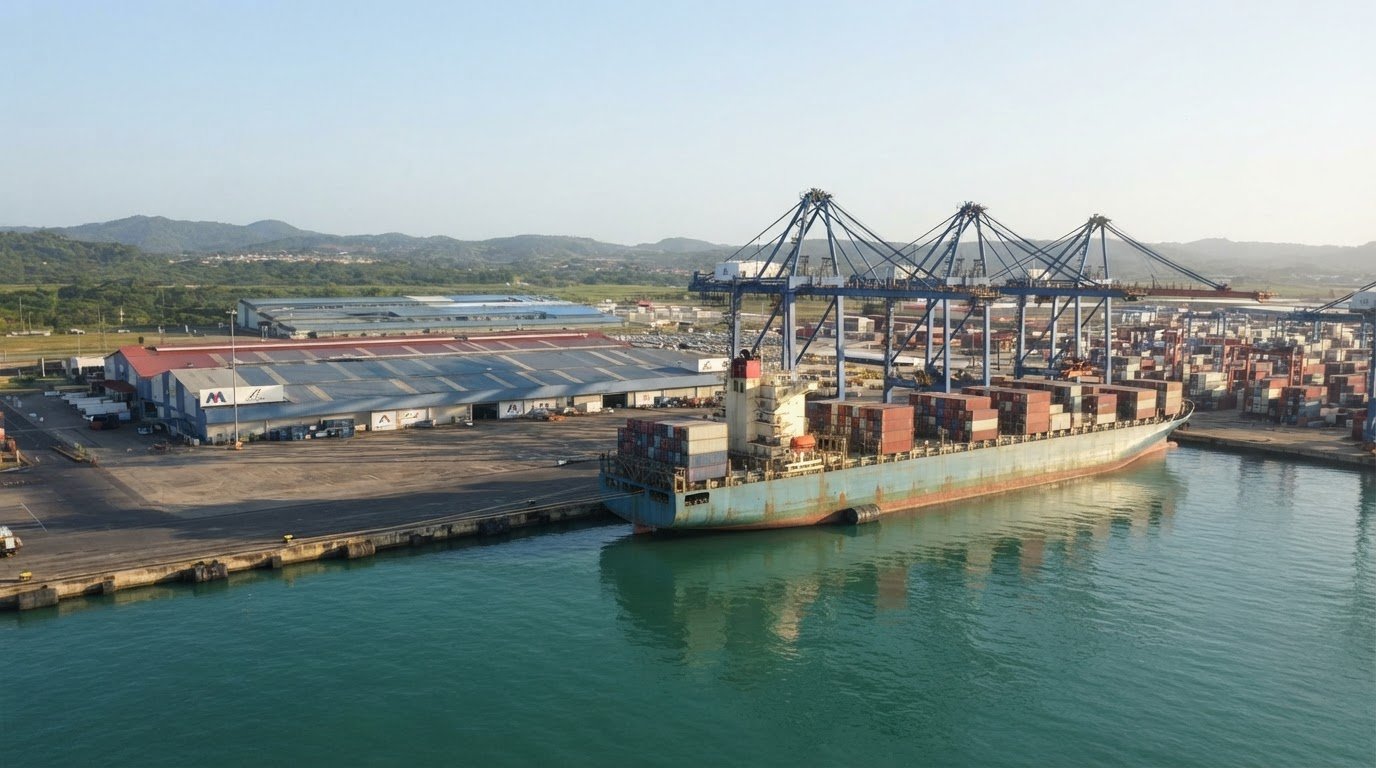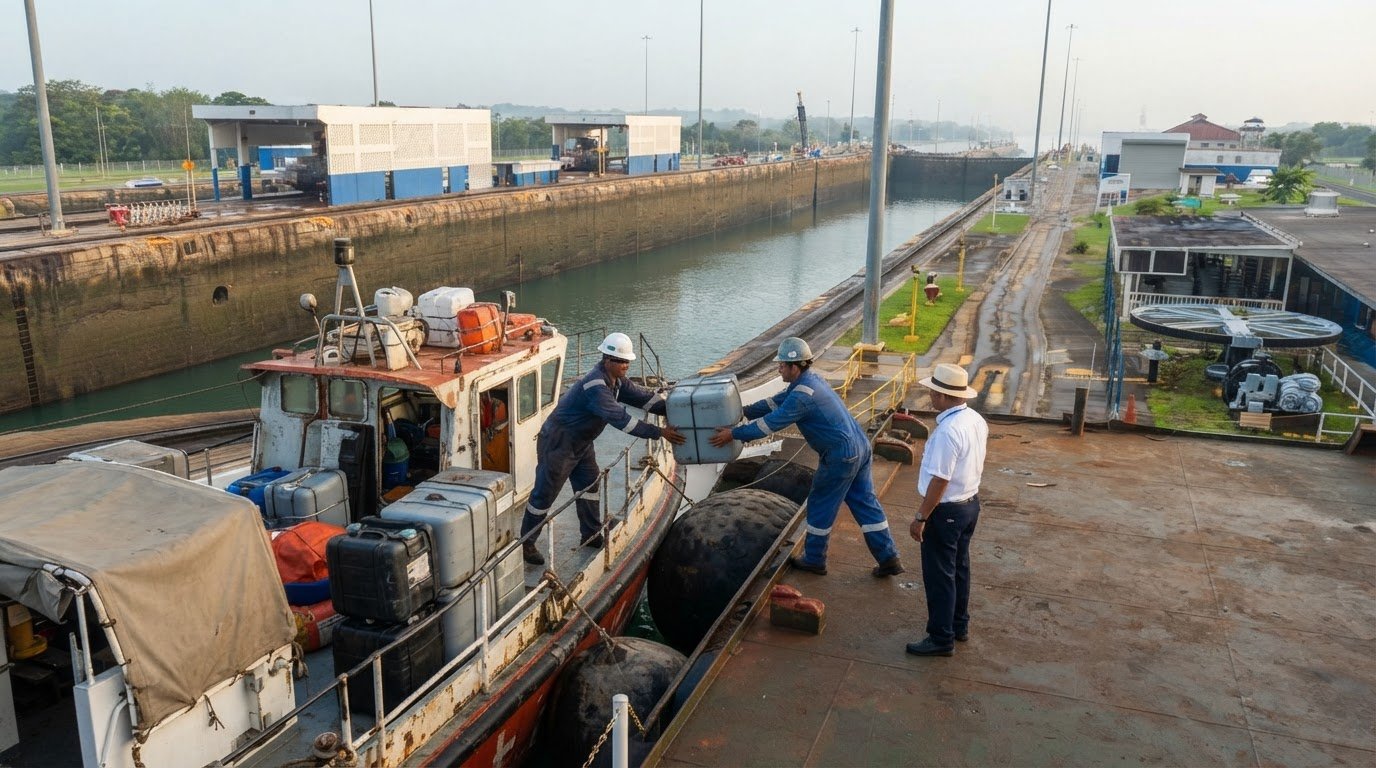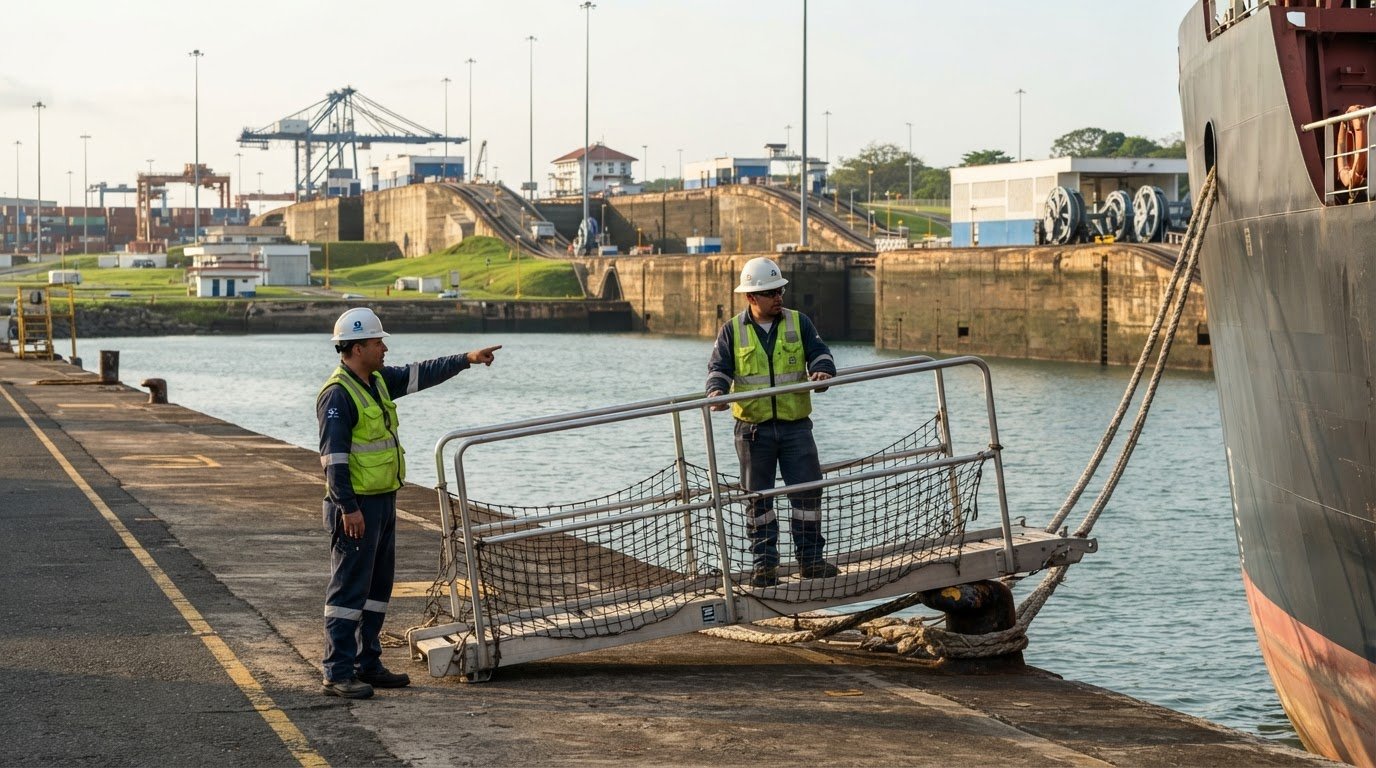

A vessel issue after office hours leaves little room for uncertainty. For OPL services in Panama, knowing the Panama City office contact details and the route for urgent support can help keep communication clear when timing matters. This guide explains how to reach the appropriate contact for emergency support outside regular hours.
When vessel coordination is involved, a direct and dependable point of contact matters. Sharing the vessel’s details and the specific support needed helps make the first communication more useful.
Here, you’ll find the Panama City office contact details and guidance on reaching OPL services for after-hours emergencies. You’ll also learn what details to share so the issue can be understood quickly, from the vessel’s situation to the support needed. The aim is a clear next step, without confusion about where to direct an urgent request.
Key Takeaways
- Use the Panama City office contact details to direct routine vessel coordination to the right point of contact.
- For an urgent after-hours issue, make the message clear and include the vessel’s situation and the support needed.
- Compare OPL support by the scope of agency work and how responsibilities are coordinated, not by assumptions about service availability.
- For vessel transit coordination or related husbandry needs, explore ship agency representation tailored to the owner’s or charterer’s nomination.
Panama City office contact details
For OPL services in Panama, the useful contact is the Panama City office’s current, published contact record. Use its listed phone number, email address, and physical address as separate details. Don’t substitute a number saved in an old port-call file or a contact copied from another office. The record should also identify the office clearly, so a vessel operator knows which location they’re reaching.
Before making contact, organize the vessel and request details in one message. This helps the team understand the purpose of the request without searching across separate emails. Include:
- Vessel identity: vessel name and, when available, its IMO number.
- Call-back details: the caller’s name, role, direct phone number, and email.
- Port-call context: the vessel’s Panama itinerary, current location, and next relevant timing.
- Request: the action or information needed, stated in one clear sentence.
For example, an operator coordinating a vessel’s canal transit could write: “Requesting assistance with the vessel’s Panama call; please direct this message to the relevant operations contact.” Add the vessel’s identity and the caller’s direct details. This is an example format, not a report of an actual vessel or confirmed office contact.
Keep routine and urgent messages distinct. A schedule update, document question, or coordination request can use the office’s published contact channel. A time-sensitive operational matter should state the immediate issue near the beginning, then explain the requested response. Clear wording helps the recipient assess the message’s subject and route it appropriately.
Save the office record with a descriptive label, such as “Panama City maritime office,” rather than a vague entry like “shipping.” Store the phone, email, and address together, with the date the details were last checked. If several team members manage the port call, share the same record to reduce conflicting contact information.
When contacting Adimar Shipping, Inc., keep the first message factual and concise. Identify the vessel, explain the status of the call, and state the next decision or support required. Include relevant correspondence only when it clarifies the request. A well-structured message gives the team a practical starting point for coordinating the next step.
Emergency support outside regular hours
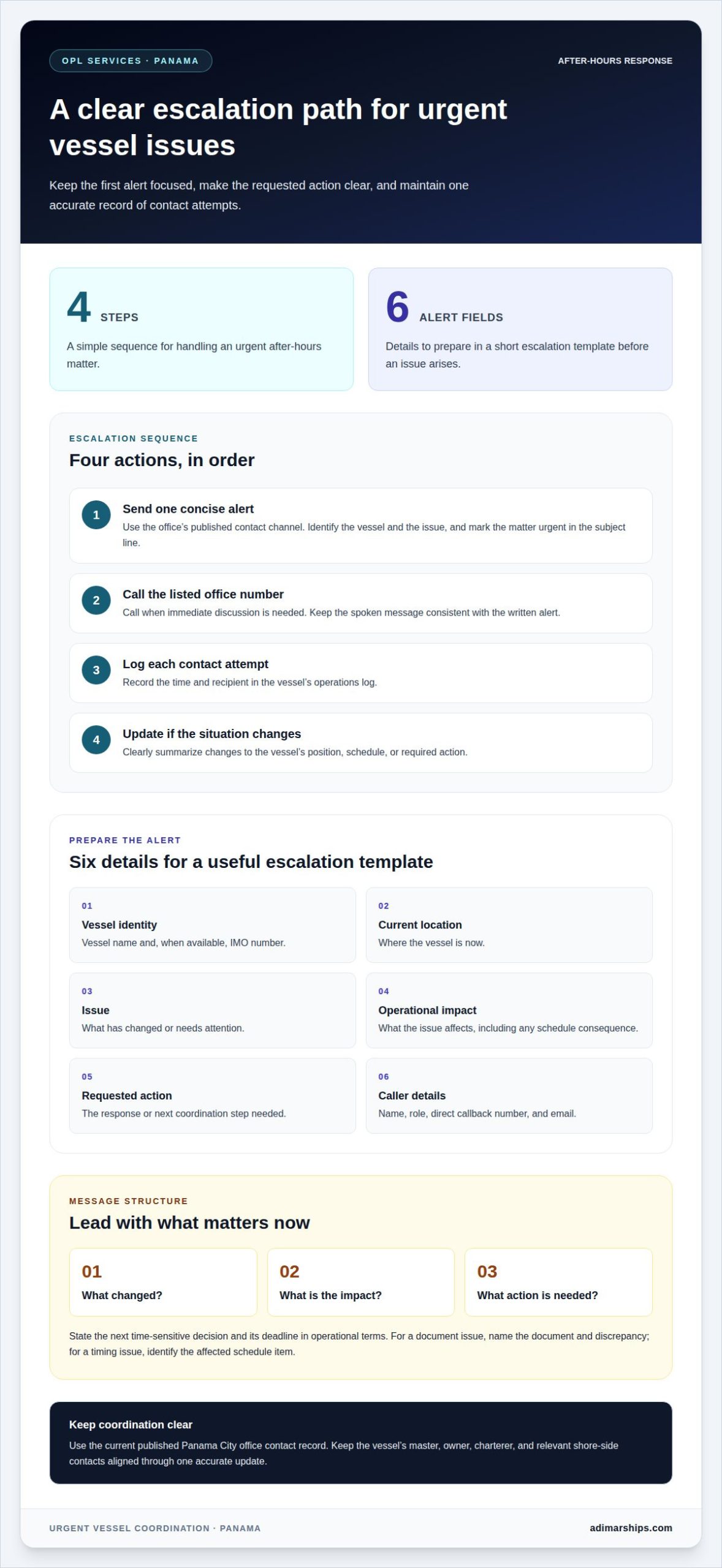
A vessel issue outside office hours needs a clear escalation message, not a long email chain. Use the Panama City office contact record from the previous section, and state that the matter is urgent in the subject line. Include the vessel name, current location, and the next time-sensitive decision. This helps distinguish an operational issue from a routine schedule update.
For OPL services in Panama, separate the immediate problem from its background. Lead with what has changed, explain the operational impact, then state the action requested. For example: “Urgent: vessel schedule change affecting the Panama call. Please advise on the next coordination step.” Add the vessel’s itinerary and a direct callback number. Avoid burying the request beneath forwarded messages.
Use a simple escalation sequence when an urgent matter arises:
- Send one concise alert through the office’s published contact channel, identifying the vessel and issue.
- Call using the listed office number when the matter requires immediate discussion. Keep the message consistent with the written alert.
- Record the time and recipient of each contact attempt in the vessel’s operations log.
- Update the message if the vessel’s position, schedule, or required action changes.
A useful alert names the decision-maker and the deadline in operational terms. “Please confirm the revised attendance plan before the vessel reaches the next coordination point” is clearer than “Please respond soon.” If the issue involves a document, identify its name and the specific discrepancy. If it concerns timing, state the affected schedule item and the consequence of delay.
Keep the vessel’s master, owner, charterer, and relevant shore-side contacts aligned through one accurate update. Avoid sending conflicting instructions to separate recipients. When a new development changes the request, mark the update clearly and summarize what changed. A clean record supports continuity when personnel hand over the port call.
Before an urgent issue arises, prepare a short escalation template with fields for vessel identity, location, issue, operational impact, requested action, and caller details. Keep it with the Panama call records. This preparation reduces avoidable back-and-forth when a schedule disruption or coordination problem occurs outside regular hours.
Where an urgent vessel issue involves customs, include the status of the complete declaration and instructions in the alert, and identify the next decision needed. Standard customs formalities can often be completed within a few hours after the complete declaration and instructions are received, although the duration depends on the procedure and documentation. Treat that timing as conditional rather than guaranteed, and state any documentation gap and its operational impact so the requested action is clear.
For goods entering the European Union from outside it, import customs clearance normally includes calculating and paying customs duties and taxes, including VAT. If this applies to the vessel’s matter, make clear which customs step is unresolved and what coordination is requested. Keep customs details distinct from schedule information, and update the alert if the declaration, instructions, or required action changes. That gives recipients a focused account of the issue without implying that a particular completion time is assured.
How does OPL Services compare with similar providers in Panama?
A useful comparison of OPL services in Panama starts with the vessel’s needs, not a provider ranking. Assess the scope of coordination, communication practices, and responsibility boundaries. A scheduled canal transit may need different support from a call involving crew or vessel services. The right arrangement depends on the work assigned and how clearly responsibilities are managed.
Use the same operational scenario to assess the agency arrangement. For example, describe a vessel transiting the Panama Canal with a schedule change and a request for onboard support. Then consider how the port call, communications, and updates to the owner or charterer will be coordinated. Applying the same scenario makes the required responsibilities easier to identify than relying on broad service labels.
Compare these practical points:
- Scope: Identify whether the work covers the vessel’s agency needs, husbandry requirements, or both.
- Representation: Clarify whether instructions come from the owner, charterer, or another designated party.
- Communication: Determine how schedule changes and operational updates are organized and relayed.
- Coordination: Establish who handles each task and how handoffs between parties are managed.
- Cost transparency: Review how proposed charges and their assumptions are presented.
Responsibility matters. If the owner and charterer have separate priorities, make clear which party the nominated agency represents. For a port call involving crew logistics, supplies, or other husbandry needs, identify those tasks in the requested scope. Clear task ownership helps reduce duplicated instructions and overlooked handoffs.
Compare each proposal against the same checklist instead of treating a broad service label as proof of value. Note which tasks are included, what information the operator must provide, and how updates are communicated. If a proposed scope excludes a task central to the vessel’s call, that difference matters more than a general claim of local expertise. This is a practical way to evaluate OPL services in Panama against your specific operational requirements.
Adimar Shipping’s relevant work includes ship agency and husbandry support for vessels transiting the Panama Canal. Operators can discuss Panama vessel coordination needs when defining the scope for a port call.
Customs-related coordination can also be tested against a specific shipment record. The recorded shipment to Panama was processed through Zona Norte (Colón) customs, with Cocosolito listed as the customs agent. When comparing providers, ask how customs information would be incorporated into the wider port-call plan and which party would supply and check each document. This links the comparison to a concrete operational requirement rather than a broad service description.
For customs clearance, a basic document set includes a commercial invoice with a detailed goods description and Incoterms, a packing list, a bill of lading or other transport document, and any required product-specific certificates or permits. Ask operators to identify how they would track these items, communicate missing information, and coordinate any needed handoffs. Comparing their proposed process can help clarify whether customs-related tasks are included in the requested scope or need separate arrangements.
Adimar Shipping
Adimar Shipping helps vessel owners and charterers coordinate Panama Canal transits through ship agency representation and related support. Turn to the team when a port call needs a local representative, coordinated communication, or husbandry assistance. The team can act as an Owner’s Nominated Agency or Charterer’s Nominated Agency, depending on whose interests it is appointed to represent.
For example, an operator planning a canal transit can outline the vessel’s itinerary, the intended agency role, and any husbandry requirements. This gives the team a practical basis for coordinating the request and keeping responsibilities clear. Ship agency needs and supporting vessel arrangements can then be addressed within the agreed scope.
Contact Adimar Shipping to discuss coordination for a Panama vessel call.
Set up your next vessel call with clarity
Make the next step a defined agency brief: identify the vessel, the party to be represented, the port-call requirements, and your coordination priorities. This gives your local representative a practical starting point and helps keep instructions aligned as plans develop. For OPL services in Panama, clear representation helps distinguish the owner’s instructions from the charterer’s priorities.
Adimar Shipping provides Ship Agency Services, Owner’s Nominated Agency, and Charterer’s Nominated Agency. Share the scope of your Panama call and the support you need to discuss the appropriate agency arrangement. For OPL services in Panama, a focused brief helps turn operational requirements into a clear plan for your team.
Contact Adimar Shipping for assistance and move forward with a well-defined plan for your vessel.
Frequently Asked Questions
What is OPL Services in Panama and what services does it provide?
OPL services may refer to operational support for vessels transiting the Panama Canal. Adimar Shipping coordinates transit-related matters, including clearance, pilot and tug arrangements, and required vessel documentation. Depending on the appointment, it can represent the owner or charterer and coordinate husbandry needs for the vessel and crew. Adimar acts as a ship agent, not as the Canal operator.
How can I request a quote or book services with OPL Services Panama?
Use the Panama City office’s current published contact channel and provide the vessel’s identity, itinerary, intended agency role, and any husbandry requirements. State the coordination or support needed clearly so the request can be directed appropriately.