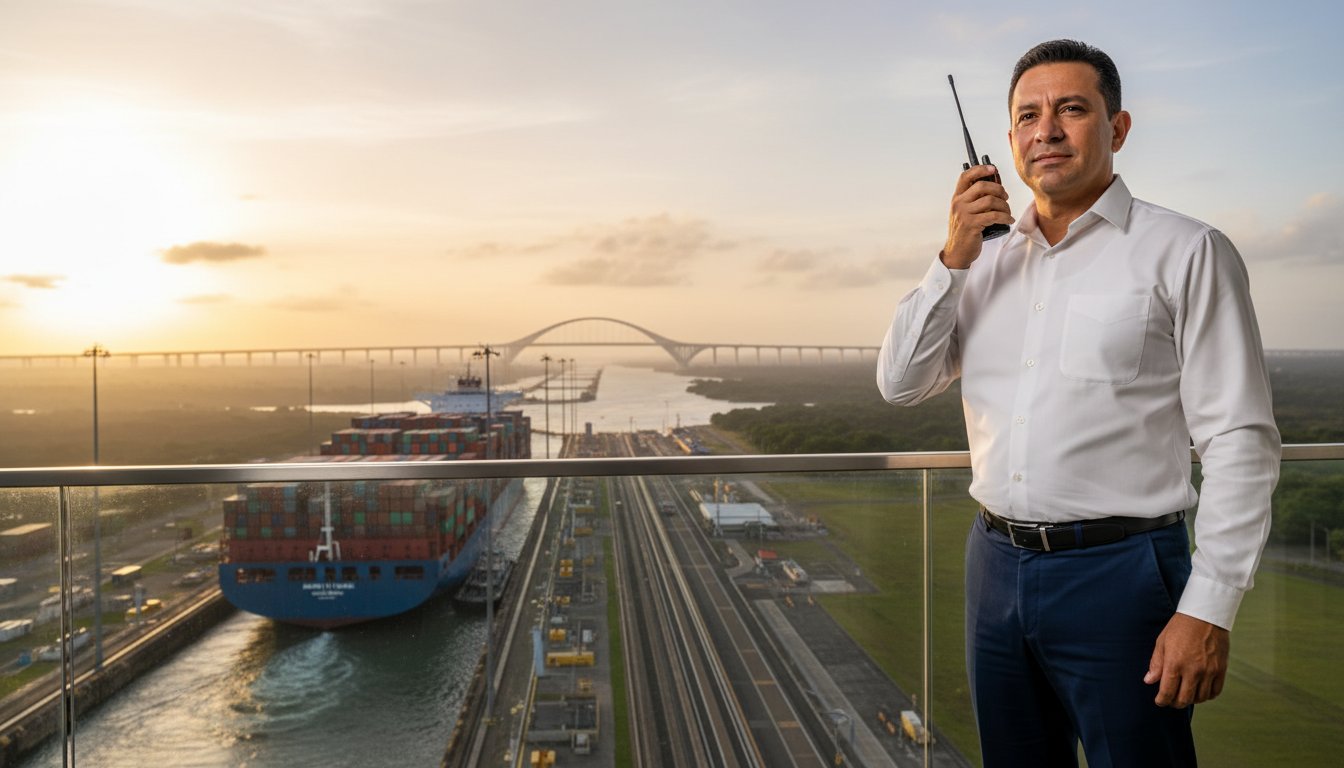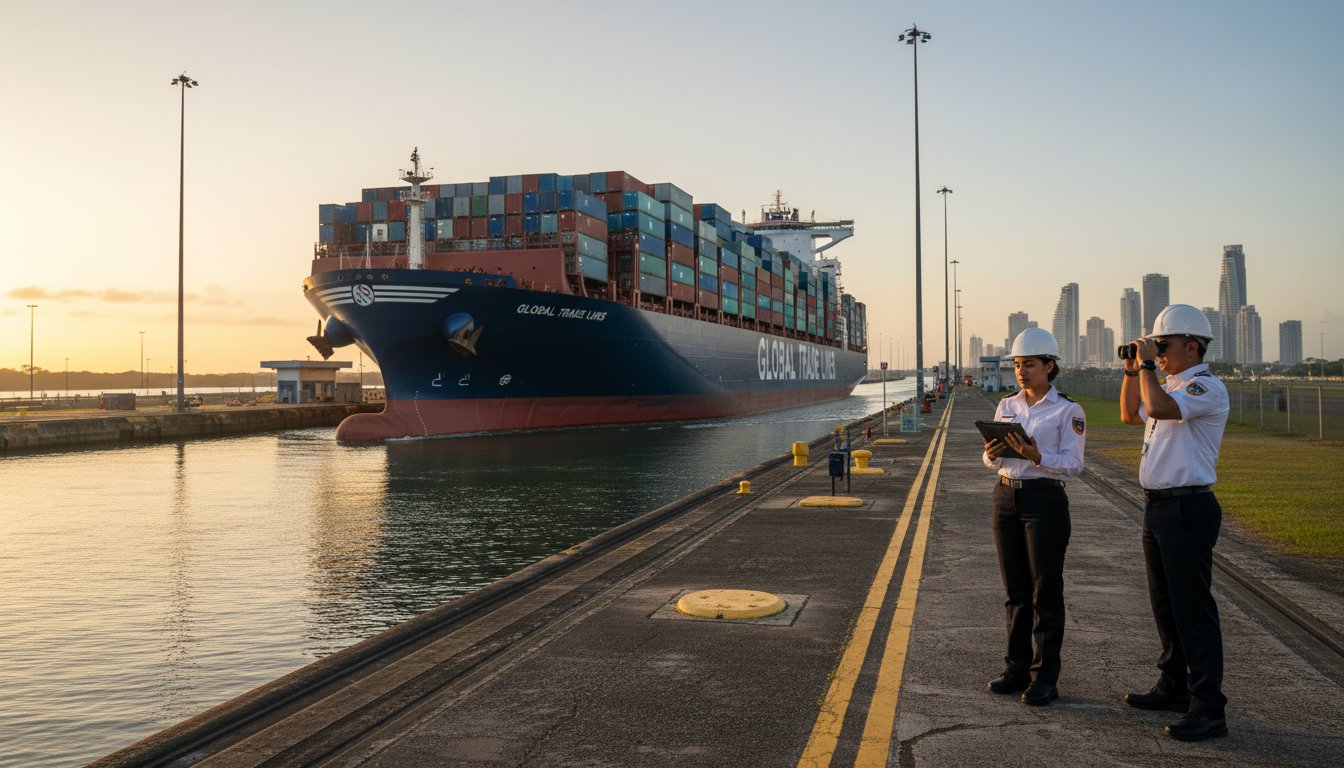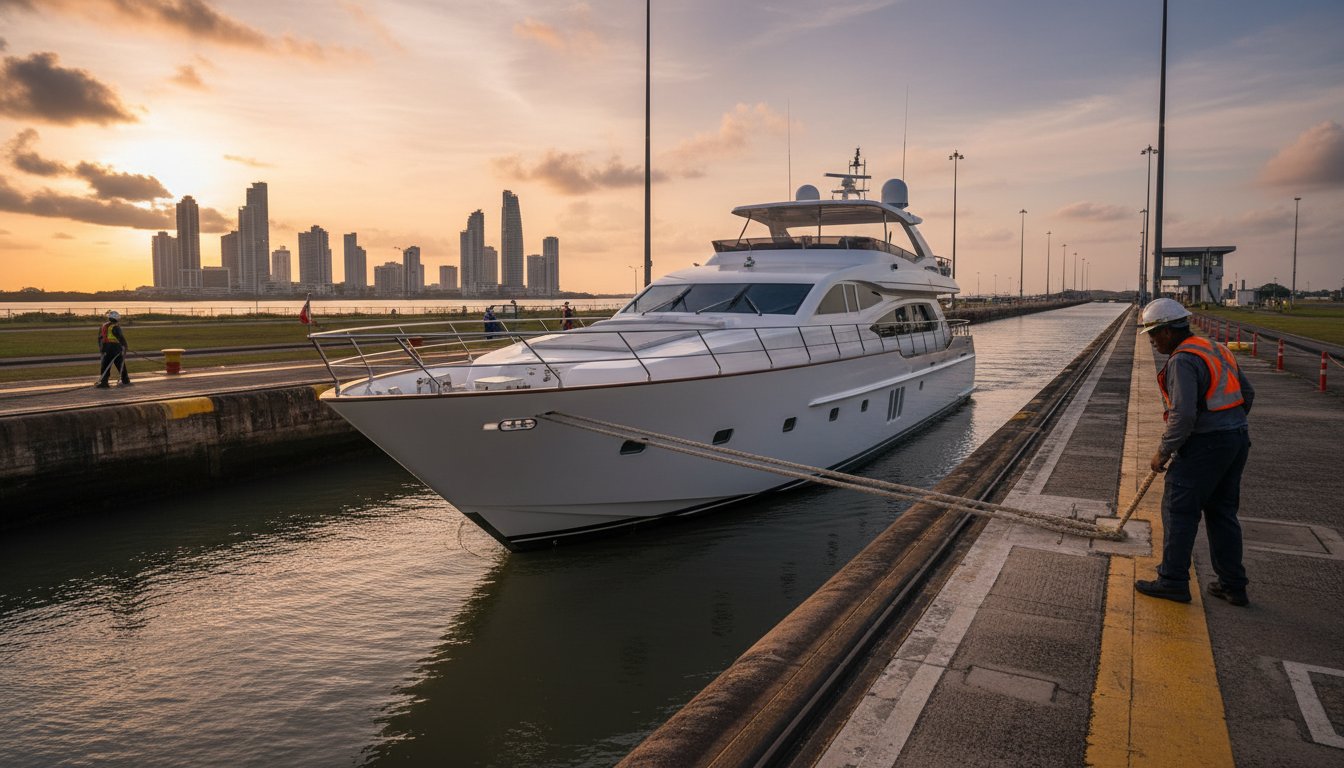


For ship owners, charterers, and operators, the Panama Canal is a critical artery of global trade. Maximizing the efficiency of every transit is paramount, and this includes strategically managing ancillary services like bunkering. Arranging marine fuel in Panama can be a complex logistical challenge, fraught with risks of delays, quality issues, and miscoordination. This guide demystifies the entire process, providing a clear roadmap for a smooth, predictable, and cost-effective refueling operation.
Why Panama is a Strategic Bunkering Hub
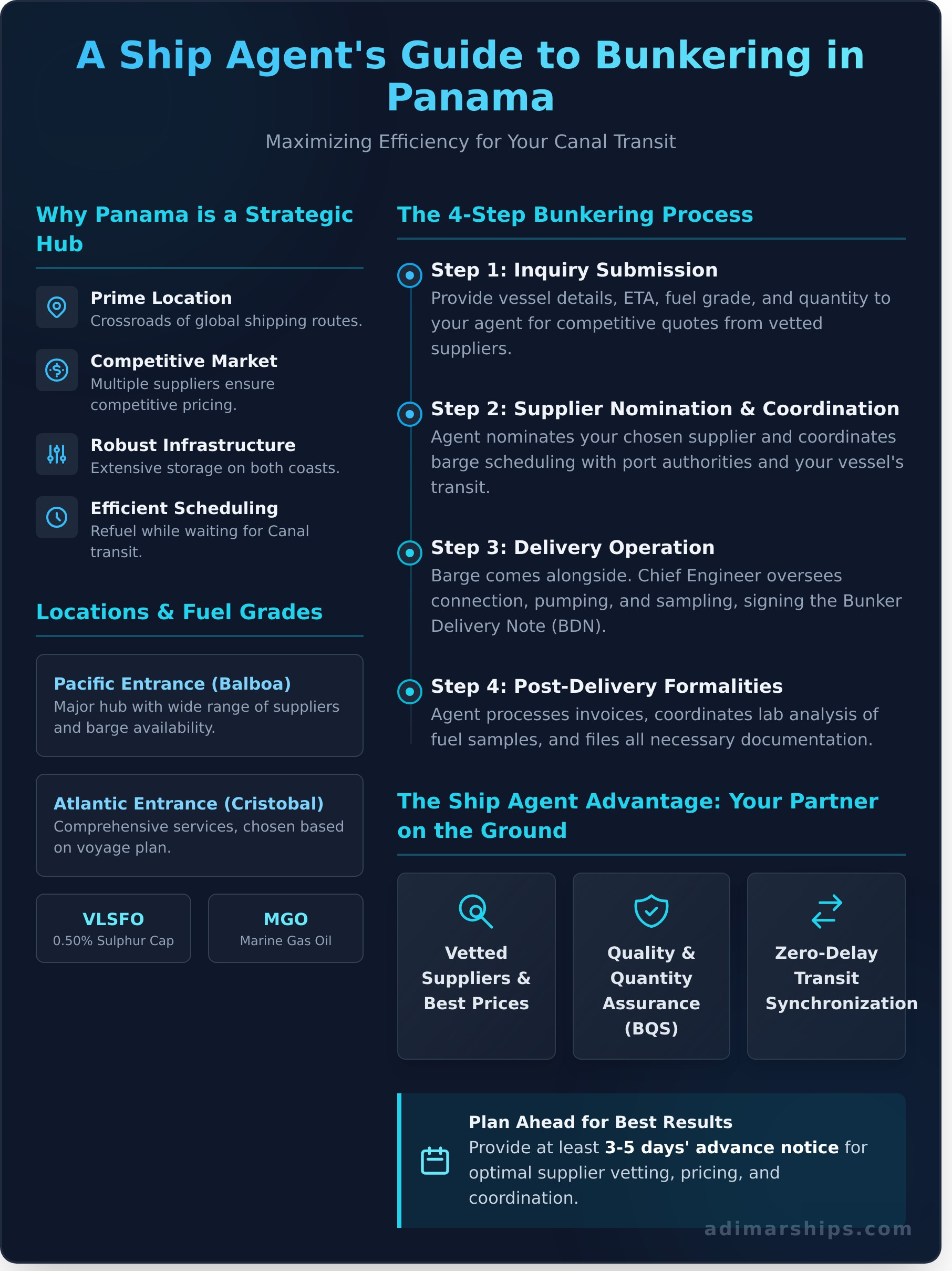
Panama’s status as a premier bunkering location is no accident. Several key factors converge to make it an ideal stop for vessels of all types to refuel. Its unique geographical position at the crossroads of major global shipping routes means countless vessels pass its shores daily. This high volume has fostered a highly competitive market with multiple suppliers, which helps keep fuel pricing competitive. Furthermore, extensive investment has created robust fuel storage infrastructure on both the Atlantic and Pacific coasts, ensuring a reliable supply. Perhaps the most significant advantage is the opportunity for vessels to refuel efficiently while waiting in the anchorage for their scheduled Panama Canal transit, turning necessary downtime into productive time.
Bunkering Locations: Pacific vs. Atlantic Terminals
Vessels have the option to take on bunkers at either end of the Canal, and the choice often depends on the vessel’s specific route and schedule.
- Pacific Entrance (Balboa): The Port of Balboa is a major bunkering hub, serving vessels entering or exiting the Canal from the Pacific Ocean. It offers a wide range of suppliers and barge availability, making it a popular and flexible option.
- Atlantic Entrance (Cristobal): On the Atlantic side, the Port of Cristobal provides comprehensive bunkering services for vessels coming from the Caribbean and Atlantic. The decision to bunker here is often dictated by the vessel’s next port of call and the pricing dynamics at the time.
An experienced ship agent can advise on the most advantageous location based on your voyage plan, current port congestion, and real-time market prices.
Common Marine Fuel Grades Available in Panama
Panama’s suppliers are well-equipped to meet modern shipping regulations, including the IMO 2020 standards for sulphur content. The most commonly available grades include:
| Fuel Grade | Description |
|---|---|
| VLSFO (Very Low Sulphur Fuel Oil) | The most common marine fuel, compliant with the 0.50% sulphur cap. |
| MGO (Marine Gas Oil) | A distillate fuel used in auxiliary engines and in Emission Control Areas (ECAs). |
Availability of other grades can be confirmed by your agent upon inquiry.
The Bunkering Process in Panama: A Step-by-Step Guide
A successful bunkering operation follows a clear, well-managed timeline. Understanding the roles of the ship’s operator, the ship agent, and the fuel supplier at each stage is key to a seamless experience.
Step 1: Submitting a Bunker Inquiry
The process begins with a formal inquiry. To receive accurate quotes, you must provide key information, including the vessel’s name, IMO number, estimated time of arrival (ETA), the grade of fuel required, and the desired quantity in metric tons. Providing this information well in advance allows your ship agent to source and compare quotes from a range of vetted local suppliers to find the most competitive offer.
Step 2: Supplier Nomination and Coordination
After reviewing the quotes presented by your agent, you select the supplier that best meets your needs for price and availability. Once you confirm your choice, your agent formally nominates the supplier and begins the critical task of coordination. This involves scheduling the bunker barge to align perfectly with your vessel’s arrival and transit schedule, ensuring all port authorities are notified.
Step 3: The Delivery Operation
On the day of the operation, the bunker barge will come alongside your vessel at the designated anchorage or terminal. The vessel’s Chief Engineer plays a crucial role, overseeing the connection of hoses, monitoring pumping rates, and taking fuel samples. Throughout this process, communication between the vessel, the barge, and your agent is constant. Upon completion, the Chief Engineer will sign the Bunker Delivery Note (BDN), a critical document that confirms the quantity of fuel received.
Step 4: Post-Delivery Formalities
After the delivery is complete, your agent handles the final administrative tasks. This includes processing the final invoice for payment, coordinating the dispatch of fuel samples to a laboratory for analysis if required, and ensuring all documentation is correctly filed with the relevant port and maritime authorities.
How a Ship Agent Ensures a Flawless Bunkering Operation
Attempting to manage bunkering directly can be a significant gamble. It is far more than a simple delivery; it is a complex logistical exercise where time is money and mistakes are costly. A dedicated ship agent acts as your trusted partner on the ground, protecting your interests and ensuring every detail is managed with precision and integrity.
Vetting Suppliers and Negotiating Prices
As your local expert, we maintain a curated list of trusted, high-performing fuel suppliers with a proven track record of reliability and quality. We leverage our long-standing local relationships and purchasing volume to negotiate competitive pricing on your behalf, protecting you from unreliable operators or unforeseen costs.
Ensuring Quality with Bunker Quantity Surveys (BQS)
What is a BQS and why is it critical? A Bunker Quantity Survey is an independent inspection to verify that the quantity and quality of fuel delivered matches what was ordered and documented on the BDN. Your agent can arrange for an independent surveyor to be present during the operation. This small investment provides a crucial layer of protection against quantity disputes and ensures you receive exactly what you paid for, preventing costly claims down the line.
Synchronizing Bunkering with Your Canal Transit
The single greatest operational risk is a bunkering delay that causes your vessel to miss its scheduled Panama Canal transit slot, resulting in significant financial losses. This is where our expertise becomes your greatest advantage. We meticulously coordinate with the Panama Canal Authority (ACP), the fuel supplier, and the bunker barge operator to create a seamless schedule. Our primary goal is zero delays and the perfect integration of the bunkering operation into your voyage. This is our commitment to you. Put your transit in our hands. Nominate Adimar as your agent, and we will eliminate the confusion and risk.
Frequently Asked Questions
How much advance notice is required to arrange bunkering in Panama?
While operations can sometimes be arranged on short notice, we recommend providing at least 3-5 days’ notice. This allows for proper supplier vetting, competitive price negotiation, and seamless coordination with port authorities.
Can bunkering be done at the anchorage or alongside a terminal?
Yes, both options are available. The most common method is via bunker barge at the designated Pacific or Atlantic anchorages. Bunkering while alongside a terminal is also possible but requires careful coordination with the terminal operator.
What happens if there is a dispute over the fuel quantity or quality?
In the event of a dispute, the fuel samples taken during the operation and the report from an independent surveyor (if appointed) are critical pieces of evidence. Your ship agent will represent your interests and manage the claims process with the supplier to reach a fair resolution.
Are there any specific regulations for bunkering in Panamanian waters?
Yes, all bunkering operations must adhere to the regulations set forth by the Panama Maritime Authority (AMP). These include safety, environmental protection, and documentation requirements. A licensed agent ensures your operation is fully compliant.
Does Adimar Shipping provide the fuel directly?
No, Adimar Shipping is a ship agency. We do not sell fuel. Our role is to act as your trusted, independent coordinator. We source competitive quotes from various physical suppliers, manage all logistics, and oversee the operation to protect your interests.
A well-planned bunkering operation is a key component of an efficient and profitable voyage. By partnering with an experienced local agent, you can transform a potential source of stress and delay into a seamless, value-adding activity. Ready to experience a truly professional and reliable service in Panama? Request a quote to coordinate your vessel’s next bunkering operation and let our team of experts handle all the details.