
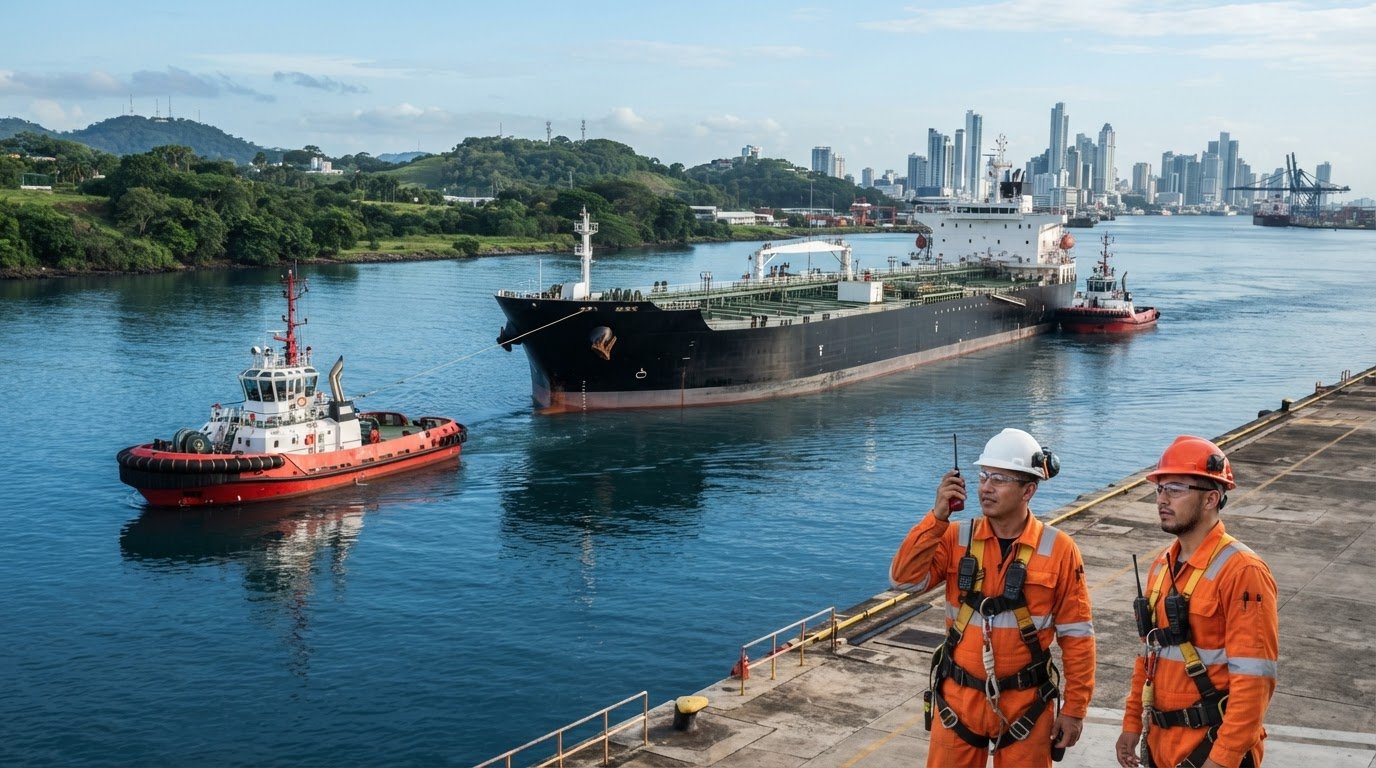
Effective towage coordination aligns tug capability, timing and communication with each vessel’s harbour or canal operation. The Panama Canal’s new Z-Tech tugs provide 82 percent more towing power than existing tugs, while tanker assistance and harbour movements still need to fit the vessel’s specific requirements. Coordinating towage in Panama means bringing these moving parts together across ports on both sides of the Canal.
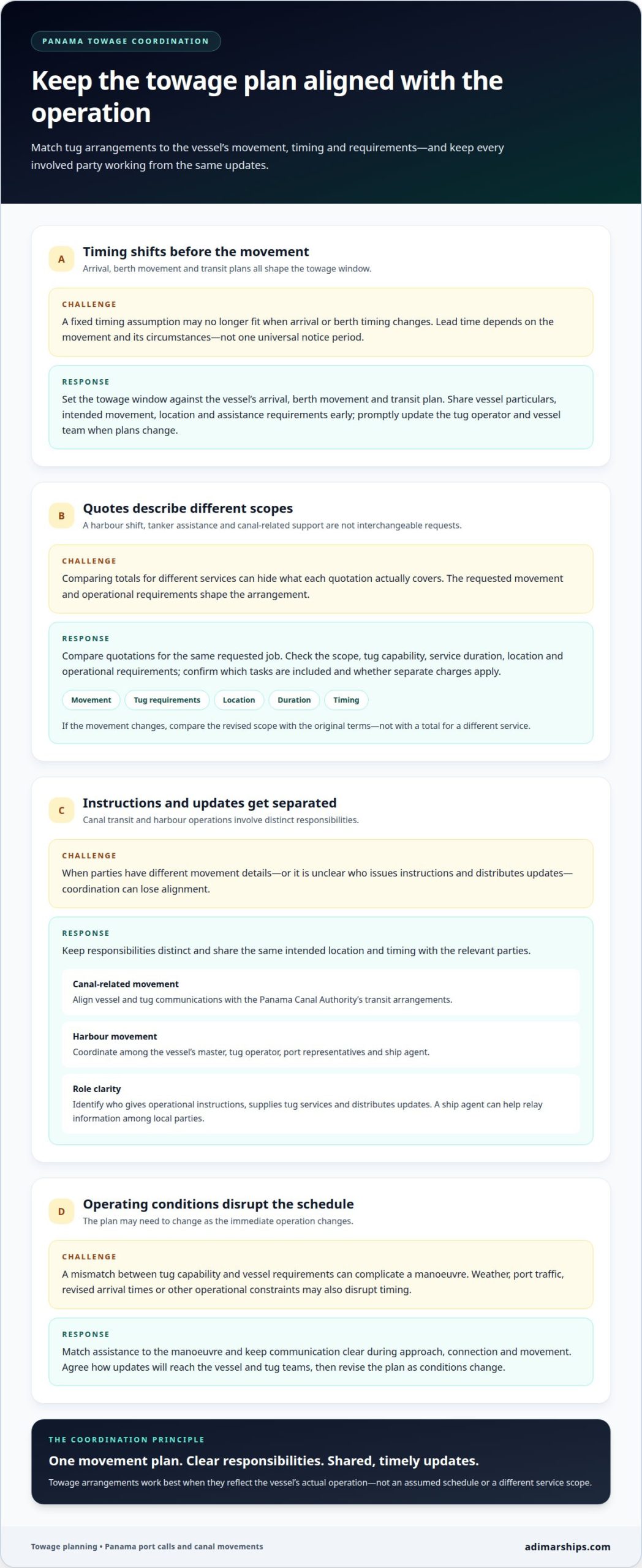
That coordination matters: the tug plan must fit the vessel’s schedule and operational needs. If you’re arranging a transit or port call, clear communication and an organized plan make the process easier to manage.
This article explains how harbour towage and tanker assistance fit into vessel operations, what tug coordination involves, and which operational factors shape arrangements. It also explains how a local ship agent can help coordinate communication and vessel requirements during a Panama call or transit.
Key Takeaways
- Match tug capability and assistance arrangements to the vessel, its harbour movement, and the demands of tanker operations.
- Understand how port and canal coordination fits together so vessel instructions and operational timing stay aligned.
- Assess towage costs by looking at the service requirements and circumstances that shape the operation, rather than assuming one standard rate.
- Plan towage around the vessel’s schedule and operational needs; a ship agent can help coordinate the related communications and arrangements.
Harbour towage and tanker assistance
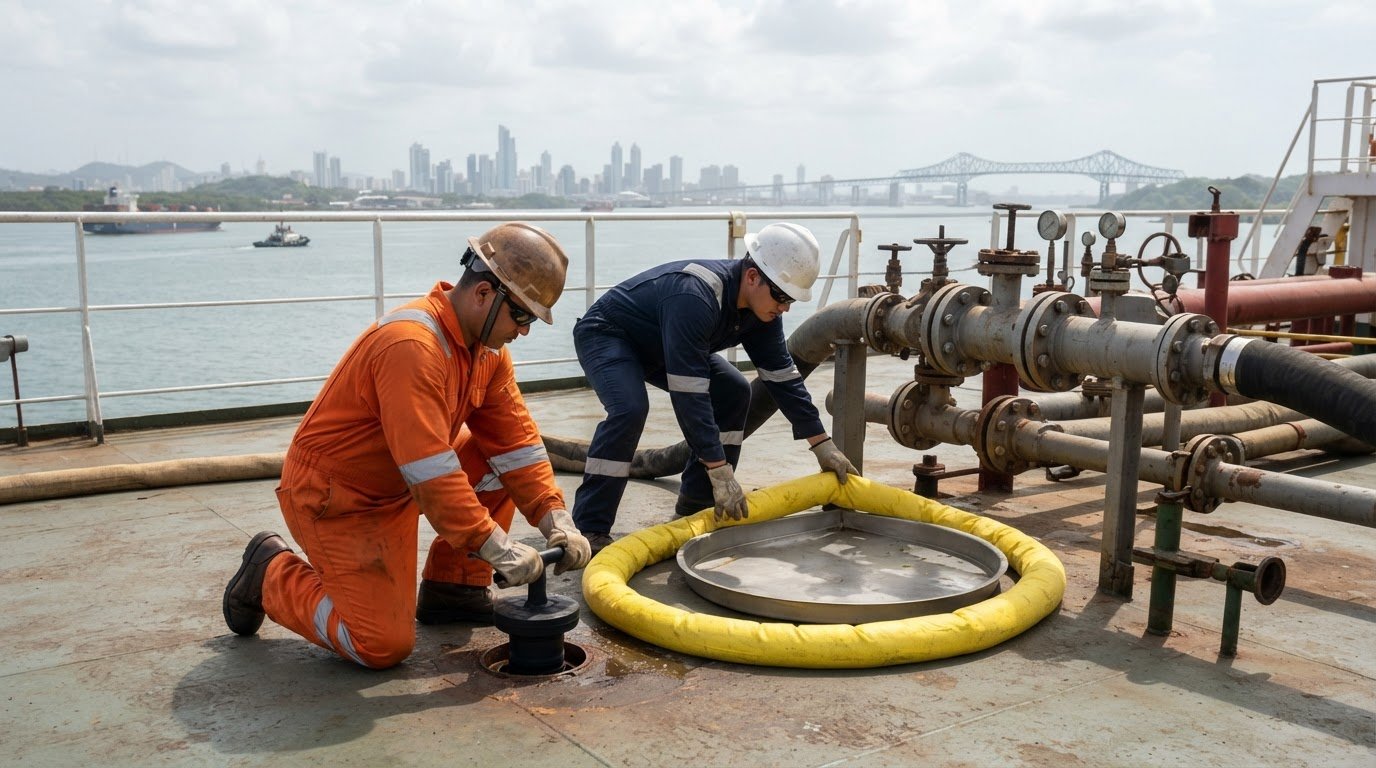
Harbour towage supports vessel movements where control and timing matter. For tankers, coordinating towage in Panama means matching assistance to the manoeuvre and aligning instructions among the teams involved.
Towage Scheduling
Set the towage window against the vessel’s arrival, berth movement, and transit plan. Share the vessel’s particulars, intended movement, location, and assistance requirements early so the parties can organize the operation around the actual plan. Lead time depends on the movement and circumstances, not on one fixed notice period. If arrival or berth timing changes, promptly update the tug operator and vessel team.
Tugboat Rates and Additional Charges
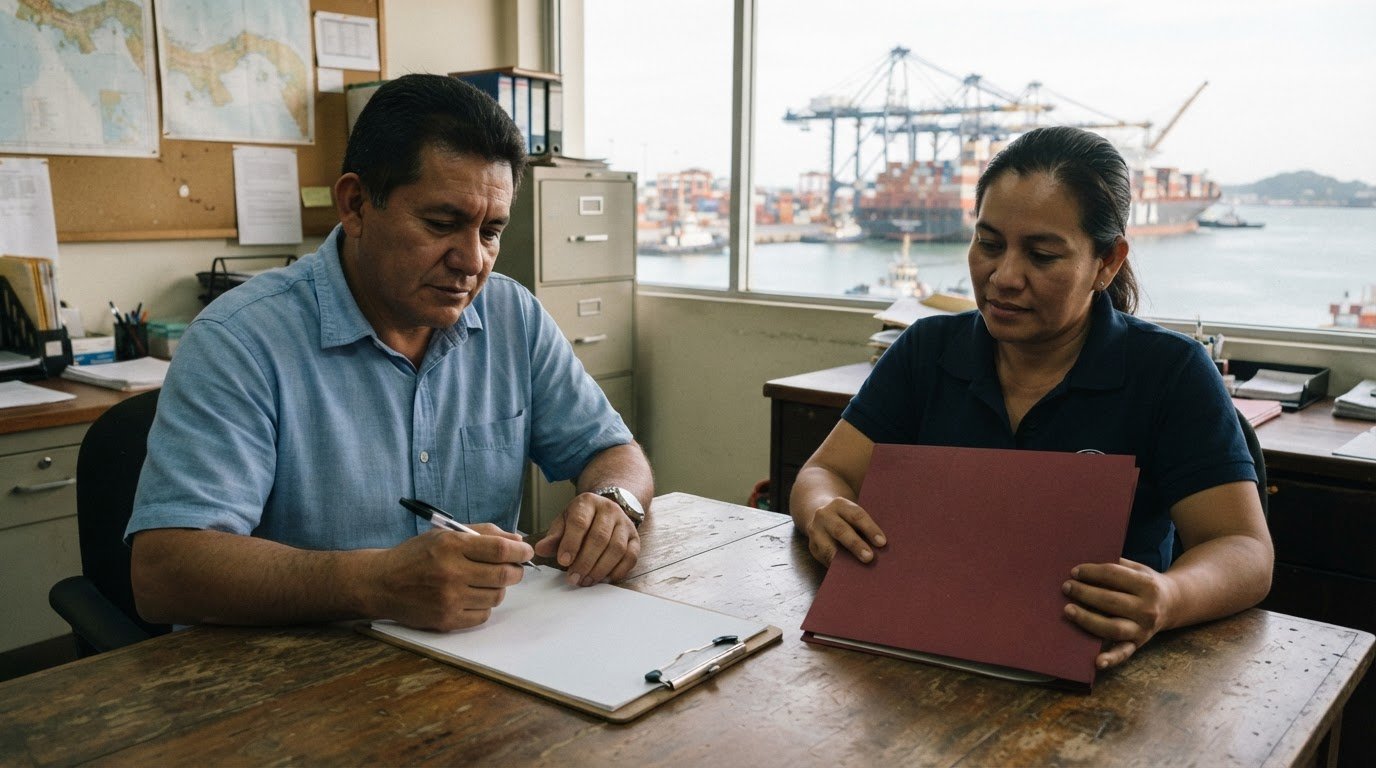
Compare the quoted scope with the requested job, such as a harbour shift, tanker assistance, or canal-related support. Tug capability, service duration, location, and operational requirements all shape the arrangement. The quotation should clarify which tasks it covers and identify any separate charges. If the movement changes, compare the revised scope with the original terms to see what has changed, rather than comparing totals for different services.
Coordinating Authorities and Agencies
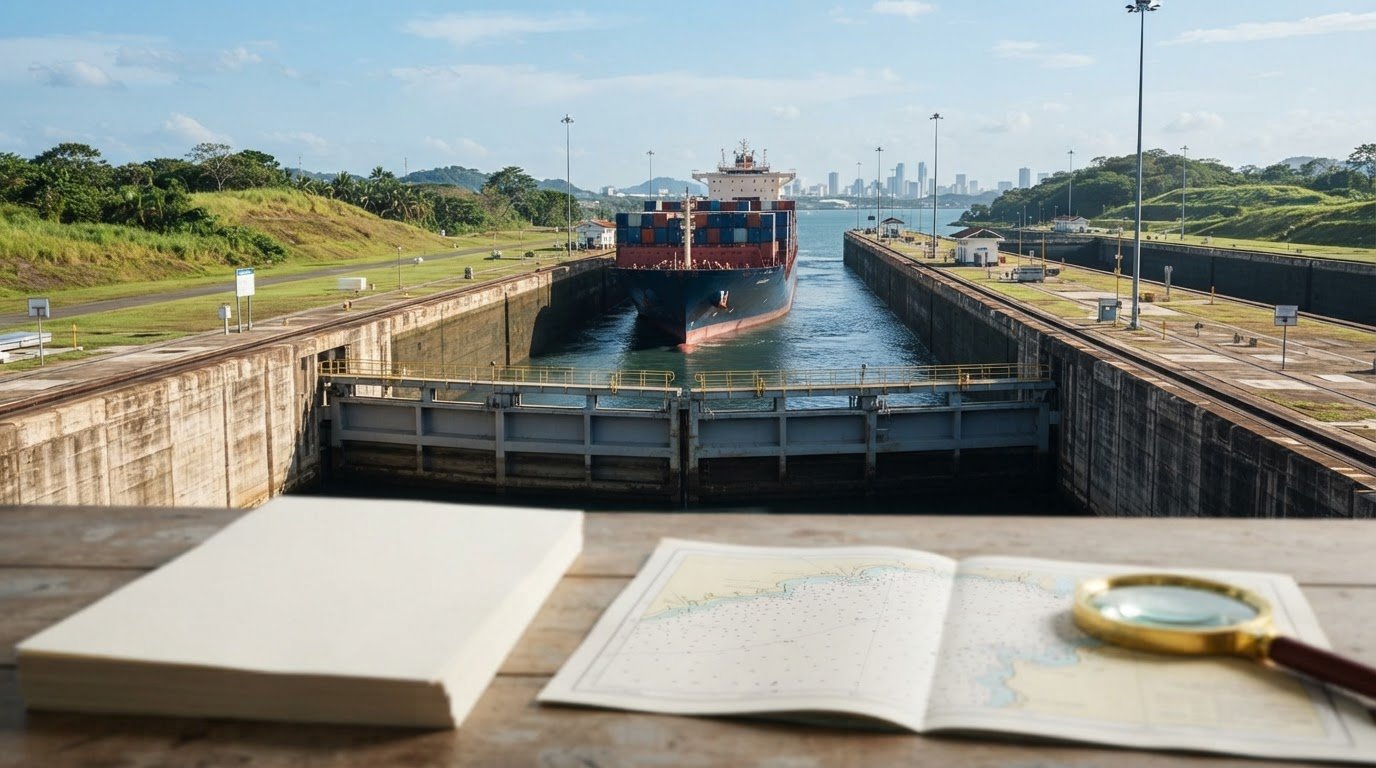
For canal-related movements, align vessel and tug communications with the Panama Canal Authority’s transit arrangements. Harbour operations also involve the vessel’s master, tug operator, port representatives, and ship agent. A towage contract should set out the scope, responsibilities, timing, and insurance arrangements. Permit requirements depend on the movement and location, so identify applicable approvals with the relevant authority. Coordinating towage in Panama works best when each party knows who issues instructions and receives updates.
Safety Risks and Potential Delays
A mismatch between tug capability and vessel requirements can complicate a manoeuvre. Tanker assistance also requires clear communication during approach, connection, and movement. Weather, port traffic, revised arrival times, or other operational constraints may disrupt the schedule. Agree how updates will reach the vessel and tug teams, then revise the plan as conditions change. This keeps coordination focused on the immediate operation without treating the original timing as fixed.
Which authorities and agencies coordinate towage in Panama?
Panama towage coordination involves several operational parties, not one universal contact. For canal-related movements, the Panama Canal Authority’s transit arrangements and tug operations are central to coordination. Harbour moves also require communication among the vessel’s master, tug operator, port representatives, and ship agent. Each party needs the same movement details, including the vessel’s intended location and timing.
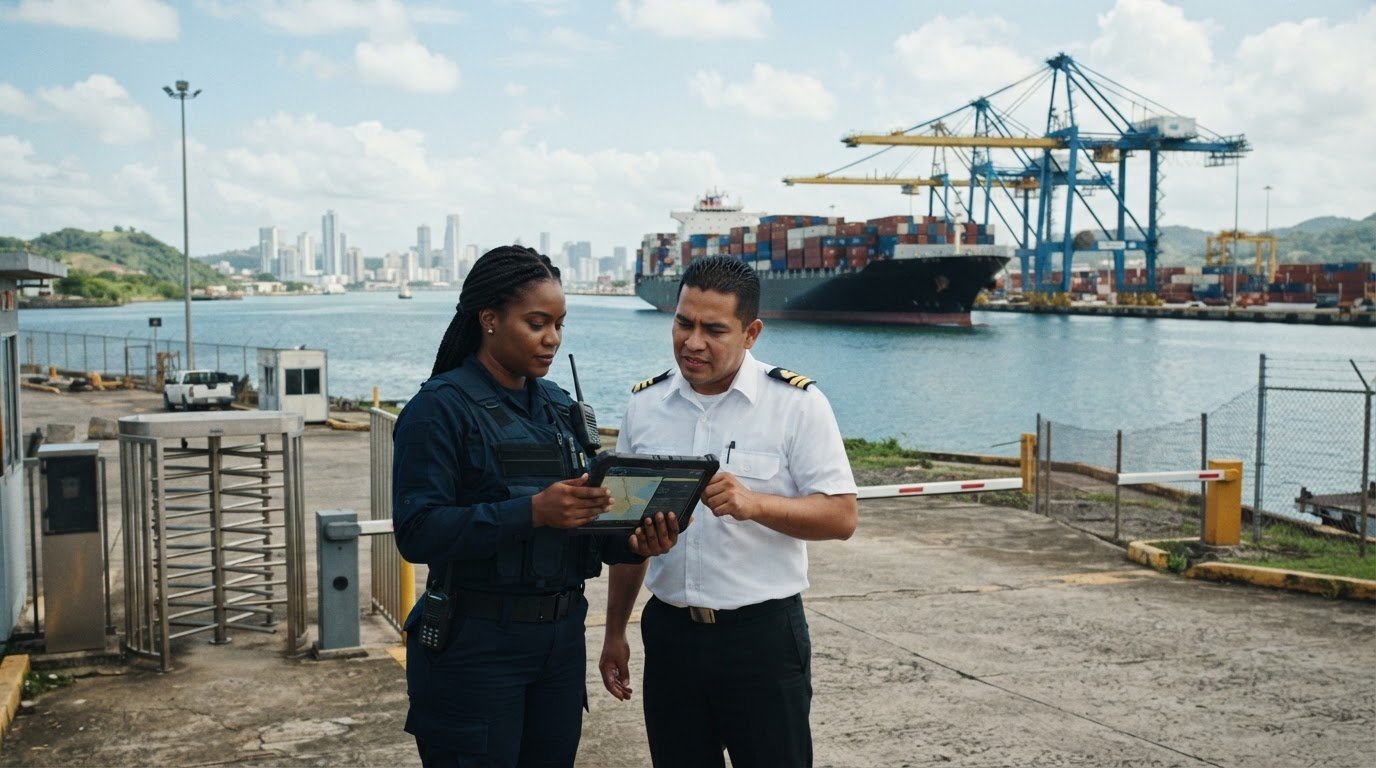
Keep responsibilities distinct. The Panama Canal Authority manages canal operations, while the tug operator handles its tug and crew arrangements. The vessel’s master provides shipboard instructions and confirms readiness for the movement. A port representative helps align harbour access and berth timing. The ship agent connects vessel representatives with local parties, passes on updates, and helps keep operational information consistent.
- For canal transits: align tug arrangements with the vessel’s transit schedule and communications involving the Panama Canal Authority.
- For harbour movements: share the planned manoeuvre with the tug operator, vessel master, and relevant port representatives.
- For changes: relay updated arrival or movement details to each party coordinating the operation.
Before confirming the plan, identify who gives operational instructions, supplies tug services, and distributes updates. For example, a revised berth time should reach the tug operator and vessel team, not remain only in an agent’s correspondence. Clear role allocation also distinguishes canal transit arrangements from a separate harbour towage request. The appropriate parties can vary with the vessel’s location and planned operation.
Ship owners and charterers can use a local agent to organize vessel-related communication across these parties. A Panama ship agency partner can help relay instructions and coordinate the information needed for a port call or canal transit. This support helps keep the vessel’s representatives connected with the local operational chain while responsibilities remain with the relevant authority, operator, and vessel team.
What are the tugboat rates and additional charges in Panama?
Panama towage costs depend on the operation, so a useful estimate starts with its exact scope. A harbour shift, tanker assistance, and canal-related tug support may require different tug capabilities and coordination. The price depends on the case and is provided after a quote request. Cost factors include the movement, tug requirements, location, duration, and timing. Compare quotes for the same requested service before assessing their totals.
How the quotation is shaped
Describe the vessel’s planned movement, including its location, destination, and purpose. A tanker’s berth manoeuvre, for example, requires a different service description from support connected with a canal transit. Include relevant vessel particulars and any known schedule constraints. These details help define the tug arrangement and clarify what the quotation covers. A broad request can make quotations difficult to compare because each may assume a different scope.
What to review in additional charges
Read the quotation line by line. Check which towage tasks are included, how the service period is defined, and whether separate items apply to the agreed operation. Don’t assume a listed total covers every requested movement. If the service changes, compare the revised scope with the original quotation and identify which adjustment affects the amount. This makes additional charges visible as specific items, not unexplained differences between estimates.
Compare like with like
Use the same request when reviewing offers in Panama. Give each quoting party the same vessel details, movement plan, location, tug requirements, and timing information. Then compare the included service, duration basis, and any separately listed items. If one quote covers only a harbour manoeuvre while another includes additional assistance, their totals aren’t directly comparable. Matching the scope first helps owners and charterers assess operational fit and financial terms together.
How far in advance should towage be scheduled in Panama?
Schedule towage once the vessel’s movement, location, and intended timing are clear. Lead time depends on the operation, tug requirements, and coordination with the vessel’s port call or canal transit. A harbour shift planned around a berth window differs from tanker assistance or tug support linked to a Panama Canal transit. Start planning early, then update the arrangement as the vessel’s schedule develops.
For a workable request, share operational details rather than relying on an estimated arrival alone. The vessel’s master, tug operator, agent, and relevant port or canal contacts need consistent information. A change to the expected arrival, for example, can affect a planned harbour movement. Promptly pass revised timing to the parties involved so they can adjust their coordination.
- At the planning stage: identify the movement, location, vessel particulars, and assistance required.
- As the schedule develops: align the towage window with the vessel’s berth or transit plan.
- After a change: communicate updated arrival and movement details to the tug operator and vessel team.
For a tanker, include the intended manoeuvre and assistance requirements in the initial request. For a canal transit, coordinate tug arrangements with the vessel’s transit planning and relevant Panama Canal Authority communications. Timing depends on the information available and how the requested movement fits other operational commitments. Clear information early gives the parties a practical basis for planning.
Keep one current schedule and make the latest version easy for each party to identify. If arrival timing shifts, communicate the change instead of relying on earlier messages. To organize the local coordination around a Panama vessel call, request support with towage scheduling.
Adimar Shipping: Ship Agency Services
Adimar Shipping, Inc. provides Ship Agency Services for owners and charterers coordinating vessel calls and Panama Canal transits. A local agency partner can coordinate towage arrangements alongside vessel schedules, port-call communications, and other agency requirements. Through Owner’s Nominated Agency or Charterer’s Nominated Agency services, Adimar Shipping, Inc. supports the appointing party’s vessel-related coordination. Husbandry Services can also address additional requirements during a vessel call.
Organized communication between vessel representatives and local parties helps owners and charterers manage the wider operational picture. Ship agency support complements towage planning without replacing the roles of tug operators, vessel masters, or the Panama Canal Authority.
Contact Adimar Shipping, Inc. to discuss agency support for your vessel’s Panama call or transit.
Set the Next Towage Plan in Motion
Make the next step a clear operational brief for your Panama call. Define the vessel’s intended movement, timing, assistance requirements, and who is responsible for each communication. This gives everyone a shared point of reference as the plan develops. A disciplined approach to coordinating towage in Panama also helps manage schedule changes alongside the vessel’s wider port-call needs.
Adimar Shipping, Inc.’s Ship Agency Services support vessel-related coordination, with Owner’s Nominated Agency and Charterer’s Nominated Agency options for the appointing party. The appropriate agency role helps keep communication aligned with operational priorities while tug operators and relevant authorities retain their responsibilities.
Take the next step with a focused discussion about your vessel’s agency requirements. Contact Adimar Shipping, Inc. about towage and move forward with a clear plan for your Panama operation.
Frequently Asked Questions
How do you arrange towage services in Panama?
Arrange towage by sending a service request to the ship agent or tug operator handling the vessel’s port call. State whether the owner or charterer appoints the agent, describe the requested tug task, and request a written service scope. Once the terms are aligned, confirm who will issue operational updates and approve changes. For a canal passage, keep the tug request separate from transit booking and clearance.
What information is needed to book a tug in Panama?
Provide the vessel’s name and particulars, its port or anchorage, the requested movement, and the intended service window. Explain whether the job involves a berth manoeuvre, shift, tanker assistance, or canal-related support. Include cargo details where they affect the operation, as well as contact information for the master or operations representative. Clear details help the parties assess the tug requirement and define the service scope.
What are the towage requirements for vessels transiting the Panama Canal?
Canal transit planning includes requirements beyond the tug request. Vessels carrying at least 400 MT of oil must submit a Panama Canal Shipboard Oil Pollution Emergency Plan (PCSOPEP) at least 96 hours before arrival, through an Authorized Person residing in Panama. All vessels must comply with SOLAS Regulation 17, Chapter V boarding facility requirements. Keep these compliance arrangements distinct from operational towage coordination.
Which ports and anchorages in Panama offer tug services?
For Panama Canal calls, identify Balboa or Cristóbal in the vessel’s port-call details where relevant. Tug arrangements depend on the specific port or anchorage and requested movement, so don’t assume that arrangements for one location apply elsewhere. Give the tug operator the vessel’s actual location and say whether it needs harbour manoeuvring, tanker assistance, or canal-related support. This makes the service request specific to the call.
What are the rules for towage contracts, permits, and insurance in Panama?
A towage contract should set out the service scope, responsibilities, timing, and insurance arrangements. Permit requirements depend on the movement and location, so identify applicable approvals with the relevant authority.