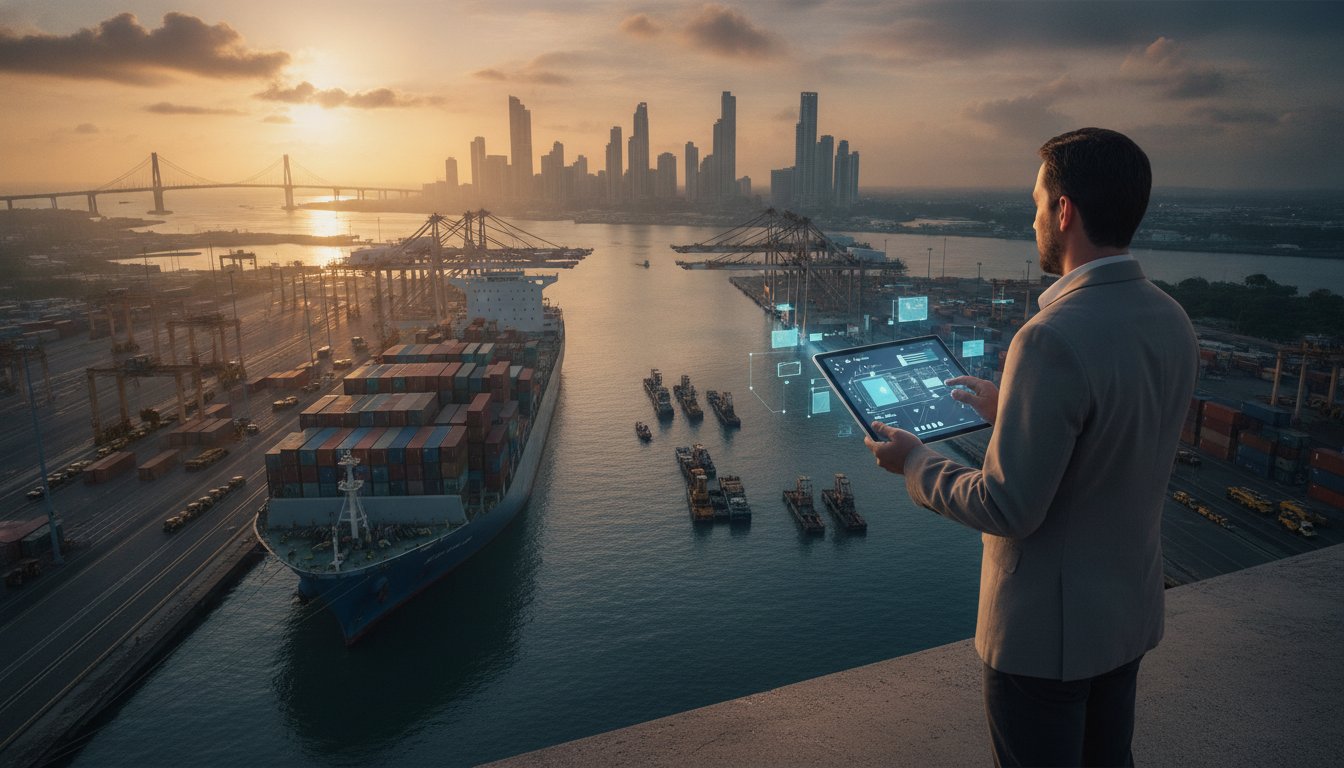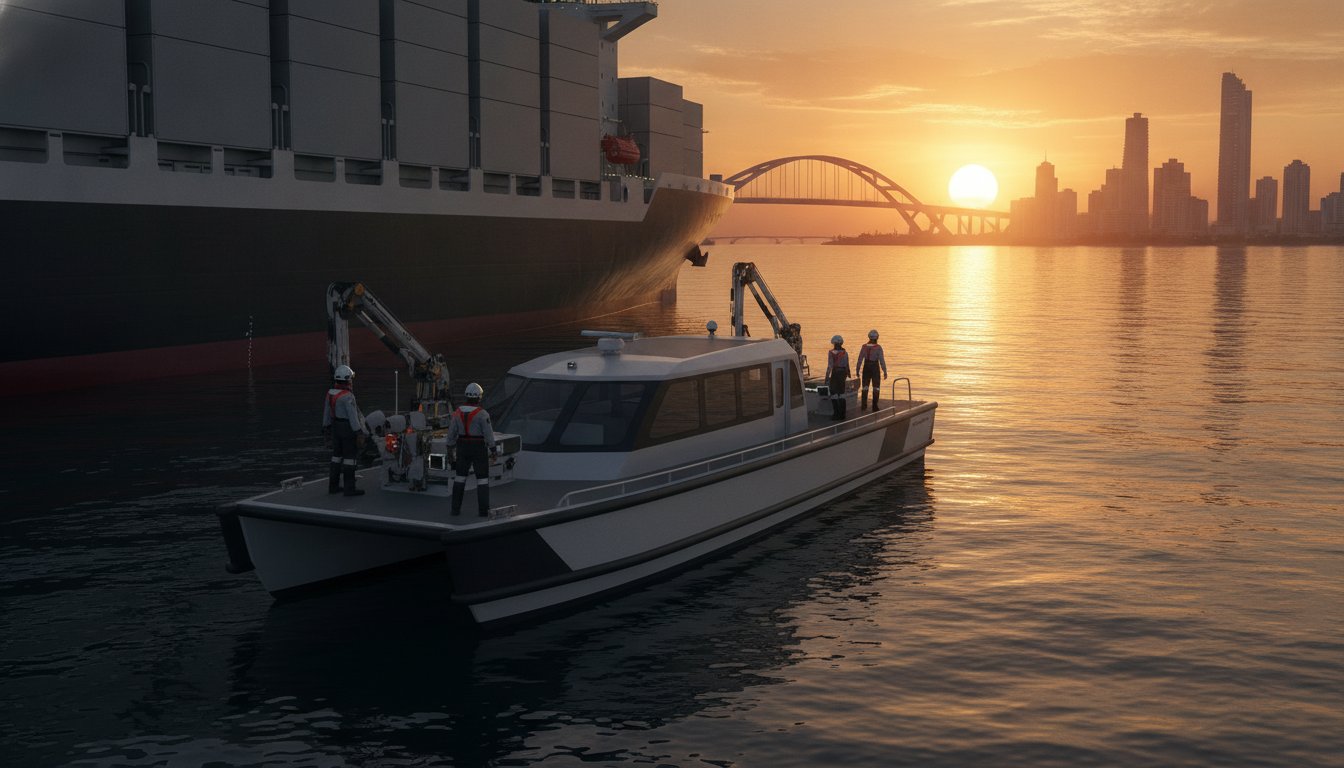

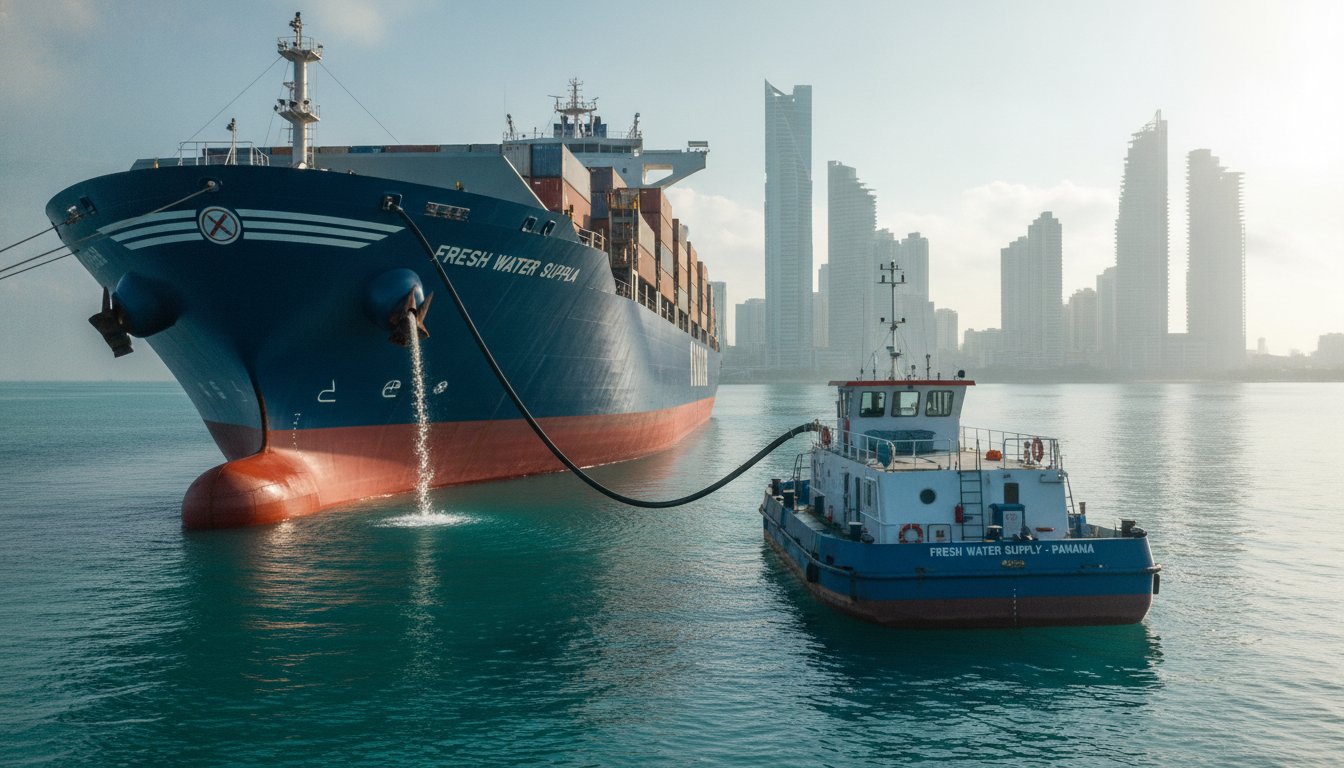
A single logistical oversight in your fresh water supply for ships panama can turn a routine Canal transit into a costly anchorage delay. You already know that coordinating with the Panama Canal Authority while managing the new 15.09m draught restrictions is a high-stakes balancing act. It’s frustrating when unreliable delivery timing or hidden surcharges from local vendors threaten your operational budget and crew health. We understand that your priority is a smooth transit without the stress of managing multiple moving parts alone. You need a partner who acts as a vigilant extension of your own team on the ground.
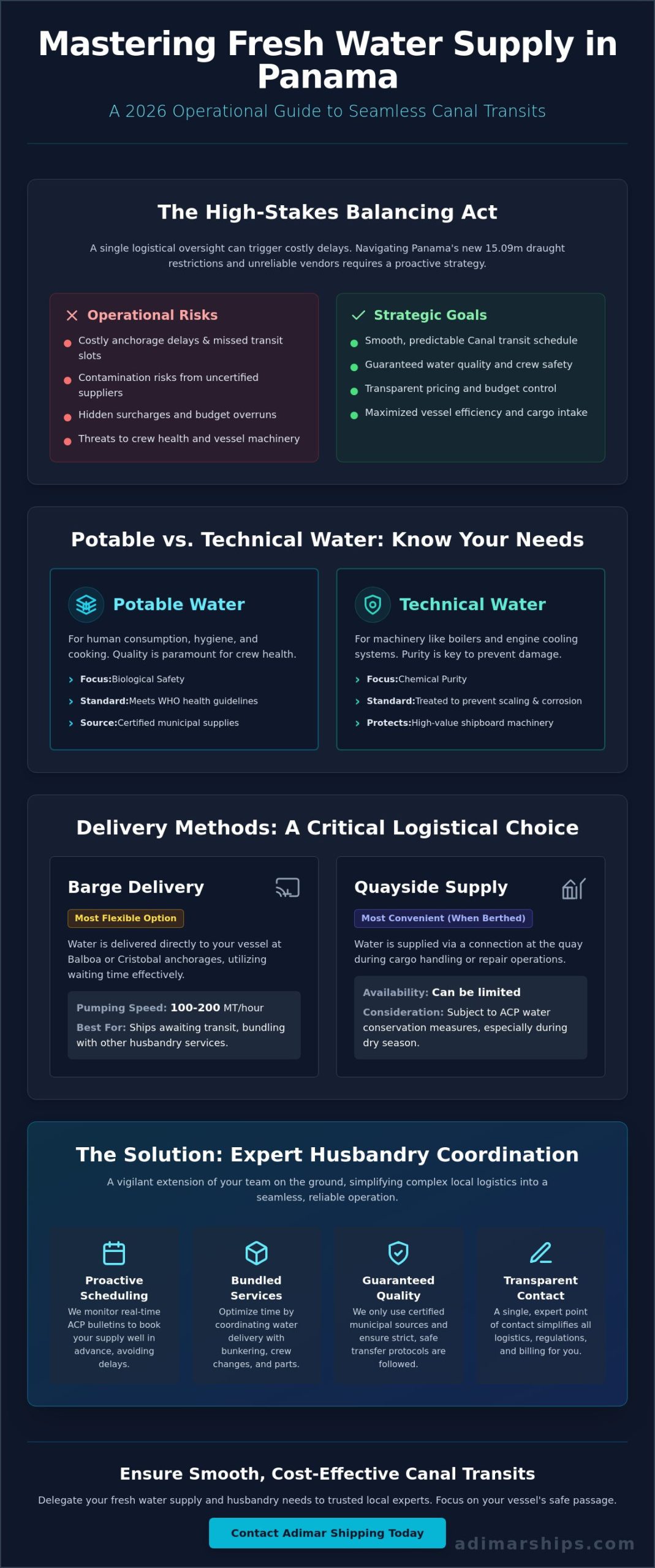
This 2026 operational guide will help you master the logistics of securing high-quality potable water while avoiding compliance risks. You’ll learn how to coordinate deliveries that align perfectly with your transit schedule and ensure every gallon meets international maritime health standards. We’ll preview the current regulatory environment, explain how to avoid common vendor pitfalls, and provide a roadmap for transparent, reliable husbandry services. By delegating these complex tasks to local experts, you can focus on the safe and efficient passage of your vessel through the Canal.
Key Takeaways
- Identify the strategic difference between potable and technical water needs to maintain vessel efficiency and crew health during Canal transits.
- Compare barge and quayside delivery methods to determine the most time-effective and cost-efficient option for your specific vessel size and location.
- Protect your operations by ensuring your fresh water supply for ships panama is sourced only from certified municipal supplies to avoid contamination risks.
- Optimize your operational budget by applying lead-time strategies that coordinate water delivery with bunkering and other essential husbandry services.
- Learn how expert ship agency coordination simplifies complex local regulations and provides a single, transparent point of contact for all logistical needs.
The Critical Role of Fresh Water Supply for Ships in Panama (2026)
Managing a vessel’s water inventory is no longer just a routine checklist item. In 2026, it’s a strategic necessity. The Panama Canal remains the most vital transit point in the Americas; however, environmental shifts have made coordination more complex. Securing a reliable fresh water supply for ships panama ensures your crew stays healthy and your machinery operates without failure. Efficiency here isn’t just about volume. It’s about timing and compliance within a strictly regulated maritime zone.
The primary reservoir for the canal, Gatun Lake, serves as the lifeblood for both transit locks and vessel replenishment. Despite recent drought cycles and the resulting 15.09m draught restrictions, Panama continues to invest in infrastructure to maintain its status as a premier husbandry hub. Proper water management directly impacts your vessel’s displacement and stability. When every centimeter of draught counts toward your cargo intake, knowing exactly when and where to take on water becomes a financial decision. Effective husbandry coordination ensures that water replenishment happens in parallel with other services, preventing unnecessary time at anchorage.
Potable vs. Technical Water: Understanding Your Requirements
Vessels require two distinct types of water to maintain operational integrity. Potable water must meet rigorous WHO standards to ensure it’s safe for human consumption, cooking, and hygiene. Technical water is specifically treated for use in high-pressure boiler feed systems and engine cooling loops to prevent scaling or corrosion. While potable water focuses on biological safety for the crew, technical water prioritizes the chemical purity required to protect expensive shipboard machinery.
The Impact of ACP Water Conservation Measures on Supply
The Panama Canal Authority (ACP) has implemented sophisticated water management strategies for 2026 to combat fluctuating lake levels. These measures often include seasonal adjustments to quayside supply availability, especially during the dry season when reservoir conservation is peaked. You might face tighter delivery windows or specific volume caps depending on current reservoir status. This is where a proactive ship agent becomes your most valuable asset. We monitor real-time ACP bulletins to ensure your fresh water supply for ships panama is booked well in advance of your arrival. Our local presence allows us to anticipate restrictions before they cause anchorage delays, keeping your husbandry schedule seamless and predictable.
Fresh Water Delivery Methods: Barge vs. Quayside Supply
Choosing the right delivery method for your fresh water supply for ships panama depends on more than just availability. It’s a logistical decision that directly impacts your transit timeline and operational costs. Most vessels arriving at the Panama Canal choose between barge delivery at the anchorage or a quayside connection during cargo operations. Your vessel’s size, current position, and the urgency of your schedule dictate the most efficient path forward. Selecting the wrong method can lead to missed transit slots or unnecessary port fees.
A professional ship agent acts as your local coordinator to evaluate these variables in real time. We analyze your vessel’s ETA and the current congestion levels at the locks to recommend the optimal supply route. For example, a ship waiting for a transit slot at the Balboa anchorage can take water via barge without disrupting its schedule. Conversely, a vessel already scheduled for repairs or cargo handling may find quayside supply more convenient. This level of oversight ensures that your vessel is fully provisioned without adding “dead time” to your voyage.
Water Barge Delivery at Balboa and Cristobal Anchorages
Barge delivery is the most flexible option for ships awaiting their transit sequence. By taking water at the Balboa or Cristobal anchorages, you utilize waiting time effectively. Local water barges typically offer pumping speeds between 100 and 200 metric tons per hour, depending on the specific equipment used. Safety remains a top priority during these transfers. We ensure all vendors follow strict protocols for hose management and fender placement to prevent hull damage in open water conditions. This method allows you to bundle water replenishment with other husbandry services, such as crew changes or spare parts delivery, for maximum efficiency.
Quayside (Pier-Side) Supply Logistics
Shore-to-ship connections are often utilized by vessels docked at major terminals like PSA Panama International or the Port of Balboa. Quayside supply provides a stable transfer environment, which is ideal for large volume orders or when the vessel is already alongside for cargo. However, shore pressure can vary significantly between different terminals. It’s vital to compare the terminal’s pump rate against your vessel’s requirements. We always verify the current infrastructure status at the pier before confirming an order, ensuring that the shore pressure is sufficient to meet your departure deadline without delay.
Managing these logistical trade-offs requires deep local knowledge and constant communication with terminal operators. If you’re planning a stop at either end of the Canal, our team can provide a tailored husbandry assessment to help you select the most reliable fresh water supply for ships panama for your specific needs.
Ensuring Water Quality: Standards and Certifications
Compromising on water quality is a risk no operator should take. While the Panama Canal is a global logistics hub, the quality of your fresh water supply for ships panama depends entirely on the integrity of the local supply chain. Sourcing exclusively from Panama Canal Authority (ACP) approved municipal sources is the only way to guarantee that the water has been treated to international safety standards. Using uncertified vendors exposes your vessel to biological contaminants that cause crew illness and mineral imbalances that lead to expensive machinery scaling.
We act as your vigilant representative on the ground to mitigate these risks. Our team verifies the credentials of every local vendor before a single gallon is pumped. For high-volume deliveries or specialized technical requirements, we coordinate independent laboratory testing to provide an extra layer of security. This proactive oversight protects your crew’s health and ensures your engine cooling systems remain free from corrosive deposits.
Potability Testing and Health Certificates
Every delivery must meet specific chemical and biological parameters to be considered safe for shipboard use. We ensure that vendors test for pH levels, residual chlorine, and the presence of harmful bacteria like E. coli or coliforms. A valid Health Certificate is a mandatory requirement for every order we coordinate. This documentation is vital for your vessel’s internal records and for passing Port State Control (PSC) inspections. Maintaining an accurate water quality log helps you demonstrate compliance with MARPOL and international health regulations, preventing potential fines or detentions during your next port call.
Equipment Hygiene and Transfer Integrity
The quality of the water at the source means nothing if the transfer equipment is compromised. We insist on rigorous inspections of barge tanks and delivery hoses to ensure they’re free from rust, biofilm, or chemical residue. Cross-contamination during the transfer process is a common but avoidable failure. Using dedicated potable water hoses is the only way to prevent chemical or biological cross-contamination during the transfer. By enforcing these strict hygiene protocols, we ensure that the fresh water supply for ships panama remains as pure in your tanks as it was at the treatment plant. Our on-site presence during delivery serves as a final check, providing you with the peace of mind that all safety standards are being met in real time.
Ordering Strategy: How to Optimize Your Supply Schedule
Efficiency at the Canal requires viewing your fresh water supply for ships panama as one piece of a broader husbandry strategy. It isn’t a standalone commodity purchase. It’s a timed event that must sync perfectly with bunkering, crew changes, and your specific transit window. If you treat water as an isolated task, you risk paying for redundant barge movements or facing expensive rush surcharges. A proactive approach allows us to bundle these requirements, reducing your overall port expenses and simplifying your financial documentation.
The key to cost control is the “Lead Time” rule. Early notification is the most effective way to avoid the premiums that local suppliers often apply to last-minute requests. When we have sufficient notice, we can negotiate better rates and secure the most reliable equipment. We maintain a constant communication loop between the Master, our agency, and the supplier to ensure everyone is aligned on the vessel’s ETA and current requirements. This oversight prevents the common frustration of waiting for a barge that was delayed by poor coordination.
Information Required for an Accurate Quote
To provide a transparent quote without hidden fees, we need specific vessel particulars and operational data. Providing this information upfront allows us to match you with the right supplier and equipment. Be sure to include:
- Vessel name and IMO number to verify access requirements.
- Exact volume required in metric tons (MT).
- Your preferred delivery point, whether Balboa or Cristobal.
- Minimum required pumping rate to ensure the transfer fits within your port stay.
- Your requested delivery window in relation to your expected transit time.
Coordinating with the Panama Canal Authority (ACP)
Your water delivery must never compromise your “Ready Time” for transit. The ACP operates on a rigid schedule; if a water barge is still alongside when the pilot boards or tugs arrive, you could face significant penalties or even lose your transit slot. We manage this delicate timeline by monitoring ACP bulletins and pilot schedules in real time. Our team ensures that hoses are disconnected and the barge is cleared well before your vessel is required to move. For a deeper look at managing these complex operational requirements, see our guide on Panama Canal transit.
Managing these logistics alone is a recipe for stress and potential delays. By delegating these tasks to an experienced partner, you gain the operational freedom to focus on the voyage itself. If you’re looking for a reliable partner to handle your next port call, our team provides comprehensive husbandry services designed to keep your vessel moving on schedule.
Adimar Shipping: Expert Coordination of Husbandry Services
Adimar Shipping acts as your dedicated local office at the Panama Canal. We understand the high stakes of maritime logistics and the stress that comes with coordinating essential services in a high-traffic zone. Securing a fresh water supply for ships panama requires more than just a phone call to a vendor; it demands a partner who anticipates challenges before they become costly delays. By serving as your single point of contact, we eliminate the friction of managing multiple third-party suppliers across different time zones. Our local expertise is your best defense against the unpredictable variables of Canal transits.
We believe in absolute transparency and uncompromising ethical standards. Hidden surcharges or administrative confusion shouldn’t be part of your port call experience. Our team provides clear, upfront documentation for all logistical costs, ensuring you never face unexpected financial hurdles after your vessel has sailed. We act as a vigilant representative for owners and charterers, ensuring every service is delivered according to the highest industry benchmarks. This commitment to integrity builds the trust and security necessary for a successful, long-term partnership in the region.
Integrated Husbandry and Protective Agency
Operational efficiency is found through integration. We combine your water requirements with comprehensive husbandry services, including crew changes, Cash to Master (CTM), and spare parts delivery. As your protective agency, we safeguard your interests against vendor overcharges or substandard service. You receive real-time updates from our on-the-ground team, allowing you to make informed decisions without being physically present. This level of oversight ensures that your fresh water supply for ships panama is part of a seamless, cost-effective port call that respects your tight schedule.
Reliability Through Vigilance
Our role is to protect your operations through constant observation and local oversight. We follow a rigorous process for vetting and monitoring every local water supplier in our network. This includes verifying their ACP certifications and checking their delivery equipment for hygiene compliance before they ever approach your vessel. We remove the complexity of Canal logistics by providing proactive communication at every step of the transfer process. You don’t have to worry about the technical details because we’re already managing them as an extension of your own crew. Contact Adimar Shipping today to coordinate your next fresh water supply and experience the peace of mind that comes with professional local representation.
Streamlining Your Next Panama Canal Transit
Success at the Canal in 2026 depends on precise timing and local vigilance. You’ve seen how a well-coordinated fresh water supply for ships panama prevents transit delays while protecting your machinery and crew. By integrating water replenishment with your broader husbandry schedule, you eliminate the risk of hidden surcharges and administrative friction. It’s about more than just volume; it’s about the security that comes from expert oversight and proactive planning.
We stand ready to act as your local representative and dedicated problem-solver. As an authorized PCSOPEP representative with deep expertise in ACP operations, we manage every detail to keep your vessel on schedule. Our comprehensive husbandry and agency portfolio ensures that all your needs are met through a single, transparent point of contact. Secure your vessel’s fresh water supply with Adimar Shipping today to experience a new standard of reliability. We’re here to ensure your transit is smooth, compliant, and completely stress-free.
Frequently Asked Questions
Is the fresh water supplied in Panama safe for crew consumption?
Yes, fresh water is safe for consumption provided it’s sourced from ACP-approved municipal supplies. These sources follow World Health Organization (WHO) standards for potability. We verify that every fresh water supply for ships panama we coordinate comes from these certified treatment plants to ensure the health and safety of your crew.
Can I receive fresh water while my vessel is in the Panama Canal locks?
No, the Panama Canal Authority (ACP) strictly prohibits husbandry services during the actual lockage process. You must coordinate water delivery at the Balboa or Cristobal anchorages or while alongside a commercial pier. Attempting to receive supplies during transit can lead to significant fines and immediate transit cancellation.
What is the typical pumping rate for a water barge in Panama?
Most local water barges deliver at a rate between 100 and 200 metric tons per hour. The actual speed depends on your vessel’s manifold configuration and the specific barge equipment utilized. We always confirm these technical specifications in advance to help you calculate your exact port stay requirements.
How much lead time is required to order fresh water in Balboa or Cristobal?
We recommend a minimum lead time of 48 to 72 hours to ensure equipment availability and optimal pricing. While we can often handle urgent requests, early notification allows us to sync the delivery with your ACP transit slot. This proactive approach prevents rush surcharges and ensures the barge is ready as soon as you reach the anchorage.
Are there seasonal restrictions on fresh water supply due to drought?
Yes, the ACP may implement conservation measures during the dry season when Gatun Lake levels are low. These restrictions typically affect quayside supply volumes at specific terminals rather than barge deliveries at the anchorage. We monitor daily ACP bulletins to advise you on any current limitations that might impact your fresh water supply for ships panama.
Do I need to provide my own hoses for a quayside water delivery?
Usually, the supplier or the terminal provides the necessary hoses for the transfer. However, we always verify this during the booking process to avoid delays at the pier. We ensure that the vendor uses dedicated, food-grade potable water hoses to prevent any risk of cross-contamination during the shore-to-ship connection.
Can Adimar Shipping coordinate water supply alongside a crew change?
Yes, we specialize in integrated husbandry services that combine multiple tasks into a single logistical event. By coordinating your water supply with crew changes or spare parts delivery, we reduce your total barge movements and administrative costs. This consolidated approach is the most efficient way to manage your vessel’s needs during a Canal call.
What documentation will I receive to prove the water is potable?
You will receive a formal Health Certificate and a laboratory analysis report with every delivery. These documents detail essential parameters such as pH levels, residual chlorine content, and the absence of coliform bacteria. This paperwork is critical for your internal safety management system and for demonstrating compliance during Port State Control inspections.