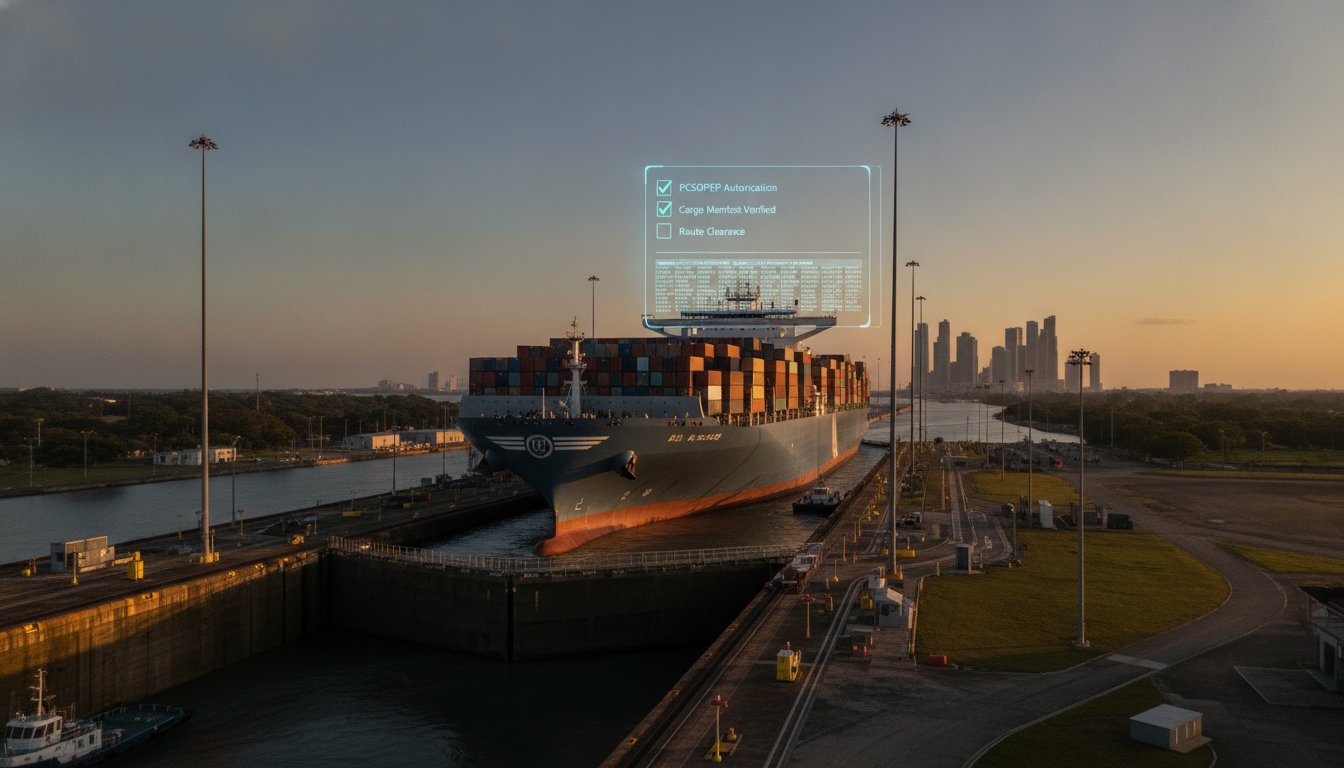

Did you know that a single administrative error in your VUMPA filing can trigger a minimum $50,000 fine and the immediate forfeiture of your Panama Canal transit slot? For ship owners and managers, the pressure to maintain 100% compliance with the Panama Canal Authority is constant. You’re likely concerned about 24/7 availability during a real spill incident or simply confused about why a standard agent isn’t enough to meet these strict mandates. Learning how to choose a PCSOPEP authorized person in Panama is no longer just a regulatory checkbox; it’s a critical financial safeguard for your fleet.
We understand that the stakes are high, especially when a one-day delay for a Neo-Panamax vessel can cost upwards of $65,000 in lost revenue. This guide will help you master the selection process to ensure zero delays and total regulatory peace of mind. We’ll examine the specific qualifications your AP must hold, the difference between husbandry and emergency representation, and how Adimar Shipping, Inc. acts as your vigilant, on-the-ground representative in 2026. By the end of this guide, you’ll have a clear roadmap for securing a reliable partner who simplifies the complex ACP landscape.
Key Takeaways
- Identify the non-negotiable legal requirements for an Authorized Person, including Panamanian residency and bilingual fluency, to avoid immediate ACP rejection.
- Learn how to choose a PCSOPEP authorized person in Panama by evaluating their historical track record and specific expertise with your vessel’s class.
- Discover the critical vetting questions you must ask every candidate to ensure they provide 24/7/365 accountability during an emergency.
- Understand why integrating your AP services with broader husbandry and ship agency creates a more seamless, risk-free transit experience.
- Master the selection process to protect your operations from administrative errors and ensure your representative acts as a vigilant extension of your own team.
The Strategic Importance of Your PCSOPEP Authorized Person
The PCSOPEP Authorized Person (AP) is far more than a name on a compliance form. This individual or entity acts as the mandatory local representative for any vessel carrying 400 metric tons or more of oil. Mandated by the Panama Canal Authority (ACP), the AP is the only person authorized to speak for the shipowner during a pollution emergency. While many companies offer basic agency services, the role of the AP is specialized and legally binding. Understanding this distinction is the first step in learning how to choose a PCSOPEP authorized person in Panama that actually protects your interests.
Unlike a standard ship agent who manages husbandry or crew changes, a designated AP must reside in Panama and possess the authority to provide financial guarantees to the ACP. In 2026, the Canal’s ecosystem requires even stricter oversight due to aggressive digitalization and zero-tolerance environmental policies. If an incident occurs, the ACP doesn’t call your head office in London or Singapore; they call your AP. If that person isn’t available or lacks the expertise to navigate the VUMPA system, your transit stops immediately. The AP must be a seasoned expert who understands the technical nuances of local regulations.
Compliance vs. Operational Reality
Many operators fall into the trap of “paper compliance,” choosing the cheapest AP simply to fill a box on a form. This strategy fails the moment an actual spill occurs. A truly effective AP acts as your vigilant eyes and ears on the ground, ensuring that your Shipboard Oil Pollution Emergency Plan (SOPEP) isn’t just a binder on a shelf, but a functional response tool. The Authorized Person serves as the vital 24/7 link between the Master and the ACP to coordinate emergency response efforts. By delegating this specialized task to a knowledgeable partner, you mitigate long-term legal and environmental liability before the vessel even enters the breakwater.
The Financial Impact of a Poor Choice
The financial consequences of selecting an inexperienced AP are immediate and severe. A simple administrative error in plan submission can lead to a minimum fine of $2,500. However, the true danger lies in transit delays. A one-day delay for a Neo-Panamax vessel can exceed $65,000 in lost revenue. When evaluating how to choose a PCSOPEP authorized person in Panama, consider how they protect your charter party agreements. An AP who fails to respond 24/7/365 puts you at risk of forfeiting your transit slot, which often results in massive demurrage claims. Reliability isn’t just about safety; it’s about protecting your bottom line from avoidable regulatory hurdles.
Mandatory ACP Requirements for an Authorized Person
The Panama Canal Authority (ACP) maintains a zero-tolerance policy for administrative lapses. When evaluating how to choose a PCSOPEP authorized person in Panama, you must first verify their adherence to the Mandatory ACP Requirements. These aren’t suggestions. They are strict legal prerequisites that determine whether your vessel can transit. First, your Authorized Person (AP) must be a legal resident of the Republic of Panama. This ensures they are within the same jurisdiction and time zone as the Canal operations.
Second, bilingual fluency in English and Spanish is essential. During a high-stress incident, there’s no time for translation delays. Your AP needs to communicate technical data clearly to the ACP and your vessel’s Master simultaneously. Beyond language, the AP must have a documented, deep understanding of your vessel’s specific PCSOPEP plan. They aren’t just a contact name; they are the individual responsible for implementing the plan’s specific protocols. Finally, they must hold a clear, written authorization to act on your behalf, including the power to provide financial guarantees for cleanup costs.
Liaison with Response Organizations (OSROs)
A critical gap in many transit plans is the disconnect between the ship and local Oil Spill Response Organizations (OSROs). Your AP bridges this gap. Their duty is to activate the response plan and mobilize resources within minutes of a notification. This requires established local relationships with salvage and cleanup crews. An AP with a deep network in Panama can bypass logistical hurdles that would otherwise stall a response. Learning how to choose a PCSOPEP authorized person in Panama involves assessing their ability to coordinate these complex moving parts under pressure.
24/7/365 Availability Standards
The ACP requires “Always On” availability. If the Canal Authority calls and reaches an answering machine or an offshore call center, it’s a compliance failure. The ACP frequently conducts verification checks to ensure AP responsiveness during transit. A failure here can lead to immediate transit delays or fines. For a deeper look at these operational standards, see our PCSOPEP Authorized Person: A Complete Guide. We maintain a vigilant presence to ensure your vessel is never left without representation. If you need a partner who understands these high stakes, you can consult with our regional experts to secure your next transit.
5 Critical Criteria for Evaluating a PCSOPEP Provider
Selecting the right partner requires a rigorous vetting process that goes beyond legal residency. When you consider how to choose a PCSOPEP authorized person in Panama, you must move beyond surface-level certifications to evaluate operational depth. A professional provider doesn’t just hold a license; they maintain a vigilant presence that protects your vessel’s schedule and your company’s reputation. Focus on these five critical areas to separate administrative agents from true emergency liaisons.
- Historical Track Record: Ask for specific data on successful transits. A provider with thousands of incident-free transits demonstrates a mastery of the VUMPA system and ACP expectations.
- Technical Expertise: The requirements for a Panamax vessel differ significantly from a Neopanamax. Your AP must understand these technical nuances, including specific draft and beam constraints that impact spill response strategies.
- Communication Infrastructure: An “always on” promise is useless without the hardware to back it up. Verify what redundant systems they use for 24/7 monitoring and emergency notification.
- Pricing Transparency: Professionalism is reflected in clear service agreements. Ensure you understand which fees are fixed and what might trigger additional “emergency activation” costs.
- Local Reputation: The ACP’s perception of your provider matters. A provider known for ethical conduct and technical accuracy often experiences fewer administrative hurdles during plan verification.
Evaluating Experience and Local Knowledge
A specialized, multi-service Panama ship agency often makes the most effective AP because they already manage the vessel’s broader logistical needs. Having “boots on the ground” in both Panama City and Cristobal allows for immediate physical presence if a situation escalates. Experience pays dividends in high-pressure scenarios. For instance, in early 2025, an experienced AP identified a machine-level VUMPA validation error 48 hours before arrival. This proactive catch prevented a mandatory transit slot forfeiture that would have cost the charterer thousands in lost revenue.
Pricing Structures and Service Agreements
Standardize your comparison by looking at how providers bill for their vigilance. Some offer annual retainers for fleet-wide coverage, while others focus on per-transit fees. A “Full Service” agreement should explicitly cover plan submission, OSRO coordination, and 24/7 standby availability. Before signing any agreement, verify whether the quoted AP fee includes the mandatory biennial plan updates or if these are billed as separate administrative costs. Clear contracts prevent financial surprises and ensure that your focus remains on a smooth, compliant transit.
Vetting Your AP: Questions to Ask Before Appointment
Operational readiness is the only metric that matters when an incident occurs. While many agencies claim to offer representation, few possess the infrastructure to handle a real-time crisis. As you determine how to choose a PCSOPEP authorized person in Panama, your procurement team should treat the selection process like a high-stakes interview. Use these four targeted questions to verify that your potential partner is more than just a name on a VUMPA submission.
- Who is the specific individual designated as the AP for our vessel? Compliance requires a named resident. You need to know exactly who will be answering the phone at 03:00 AM.
- What is your documented average response time for ACP inquiries? The ACP expects immediate action. A professional provider tracks these metrics to prove their reliability.
- How do you handle plan updates when ACP regulations change? Requirements shift frequently. Your AP must proactively update your PCSOPEP to avoid administrative rejections.
- Can you provide references from other fleet managers? Reputable providers have long-standing relationships with global owners who can vouch for their local oversight.
Red Flags to Watch For
Protect your fleet by identifying low-quality providers early. Be wary of agencies offering “unrealistically low” fees. These firms often lack the dedicated response staff needed for true 24/7/365 vigilance. Another major warning sign is the absence of a physical office in Panama. If an agency operates solely through offshore call centers, they cannot provide the on-the-ground liaison the ACP requires. Finally, look for vague answers regarding local Oil Spill Response Organizations (OSROs). If they can’t name their contacts at the response firms, they can’t mobilize them in an emergency.
The Role of the Owner’s Nominated Agency
Consolidating your representation can significantly reduce transit friction. An Owner’s Nominated Agency provides an extra layer of protection by overseeing the AP’s performance on your behalf. This ensures that every individual involved in your transit is 100% aligned with the vessel owner’s interests rather than just the charterer’s. By combining AP duties with husbandry services, you gain a unified team that understands your vessel’s history and technical needs. If you’re ready to secure a partner who prioritizes your operational freedom, contact our specialized PCSOPEP team today to discuss your fleet requirements.
Adimar Shipping, Inc.: Your Trusted PCSOPEP Partner in Panama
Adimar Shipping, Inc. understands that your priority is a safe, efficient transit. We’ve built our reputation on being the vigilant eyes and ears for shipowners at the Canal. Our specialized team is dedicated exclusively to PCSOPEP compliance and emergency liaison. We don’t just fill out forms; we provide an active, on-the-ground presence that ensures your vessel meets every ACP standard before arrival. From bulkers to the largest Neopanamax tankers, our proven track record demonstrates our ability to handle complex regulatory demands with precision. When you’re deciding how to choose a PCSOPEP authorized person in Panama, Adimar Shipping, Inc. provides the technical leadership and local oversight required for 2026 operations.
One of our primary value propositions is seamless integration. By delegating your AP requirements to Adimar Shipping, Inc., you benefit from a unified approach that manages transit, husbandry, and emergency roles simultaneously. This prevents the communication gaps that often occur when using multiple vendors. This level of coordination is the ultimate safeguard against administrative friction. We act as an extension of your own team, providing the peace of mind that comes from knowing every detail is managed by seasoned experts who understand the financial importance of timing and efficiency.
Why Experience Matters in Panama
Our long-standing history allows us to navigate the ACP’s complex regulatory landscape with ease. Adimar Shipping, Inc. operates a dedicated 24/7/365 response center, ensuring your vessel is never without a voice in Panama. This constant availability isn’t just a promise; it’s a core component of our service infrastructure. For owners looking to optimize their entire port call, we also offer integrated A Guide to Ship Husbandry Services in Panama. This holistic oversight ensures that crew changes, spare part deliveries, and compliance mandates are handled by a single, dependable partner, reducing the logistical burden on your shore-based staff.
Ready for Your Next Transit?
Appointing Adimar Shipping, Inc. as your PCSOPEP Authorized Person is a straightforward process designed to alleviate your operational stress. We recommend a proactive approach to compliance rather than a reactive one. You can request a comprehensive review of your current shipboard plan today to identify any potential gaps before your next transit. Don’t leave your regulatory standing or your transit slot to chance. Our team is ready to provide the vigilance and expertise your fleet deserves. Contact Adimar Shipping, Inc. to secure your PCSOPEP AP and ensure your next transit is defined by zero delays and total compliance.
Secure Your Transit with Expert Local Oversight
Your choice of representative directly impacts your vessel’s safety and your company’s bottom line. Compliance in 2026 requires more than a signature on a form; it demands a partner with a vigilant presence and deep technical knowledge of ACP protocols. Mastering how to choose a PCSOPEP authorized person in Panama ensures that you avoid the administrative errors and communication gaps that often lead to costly transit delays. By prioritizing local residency, bilingual fluency, and established relationships with response organizations, you protect your fleet from avoidable regulatory hurdles.
Adimar Shipping, Inc. offers an ACP-recognized specialized service backed by decades of Panama Canal transit expertise. Our team provides 24/7/365 emergency response availability; we act as your dedicated liaison to protect your interests at every mile of the waterway. We simplify the complex coordination between Masters, OSROs, and the Canal Authority, allowing you to focus on your broader fleet operations with total peace of mind. Our commitment to ethical standards and technical precision makes us the dependable extension of your team in Panama.
Don’t leave your next transit to chance. Appoint Adimar Shipping, Inc. as your PCSOPEP Authorized Person today to guarantee a seamless, compliant journey. We’re ready to secure your operations and ensure your vessel moves through the Canal without delay.
Frequently Asked Questions
Is a PCSOPEP Authorized Person mandatory for all Panama Canal transits?
A PCSOPEP Authorized Person is mandatory for all toll-paying commercial vessels with a carrying capacity of 400 metric tons or more of oil. This threshold applies whether the oil is carried as cargo or as fuel for the vessel’s own engines. Failure to designate a resident AP through the VUMPA system at least 96 hours before arrival will result in the vessel being denied transit and potentially facing significant fines.
Can my regular ship agent also serve as my PCSOPEP Authorized Person?
Your regular ship agent can serve as the AP only if they meet the specific residency, language, and legal authorization requirements set by the ACP. Many owners find that a specialized provider offers superior 24/7 vigilance compared to a general agent. When evaluating how to choose a PCSOPEP authorized person in Panama, it’s vital to ensure your partner has a dedicated emergency response infrastructure that remains active every day of the year.
What is the difference between a PCSOPEP AP and an OSRO?
The AP acts as the legal liaison and coordinator, while the OSRO (Oil Spill Response Organization) is the technical team that performs the physical cleanup. The Authorized Person holds the power to provide financial guarantees and mobilize the OSRO within minutes of an incident. Think of the AP as the local decision-maker and the OSRO as the tactical response unit that handles the equipment and personnel on the water.
How often does the PCSOPEP plan need to be updated with the ACP?
The Notice of Acknowledgement for a PCSOPEP plan is valid for four years under current regulations. However, you must update and re-verify the plan whenever there are significant changes to the vessel’s configuration, ownership, or the designated AP. Vessels are also required to perform and document notification exercises with their AP at least twice a year to ensure operational readiness.
What happens if the Authorized Person is not reachable during a transit?
If an AP is unreachable during a transit, the ACP considers the vessel to be in non-compliance with mandatory pollution prevention regulations. This failure typically triggers immediate transit slot forfeiture and a minimum sanction of $2,500. Beyond the initial fine, the resulting delays for a Neo-Panamax vessel can lead to revenue losses and demurrage costs exceeding $65,000 per day.
How much does it cost to appoint a PCSOPEP Authorized Person in Panama?
The cost to appoint an AP depends on your specific service agreement, such as whether you choose a per-transit fee or a long-term fleet retainer. While the ACP mandates specific tariffs for the plan verification based on vessel size, the fee for the AP’s representation is a separate commercial arrangement. We recommend prioritizing response reliability and technical expertise over the lowest price to protect against the high cost of transit delays.
Can one Authorized Person represent multiple vessels in the same fleet?
Yes, a single Authorized Person or agency can represent an entire fleet of vessels transiting the Canal. This consolidation improves communication efficiency and ensures consistent compliance standards across all your assets. It also simplifies the process of learning how to choose a PCSOPEP authorized person in Panama by allowing you to establish a single, dependable partnership with one local expert.
Does the Authorized Person need to be present on the ship during the transit?
The Authorized Person does not need to be physically present on the ship during the Panama Canal transit. They must be a resident of the Republic of Panama and remain available 24/7/365 by phone or email to coordinate with the Master and the ACP. Their role is to act as the vigilant, on-the-ground link between the vessel and the shore-side authorities throughout the entire transit period.