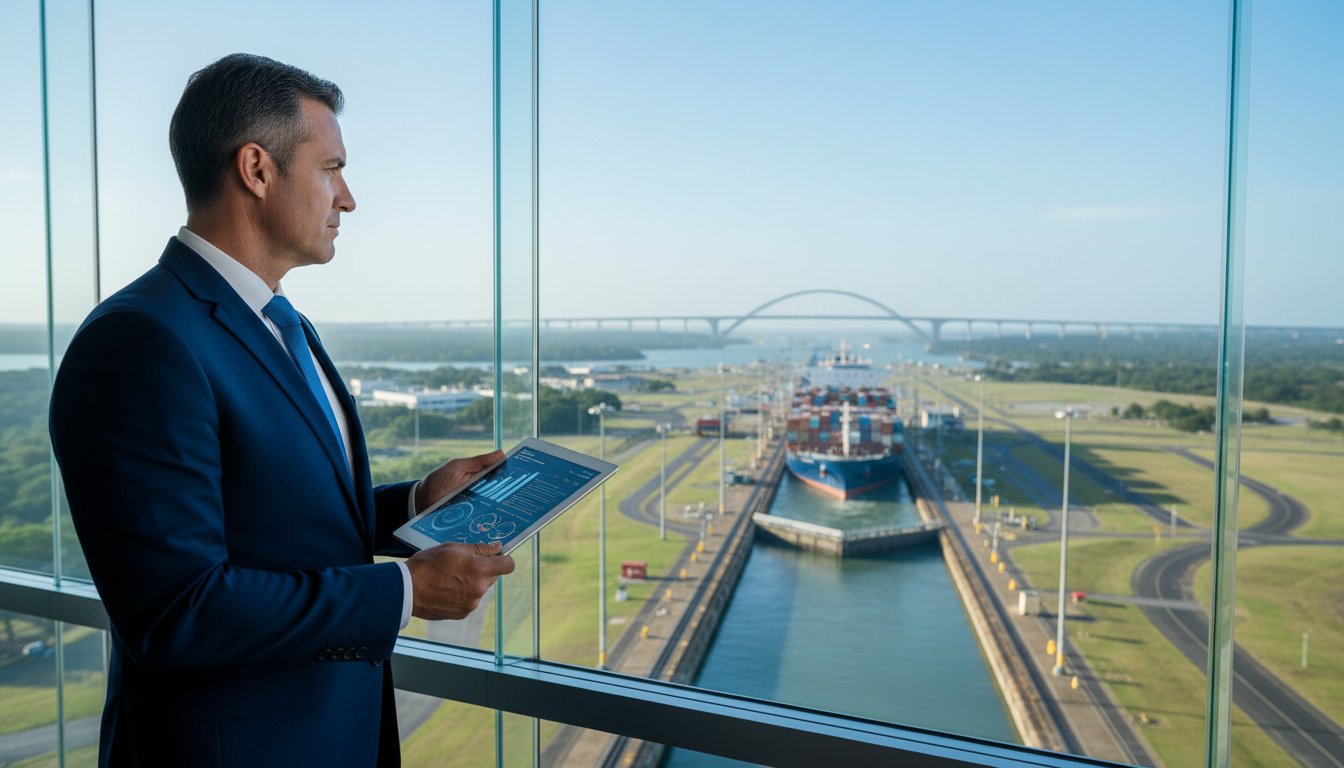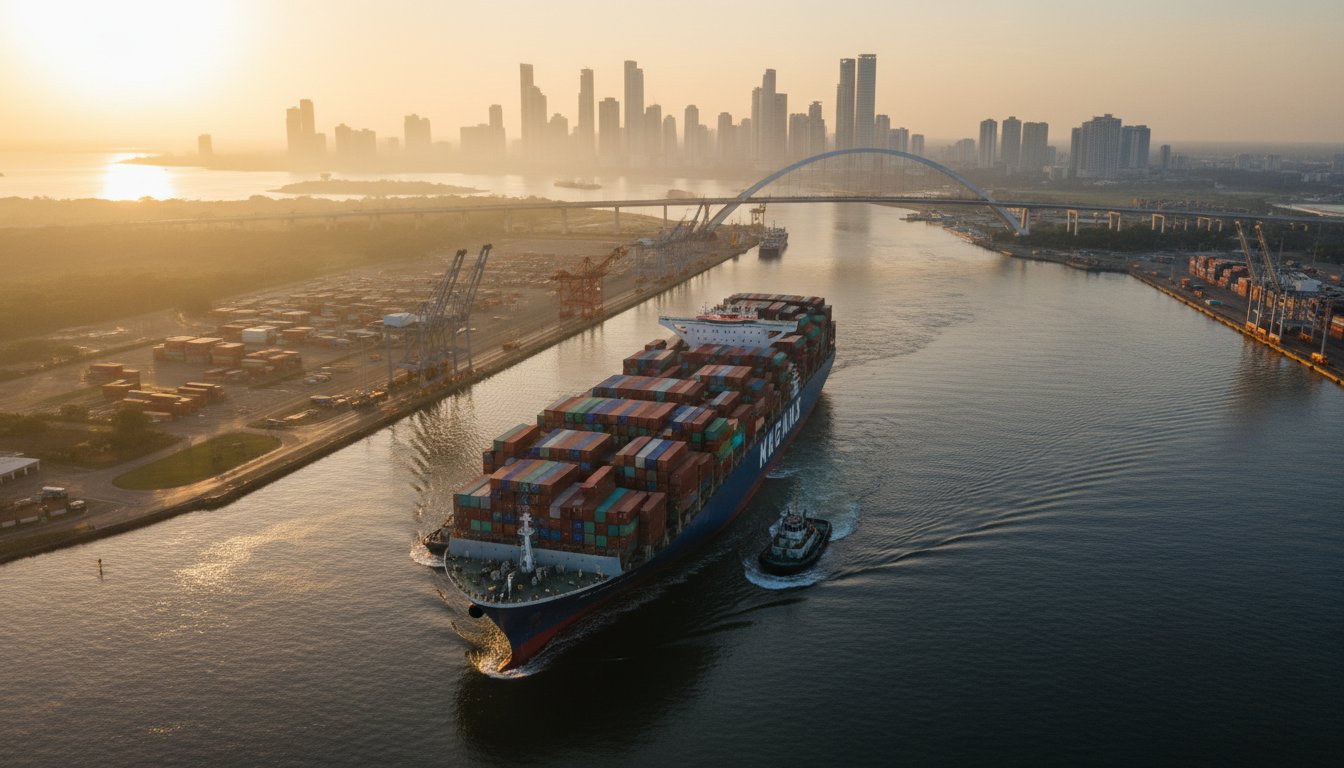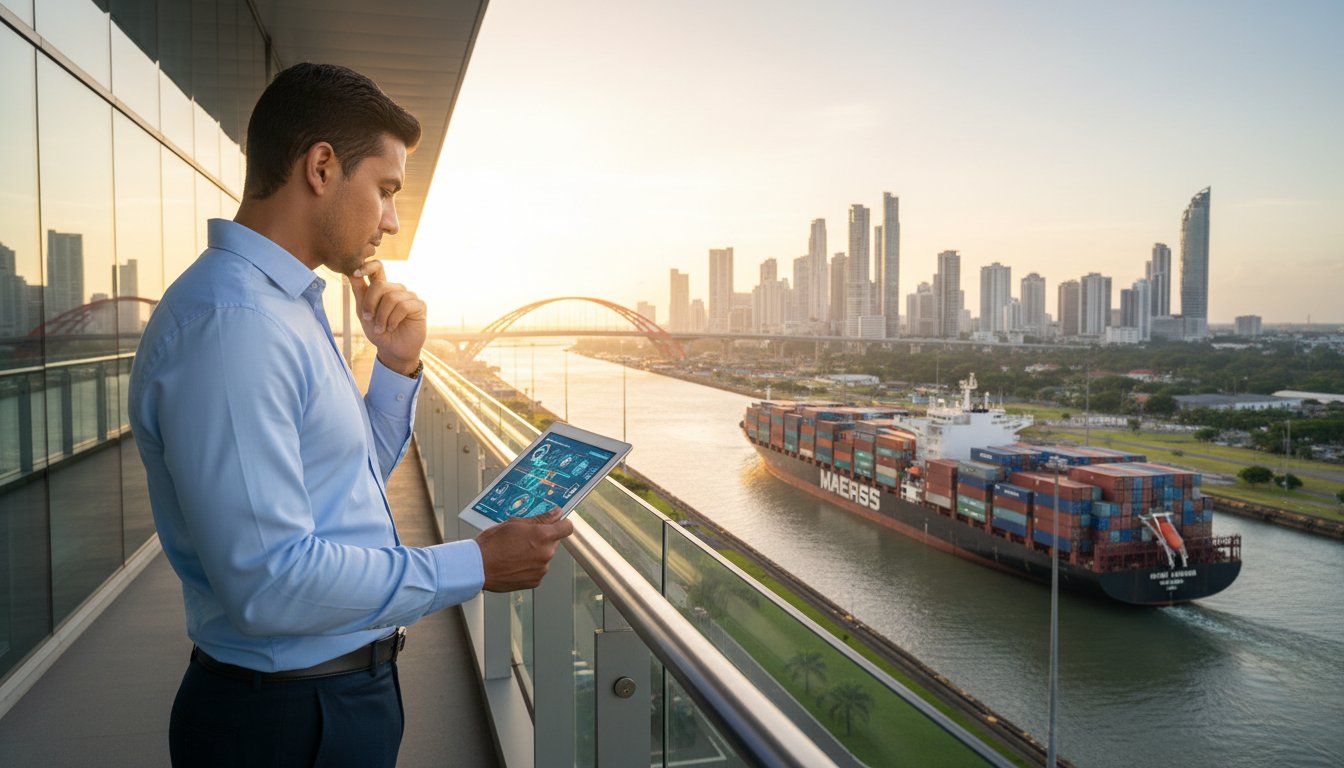

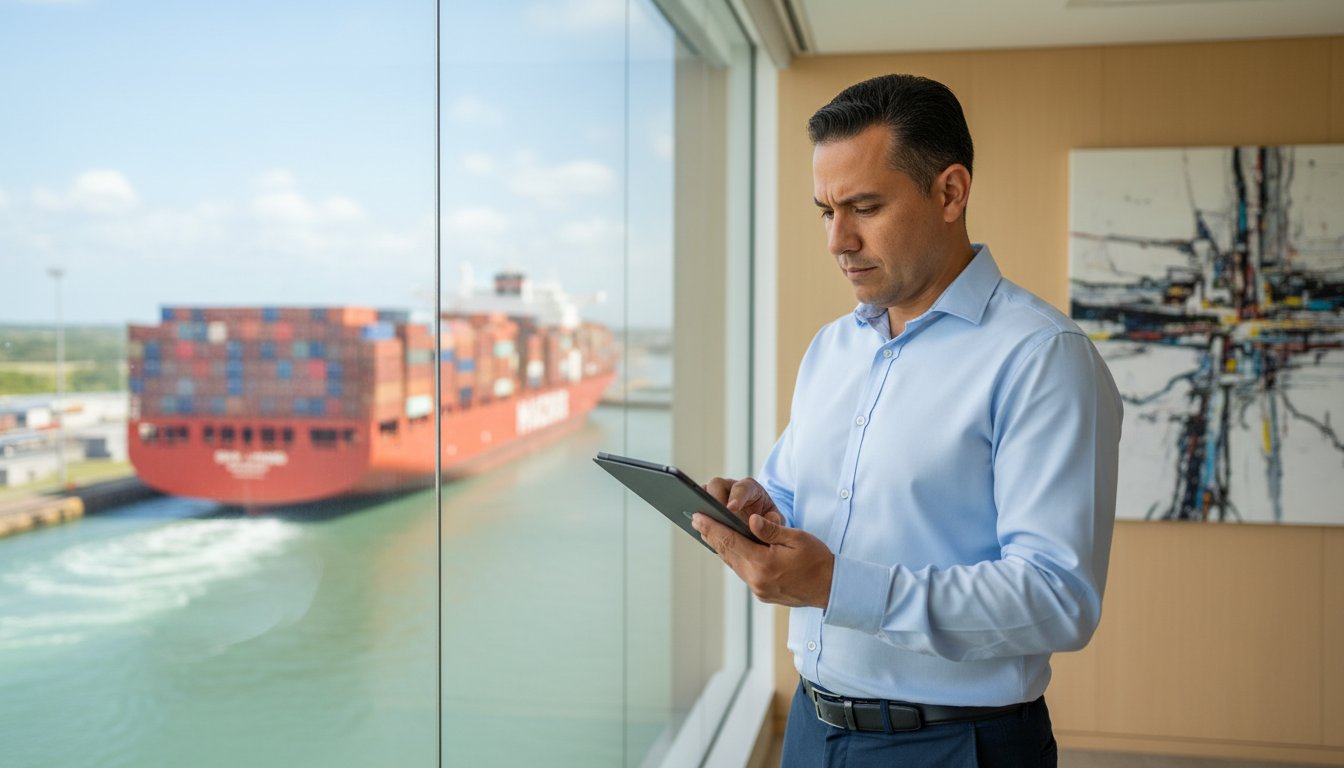
A single clerical error in your Authorized Person designation can cost your company $2,500 in fines before your vessel even reaches the Miraflores Locks. You’ve worked hard to manage your fleet’s schedule, yet a simple document rejection at the canal entrance can stall your entire operation for days. Understanding how to get a pcsopep plan shouldn’t feel like a gamble with your bottom line or your reputation with the Panama Canal Authority.
We know that the “Authorized Person” requirement causes more headaches than almost any other part of the transit process. It’s a complex regulation where the ACP demands 24/7 local availability and specific technical expertise that many international owners don’t have on the ground. This guide will help you master the process of obtaining and maintaining a valid Panama Canal Shipboard Oil Pollution Emergency Plan for 2026. We are experts so you don’t have to be, and we’ll show you how to secure a reliable local partner to ensure a fine-free transit. Put your transit in our hands and we’ll eliminate the confusion with personalized service.
We’ll walk through the four critical stages of compliance, including document preparation, selecting a verified local representative, and the final ACP submission steps to guarantee your approval.
Key Takeaways
- Understand the latest ACP Notice to Shipping N-12-2026 requirements to ensure your vessel meets all mandatory pollution emergency standards.
- Learn why appointing a Panama-based Authorized Person (AP) is a non-negotiable legal requirement for maintaining 24/7 communication with canal authorities.
- Identify how to avoid expensive fines and significant transit delays caused by common documentation errors and non-compliance.
- Master the essential steps on how to get a pcsopep plan approved through a streamlined process of local representation and expert drafting.
- Discover how partnering with an experienced agent provides transparent pricing and the local expertise needed for a fine-free Panama Canal transit.
What is a PCSOPEP Plan and Why is it Mandatory?
The Panama Canal Shipboard Oil Pollution Emergency Plan (PCSOPEP) is a mandatory environmental safeguard for vessels transiting the Isthmus. It is not a suggestion; it is a strict legal requirement enforced by the Panama Canal Authority (ACP). Under the current ACP Notice to Shipping N-12-2026, every applicable vessel must have a verified plan on file before arriving at the canal waters. We are experts so you don’t have to be, and we know that failing to meet these local standards results in immediate transit delays and heavy fines. A Panama Canal Ship Oil Pollution Emergency plan (PCSOPEP) serves as the primary defense against ecological disasters in one of the world’s most sensitive maritime corridors.
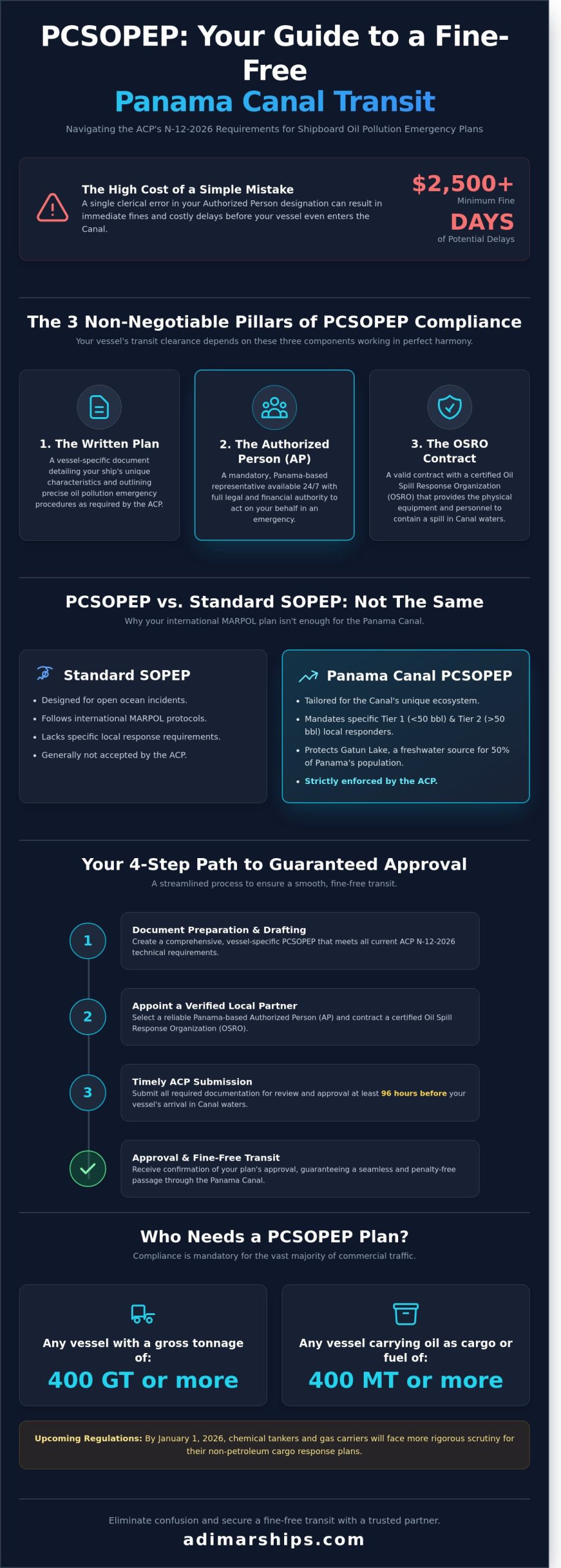
Understanding how to get a pcsopep plan starts with recognizing its three non-negotiable pillars. First, you need the written Plan itself, which is a vessel-specific document outlining emergency procedures. Second, you must designate an Authorized Person (AP). This individual must be based in Panama and serve as the 24/7 liaison between your ship and the ACP. Third, you must have a valid contract with a certified Oil Spill Response Organization (OSRO). These organizations provide the physical booms, skimmers, and personnel required to contain a spill. Without these three components working in tandem, your vessel will not receive the necessary clearance to enter the locks.
Time is money in the shipping industry. We see ourselves as your local office at the Panama Canal, ensuring that your documentation is processed long before your vessel reaches the horizon. The ACP requires these plans to be submitted and approved at least 96 hours before arrival. If your paperwork is incomplete, your ship sits at anchor, and your daily operating costs climb. We eliminate that confusion by handling the technical details of the filing process for you.
The Difference Between SOPEP and PCSOPEP
International MARPOL SOPEP protocols are designed for the open ocean, but they don’t satisfy the ACP. The Panama Canal relies on Gatun Lake, a freshwater body that provides drinking water for 50% of Panama’s population. Because of this, the ACP demands specific Tier 1 and Tier 2 response resource identification. Tier 1 covers spills up to 50 barrels, while Tier 2 handles larger incidents. Your plan must identify local Panamanian responders who can reach a spill site within hours, a level of specificity standard SOPEP documents simply lack.
Vessels That Must Carry an Approved Plan
Most commercial traffic requires a PCSOPEP. Any vessel with a gross tonnage of 400 or more must carry an approved plan. The rules also apply to any craft carrying 400 metric tons or more of oil as cargo or fuel. By January 1, 2026, chemical tankers and gas carriers will face even more rigorous scrutiny regarding their non-petroleum cargo response plans. If you are unsure about your vessel’s category, knowing how to get a pcsopep plan through a trusted agent is the safest way to avoid being turned away at the breakwater.
We are your eyes at the Panama Canal. We monitor the shifting regulations from the ACP to ensure your fleet remains compliant with the latest 2026 requirements. Our role is to provide a quick solution that protects your schedule and your bottom line. Trusting a local partner with two decades of experience ensures your transit is handled with integrity and professional precision.
The Role of the Authorized Person (AP) in Your Plan
Understanding the Authorized Person (AP) is a critical step when you’re looking into how to get a pcsopep plan. The Panama Canal Authority (ACP) mandates that every vessel over 400 gross tons must designate an AP who resides in the Republic of Panama. This isn’t just a name on a document. The AP serves as the legal and operational bridge between your ship and the Canal authorities. They must be available 24 hours a day to handle any emergency that might arise during transit.
The Panama Canal Authority requires the AP to have the power to act. This means they aren’t just a messenger. They must have the financial and operational authority to commit to cleanup and salvage costs immediately. If an incident occurs, the ACP won’t wait for your head office to wake up in a different time zone. They demand a local representative who can sign off on expenses and mobilize resources without delay. This level of responsibility requires a partner with deep roots in the Panamanian maritime community.
Financial authority is where the role gets serious. Your AP must be able to guarantee payments for emergency services, which can reach thousands of USD ($) in a matter of hours. These local requirements ensure that the Canal remains protected and operational. These protocols are built upon the International Maritime Organization (IMO) guidelines for shipboard marine pollution emergency plans. While the IMO sets the global framework, the ACP adds these specific local requirements to maintain the safety of the waterway.
Choosing an experienced ship agent as your AP is the most reliable way to manage your vessel’s compliance. We act as your eyes at the Panama Canal, ensuring that every detail of your plan meets current regulations. If you’re currently evaluating how to get a pcsopep plan, nominating Adimar as your agent provides the security of knowing your AP is ready to act with integrity and speed.
Mandatory Qualifications for an Authorized Person
An AP must be fully fluent in the Incident Management System (IMS) used by the ACP. This digital platform is how the Canal coordinates all emergency responses. Beyond technical skills, the AP must meet strict proximity requirements. They have to be able to report to the ACP’s Emergency Operations Center within two hours of a notification. During a Tier 1 spill, which involves less than 50 barrels of oil, or a Tier 2 event involving up to 500 barrels, the AP acts as the primary liaison, coordinating with local cleanup contractors and the ACP.
AP vs. Ship Agent: Understanding the Overlap
Many owners wonder why they should consolidate these roles. While a ship agent handles husbandry and logistics, the AP handles legal and emergency liability. When Adimar serves as both, you eliminate the risk of communication gaps. We provide a single point of contact for both routine transits and emergency contingencies. This consolidation ensures transparency in emergency communication. You won’t have two different companies giving conflicting information to the ACP; instead, you get a unified voice that protects your interests and your schedule.
The Cost of Non-Compliance: Fines and Delays
Arriving at the Panama Canal without a valid plan is a gamble that rarely pays off. Starting in 2026, the Panama Canal Authority (ACP) has implemented stricter financial penalties for vessels that fail to meet environmental readiness standards. A ship arriving at the breakwater without an approved plan faces an immediate fine starting at $2,500. However, the fine is often the smallest part of the bill. The real damage comes from the “vessel not ready” designation. This status strips away your transit priority and forces you to wait at the anchorage until the paperwork is rectified. If you are currently trying to figure out how to get a pcsopep plan, you must act at least 96 hours before your estimated arrival to avoid these penalties.
Minor document errors often lead to the most significant transit delays. A simple typo in a hull number or an outdated P&I club certificate can stall a $150,000 transit. When a vessel misses its pre-booked slot, the reservation fee is forfeited. For a Neopanamax vessel, this loss can exceed $35,000 instantly. The domino effect continues as charterers face demurrage claims that average between $20,000 and $50,000 per day. We’ve seen owners lose more in 48 hours of delays than they would have spent on five years of compliance services.
Case Study: The real cost of a 24-hour delay
In August 2024, a bulk carrier arrived with a plan that hadn’t been updated to reflect its new ownership. The ACP denied transit during the initial digital check. By the time the crew contacted an agent to fix the paperwork, the vessel had missed its window. The resulting 24-hour delay cost the owners $42,000 in operational expenses and port fees. This highlights why professional guidance on how to get a pcsopep plan correctly the first time is vital for your bottom line.
ACP Inspection Protocols
The ACP doesn’t wait for your vessel to dock to start the verification process. They use the VUMPA (Maritime Services Portal) to cross-reference your IMO number against their database of approved plans. This digital handshake happens automatically. If the system flags an inconsistency, it triggers a manual audit. Common red flags include mismatched contact details for the Authorized Person (AP) or outdated spill response equipment lists. You can find the specific Panama Canal Authority PCSOPEP Requirements in their official notices to shipping, which detail the exact documentation needed for a successful digital clearance.
Avoiding the “Emergency AP” Surcharge
Waiting until you reach the anchorage to appoint an Authorized Person is a costly mistake. Last-minute AP appointments often carry an “emergency” surcharge, costing $1,500 more than a standard pre-scheduled service. Pre-planning allows you to save up to 40% on total compliance costs. At Adimar, we see ourselves as your local office at the Panama Canal. We ensure every document is spotless before the ACP even looks at your file. Our cost-conscious approach focuses on preventing surcharges by handling the digital verification weeks before the vessel reaches Panamanian waters.
Step-by-Step: How to Get a PCSOPEP Plan Approved
Securing approval for your Panama Canal Shipboard Oil Pollution Emergency Plan (PCSOPEP) requires more than just filling out forms. It’s a technical process that demands local expertise and strict adherence to the Panama Canal Authority (ACP) regulations. Here is the exact process for how to get a pcsopep plan approved and kept in good standing for your fleet.
Step 1: Appoint a Panamanian-based Authorized Person (AP). You can’t skip this legal requirement. Every vessel over 400 gross tons must have an AP who resides in Panama. This individual serves as the 24/7 link between your ship and the ACP. They must speak fluent Spanish and English. Crucially, they must have the authority to spend funds for spill response without waiting for head office approval, ensuring immediate action during an incident.
Step 2: Draft the plan according to ACP N-12-2026 standards. Your plan must align with the latest Notice to Shipping N-12. It’s not a simple copy of your MARPOL SOPEP. It needs specific Panama Canal response procedures, local contact lists, and tiered response strategies based on your vessel’s oil-carrying capacity. If your vessel carries more than 1,000 barrels of oil as cargo or fuel, your requirements become even more stringent.
Step 3: Submit the plan for ACP review and approval. Submission happens digitally through the ACP’s VUMPA system. The review process typically takes 15 to 30 business days. If your documentation is incomplete or formatting is incorrect, the Canal will issue a formal “Notice of Deficiency.” You must address these errors quickly to avoid transit delays.
Step 4: Pay the annual ACP PCSOPEP fee and OSRO fees. Approval isn’t active until the financial requirements are met. You’ll pay an annual fee to the ACP, which varies by vessel size, and separate fees to your chosen Oil Spill Response Organization (OSRO) in Panama. These fees ensure that equipment and personnel are on standby if a spill occurs.
Step 5: Regular updates and 4-year plan re-certification. The ACP requires a full re-certification every 4 years. However, you must update the plan immediately if the vessel’s name, ownership, or AP changes. Keeping the contact information current is the most common reason for plan audits.
Drafting and Submission Logistics
The ACP requires precise vessel data to process your application. You must provide the vessel’s total oil carrying capacity, detailed tank arrangements, and updated 24-hour contact lists. If you are researching how to get a pcsopep plan, the first technical hurdle is the data collection phase. Submissions are strictly digital. If you receive a “Notice of Deficiency,” you generally have 30 days to correct the errors. Failing to meet this window can lead to your application being discarded, forcing you to restart the process and pay new filing fees, which can cost several hundred US Dollar (USD) in administrative waste.
Maintaining Your Plan Long-Term
Keeping your plan “Active” is as vital as the initial approval. Mandatory revisions are triggered by changes in vessel management or technical modifications to fuel tanks. Your AP plays a critical role here, coordinating the required annual table-top exercises and drills. These exercises prove to the ACP that your crew and local responders are ready. Without documented annual verification, the ACP can revoke your plan’s status. This leads to transit delays that cost thousands of US Dollar (USD) per day in lost charter time.
Don’t let paperwork stall your transit. Adimar Shipping acts as your local eyes and ears to ensure your documentation is flawless. Nominate Adimar as your agent to handle your PCSOPEP requirements with total transparency and expertise.
Why Adimar is Your Trusted PCSOPEP Partner
Adimar Shipping has spent over 20 years perfecting the art of Panama Canal transits. Since our inception, we’ve seen maritime regulations evolve from the initial 2005 mandates to the complex requirements of the Neopanamax era. We don’t just offer services; we offer a legacy of reliability. Our team understands that for ship owners and charterers, time is the most expensive commodity. A single day of delay at the Gatun locks can result in losses exceeding $60,000 depending on the vessel class. We prevent these bottlenecks by acting as your local office in Panama, ensuring every document meets the Autoridad del Canal de Panamá (ACP) standards perfectly.
Transparency is the foundation of our business model. You won’t find vague compliance fees or hidden surcharges in our quotes. Every cost is presented clearly in USD, reflecting the actual operational requirements of the Panama Canal. We treat your vessel with the same care we’d give our own equipment. This personalized approach means we don’t just process paperwork. We anticipate issues before they reach the Canal signal stations. Our clients stay with us because they value a partner who prioritizes their bottom line over short-term service fees.
Our “Eyes at the Canal” philosophy provides a proactive advantage that remote agencies simply can’t match. While other agents might wait for an automated email from the ACP, our team is physically present at the ports of Balboa and Cristobal. We solve problems in real-time. Whether it’s a technical clarification on a spill response plan or a sudden change in transit scheduling, we’re there to intervene. This vigilance ensures your vessel remains compliant and moving, avoiding the costly fines associated with non-compliance or document errors discovered during boarding.
Our Comprehensive Compliance Package
Compliance is a continuous state of readiness, not a one-time filing. Our package covers every essential stage of the process. We handle the initial plan drafting, formal submission through the ACP’s digital portals, and the critical role of the Authorized Person (AP). Our team remains available 24/7 for emergency response. If an incident occurs, we act as the immediate liaison between your crew and the Panama Canal authorities. By integrating these services with our standard husbandry and ship agency offerings, we create a seamless operational flow. This integration eliminates the need for multiple vendors, reducing the risk of communication gaps during critical transit windows.
Get a PCSOPEP Quote Today
Finding out how to get a pcsopep plan shouldn’t be a source of frustration for your operations team. We’ve simplified the process to respect your schedule and your budget. To receive a custom proposal, simply provide us with your fleet details, including vessel types and deadweight tonnage. Our commitment to integrity means we provide realistic timelines and honest pricing from the very first interaction. We pride ourselves on quick solutions and excellent communication, ensuring you’re never left wondering about the status of your compliance or your vessel’s position in the queue.
Take the next step in securing your Panama Canal operations and protecting your fleet from unnecessary delays. Nominate Adimar as your PCSOPEP Authorized Person to ensure your vessels are backed by two decades of local expertise. We are the experts so you don’t have to be. Let us eliminate the confusion and put your transit in the hands of Panama’s most dedicated shipping professionals.
Secure Your 2026 Panama Canal Transit Today
Navigating the updated requirements of ACP Notice N-12-2026 is critical for any vessel owner. Missing a compliance deadline doesn’t just mean extra paperwork; it leads to significant fines and operational bottlenecks that can cost thousands of USD ($) in lost time. We’ve spent our 20th year in business refining the process of how to get a pcsopep plan approved quickly and accurately. By appointing a dedicated Authorized Person who is available 24/7/365, you ensure your fleet remains compliant with all Panama Canal Authority regulations at every hour of the day.
We are your eyes at the Panama Canal, and we handle the technical complexities so you don’t have to. Our team provides the local expertise needed to navigate these specific 2026 mandates without the stress of trial and error. Don’t leave your schedule to chance when expert guidance is a click away. We’re ready to protect your interests and keep your vessels moving efficiently through the waterway.
Get a PCSOPEP Compliance Quote for the Panama Canal
It’s time to lock in your compliance and move through the locks with total confidence.
Frequently Asked Questions
Can I use my US Coast Guard (NTVRP) plan instead of a PCSOPEP?
No, you cannot use a US Coast Guard NTVRP in place of a Panama Canal SOPEP. The Panama Canal Authority (ACP) mandates a specific plan under the Panama Canal Shipboard Oil Pollution Emergency Plan regulations. While your NTVRP contains similar data, the ACP requires a unique format and a local Authorized Person based in Panama. We handle the conversion and submission to ensure your vessel meets the 96 hour pre-arrival notification deadline.
How long does it take for the Panama Canal Authority to approve a new plan?
The Panama Canal Authority typically reviews and approves a new plan within 96 hours of submission. However, you should start the process at least 14 days before your scheduled arrival to account for any data corrections. If you’re learning how to get a pcsopep plan for a new vessel, early submission prevents costly transit delays or fines that can exceed $2,500. We act as your eyes at the canal to track every step of the approval.
Is the PCSOPEP fee a one-time payment or an annual requirement?
The PCSOPEP involves an annual fee for the Oil Spill Response Organization (OSRO) coverage rather than a one-time payment. You’ll also pay an initial setup fee for the plan’s creation and submission. Expect the yearly OSRO retainer to range between $400 and $800 depending on the vessel type and size. Keeping these payments current is vital because the ACP verifies active coverage before every single transit.
What happens if my vessel changes ownership mid-year?
If your vessel changes ownership, the existing PCSOPEP becomes invalid and you must submit a new plan under the new owner’s name. The ACP requires this update within 30 days of the sale or before the next transit, whichever comes first. You’ll need to appoint a new Authorized Person and pay the associated filing fees again. We simplify this transition by updating the technical manuals and securing new OSRO contracts quickly.
Does the PCSOPEP cover spill cleanup costs, or is it just a plan?
The PCSOPEP is strictly a response and contingency plan; it doesn’t pay for actual spill cleanup costs. It proves to the ACP that you have a contract with a certified OSRO who can deploy equipment immediately. Actual cleanup expenses, fines, and third party damages are typically covered by your P&I Club insurance. Think of the plan as your license to transit that outlines exactly who to call when an incident occurs.
Can one Authorized Person represent multiple vessels in the same fleet?
Yes, a single Authorized Person can represent an entire fleet of vessels. This is the most efficient way to manage how to get a pcsopep plan for multiple ships because it centralizes communication with the ACP. Managing a fleet through one expert AP ensures consistency in emergency procedures and simplifies the annual renewal process. We currently manage dozens of fleets, providing a single point of contact for all Canal compliance issues.
What is the “Tier 1” response requirement mentioned in the 2026 regulations?
The Tier 1 response requirement refers to the vessel’s ability to handle small, operational spills of up to 50 barrels immediately. Under the updated 2026 guidelines, the ACP is placing more emphasis on the speed of local equipment deployment. Your plan must identify specific local resources that can arrive at the spill site within 1 hour. This ensures that minor incidents don’t escalate into major environmental disasters or block the canal’s main channel.
How do I verify if my current ship agent is actually an authorized PCSOPEP entity?
You can verify an agent’s status by requesting their ACP Registry Number or checking the official Panama Canal “Authorized Persons” list. Only entities with a physical presence in Panama and a valid bond can act as an AP. Don’t risk your transit with unverified brokers. Adimar Shipping has operated for 20 years with full authorization, giving you the security that your documentation is legally binding and recognized by canal inspectors.