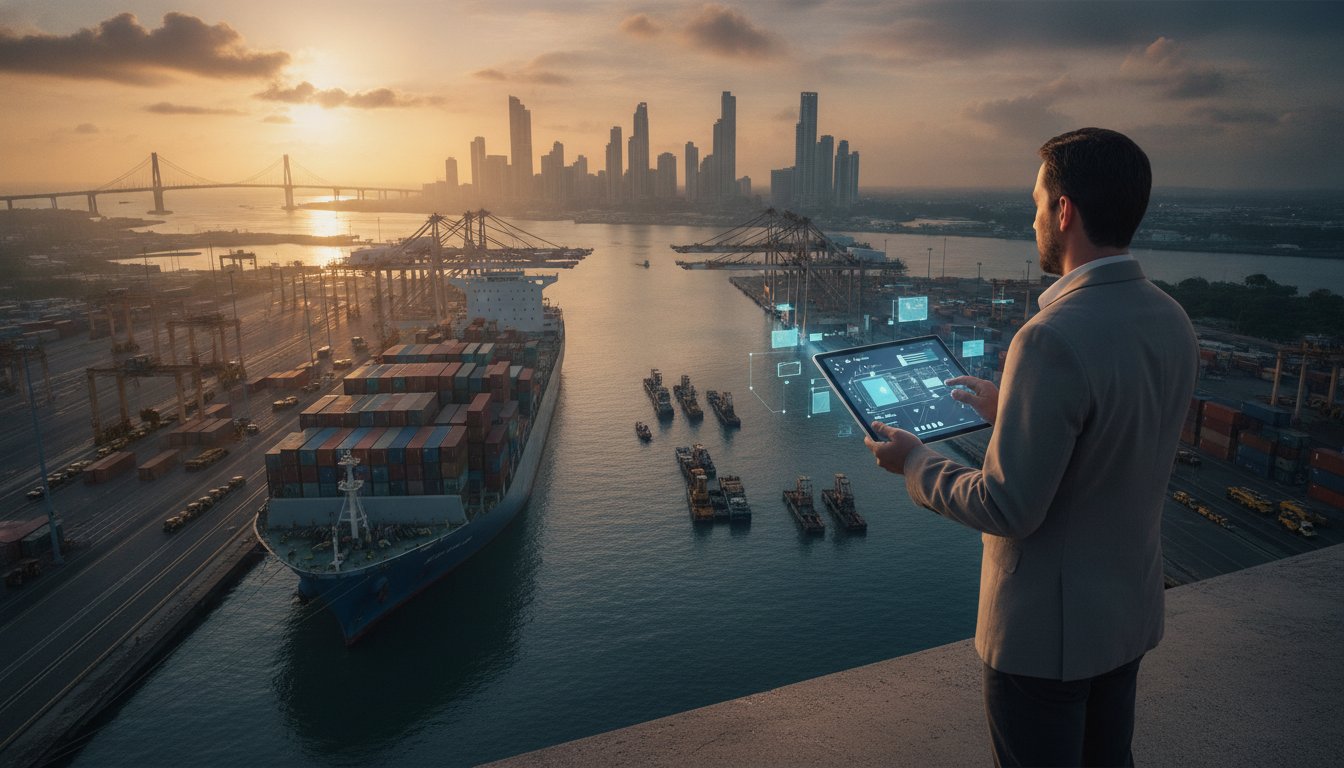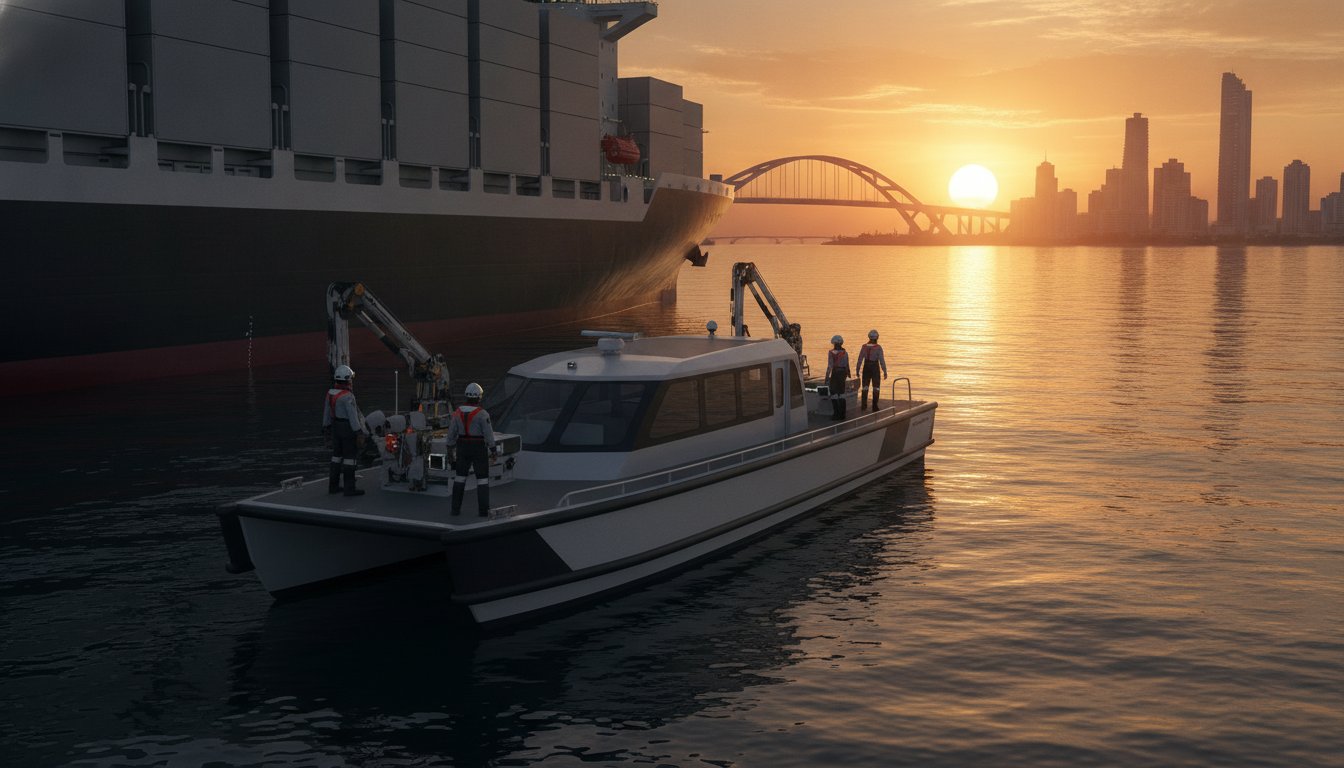


Would you risk a $4 million auction bid on a transit plan that hasn’t been machine-validated by the latest ACP systems? In 2026, a single oversight in your VUMPA filing or a missed PCSOPEP deadline can result in a $15,000 fine and devastating schedule delays. We understand that managing these logistics feels like a high-stakes gamble where the rules change every few months. Our comprehensive panama canal transit support services are designed to act as an extension of your own team, providing the local vigilance required to protect your financial interests.
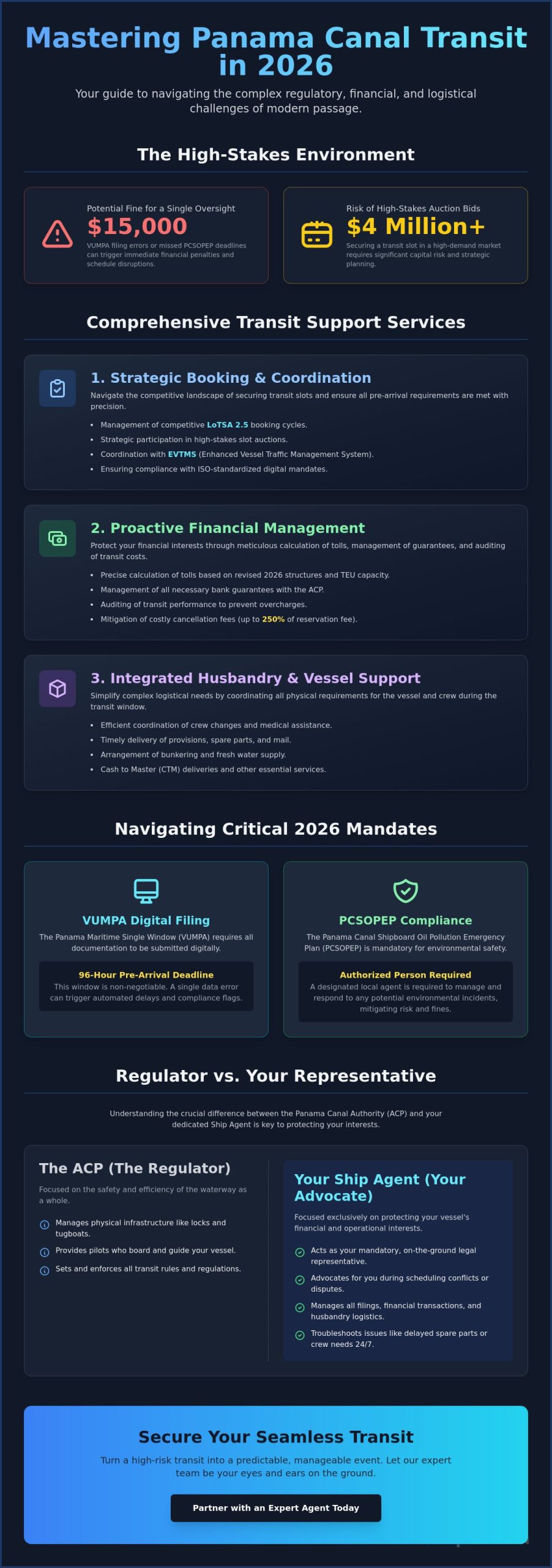
You already know that efficient passage is the backbone of your operational success. However, the increasing complexity of LoTSA 2.5 and the revised June 2026 toll structures make it harder than ever to stay ahead. This guide will show you how to master these complexities with expert insights into agency coordination, husbandry, and regulatory compliance. We’ll preview the essential steps for seamless transit coordination, from managing crew changes to ensuring your vessel meets the latest ISO-standardized digital mandates for a secure passage.
Key Takeaways
- Navigate the evolving 2026 regulatory environment by leveraging panama canal transit support services that bridge the gap between ship owners and the ACP.
- Optimize your scheduling strategy through a deep dive into LoTSA 2.5 booking periods and the latest EVTMS coordination requirements.
- Protect your financial interests by distinguishing between various agency roles and utilizing a Protective Agent to audit transit performance.
- Simplify logistical headaches by integrating husbandry services, such as crew changes and provisions, into your standard transit planning.
- Mitigate environmental risks and avoid compliance fines by understanding the mandatory role of a PCSOPEP Authorized Person.
Defining Panama Canal Transit Support Services in 2026
In 2026, the Panama Canal remains one of the world’s most regulated and complex maritime bottlenecks. Successfully crossing it requires more than just a capable crew; it demands a sophisticated ecosystem of panama canal transit support services to manage the intersection of local law and global commerce. These services encompass the total coordination of logistical, financial, and regulatory tasks required for a vessel to move from one ocean to the other without costly interruptions. We act as your eyes and ears on the ground, ensuring that every detail aligns with the latest mandates.
Local representation is a mandatory operational requirement. The Panama Canal Authority (ACP) requires a resident representative to handle official communications and legal liabilities. However, the role of a modern agent has evolved beyond simple paperwork. Today, your agent acts as a vigilant, on-the-ground extension of your own team. They’re responsible for managing the 2026 digital landscape, specifically the Panama Maritime Single Window (VUMPA). Since the ACP completed its digital transformation, filings are machine-validated in real-time. A single data entry error can now trigger automated delays or compliance flags before your vessel even reaches the breakwater.
The Difference Between the ACP and Your Ship Agent
It’s vital to distinguish between the regulator and your representative. The ACP manages the physical infrastructure, the locks, and the pilots who board your vessel. They’re focused on the safety and efficiency of the waterway as a whole. Your agent, however, is focused exclusively on your interests. While the Authority provides the path, your agent provides the logistics. You cannot rely on the ACP to troubleshoot a delayed spare part delivery or to advocate for your vessel during a scheduling conflict. Your agent is the one who monitors the situation around the clock to ensure your interests remain protected.
Key Pillars of Comprehensive Support
Modern panama canal transit support services are built on three essential pillars that ensure financial and operational security for ship owners and charterers:
- Coordination of Booking Slots: Managing the competitive LoTSA 2.5 booking cycles and participating in high-stakes auctions to secure timely passage in a high-demand environment.
- Financial Management: Handling the complex calculation of tolls, which now include dynamic tariffs based on vessel type and TEU capacity, while ensuring all bank guarantees are in place.
- Husbandry Services: Coordinating the physical needs of the ship and crew, including provisions, bunkering, and medical assistance, often during the critical waiting period before transit begins.
Navigating the Booking and Coordination Phase
Securing a transit slot in 2026 is no longer a simple administrative task; it’s a high-stakes competition. With daily auction bids occasionally reaching seven figures, the margin for error has disappeared. Our panama canal transit support services provide the strategic oversight needed to navigate this volatile environment. We ensure your vessel isn’t just another number in the queue but a priority that meets every technical requirement of the Enhanced Vessel Traffic Management System (EVTMS) before it arrives at the breakwater.
Booking Slots and the Auction System
The current LoTSA 2.5 booking cycle, which covers transit dates through January 2, 2027, requires a proactive approach. Sealed-bid competitions for these slots opened on April 28, 2026, creating a landscape where timing is everything. We help you choose between booking periods based on your vessel’s specific market segment and operational restrictions. For Neopanamax locks, the rules for competition preferences are now tighter, applying exclusively to vessels in the same direction and belonging to the same Customer Code. Our role is to manage these bids and the associated costs, especially since cancellation fees can now reach up to 250 percent of the reservation fee if not handled with precision.
Pre-Arrival Documentation and Clearance
Precision during the pre-arrival phase is your best defense against fines and delays. The Panama Canal Authority (ACP) mandates that all documentation be submitted through the VUMPA system at least 96 hours before arrival. This window is non-negotiable. We work directly with your vessel Master to ensure every entry is error-free and compliant with the latest Panama Canal Authority Maritime Regulations. This coordination is especially vital for maiden transits, where a $1,100 admeasurement service charge is applied for initial structural verification.
Financial transparency remains a cornerstone of our service. We manage the transit guarantees and all ACP payments on your behalf, ensuring that funds are correctly allocated to cover dynamic tolls and potential surcharges. For vessels carrying on-deck TEUs, where rates can range from $70 to $120 per unit, accurate reporting is essential to protect your financial interests. If you are concerned about meeting these strict 96-hour deadlines, expert agency coordination can provide the security your fleet requires.
By delegating the coordination phase to a local specialist, you avoid the logistical headaches of machine-validated filing errors. We monitor the ACP’s automated tracking systems constantly, providing you with real-time updates on your vessel’s status. This vigilance ensures that your transit remains on schedule and within budget, regardless of the congestion levels at the terminals.
Specialized Agency Roles: Protecting Your Interests
While many maritime professionals view agency work as a generic administrative function, the reality of 2026 transits is far more nuanced. A significant conflict of interest often exists between the entities paying for the vessel’s time and those responsible for its long-term integrity. Choosing the right panama canal transit support services means understanding exactly whose interests are being prioritized during a port stay or canal passage. We act as your local eyes and ears, ensuring that your specific operational goals aren’t sidelined by the competing priorities of other stakeholders.
Owner’s vs. Charterer’s Nominated Agency
In a typical chartering scenario, the charterer nominates the agent to manage cargo logistics and minimize port expenses. Their priority is a fast, cost-effective turnaround. Conversely, the ship owner’s interests center on vessel safety, crew welfare, and technical maintenance. When these priorities clash, owners often appoint a protective agent to oversee the charterer-appointed agency. We serve as this vigilant representative, auditing the primary agent’s performance to ensure your vessel isn’t being compromised for the sake of a slightly faster cargo operation. This oversight is critical for maintaining the ship’s long-term value and safety standards.
Our team serves as a local office for international principals who cannot be physically present in Panama. We monitor the Panama Canal Authority Notices to Shipping daily to anticipate regulatory shifts that might affect your vessel’s standing. This vigilance extends to financial transparency. We believe ethical conduct is a core brand promise, not just a buzzword. Our accounting processes provide a clear, audited trail of all disbursements, protecting you from the hidden fees or unexpected surcharges that can plague less transparent operations.
Husbandry and Protective Services
Managing the transition between the Atlantic and Pacific jurisdictions requires deep local knowledge. Larger corporate agencies often treat vessels as data points on a spreadsheet, leading to missed details. We provide personalized attention, acting as a ‘watchdog’ for your operational efficiency. Whether it’s verifying the quality of bunkers or ensuring crew changes happen without logistical friction, we simplify these complex tasks so you don’t have to. Our role is to provide the security and reliability you need to delegate specialized tasks with total confidence.
By acting as an extension of your own team, we provide a level of protection that standard business language cannot achieve. We aren’t just filing paperwork; we’re observing every aspect of the port stay to prevent delays and minimize costs. This proactive approach ensures that your financial interests are protected at every stage of the transit process, from arrival at the pilot station to the final ocean exit.
Comprehensive Husbandry and Vessel Support Operations
While the locks are the focus of any passage, the time spent at anchor or in port is often when the most critical logistical work occurs. Managing a vessel’s physical and human needs requires a partner who understands that every hour of downtime carries a high financial penalty. Our panama canal transit support services extend far beyond the transit itself. We coordinate complex husbandry services at both the Atlantic and Pacific terminals, ensuring your vessel remains operational and compliant throughout its stay in Panamanian waters.
Secure financial logistics are a top priority for ship owners. We handle ‘Cash to Master’ (CTM) deliveries with the highest level of security and transparency, providing a reliable chain of custody for your funds. If your vessel requires emergency repairs or technical surveys during the transit window, we act as your local representative to coordinate with specialized technicians. This ensures that minor mechanical issues don’t escalate into major delays that could jeopardize your hard-won booking slot.
Crew Changes and Medical Assistance
Spares Logistics and Bunkering Coordination
Delivering critical engine parts or ship spares requires precise timing to coincide with the vessel’s arrival. We manage the reception, storage, and final delivery of these components directly to the ship, preventing costly waiting times. Similarly, bunkering in Panama requires vigilant oversight to verify both fuel quality and quantity. We act as your watchful representative on the ground, protecting your interests during every supply operation. Provisioning and supply coordination are handled with speed to ensure your vessel is fully stocked for its next voyage.
If you need to streamline your vessel’s port stay and ensure every logistical detail is handled with precision, our team offers expert husbandry coordination that protects your bottom line. By delegating these specialized tasks to a trusted local partner, you gain the operational freedom to manage your fleet with total confidence.
Compliance and Environmental Safety: The PCSOPEP Requirement
Environmental compliance in the Panama Canal is no longer a secondary concern. In 2026, the Panama Canal Authority (ACP) has intensified its focus on pollution prevention, making the Panama Canal Shipboard Oil Pollution Emergency Plan (PCSOPEP) a critical pillar of any transit strategy. This isn’t just a document to be filed and forgotten. It’s a living operational requirement for every vessel with an oil carrying capacity of 400 metric tons or more. Our panama canal transit support services prioritize this compliance to ensure your vessel avoids the $15,000 fine currently levied for non-compliance.
The complexity of these environmental mandates requires specialized oversight. Since all submissions must now be in a mandatory ISO-standardized PDF/A format and machine-validated through the VUMPA system, the margin for technical error is zero. We act as your vigilant representative, ensuring that your plan is not only submitted at least 96 hours before arrival but is also fully compliant with the latest ACP feedback cycles. By delegating these specialized tasks to a knowledgeable partner, you protect your fleet from the administrative bottlenecks that frequently delay unprepared operators.
The Role of the Authorized Person
Every vessel over 400 GT requires a resident Panamanian representative to serve as a PCSOPEP authorized person. This individual serves as the 24/7 legal and operational link between your vessel and the ACP. If an oil spill or environmental incident occurs, the Authorized Person is the primary liaison who coordinates cleanup and emergency services. We provide this essential role, ensuring your vessel’s documentation is updated and that we are ready to act as a decisive problem-solver at a moment’s notice. This local presence provides the security you need to navigate these high-stakes waters with confidence.
Minimizing Regulatory Risk
Staying ahead of shifting Panama Canal regulations is the only way to maintain a seamless transit schedule. We conduct thorough pre-transit audits of your vessel’s safety equipment and documentation to identify potential red flags before the ACP inspectors do. This proactive approach is designed to catch errors in SOPEP documentation or equipment maintenance that could lead to costly administrative fines. We believe that vigilance is the best defense against the logistical headaches of modern shipping. Our team acts as an extension of your own, providing the local oversight required to safeguard your financial and environmental interests during every passage.
By integrating environmental compliance into our broader panama canal transit support services, we simplify the path to a successful transit. You gain the peace of mind that comes from knowing every regulatory detail is being monitored by experienced experts who understand the local landscape. We turn complex mandates into predictable outcomes, allowing your team to focus on the voyage ahead while we handle the intricacies of Panamanian law.
Secure Your Operational Success in the Panama Canal
Mastering the 2026 transit landscape requires more than just following the rules. It requires a proactive partnership that anticipates regulatory shifts and logistical hurdles before they impact your bottom line. We’ve explored how specialized panama canal transit support services bridge the gap between complex ACP mandates and your vessel’s operational needs. From securing competitive booking slots to ensuring strict PCSOPEP compliance, the right representation acts as your vigilant local watchdog. Don’t leave your transit to chance.
Our deep local expertise in Panama City and at both canal terminals allows us to provide personalized coordination that larger agencies often overlook. We offer expert PCSOPEP Authorized Person services and dedicated support for both owners and charterers. This level of oversight ensures that your financial interests are protected and your crew’s needs are met without delay. Partner with Adimar Shipping, Inc. for your next Panama Canal transit to gain the operational freedom and security your fleet deserves. We’re ready to turn your next passage into a seamless, predictable success.
Frequently Asked Questions
What are the core Panama Canal transit support services provided by an agent?
The core services include managing the Panama Maritime Single Window (VUMPA) filings and acting as the primary liaison with the Panama Canal Authority (ACP). These panama canal transit support services ensure that all regulatory documentation, from admeasurement to environmental plans, is machine-validated before arrival. Agents also handle the financial guarantees and toll payments required to secure a transit slot.
Is it mandatory to have a ship agent for a Panama Canal transit?
Yes, the Panama Canal Authority mandates that every vessel must have a resident shipping agent to act as a legal and financial representative. This representative is responsible for all official communications and the settlement of all tolls and fees. Without a licensed local agent, a vessel cannot legally enter the waterway or participate in the transit reservation system.
What is the role of a PCSOPEP Authorized Person during transit?
A PCSOPEP Authorized Person acts as the primary 24/7 contact for the ACP in the event of an oil spill or environmental threat. They’re responsible for initiating the emergency response plan and coordinating with local cleanup services. This role is a mandatory requirement for all vessels with an oil carrying capacity of 400 metric tons or more.
How do husbandry services differ from standard ship agency services?
Standard agency services focus on the regulatory and financial requirements of the ACP for a successful transit. In contrast, husbandry services address the physical and human needs of the ship and its crew. This includes coordinating medical care, managing crew rotations, delivering “Cash to Master,” and overseeing the transfer of critical engine spares and provisions at the terminals.
Can an agent help secure a booking slot during periods of high congestion?
Agents actively participate in the LoTSA 2.5 auction systems to secure priority slots during periods of high demand. They monitor the daily average of transits, which reached 37 in March 2026, to identify the most strategic bidding windows. Expert panama canal transit support services help you navigate these sealed-bid competitions while managing the risks of high cancellation penalties.
What is an Owner’s Protective Agency (OPA) and do I need one?
An Owner’s Protective Agency (OPA) is an independent representative appointed by the ship owner to monitor the performance of the charterer’s nominated agent. You should consider an OPA if you want an unbiased auditor to verify port disbursements and ensure vessel safety isn’t compromised for cargo speed. It provides a vital layer of financial and operational security for the owner.
How are Panama Canal transit tolls and fees managed by the agent?
The agent calculates the specific toll based on the vessel type, such as the $300,000 fixed tariff for Neopanamax carriers plus TEU or DWT charges. They manage the timely submission of funds through official ACP channels and ensure that all bank guarantees are in place to avoid delays. This includes reporting on-deck TEUs for non-container vessels to ensure accurate billing.
What documentation is required for a vessel’s maiden transit through the canal?
Maiden transits require a full admeasurement process to verify the vessel’s dimensions and PC/UMS tonnage. You must submit structural plans, admeasurement forms, and a specific admeasurement service charge of $1,100. The agent coordinates this physical inspection with the ACP admeasurers to ensure the vessel receives its official registration number for future transits.