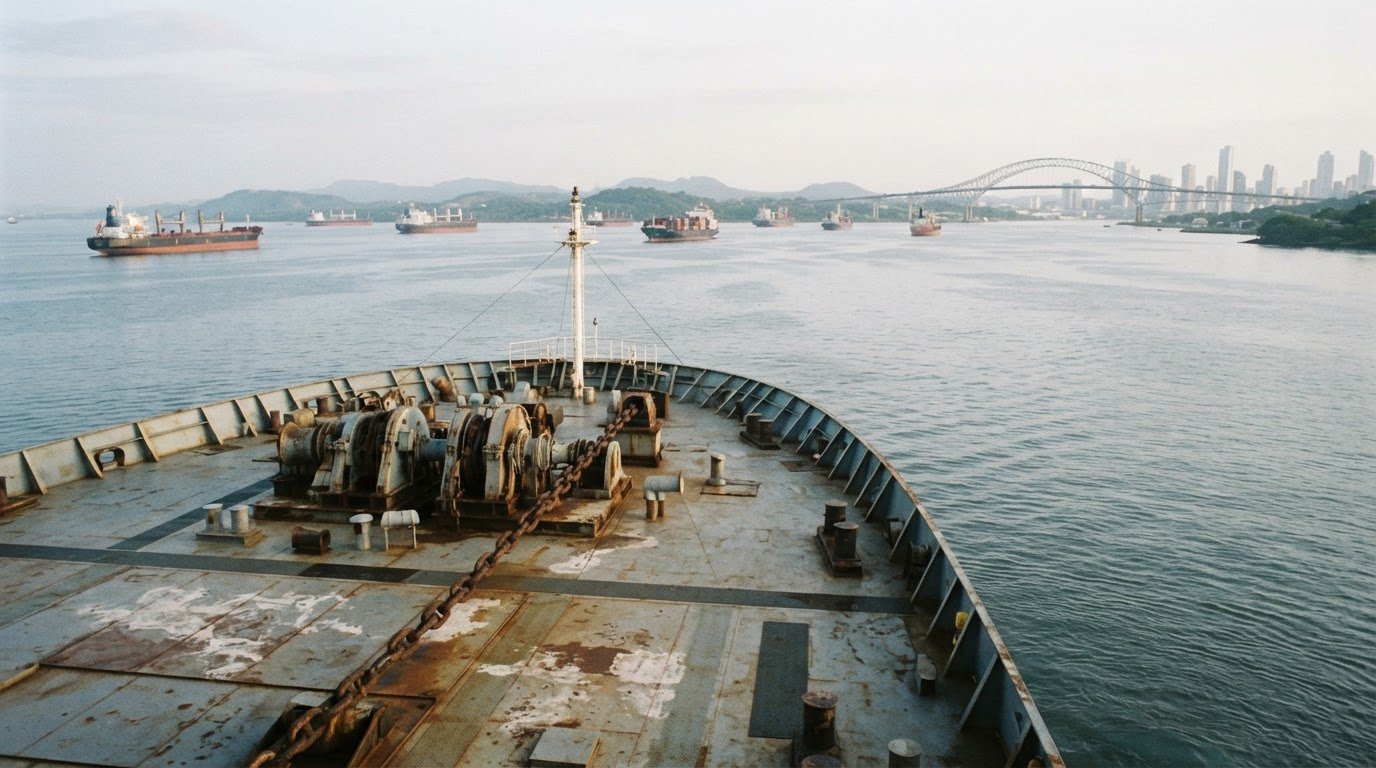

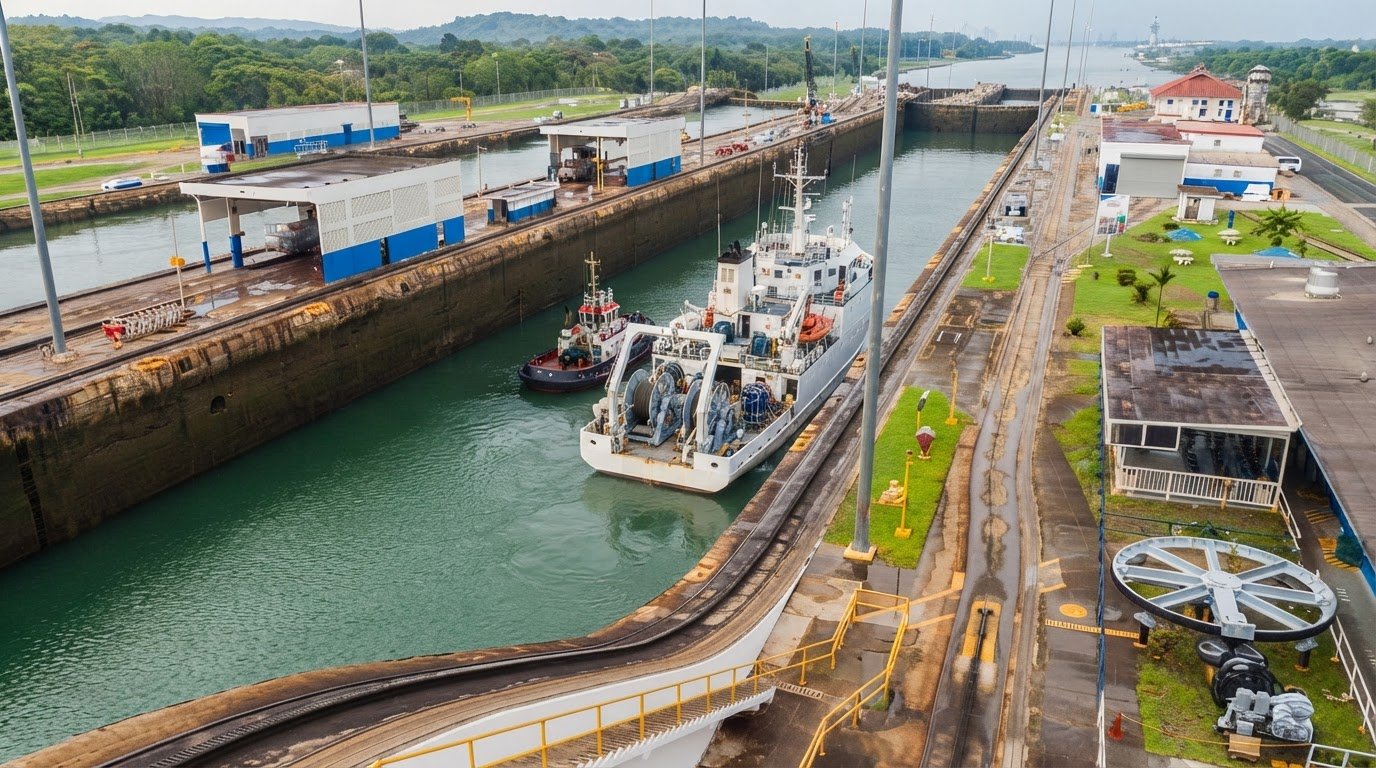
A research expedition’s search for a ship agent in Panama starts with its port call and Canal transit plan. The Panama Canal links the Atlantic and Pacific Oceans across about 80 kilometers, and vessels transiting the Canal are assigned a transit schedule. A ship agent for research expeditions in Panama can help coordinate the local arrangements around that passage.
Choosing a ship agent for research expeditions in Panama means looking beyond a supplier’s name. The right fit depends on the vessel’s port calls, Canal route, and support needs during the expedition’s port stay or transit.
This guide outlines the Panamanian port gateways and Canal routes to consider, explains how to find a supplier directory, and describes the coordination involved in ship agency. You’ll also see where local agency support fits when planning vessel movements, communications, and husbandry needs, so you can approach the expedition’s logistics with a clearer picture of the next steps.
Key Takeaways
- Match the agent search to the vessel’s Panamanian port calls and planned Canal route.
- Use a supplier directory to identify agencies, then narrow the options to the expedition’s port and transit needs.
- Understand which coordination tasks ship agencies can handle for research vessels before planning a port stay or passage.
- See how Adimar Shipping’s agency and husbandry services can support an expedition’s vessel arrangements.
Ship agency across Panamanian ports and the Panama Canal
Panama’s ship agency coordination spans port calls, local operational support, and Canal passage. The Panama Canal is about 80 kilometers long, and transiting vessels receive a transit schedule.
Agency Experience and Round-the-Clock Assistance
For an expedition, agency experience matters across arrival planning, port coordination, and Canal transit updates. A practical service requirement is assistance aligned with the vessel’s schedule, including when arrival or transit plans change. Round-the-clock assistance describes the coverage a voyage may need; it should not be assumed for every agency. The key consideration is whether communication and coordination match the vessel’s operational timeline.
Vessel-Specific Agency and Local Operational Support
A research vessel may need arrangements for its port call, Canal passage, and expedition supplies. Adimar Shipping provides full husbandry services and technical fleet support, including coordination for freshwater, bunkers, spare parts, and provisions. These needs go beyond a straightforward transit. A clear list of requirements helps align the vessel’s schedule with the local arrangements needed at each call.
Research Vessel Entry and Clearance
Plan vessel entry, crew immigration, customs matters, port clearance, and research authorization as connected but distinct workstreams. Entry documents and permits depend on the vessel’s particulars and planned activity; marine scientific research authorization depends on the work and operating area. Port, customs, immigration, and maritime authorities handle separate parts of clearance, while the responsible Panamanian authority for research authorization depends on the activity.
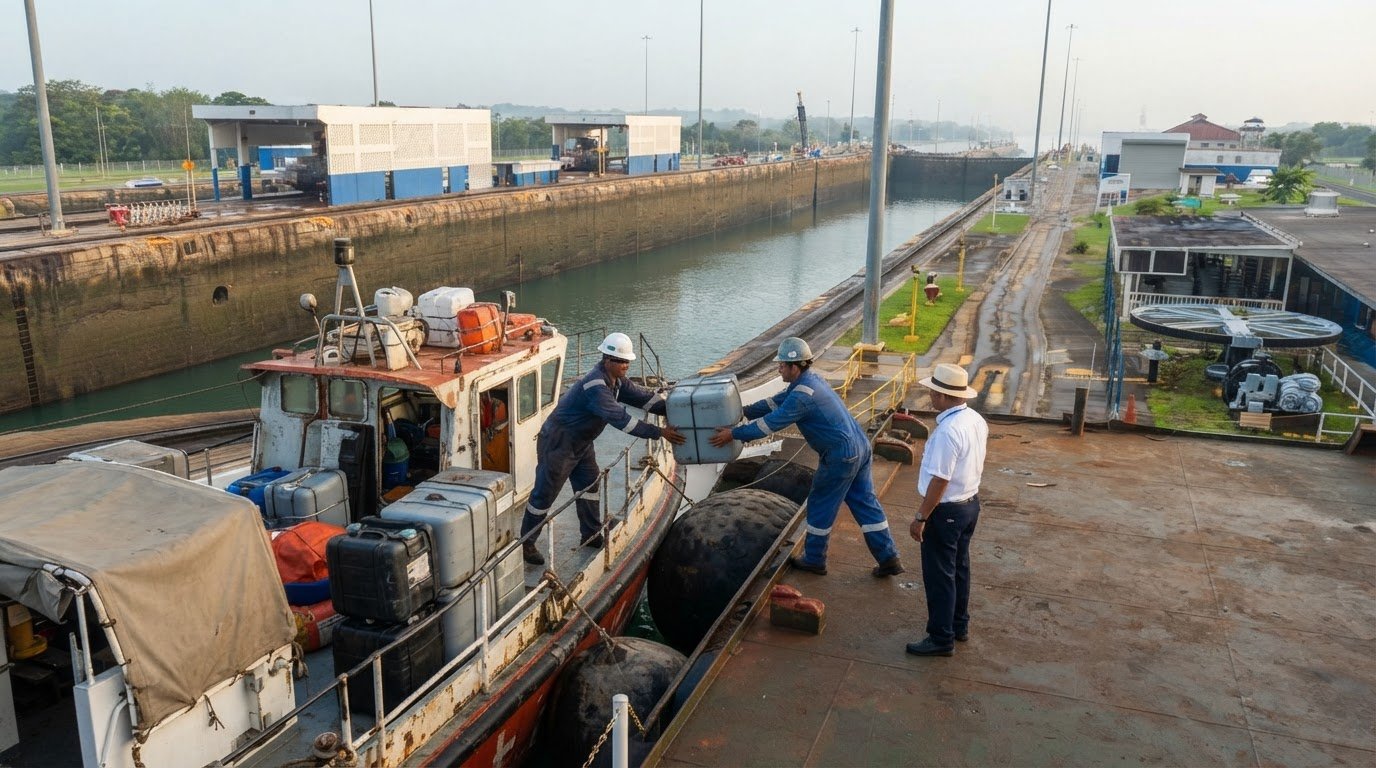
Canal transit uses locks to raise vessels from sea level to Gatun Lake. The Canal is lock-based and does not use a convoy system; it adopted an optional transit reservation system in 1983. A key logistical risk is coordinating the expedition’s port and supply plans with its assigned transit schedule, especially when the vessel’s operating plan changes.
Ports with ship agent suppliers
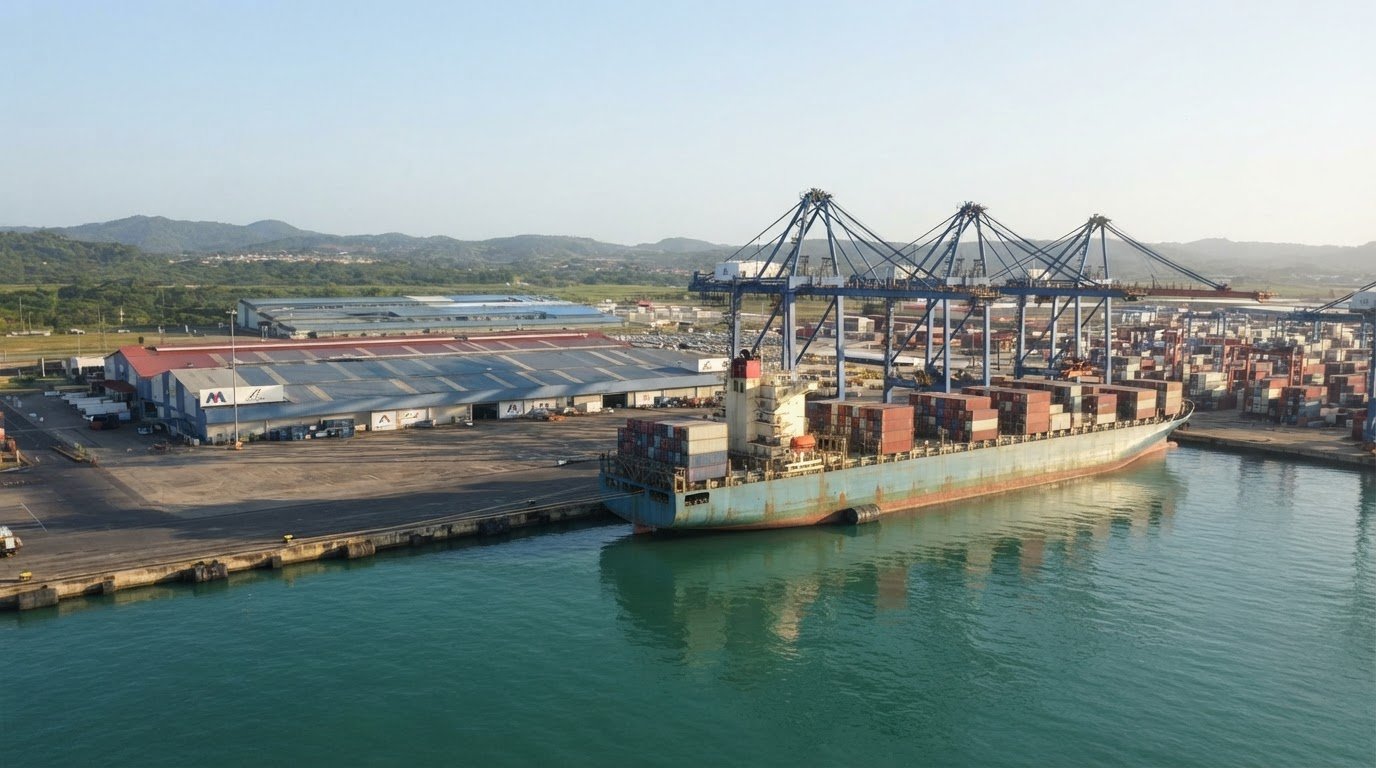
For an expedition calling in Panama, map each port call against the vessel’s route and research schedule. The Panama Canal connects the Atlantic and Pacific, so the chosen gateway affects where the vessel joins or leaves its planned passage. Search for agency support by port area rather than treating Panama as one interchangeable call location.
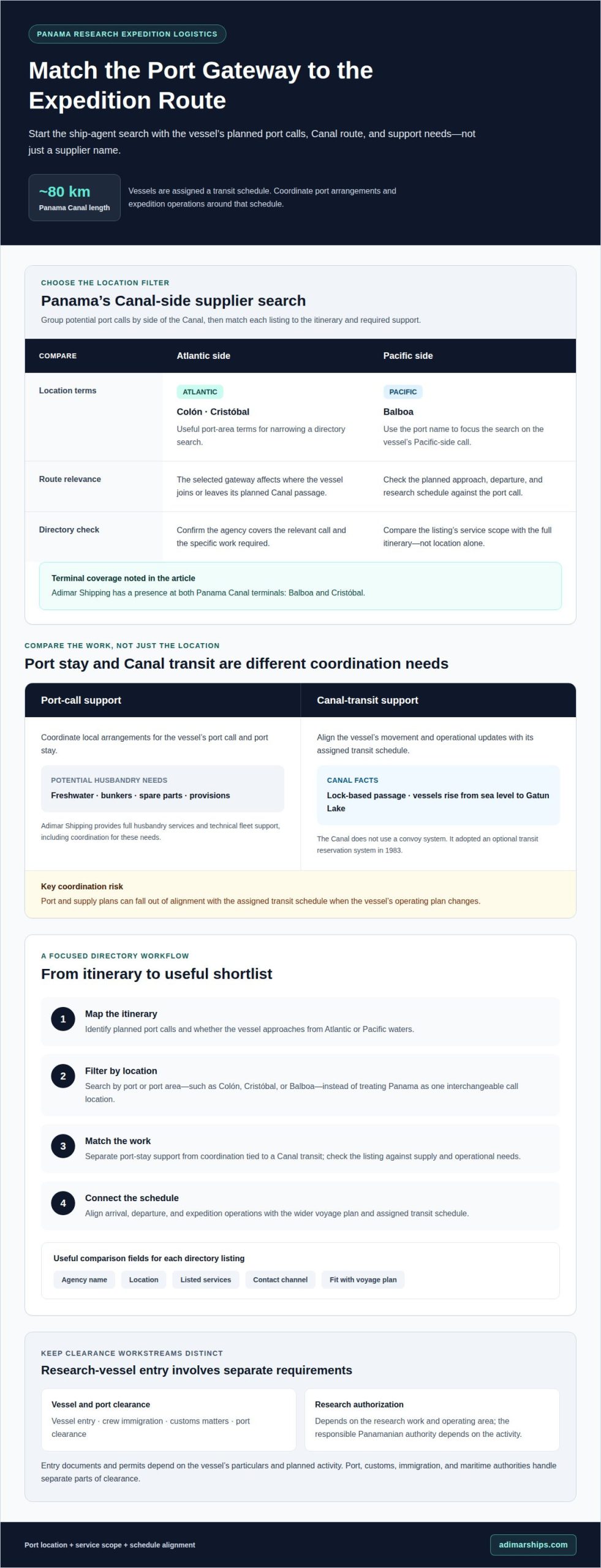
For directory research, group potential port calls by side of the Canal. Colón and Cristóbal are useful Atlantic-side location terms; Balboa is a Pacific-side term. Use these names to narrow a supplier search, then match each listing to the vessel’s itinerary and required support. Adimar Shipping has a presence at both Panama Canal terminals, Balboa and Cristóbal.
Use a simple sequence to organize the search:
- Map the itinerary: identify the planned port calls and whether the vessel approaches from Atlantic or Pacific waters.
- Filter by location: search the supplier directory using the port or port area, such as Colón, Cristóbal, or Balboa.
- Match the work: separate support for a port stay from coordination tied to a Canal transit.
- Connect the schedule: align arrival, departure, and expedition operations so the port call fits the wider voyage plan.
A research vessel’s needs can differ from those of a vessel making a straightforward transit. An expedition may need local coordination for supplies, a port stay, and the timing of its Canal passage. Location is only the first filter; the useful result is an agency whose services fit the vessel’s specific calls and operational plan.
For a voyage involving a Panamanian port call and Canal passage, explore Panama port-call coordination as part of the planning process.
Ship agent supplier directory in Panama
A Panama ship-agent directory can help organize potential suppliers by location and vessel requirements. Treat each listing as a starting point, then match it to the expedition’s port calls, Canal passage, and required agency support. A directory search is most useful when it produces a focused shortlist, not a long list without operational context.
Use the directory in a consistent sequence. First, filter by the vessel’s planned port area. Next, identify agencies that cover the relevant call and Canal transit. Then compare their services with the expedition’s practical needs, such as port-call coordination and arranging vessel supplies. Record each agency’s name, location, listed services, and contact channel in one working table.
- Search by geography: use the port area and route rather than Panama alone.
- Sort by task: distinguish port-call support from transit-related agency coordination.
- Capture useful fields: note the agency name, service scope, location, and contact details shown.
- Compare against the voyage plan: match each listing to the vessel’s calls and operating schedule.
How far in advance should you arrange an agent for a Panama research expedition? Start as soon as the itinerary and operational requirements take shape. Timing depends on the vessel’s port calls, Canal schedule, and coordination needs. Early planning gives the agency time to align those workstreams.
For example, a vessel planning a port stay followed by a Canal transit needs support that addresses both parts of its route. A listing focused only on a port location may not describe the full scope of help required. Use your shortlist to identify agencies whose stated services align with the complete voyage plan, then organize the next step around the vessel’s schedule.
What ship agencies in Panama handle research expedition vessels?
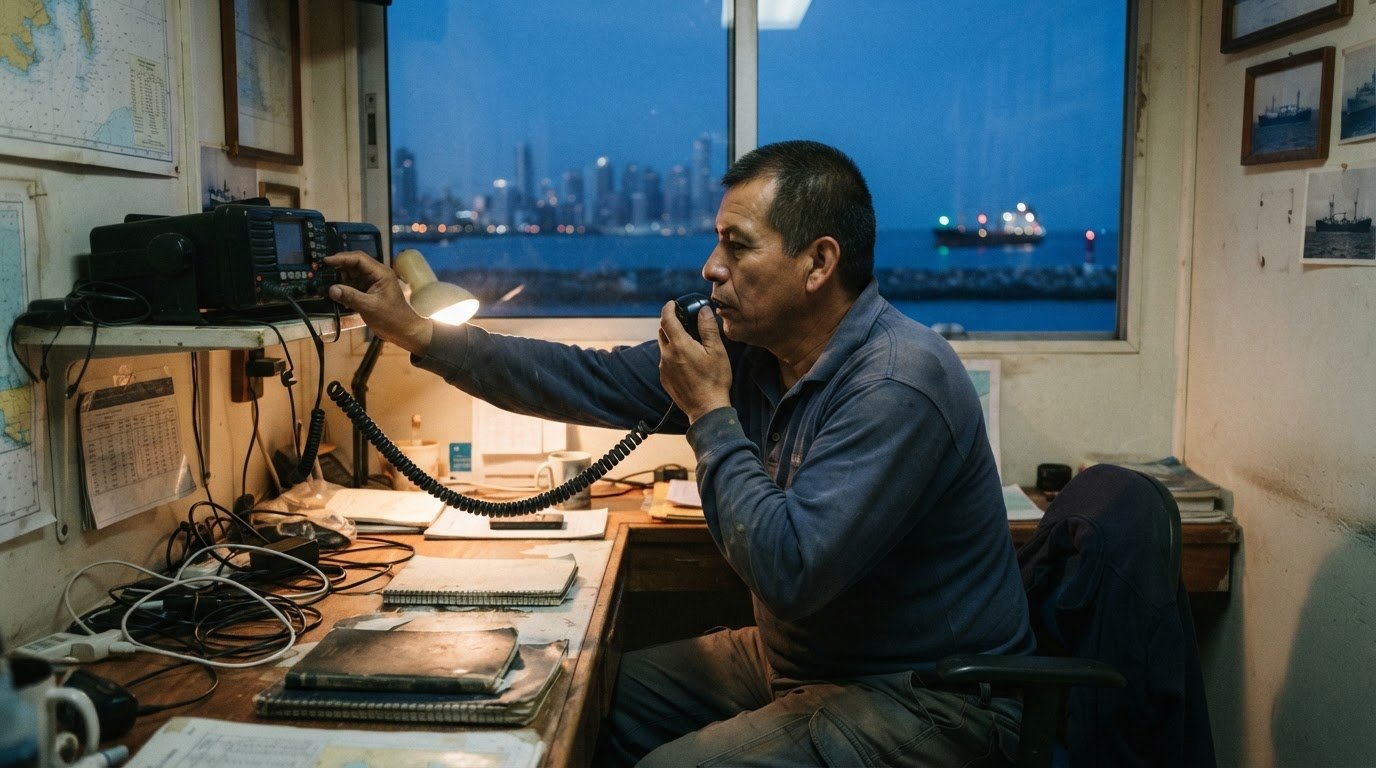
A ship agent for research expeditions in Panama can coordinate local arrangements for a port call and Canal passage. The agency serves as a local point of coordination between the vessel and the parties involved in its planned movements. The work depends on the itinerary, the vessel’s requirements, and whether it calls at port or transits the Canal.
For example, an expedition vessel may need its arrival plan aligned with its assigned Canal transit schedule. Agency coordination connects vessel communications, port arrangements, and transit planning. The agent coordinates local vessel operations, not Canal operations or scientific research. Keeping these roles distinct helps expedition teams assign responsibilities clearly.
Local operational support can also cover supplies. Adimar Shipping provides husbandry and technical fleet support, including freshwater, bunkers, provisions, and forwarding of spare parts. For a research vessel, the specific requirements depend on its planned stay and voyage. A clear supply list helps align the vessel’s schedule with the arrangements needed for its operation.
- Transit coordination: align vessel communications and local arrangements with the assigned Canal schedule.
- Port-call coordination: organize the local arrangements required for the vessel’s planned call.
- Supply coordination: identify needs such as water, fuel, or spare parts, then coordinate their delivery.
- Clear responsibilities: distinguish agency coordination from Canal operation and scientific research.
For a research expedition, the right agency fit is one whose coordination scope matches the vessel’s itinerary and operational requirements. An owner or charterer may nominate an agency to represent its interests during the voyage. Clear instructions about port calls, transit plans, and supplies help the appointed agency coordinate the relevant work.
Discuss research-vessel agency coordination for a Panama port call or Canal transit.
Adimar Shipping: Ship Agency Services
Adimar Shipping supports vessel owners and charterers with local coordination for Panama Canal passages. Its Ship Agency Services cover transit arrangements, communication, and vessel coordination, providing a clear local point of contact for an expedition’s transit or port-call planning.
Owners can appoint Adimar Shipping through Owner’s Nominated Agency, while charterers can use Charterer’s Nominated Agency. Husbandry Services support the vessel and crew, including crew changes and provisioning. These services suit expedition teams seeking local agency coordination alongside their own voyage planning.
Share the vessel’s itinerary, planned port calls, Canal transit requirements, and operational needs to establish the scope of agency support. Contact Adimar Shipping to discuss your research expedition’s ship agency requirements.
Put the expedition’s next steps in motion
Choosing a ship agent for research expeditions in Panama helps turn a scientific plan into a workable voyage brief. Bring the itinerary, intended port calls, Canal transit plans, and vessel requirements together. Then decide whether the owner or charterer will nominate the agency, so responsibilities are clear as operational planning progresses.
Adimar Shipping offers Ship Agency Services, Owner’s Nominated Agency, and Charterer’s Nominated Agency. These options align local agency coordination with the vessel’s representation and planned passage. Share the expedition’s itinerary and operational priorities with Adimar Shipping to discuss the agency support that fits the voyage.
Start planning with Adimar Shipping. A clear brief gives the expedition team a practical foundation for its next decisions.
Frequently Asked Questions
Which Panamanian ports serve research expedition ships?
Research vessels may call at Atlantic-side ports such as Colón and Cristóbal, or Pacific-side Balboa, depending on their itinerary. For example, an expedition arriving from the Atlantic and continuing through the Canal should map its planned calls against its route. Port selection depends on the vessel’s operating plan, not research activity alone.
What services do ship agents provide for research vessels in Panama?
Ship agents coordinate local arrangements around a vessel’s port call and Canal passage. Depending on the expedition’s plan, this can include supplies such as freshwater, provisions, and spare parts, as well as communications tied to the vessel’s movements. An expedition calling at port before transiting needs its local arrangements aligned with the voyage schedule.
How do Panama ship agents compare in experience with scientific and expedition vessels?
Compare agencies by their stated operational scope, not assumptions based on general maritime experience. Check whether their services cover port-call coordination, Canal transit planning, and vessel support needs, all of which can matter to an expedition. Scientific expertise is separate from ship agency: the research team directs its scientific program, while the agent supports local vessel operations.
Which local authorities coordinate vessel clearance and research permits in Panama?
Port, customs, immigration, and maritime authorities handle separate parts of clearance. The responsible Panamanian authority for research authorization depends on the activity.