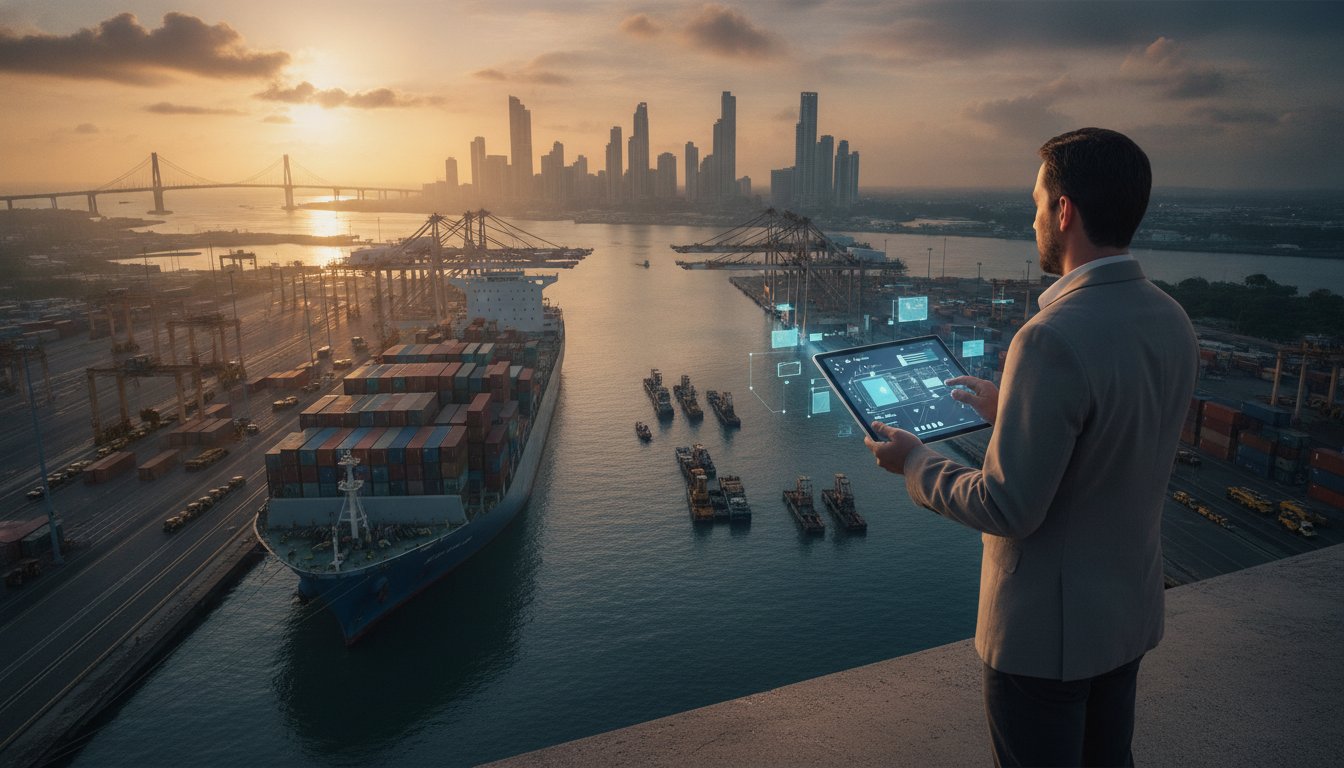

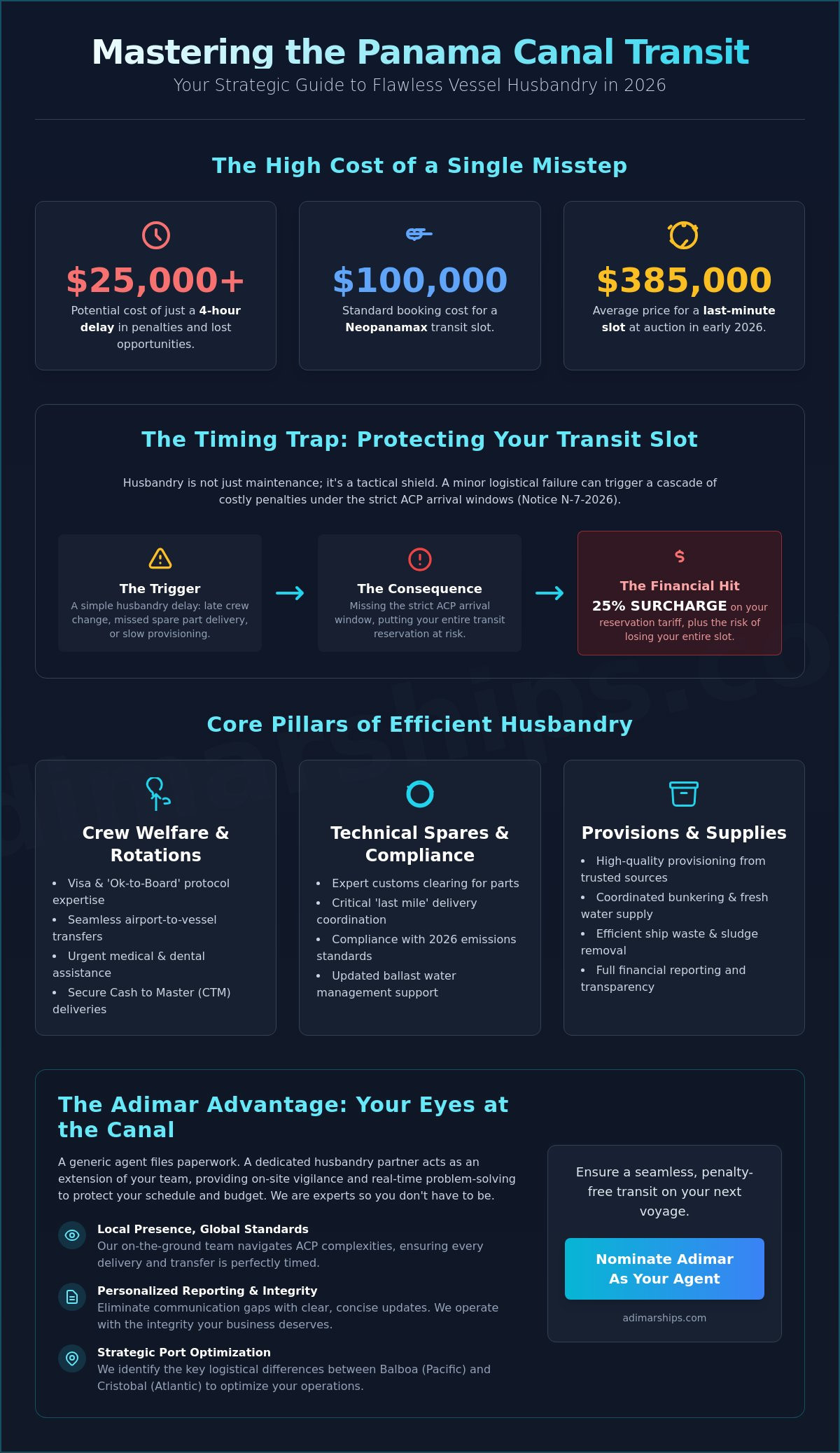
A four-hour delay at the Panama Canal doesn’t just disrupt your schedule; it can cost your operation upwards of $25,000 in penalties and lost opportunities. With Neopanamax transit bookings costing $100,000 and auction prices for last-minute slots averaging $385,000 in early 2026, your husbandry strategy is no longer just about maintenance. It’s a tactical shield for your transit slot. You understand that timing is everything, yet coordinating crew changes and supplies often feels like a gamble when communication with generic agents breaks down. It’s frustrating to risk a 25% surcharge on your reservation tariff simply because a delivery missed the strict ACP arrival window. We are experts so you don’t have to be.
This guide will show you how to master vessel husbandry services panama to ensure your vessel, crew, and cargo remain on schedule without hidden delays. You’ll learn how to navigate the complexities of the 2026 maritime environment, from managing the restored 50-foot draft capacity to meeting the arrival deadlines set in ACP Notice to Shipping N-7-2026. We’ll provide a clear roadmap for seamless coordination and personalized reporting, ensuring your transit is handled with integrity and precision.
Key Takeaways
- Master the full scope of non-cargo logistics, from crew welfare to technical spares, to keep your vessel compliant with 2026 Panama Canal standards.
- Learn how to synchronize crew changes and deliveries with strict ACP arrival windows to protect your high-value transit reservation from costly penalties.
- Identify the strategic logistical differences between Balboa and Cristobal to optimize your vessel husbandry services panama based on your transit direction.
- Understand how to navigate modern customs clearing and ‘last mile’ delivery challenges to ensure your vessel is fully ready for its scheduled slot.
- Discover the value of a personalized local partner who acts as your ‘eyes at the Canal’ to eliminate communication gaps and prevent hidden costs.
Defining Vessel Husbandry Services in the Panama Canal Zone
Misjudge your timing at the Panama Canal and the consequences are immediate. While cargo operations often take center stage, the success of a transit depends on the invisible gears of ship husbandry. These services encompass every non-cargo requirement a vessel has during its stay. In Panama, this isn’t just about basic maintenance; it’s about the intricate coordination of crew welfare, medical assistance, and technical spare parts logistics. Because Panama sits at the crossroads of global trade, it serves as a unique husbandry hub where 6,288 vessels transited in the first half of fiscal year 2026 alone.
There’s a vital distinction between a general ship agent and a dedicated husbandry specialist. A general agent might process your tolls, but a husbandry specialist manages the human and mechanical needs of the ship. We provide high quality, timely shipping services with integrity, acting as an extension of your own team. We don’t just file paperwork; we solve the logistical puzzles that keep your vessel moving. Choosing the right vessel husbandry services panama means the difference between a seamless transit and a costly delay at the locks.
The Scope of Modern Husbandry in 2026
Husbandry requirements have expanded significantly due to evolving environmental regulations and stricter ACP protocols. By May 2026, compliance with updated ballast water and emissions standards has become a core part of the husbandry checklist. The agent now acts as your local office, managing these complexities so you don’t have to. Husbandry in Panama is the essential bridge between your vessel’s immediate needs and the rigid local regulations governing the waterway.
Why ‘Local Presence’ Matters for Husbandry
Navigating the Panama Canal Authority (ACP) requirements demands more than a remote connection. Per ACP Notice to Shipping N-7-2026, arrival deadlines are unforgiving. If a crew change is delayed by even an hour, you risk losing a transit slot that may have cost $100,000 to reserve. Real-time problem solving requires boots on the ground. We are your eyes at the Panama Canal, providing personalized reporting and on-site vigilance. This local presence ensures that every spare part delivery and crew transfer happens exactly when it should, protecting your schedule from the high cost of spontaneity. We are experts so you don’t have to be, ensuring vessel husbandry services panama are handled with precision every time.
Core Pillars of Efficient Husbandry: Crew, Spares, and Provisions
Maintaining a vessel’s operational readiness in Panama requires more than just a list of local contacts. It’s about executing a precise logistical dance where every second counts. Vessel husbandry services panama focus on three core pillars: crew rotations, technical spares, and essential provisions. When these elements aren’t perfectly aligned, the financial fallout is immediate. Beyond the tolls, you’re managing Cash to Master (CTM) transactions and bunker coordination under strict local port regulations. We treat every operation with the integrity your business deserves, acting as your local office to eliminate confusion. Our husbandry services cover the essentials that keep your operation running:
- Secure Cash to Master (CTM) deliveries and financial reporting
- Coordinated bunkering and fresh water supply at anchorage
- Efficient removal of ship waste and sludge per environmental rules
- High-quality provisioning from trusted local markets
Whether it’s coordinating a last-minute delivery or managing a complex bunkering schedule, our goal is to keep you on track. You can nominate Adimar as your agent to ensure these pillars remain solid during your next transit.
Managing Complex Crew Rotations in Panama
Crew changes at the Canal involve a complex web of visa requirements and ‘Ok-to-Board’ protocols that vary significantly by nationality. Our team specializes in navigating crew changes at the Panama Canal, ensuring that incoming seafarers move from Tocumen International Airport to the vessel without administrative friction. We also facilitate urgent medical and dental assistance, providing seafarers with high-quality care that doesn’t jeopardize the vessel’s departure. Because we’re your eyes at the Panama Canal, we monitor every step of the transfer from the tarmac to the gangway, providing real-time updates to owners and charterers alike.
Technical Support and Spare Parts Logistics
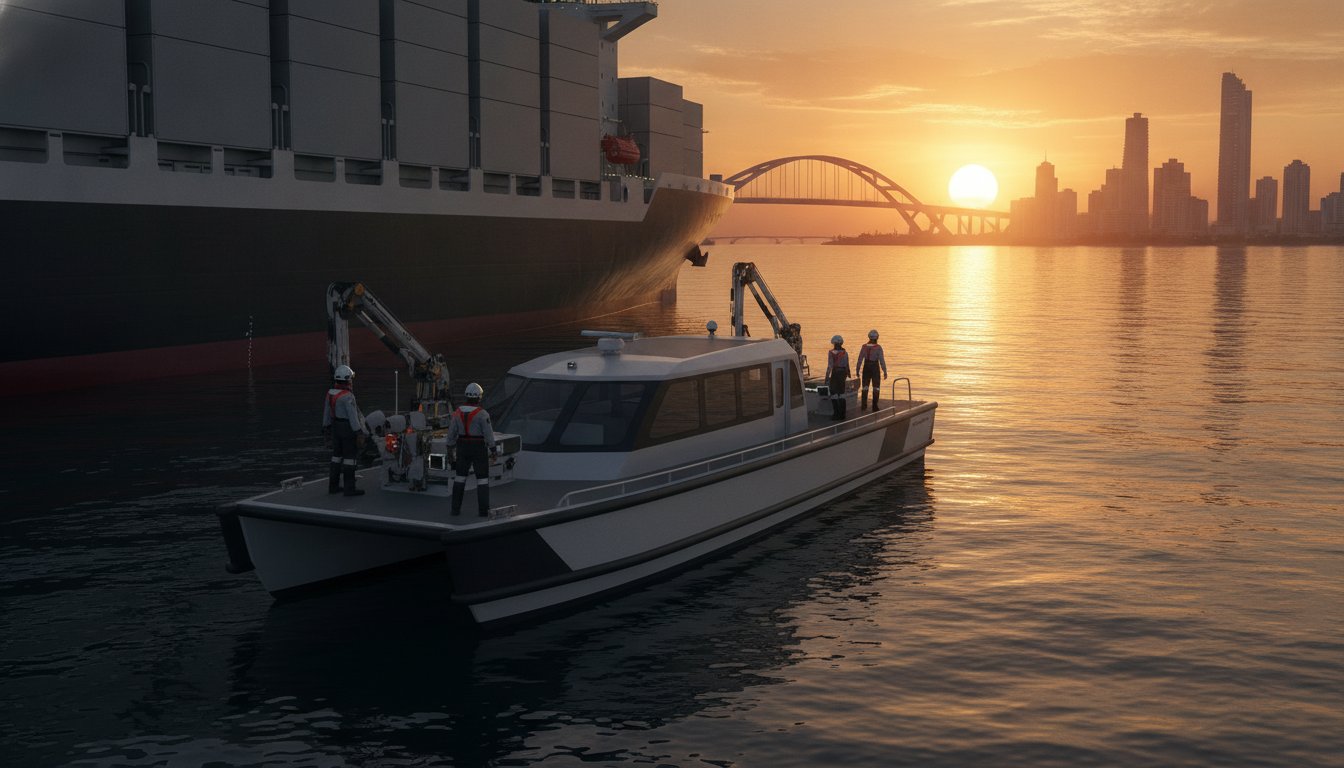
Moving technical equipment into the Canal Zone is simplified by ‘vessel in transit’ customs exemptions, but the ‘last mile’ delivery to the anchorage remains a challenge. We coordinate with specialized launch services to deliver heavy spares and sensitive electronics safely, ensuring they reach the ship before the ACP readiness deadline. Our team monitors Panama Canal Authority advisories daily to adjust delivery schedules based on real-time lock conditions or draft changes. This proactive approach allows for essential underwater inspections or minor repairs to be completed while you wait for your slot. By managing these technical logistics with precision, we ensure that vessel husbandry services panama eliminate the timing traps that lead to missed transit windows.
The Timing Trap: How Husbandry Affects Your Panama Canal Transit
Many operators treat husbandry as a secondary checklist separate from the transit itself. This is a dangerous misconception. In the high stakes environment of the Panama Canal, husbandry is a tactical component of transit slot protection. If a crew change is delayed or a spare part delivery isn’t cleared by customs in time, the vessel risks losing its pre-booked slot. With Neopanamax reservation fees at $100,000 as of early 2026, a single logistical oversight isn’t just an inconvenience; it’s a massive financial liability. We are experts so you don’t have to be, ensuring every detail aligns with the rigid ACP schedule.
Communication is the only antidote to the frustration of operational blind spots. Generic agents often provide optimistic estimates that don’t reflect the reality on the ground. We believe in integrity in reporting. If a launch is delayed by weather or a visa process is stalled, you’ll know immediately. Transparent timelines allow you to make informed decisions before a minor delay turns into a missed transit window. Managing vessel husbandry services panama requires a partner who understands that “time is money” isn’t a cliché; it’s the reality of your bottom line.
Protecting Your Transit Slot Through Coordination
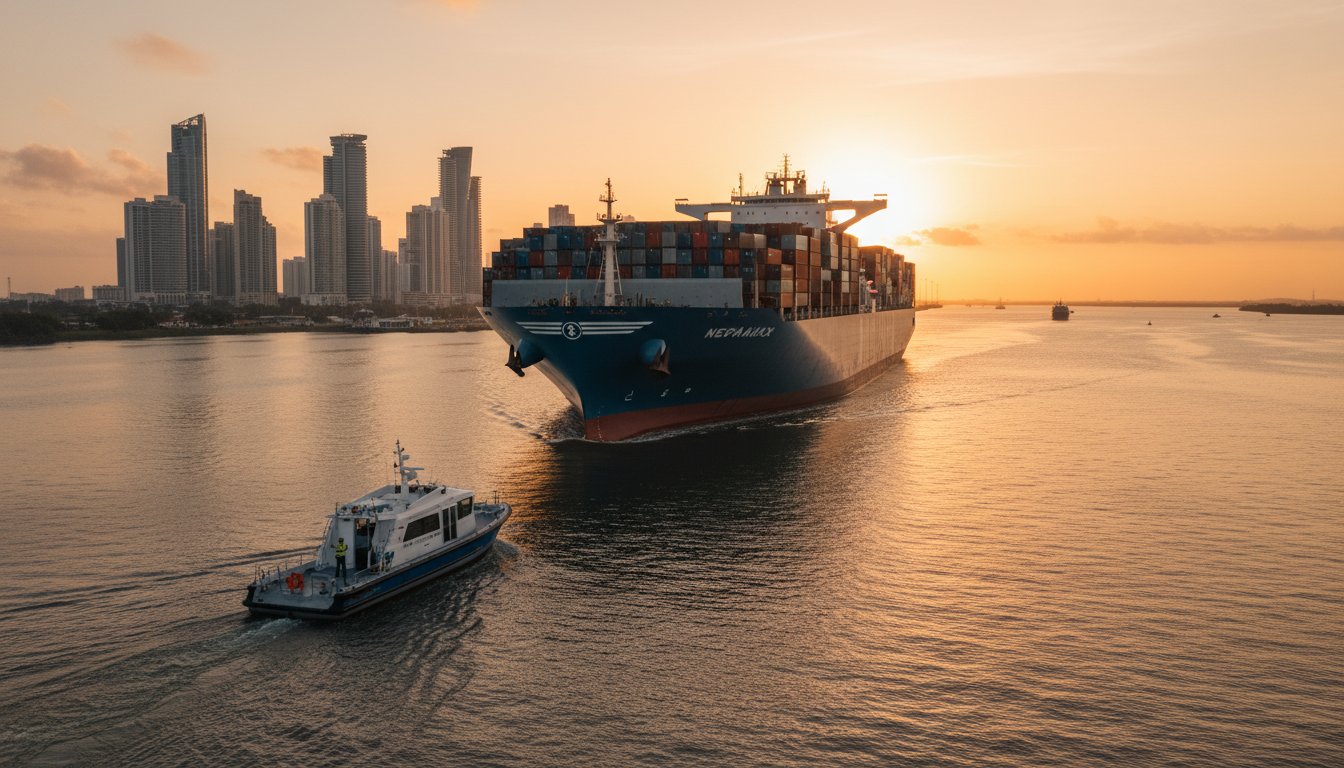
The ACP requires every vessel to be in a state of “readiness” before the pilot boards. If husbandry operations like bunkering or crew transfers are still underway when your slot opens, the vessel can be declared “Non-Ready.” This status often leads to the immediate loss of your reservation. Our team specializes in scheduling these activities within the “dead time” while your vessel is in the queue at the anchorage. For a deeper look at managing these requirements, see our Panama Canal transit guide for operators. We ensure all husbandry is completed long before the pilot arrives, keeping your schedule intact.
Cost-Conscious Efficiency in a ‘Time is Money’ Environment
Efficiency in Panama means more than just speed; it means being cost-conscious with your resources. We help operators avoid unnecessary launch fees by consolidating deliveries of spares, provisions, and CTM into a single trip whenever possible. Additionally, we ensure your vessel remains in full PCSOPEP compliance, as any environmental documentation lapse can halt husbandry scheduling instantly. Our proactive approach as your eyes at the Panama Canal prevents the “stacked” costs of transit from spiraling out of control. Misjudged timing in Panama results in exponential financial loss that can easily exceed $25,000 for a mere four-hour delay. By choosing professional vessel husbandry services panama, you secure your transit against these avoidable traps.
Navigating Panama’s Ports: Logistics in Balboa vs. Cristobal
Choosing the right terminal for your port call is a strategic decision that impacts both your budget and your schedule. In Panama, the Pacific and Atlantic sides offer vastly different logistical environments. While the Panama Canal Authority restored the full 50-foot draft for Neopanamax vessels in April 2026, your husbandry requirements depend heavily on which anchorage you select. Balboa and Cristobal are not interchangeable; they each have specific strengths regarding launch availability, bunker barge accessibility, and proximity to technical support. Managing vessel husbandry services panama effectively requires a partner who understands these regional nuances and can pivot operations as conditions change.
Weather also plays a decisive role in port selection. The rainy season, which typically runs from May through December, can bring sudden tropical downpours that impact launch safety and cargo protection. As of May 2026, consistent rainfall has stabilized water levels, but it also means your agent must be vigilant about “weather windows” for sensitive operations like crew transfers or deck deliveries. We are your eyes at the Panama Canal, monitoring local conditions in real time to ensure your husbandry activities don’t encounter avoidable delays. If you are planning a 2026 transit, request a husbandry quote to see how we optimize logistics at both ends of the Canal.
Balboa Anchorage: The Gateway to the Pacific
Balboa is the preferred hub for crew changes because it’s only a 30-minute drive from Panama City and Tocumen International Airport. This proximity reduces transit time for seafarers and minimizes the risk of missing a vessel’s departure. For vessels waiting for Northbound transits, Balboa offers a robust infrastructure of specialized technical workshops. Whether you need an emergency engine repair or a certified underwater inspection, the Pacific sector provides the most immediate access to skilled labor and heavy equipment. We manage these high-stakes rotations with integrity, ensuring your crew and technicians are on board exactly when the ACP schedule demands.
Cristobal and Colon: Caribbean Logistics
Cristobal provides strategic advantages for Southbound vessels entering from the Caribbean. It serves as the primary entry point for ships requiring immediate supplies or spare parts before beginning their transit. The proximity to the Colon Free Trade Zone is a major benefit; it allows for the rapid sourcing and customs clearance of technical spares. However, the logistical landscape in Colon requires careful navigation regarding security and “last mile” delivery coordination. A dedicated vessel husbandry services panama provider ensures your spares move safely from the warehouse to the anchorage without getting bogged down in administrative red tape. We coordinate services across both terminals, providing seamless coverage so your vessel remains ready regardless of which coast it’s on.
The Adimar Advantage: Personalized Husbandry with Integrity
Misjudging your timing at the Panama Canal is a risk you don’t have to take. We see ourselves as your local office in Panama, not just another vendor on a checklist. Our philosophy is simple: we are experts so you don’t have to be. With 20 years of experience navigating the specific bureaucracy of the Panama Canal Authority, we understand the nuances that generic global agents often miss. Integrity is the foundation of our business. This means you receive clear, honest communication and transparent reporting with no hidden fees, even in a high-pressure environment where auction prices for last-minute slots can exceed $1 million as seen in early 2026.
Personalized vessel husbandry services panama require a partner who treats your vessel as their own. We don’t just process paperwork; we provide the vigilance needed to protect your interests. By acting as your eyes at the Panama Canal, we eliminate the operational blind spots that lead to missed transit windows and expensive surcharges. Our commitment to transparency ensures that you always know the status of your crew, spares, and provisions, allowing you to focus on your core business while we handle the local complexities.
Personalized Service vs. Global Aggregators
Global aggregators often rely on generic networks that lack the deep, local roots necessary for seamless coordination. They might offer a wide reach, but they don’t know your vessel’s specific history or requirements. We provide a dedicated agent who understands the unique needs of your fleet. This personalized approach reduces owner anxiety because you aren’t just a number in a database. Our on-the-ground presence allows us to solve problems before they escalate into delays. Understanding why a Panama Canal ships agent is your most valuable asset starts with recognizing the value of a partner who is physically present at the locks and anchorages every day.
Getting Started with Adimar Shipping
Nominating Adimar as your husbandry agent is a straightforward process designed to save you time. Once you provide your vessel details and expected arrival window, we begin the coordination process with the ACP, customs, and local service providers. We provide a transparent quote for your next transit, ensuring you can budget accurately without worrying about unexpected costs. Our team is ready to manage everything from PCSOPEP compliance to complex crew rotations with the precision that 2026 maritime logistics demand. Don’t leave your transit slot to chance. Contact Adimar Shipping to secure your vessel’s interests today.
Securing Your 2026 Transit with Professional Local Expertise
Success at the Panama Canal requires a shift from reactive maintenance to proactive tactical planning. High-quality vessel husbandry services panama are the essential shield for your transit slot, ensuring that logistical details never compromise your high-value investment. You’ve learned that navigating the specific nuances of Balboa and Cristobal; managing strict ACP readiness; and maintaining clear communication are the keys to avoiding the timing trap. We provide high-quality, timely shipping services with integrity every time. It’s about having a partner who treats your ship like their own.
Adimar Shipping offers 20+ years of local expertise to help you master these complexities. As an authorized PCSOPEP person and your dedicated local office, we eliminate the confusion of maritime bureaucracy. We are experts so you don’t have to be. Our team acts as your eyes at the Panama Canal, providing the on-the-ground vigilance that generic global agents simply can’t match. Put your next operation in the hands of a team that values your schedule as much as you do.
Nominate Adimar as your trusted husbandry partner at the Panama Canal to secure your vessel’s interests today. We look forward to ensuring your 2026 transits are seamless and successful.
Frequently Asked Questions
What exactly are vessel husbandry services in Panama?
Vessel husbandry services in Panama encompass all the non-cargo related logistical needs of a ship during its time in the Canal Zone. This includes coordinating crew changes, delivering technical spare parts, and managing provisions or bunker supplies. We act as your local office to ensure these tasks are completed without interrupting the ACP schedule. Our team handles the administrative and physical work so you can focus on your primary business operations.
Can crew changes be performed during the Panama Canal transit?
Crew changes cannot be performed while the vessel is actively moving through the locks or the channel. Instead, these rotations take place at the designated anchorages in Balboa or Cristobal before the transit begins or after it concludes. Per ACP Notice to Shipping N-7-2026, vessels must meet strict arrival deadlines, so we coordinate with launch services to ensure crew transfers happen within the allocated “dead time” while you wait in the queue.
How do I clear spare parts through customs in Panama?
You clear spare parts by utilizing the “vessel in transit” customs exemption, which simplifies the entry of technical equipment destined for ships in the Canal Zone. We manage the documentation and logistics from the moment the spares arrive at the airport or the Colon Free Trade Zone until they reach the vessel gangway. This process requires precise coordination to ensure heavy or sensitive equipment is delivered via launch before the pilot boards for transit.
What is the difference between a port agent and a husbandry agent?
A port agent primarily manages the vessel’s relationship with the Panama Canal Authority (ACP) and cargo operations, while a husbandry agent focuses on the internal needs of the ship, crew, and owners. We often perform both roles, but vessel husbandry services panama specifically address crew welfare, medical assistance, and spare parts logistics. Think of the port agent as the legal representative and the husbandry agent as your dedicated local support team.
Is it possible to perform underwater hull cleaning during a canal transit?
Underwater hull cleaning is strictly prohibited during the actual transit through the locks and the waterway. These technical services must be conducted while the vessel is at anchorage in Balboa or Cristobal. We coordinate with certified divers and technical teams to perform inspections or cleaning during your waiting period. This ensures your vessel remains in optimal condition without risking a “Non-Ready” status that could lead to a forfeited transit reservation.
What are the common fees associated with husbandry services in Panama?
Standard agency fees for basic husbandry in Panama typically range from $750 to $1,500 as of January 2026. Beyond this base fee, owners should account for variable costs like launch services, crew visa processing, and transportation to Tocumen International Airport. We provide transparent reporting to ensure you understand every line item. Mismanaged timing can lead to late arrival fees, which start at 25% of the reservation tariff for delays up to one hour.
How does Adimar Shipping ensure transparency in husbandry costs?
Adimar Shipping ensures transparency by providing detailed, honest communication and clear financial reporting with no hidden surcharges. We pride ourselves on being a service provider with integrity, acting as your local eyes at the Canal to prevent operational blind spots. Every cost is documented and shared in real time, so you aren’t surprised by unexpected expenses. We believe that clear timelines and honest estimates are the foundation of a trusted partnership.
What documents are required for seafarers entering Panama for a crew change?
Seafarers require a valid passport, a seaman’s book, and an “Ok-to-Board” letter to enter Panama for a crew rotation. Depending on the seafarer’s nationality, a transit visa or specific immigration clearance may also be necessary. Our vessel husbandry services panama include managing these visa requirements and airport protocols. We ensure all paperwork is processed well before the crew arrives at Tocumen International Airport to prevent any administrative delays at the border.