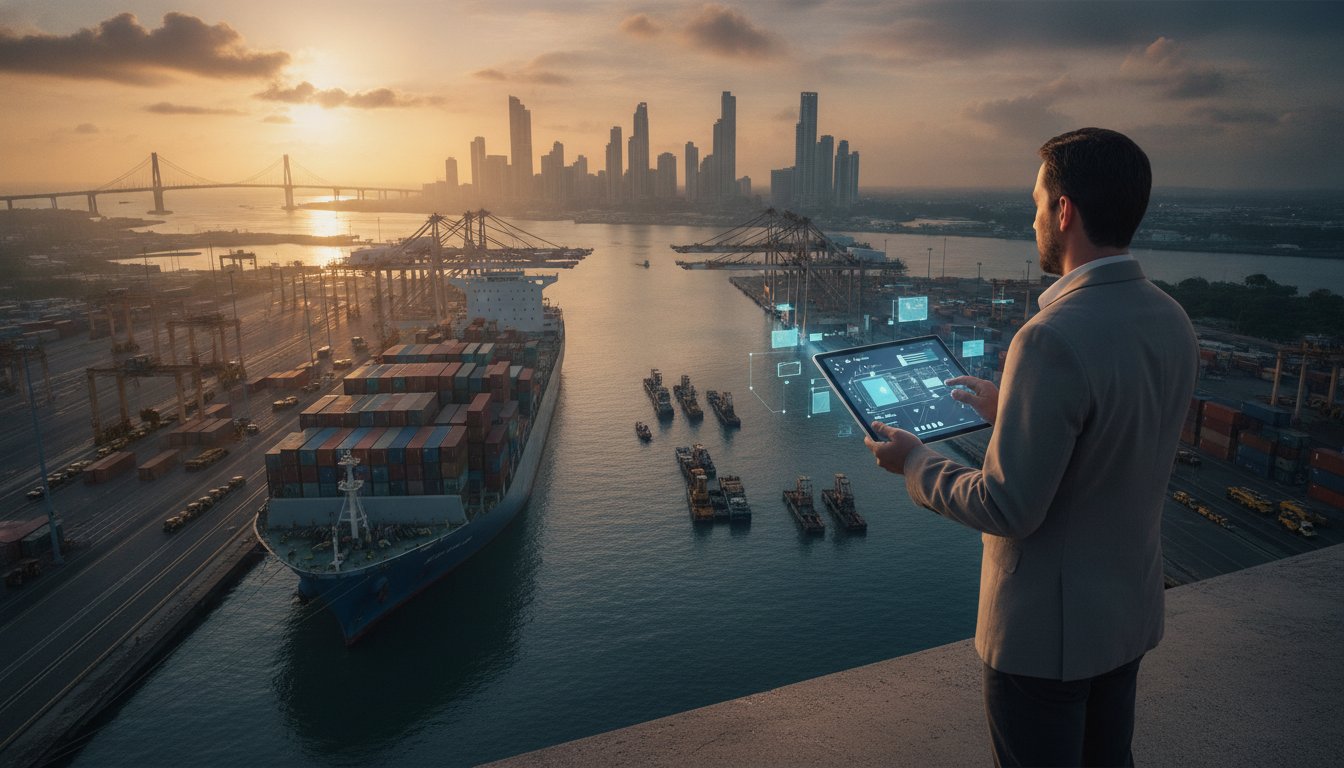

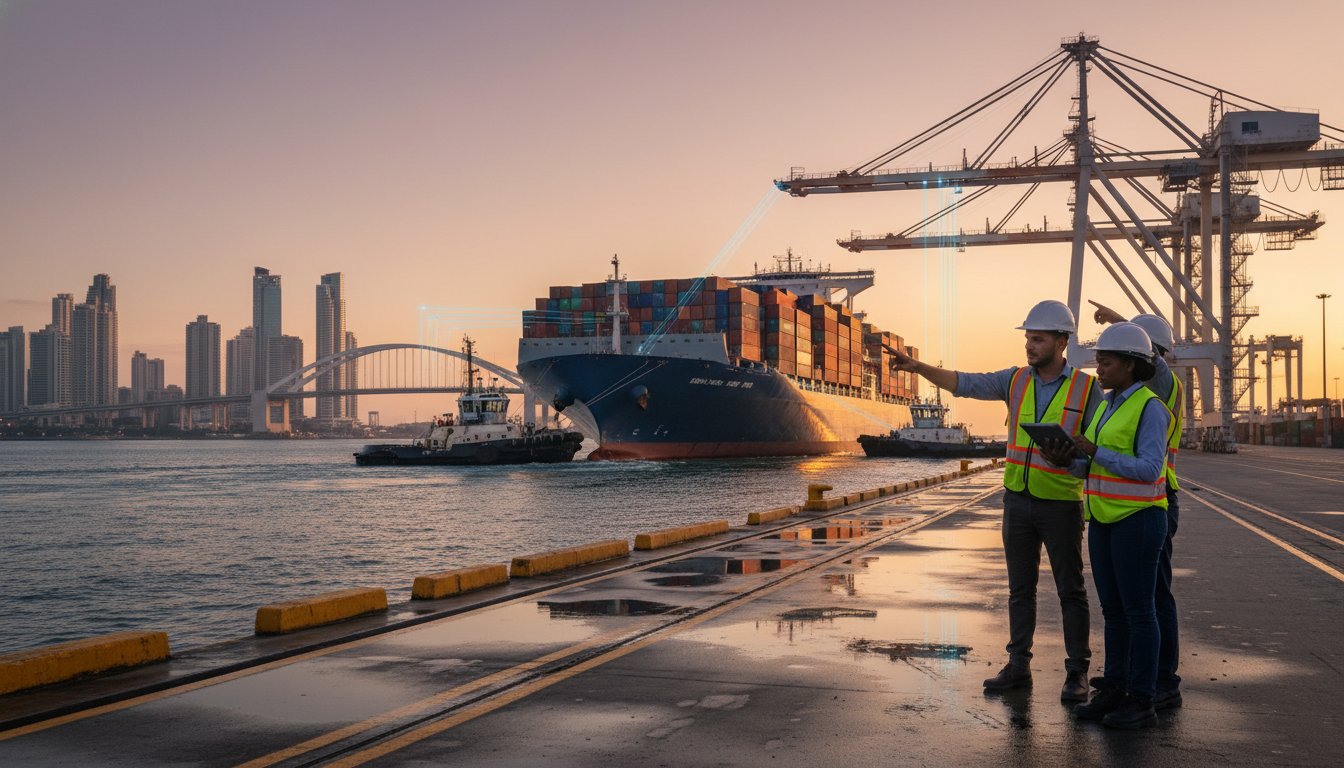
In the Panama Canal, port call logistics and transit schedules aren’t just related; they’re a single, high-stakes maneuver where timing serves as the only real currency. You likely recognize the frustration of watching demurrage costs climb while your vessel waits for a crew change or spare parts delivery that hasn’t been synchronized with your ACP slot. This guide explores how to master panama canal port call logistics to avoid these bottlenecks, especially since auction premiums for priority transit reached an average of $425,000 in early 2026.
You shouldn’t have to navigate the confusion between various port authorities and the ACP alone. We’ll show you how to synchronize husbandry services with transit schedules to achieve zero compliance fines and predictable port call costs. By delegating these complex tasks to a vigilant on-the-ground partner, you gain the operational freedom to focus on your broader fleet objectives. We provide the expert precision needed to ensure your vessel meets every regulatory requirement without missing its window.
Key Takeaways
- Understand the strategic differences between Balboa and Cristobal to effectively plan your vessel’s arrival and departure sequences.
- Ensure seamless compliance with VUMPA requirements and the 96-hour pre-arrival notification rule to prevent administrative delays.
- Learn how to utilize the ‘Golden Window’ for husbandry services, allowing you to complete crew changes or technical deliveries without risking your transit slot.
- Identify the primary logistical bottlenecks that trigger high ACP booking penalties and learn proactive strategies to mitigate these financial risks.
- Discover how specialized panama canal port call logistics and local ship agency services provide the vigilance needed for predictable, cost-effective transits.
The Strategic Importance of Panama Canal Port Call Logistics
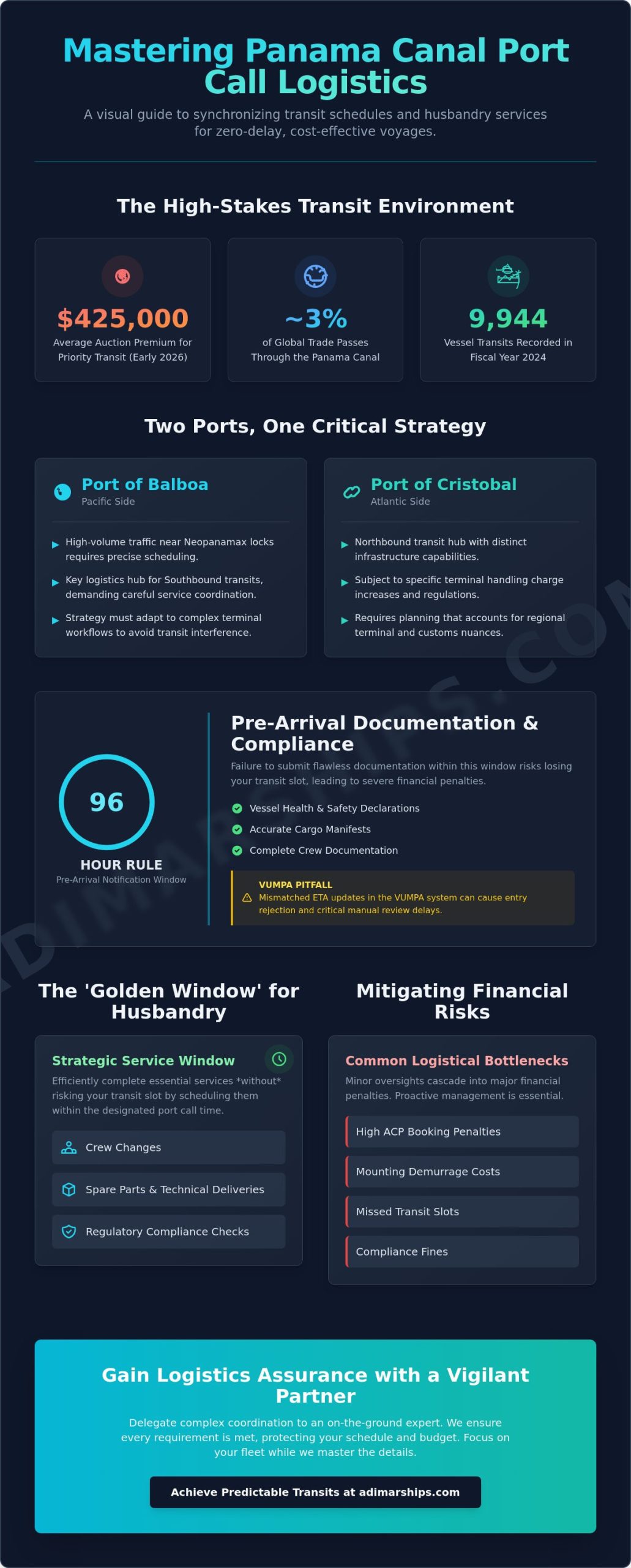
Panama serves as a vital artery for roughly 3% of global trade, facilitating 9,944 vessel transits in fiscal year 2024 alone. For ship operators, this region represents a high-pressure environment where logistical precision is the difference between a profitable voyage and a financial disaster. Panama canal port call logistics involve much more than just crossing from one ocean to another. It’s a specialized discipline that requires synchronizing ship agency services, husbandry needs, and technical deliveries within a rigid transit schedule. When you consider that auction premiums for priority transit have recently averaged around $425,000, the cost of a logistical oversight becomes staggering.
Efficiency in this zone isn’t a luxury; it’s a requirement for survival. Panama has evolved into a global maritime service hub where operators can handle everything from crew changes to critical spare parts delivery. However, the complexity of the region means that even minor delays in documentation or service coordination can lead to missed slots and massive demurrage costs. Relying on an experienced partner to manage these details provides the peace of mind you need to keep your fleet moving. We act as your vigilant, on-the-ground representative, ensuring that every logistical moving part aligns with the history and operations of the Panama Canal and its modern requirements.
Balboa and Cristobal: Two Ends of a Complex Chain
Logistical planning depends heavily on whether your vessel is Northbound or Southbound. Balboa, on the Pacific side, and Cristobal, on the Atlantic side, offer different infrastructure capabilities and terminal interfaces. A Pacific port call often involves managing high-volume traffic near the Neopanamax locks, while Atlantic calls must account for the specific terminal handling charge increases seen in early 2026. Understanding these regional nuances is essential. Your panama canal port call logistics strategy must adapt to the specific terminal’s workflow to ensure that husbandry services don’t interfere with the vessel’s readiness for its scheduled transit window.
The Role of the Panama Canal Authority (ACP)
The Panama Canal Authority sets the rules that govern the entire waterway. Their priorities can shift local port call availability in an instant, especially during periods of high demand or maintenance. Ship operators must navigate the interface between private port terminals and the ACP’s controlled waters with extreme care. We help you stay compliant with these shifting regulations, acting as the bridge between your vessel’s needs and the strict administrative requirements of the Canal. This local oversight is what prevents compliance fines and ensures that your vessel’s arrival is handled with the professional care it deserves.
Pre-Arrival Logistics: Documentation and Compliance
Effective panama canal port call logistics start long before your vessel reaches the breakwater. Compliance isn’t just a regulatory hurdle; it’s the foundation of your transit slot. The 96-hour rule remains the most critical timeline for ship operators. Failing to submit your pre-arrival notifications within this window doesn’t just cause paperwork delays. It can lead to the loss of your scheduled transit time, triggering massive financial penalties and cascading scheduling issues for your entire fleet. You need a partner who treats documentation with the same urgency as a physical delivery.
Your vessel’s health, cargo manifest, and crew documentation must be flawless to pass through the administrative gates of the Panama Maritime Authority (AMP) and Customs. While the administrative framework has evolved significantly since the U.S. role in the Panama Canal’s development established the waterway as a global transit point, the modern digital requirements are even more exacting. We provide the local vigilance necessary to ensure your vessel is cleared for entry without a second of wasted time.
Navigating VUMPA and Digital Clearances
The Panama Maritime Single Window (VUMPA) was designed to streamline clearances, but it’s often where logistical bottlenecks begin. A common pitfall for many operators is the mismatch between ETA updates and actual port berth allocation. If your digital submissions don’t reflect real-time changes, the system can reject your entry, forcing a manual review that eats into your transit window. Accurate data entry is vital. Our team acts as an extension of your own, double-checking every VUMPA submission to catch errors before they reach the authorities. This proactive approach is why many operators choose to delegate their ship agency services to local experts who understand the nuances of the AMP interface.
PCSOPEP: More Than Just a Plan
In Panama, environmental compliance is directly tied to your operational priority. Having a PCSOPEP authorized person is a logistical prerequisite for any vessel over 400 gross tons. This isn’t just a “check-the-box” requirement. Your PCSOPEP status affects your position in the transit queue and your ability to perform husbandry services while at anchor. If your spill response readiness isn’t integrated into your broader port call logistics, you risk being sidelined during a peak transit period. We ensure your compliance status is verified and active well before arrival, giving you the security of a guaranteed slot and the freedom to focus on your voyage objectives.
Synchronizing Husbandry Services with Transit Windows
The ‘Golden Window’ is the narrow timeframe between your vessel’s arrival at the anchorage and the moment the pilot boards for transit. This period is the most critical phase of panama canal port call logistics. It’s a delicate balance. You must complete essential services without compromising your vessel’s readiness or violating your assigned slot. If husbandry activities cause even a slight delay in the pilot’s boarding, the financial penalties for a missed transit can be devastating. We serve as your vigilant, on-the-ground representative to ensure this window is used with surgical precision.
Effective synchronization requires constant communication between the master, the agent, and local service providers. While your vessel sits at the Pacific or Atlantic anchorage, every hour represents a cost-saving opportunity or a potential delay. By delegating these specialized tasks to a local expert, you ensure that your vessel remains fully compliant with the latest Panama Canal Authority Vessel Requirements while maximizing every minute at anchor. We handle the coordination so your crew can focus on the high-stakes transit ahead.
Efficient Crew Change Management
Panama is a premier location for crew rotations, but the logistics are complex. Coordinating seafarer arrivals at Tocumen International (PTY) with vessel schedules requires tight integration. We manage the entire chain, from visa requirements and shore passes to secure transportation to the ports. Whether it’s a routine rotation or an emergency medical evacuation, our team ensures that crew movements don’t interfere with your transit timeline. We treat your crew’s safety and punctuality as our top priority, providing the reassurance that every transition will be seamless and compliant with local maritime laws.
Spare Parts and Provisioning Logistics
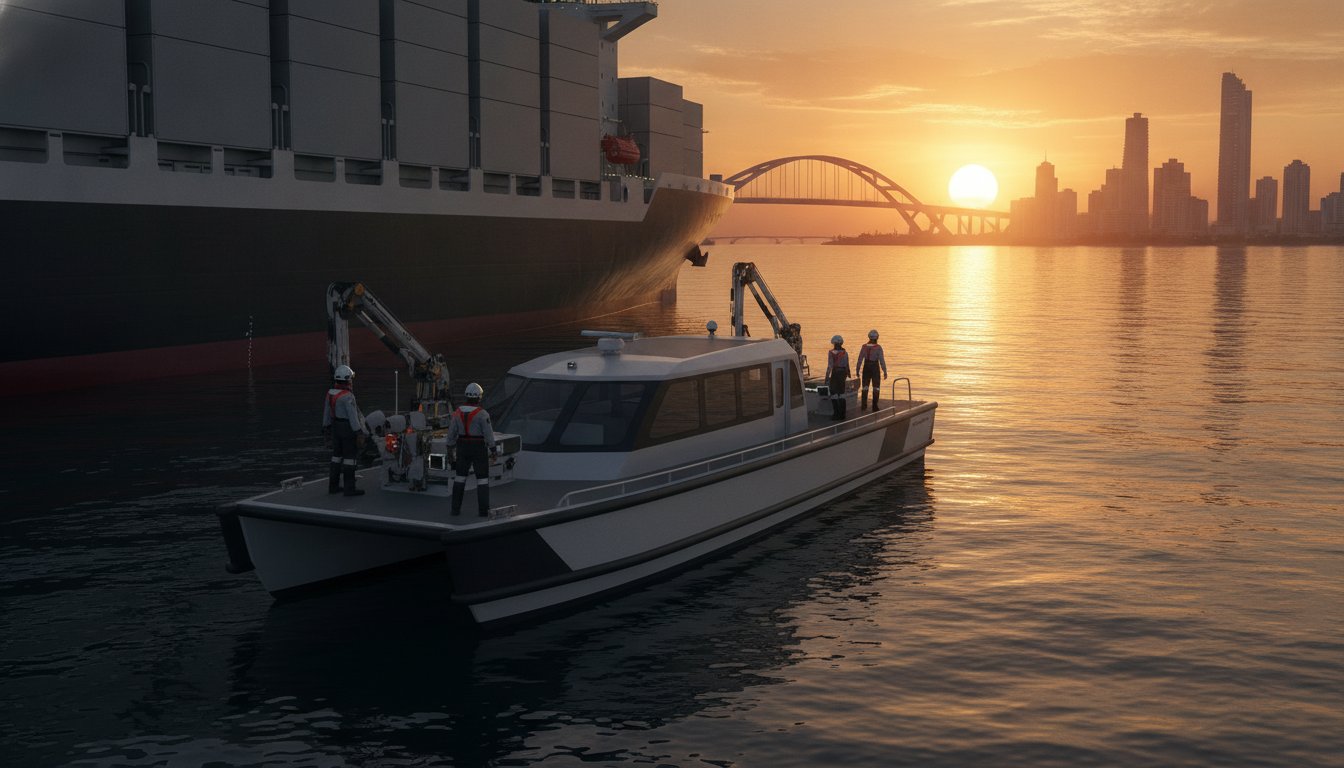
Delivering technical spares and provisions ‘at anchorage’ requires specialized launch boat logistics. We prioritize the clearance of ‘Ship Spares in Transit’ through customs to avoid port storage fees and delivery bottlenecks. Our approach to husbandry services is built around minimizing vessel idle time. By staging deliveries well before your vessel arrives, we ensure that as soon as the anchor drops, the launch is already on its way. This proactive oversight is how we eliminate the risk of logistical delays during your panama canal port call logistics execution, keeping your operational costs predictable and your schedules intact.
Mitigating Risks: Delays, Fines, and Contingencies
Operational risks in the Panama Canal zone are among the most expensive in the maritime world. A single oversight in your panama canal port call logistics can trigger a chain reaction of delays that compromise your entire schedule. Understanding the specific nature of these risks is the first step toward avoiding them. From technical failures during inspection to sudden shifts in canal congestion, the variables are numerous. We provide the local oversight needed to anticipate these hurdles before they impact your bottom line.
The financial consequences of a missed transit slot are severe. ACP booking penalties for cancellations can reach up to 250% of the initial fee. For a standard Neopanamax booking, which costs $100,000, the stakes couldn’t be higher. Beyond booking fees, admeasurement and inspection delays often occur when a vessel’s documentation doesn’t match its physical configuration. For example, the initial PC/UMS admeasurement fee is approximately $1,100, but the real cost lies in the lost time if a vessel must be re-measured due to discrepancies in its reported on-deck TEU capacity.
Managing Transit and Port Congestion
Congestion is an ever-present variable influenced by global trade routes and seasonal demand. To plan effectively, operators should analyze the ACP Panama annual report for insights into peak traffic periods and projected maintenance schedules. If you’re operating without a pre-booked slot, you may face auction premiums that have recently reached $4 million for priority transit. We help you navigate these periods of high demand by acting as your advocate on the ground, coordinating with port terminals to secure the best possible position for your vessel.
Avoiding Compliance-Related Fines
Compliance fines are often the result of preventable technical errors. Your vessel must meet specific equipment requirements, including properly functioning chocks and bitts, to avoid being turned away at the locks. A single error in reporting vessel dimensions or weight can result in immediate fines and the suspension of your transit. Engaging a protective agency provides an extra layer of financial security during these port calls. We verify every detail of your vessel’s status to ensure you remain fully compliant with all ACP regulations. To protect your interests and minimize operational risks, contact our team for professional ship agency services today.
Adimar Shipping, Inc.: Your Local Partner for Logistics Assurance
Success in Panama requires more than a standard checklist; it requires a physical presence that understands the daily rhythm of the waterway. Panama canal port call logistics are too intricate to manage from a distant office. You need a partner who acts as a vigilant, on-the-ground representative, guarding your vessel’s interests as if they were our own. Adimar Shipping, Inc. provides the local oversight necessary to navigate the intersection of ACP regulations and port terminal operations, ensuring your transit remains on schedule.
Our approach centers on proactive coordination. We don’t just process paperwork. We anticipate bottlenecks before they manifest as costly delays. By delegating these specialized tasks to our team, you gain the operational freedom to focus on your fleet’s broader objectives. Our deep roots in the region and specialized ship agency Panama expertise allow us to resolve local conflicts quickly. This dedication creates a sense of security that standard agencies simply can’t match.
Tailored Solutions for Owners and Charterers
We recognize that owners and charterers often have different priorities during a port call. As an owner’s nominated agency, Adimar Shipping, Inc. prioritizes the long-term safety and compliance of your asset. We maintain absolute transparency in port call accounting, providing detailed disbursement accounts (D/A) that reflect every service rendered. You’ll receive real-time reporting and vessel tracking updates, giving you total visibility into your vessel’s status throughout the entire panama canal port call logistics cycle.
Contact Us for a Seamless Port Call
Initiating expert representation for your next transit is a straightforward process. To provide a quick and accurate port call quote, we typically require your vessel’s latest particulars, estimated arrival time, and a list of required husbandry services. Whether you’re managing a Neopanamax container ship or a Panamax dry bulk carrier, we have the experience to handle your requirements with precision. Don’t leave your transit to chance in a volatile market. Partner with Adimar Shipping, Inc. today to secure your vessel’s place in the Canal with confidence and professional assurance.
Secure Your Next Transit with Expert Precision
Mastering panama canal port call logistics requires a blend of strict compliance and surgical timing. You’ve seen how the synchronization of husbandry services and the management of VUMPA requirements prevent costly transit delays. By prioritizing documentation accuracy and environmental readiness, you protect your vessel from the high-stakes penalties associated with missed slots. The complexity of the Canal zone doesn’t have to be a source of frustration for your operations team.
We provide the local vigilance necessary to turn these logistical challenges into a seamless maneuver. As an authorized PCSOPEP representative with expert local knowledge of both Balboa and Cristobal ports, our dedicated 24/7 coordination team acts as a vigilant extension of your own office. We ensure every detail is handled with the professional care your fleet deserves. Secure your Panama Canal port call logistics with Adimar Shipping and gain the peace of mind that comes with dependable regional expertise. We look forward to ensuring your next transit is a success.
Frequently Asked Questions
What is the difference between a port call and a canal transit in Panama?
A port call involves a vessel stopping at a designated anchorage or terminal to perform specific services like husbandry, crew changes, or technical repairs. In contrast, a canal transit is the actual movement of the vessel through the locks and the waterway from one ocean to the other. Effective panama canal port call logistics involve synchronizing these two events so that all service requirements are completed at the Balboa or Cristobal anchorages without delaying the assigned transit slot.
How far in advance should I appoint a ship agent for Panama port call logistics?
You should appoint a ship agent as soon as your voyage is planned, but at least 96 hours before arrival is mandatory to meet pre-arrival notification requirements. This lead time allows your agent to manage VUMPA submissions, verify compliance with ACP regulations, and coordinate local service providers. Early appointment is the best way to ensure that all documentation is cleared and husbandry needs are staged before your vessel reaches the breakwater.
Can I perform a crew change while my vessel is in the Panama Canal locks?
No, the Panama Canal Authority strictly prohibits crew changes or any personnel transfers while a vessel is within the locks or transiting the channel. These activities must be performed at the Pacific or Atlantic anchorages before the transit begins or after it concludes. We coordinate these movements at the anchorages using specialized launch services to ensure your crew rotations are handled safely and don’t interfere with your transit schedule.
What are the specific requirements for ‘Ship Spares in Transit’ in Panama?
Spare parts must be clearly manifested as ‘Ship Spares in Transit’ and must be accompanied by a commercial invoice and a packing list for customs clearance. These items are typically held in a bonded warehouse and delivered via launch boat once your vessel reaches the anchorage. Proper coordination ensures that spares are cleared by customs in advance, preventing delays that could arise if the parts aren’t ready for delivery during your vessel’s limited stay at anchor.
How do Panama Canal water levels affect port call logistics?
Fluctuating water levels in Gatun Lake can lead to draft restrictions that dictate the maximum depth at which a vessel can safely transit or berth. These restrictions may require you to adjust your cargo load or change your arrival draft, which directly impacts your panama canal port call logistics and toll calculations. We monitor these daily ACP updates to provide you with the necessary guidance to keep your vessel compliant and avoid last minute scheduling changes.
What is the role of VUMPA in the port call process?
VUMPA is the Panama Maritime Single Window, a digital platform that integrates the requirements of the ACP, the Panama Maritime Authority, and Customs into a single submission. It’s used to clear the vessel, crew, and cargo electronically before arrival. Your agent manages this interface to ensure all digital documentation is accurate and submitted within the required timelines, which is essential for a seamless transition from the port call to the canal transit.
Are there additional fees for husbandry services during a transit?
There are no additional ACP tariffs for performing husbandry services, but you’ll incur costs for the launch boats, technicians, and supplies coordinated by your agent at the anchorage. These services are performed while the vessel is stationary at anchor, not during the active movement through the locks. It’s vital to work with an agent who provides transparent accounting so you can see exactly how these service costs fit into your overall port call budget.
What happens if my vessel misses its scheduled transit slot due to a logistical delay?
Missing a scheduled slot triggers significant financial penalties and can result in your vessel being moved to the end of the transit queue. ACP booking penalties for cancellations or delays can reach up to 250% of the initial booking fee, and you may lose the priority you paid for. To avoid these risks, we act as your vigilant representative on the ground, ensuring that all logistical moving parts are perfectly timed to meet your pilot’s boarding window.