
A locally focused agency can be a practical alternative to a large shipping agent in Panama when a vessel’s call requires close coordination and clear updates. When assessing alternatives to large shipping agents in Panama, look beyond agency size: consider whether the agent can represent the appointing party’s interests and communicate reliably throughout the call.
A port call involves many moving parts, and unclear updates can complicate coordination for owners and charterers. Compare agency models by looking at representation, vessel updates, local experience, and the tools used to keep information moving.
Focus on the capabilities your vessel actually needs. The sections ahead explain how to assess an agency’s role, local coordination, and communication, and how a specialized ship agent can support a Panama Canal transit or port call.
Key Takeaways
- Assess an agency by how clearly it handles port-call representation and keeps vessel updates moving between the relevant parties.
- Look for Panama-specific experience and technology that supports timely, useful coordination rather than simply adding more communication channels.
- Match an agency’s operational focus to your vessel and cargo requirements, including container, bulk, tanker, or breakbulk calls.
- Understand how an owner’s or charterer’s nominated agency and related husbandry support can fit your port-call needs.
Port-call representation and vessel updates
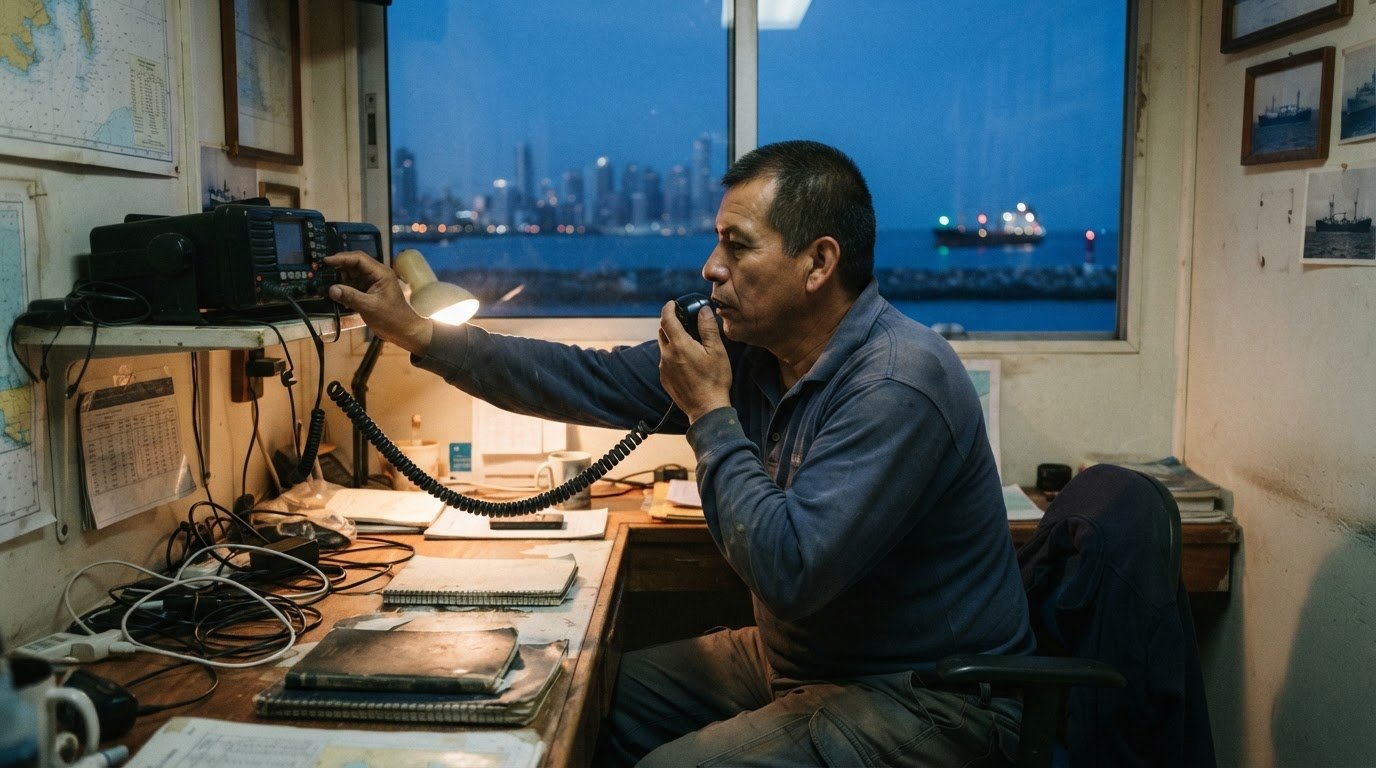
Port-call representation connects a vessel’s local requirements with the parties coordinating its arrival, port stay, and departure. In Panama, clear responsibility for each update helps owners and charterers track schedules, documentation, and operational decisions. Ask how the agent reports vessel status, who receives updates, and how changes are escalated.
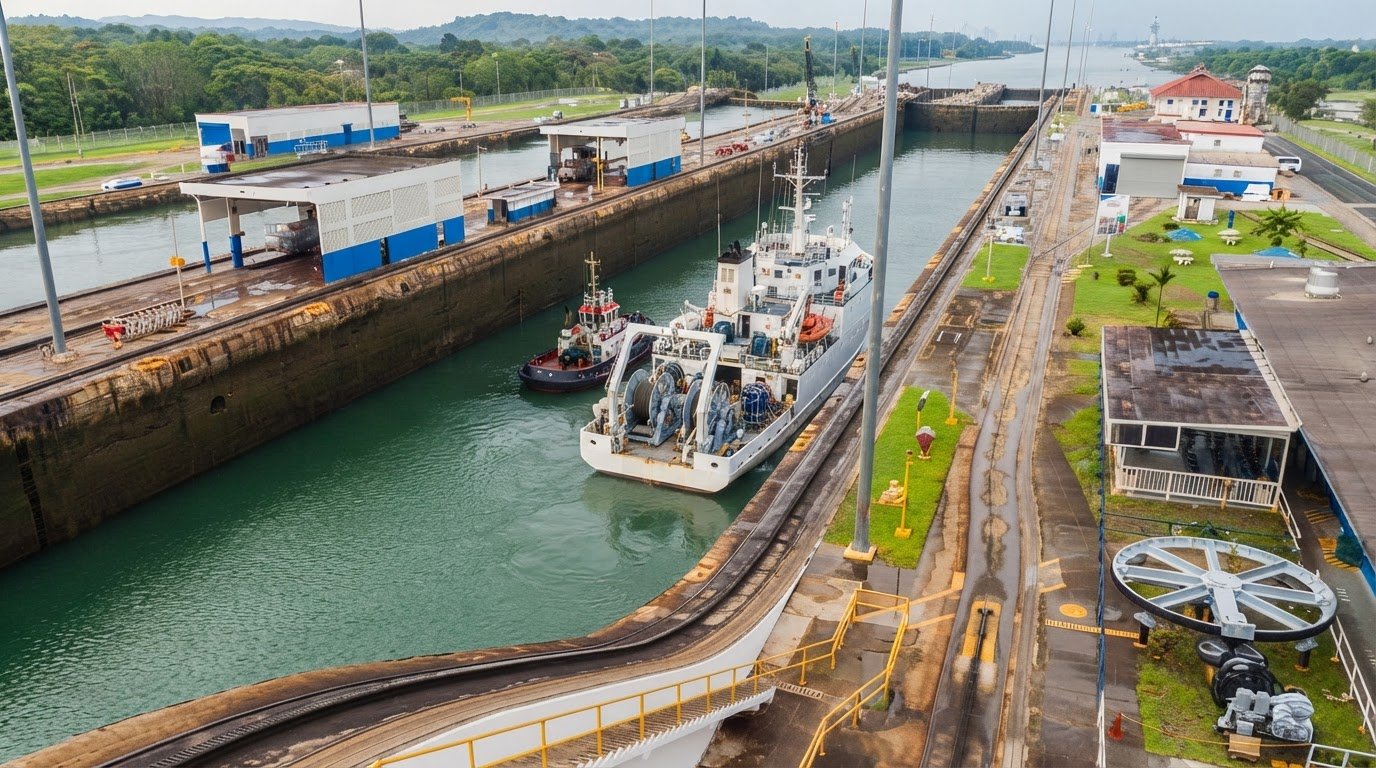
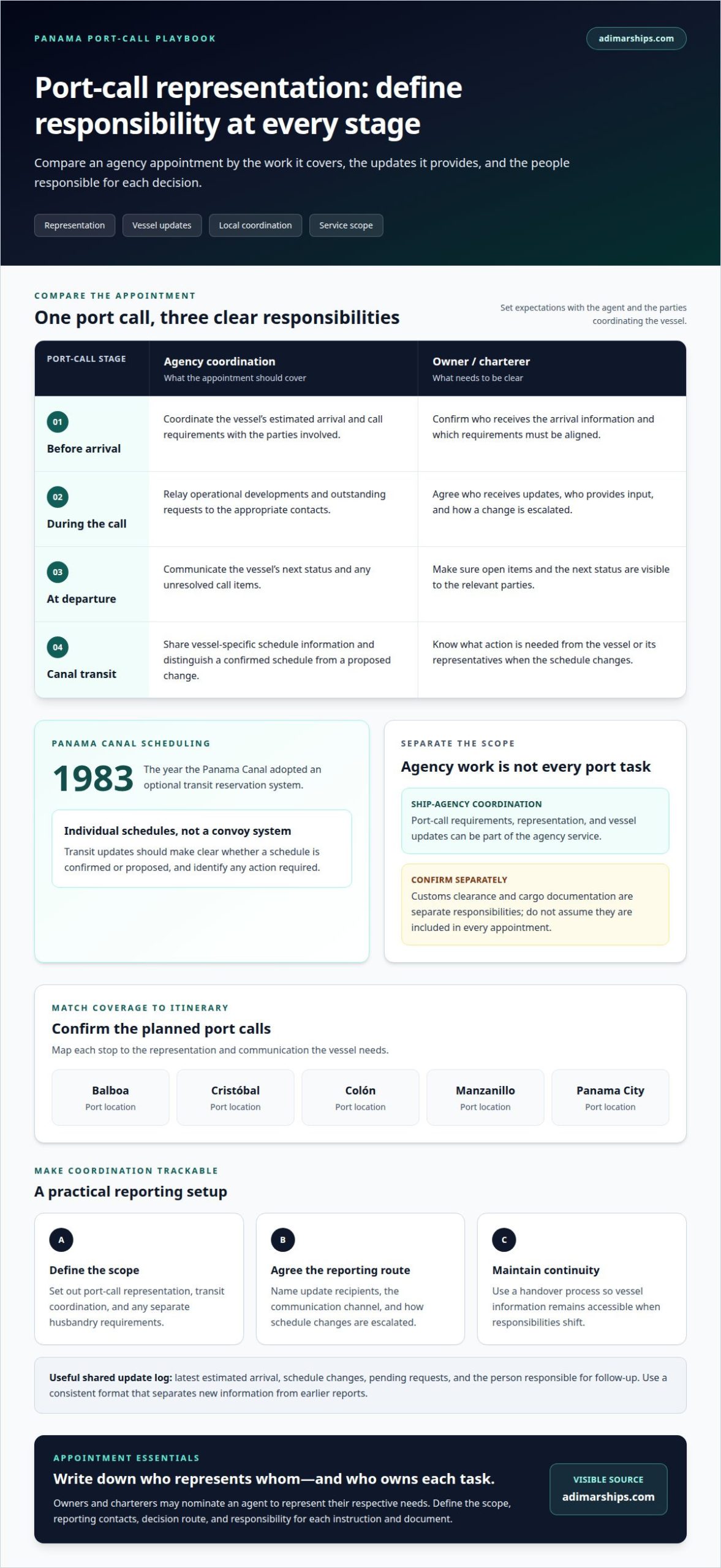
Panama Canal transits require attention to vessel-specific scheduling. The Panama Canal adopted an optional transit reservation system in 1983, and the canal uses individual transit schedules rather than a convoy system. An agent’s updates should therefore distinguish a confirmed schedule from a proposed change. They should also identify what action is needed from the vessel or its representatives.
- Before arrival: align the vessel’s estimated arrival and call requirements with the parties involved.
- During the call: relay operational developments and outstanding requests to the appropriate contacts.
- At departure: communicate the vessel’s next status and any unresolved call items.
Panama shipping agents differ in service scope, port coverage, and customer support. Compare whether the service covers port-call coordination, vessel updates, and husbandry needs, then assess how clearly the agent communicates with owners or charterers. Balboa, Cristobal, Manzanillo, and Colon are among the port locations to consider when matching coverage to a vessel’s itinerary.
The agent’s responsibilities depend on the appointment and the work involved. Distinguish ship-agency coordination from customs clearance and cargo documentation, which are separate responsibilities. For a Panama call, define who coordinates each task and what information must pass between the vessel, agent, and other involved parties.
Ship agency services can include coordinating port-call requirements and sharing vessel updates. Don’t assume customs clearance or cargo documentation is included in every appointment. Map the vessel’s call, identify who is responsible for each document, and agree on how status changes will be reported.
Agency experience and technology
To appoint a Panama ship agent, define the vessel’s requirements, the scope of representation, and the reporting route. Specify who coordinates each task, receives transit updates, and communicates decisions when the schedule changes.
Local experience matters when a vessel’s itinerary must be coordinated with port and canal requirements. A call involving Balboa and a Panama Canal transit, for example, requires clear handoffs between the vessel’s representatives and the parties managing each stage. Confirm the agent’s role in that process and agree on updates that give the operator actionable information.
Technology is useful when it makes status and responsibilities easier to track. A shared update log can capture the latest estimated arrival, schedule changes, pending requests, and the person responsible for follow-up. Use an agreed channel to distribute updates, with a consistent format that separates new information from earlier reports.
- Scope: define port-call representation, transit coordination, and any separate husbandry requirements.
- Reporting: agree on update recipients, communication channels, and how schedule changes are escalated.
- Continuity: establish a handover process so vessel information remains accessible when responsibilities shift.
Risks with a smaller agency can include unclear task ownership, limited continuity between contacts, or updates that don’t reach every decision-maker. Reduce those risks through a written scope, a named escalation contact, and a consistent reporting process for the Balboa call or other Panama port activity.
Before appointing an agent, align its responsibilities with the owner’s or operator’s requirements and applicable Panama maritime obligations. A clear appointment identifies who handles each instruction and document, without assuming that one agency covers every service.
For a Panama transit, consider local ship agency coordination as part of the appointment plan, with responsibilities and reporting expectations defined from the outset.
Which independent or smaller shipping agencies in Panama offer alternatives to large shipping agents?
For operators weighing alternatives to large shipping agents in Panama, size is only one factor. The key question is whether the agency’s services fit the vessel’s itinerary, representation needs, and coordination requirements. Compare the support required for the actual call, not just a broad claim of Panama coverage.
Start with the route. Panama’s ports include Balboa, Colón, Panama City, Manzanillo, and Cristóbal. A vessel calling at Balboa before a Panama Canal transit has different coordination needs from one calling at Manzanillo. Map each planned stop to clarify the representation and communication required.
Next, define whose interests the appointment represents. Owners and charterers can nominate an agent to represent their respective needs. Before the appointment begins, set out the scope, reporting contacts, and decision-making route. This makes comparisons more relevant to the vessel’s operation than agency size alone.
- Port fit: identify the planned calls, such as Balboa, Cristóbal, or Colón.
- Representation: specify whether the appointment serves the owner or charterer.
- Coordination: define how vessel updates and operational requests move between parties.
- Scope: distinguish ship agency representation from separate tasks, including cargo documentation.
For example, a charterer arranging a Colón call can specify who receives operational updates and which decisions need its input. An owner planning a Panama Canal transit can define how schedule changes should be reported. These details help establish whether an agency’s role matches the appointment.
The right alternative to a large shipping agent in Panama is one whose defined responsibilities fit the vessel’s call and the appointing party’s needs. A clear scope, relevant coverage, and an agreed communication process provide a practical basis for comparing agencies, without assuming every provider performs the same role.
Vessel scale can also inform the scope discussion. The Taiwan-owned vessel Ever Max, which transited the Panama Canal, had a capacity of over 8,650 containers. That example underscores why an appointment should establish the communication and operational responsibilities needed for the specific call, instead of relying on a general label such as independent or large. The relevant comparison remains the agency’s defined coverage and fit with the appointing party’s requirements.
Which Panama shipping agents specialize in container, bulk, tanker, or breakbulk cargo?
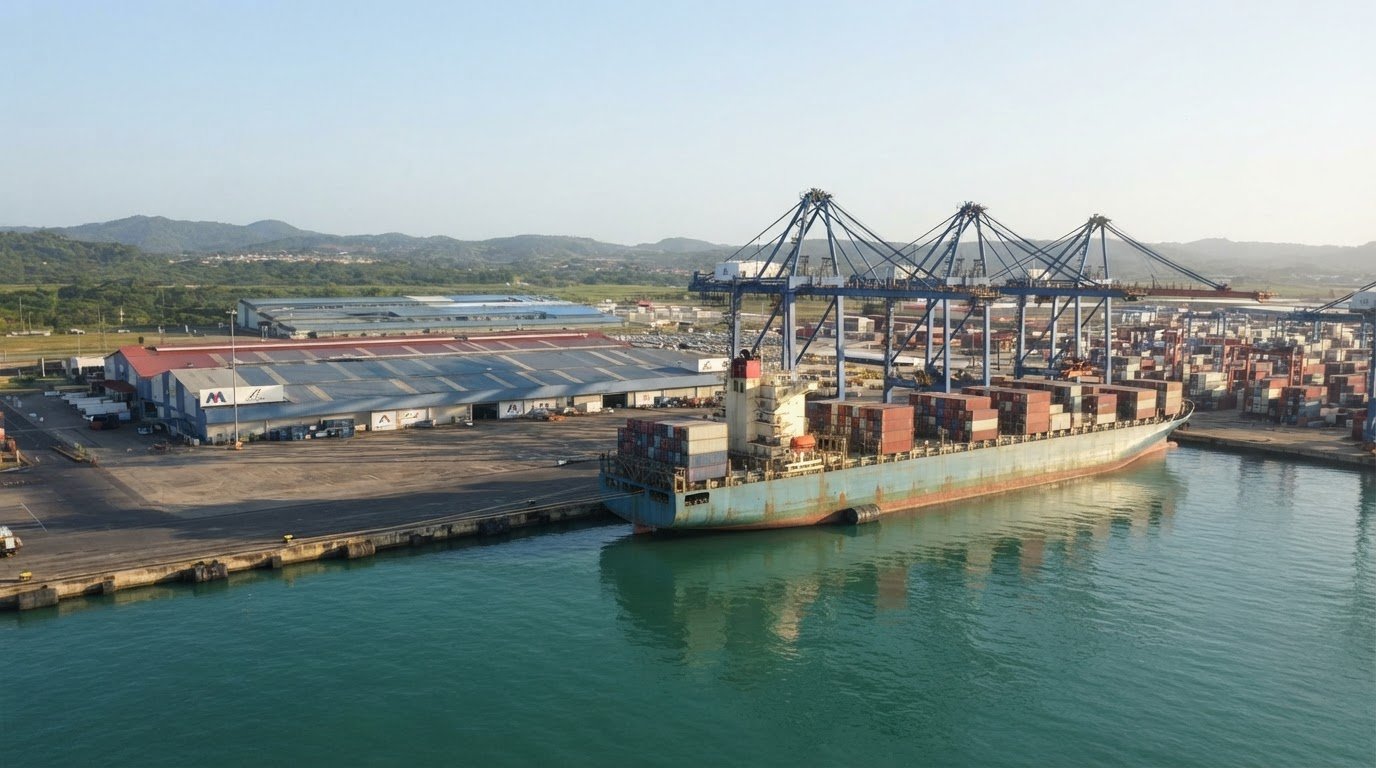
Cargo type helps define an agency’s operational fit, but it doesn’t establish which Panama agents specialize in each category. For a container vessel, the appointment may need to align port-call representation with its transit schedule. Bulk, tanker, and breakbulk calls can have different vessel and voyage requirements, so define the needed coordination rather than assuming every agent covers every cargo type.
Panama Canal vessel dimensions also matter for container operations. Panamax ships can carry up to 5,000 TEUs, while Neo-Panamax ships can carry up to 14,000 TEUs. The largest container ships, with capacities over 20,000 TEUs, do not fit through the canal. These distinctions help frame the vessel’s transit requirements, not identify a particular agent.
For a bulk carrier or tanker, start with the vessel’s itinerary and the representation required. Specify the port call, the owner’s or charterer’s role, and the operational updates needed. Assess a tanker call against its specific requirements rather than treating it as interchangeable with a container call.
- Container: match agency coordination to the vessel’s port call and canal transit.
- Bulk: define the vessel and voyage requirements covered by the appointment.
- Tanker: clarify the representation and communications needed for the call.
- Breakbulk: identify the port-call coordination required for that vessel’s operation.
Compare agencies by their stated scope, relevant vessel experience, coverage, and reporting process. A clear account of experience with a vessel or cargo category is more useful than a broad claim of specialization. Keep cargo handling and documentation separate from ship-agency representation unless the appointment assigns those responsibilities.
For an upcoming Panama call, align the vessel type, port, and representation requirements before appointing an agent. Discuss Panama vessel representation in relation to the call’s operational needs.
Coordination can also involve transit-slot options: the Panama Canal Authority set January 1, 2025, as the effective date for slot substitution and swapping between container vessels belonging to members of a Cooperative Working Agreement. A transit may require contingency planning too; on one Panama Canal transit, the vessel Ever Max had to off-load 700 containers and move them by rail to Panama’s Atlantic coast. These cases reinforce the value of confirming the scope before appointment.
Adimar Shipping, Inc.: Ship Agency Services
Adimar Shipping, Inc. provides Ship Agency Services for vessel calls and Panama Canal transits centered in Panama City, coordinating local requirements for ship owners and charterers. The service supports clear communication and practical coordination throughout the vessel’s passage.
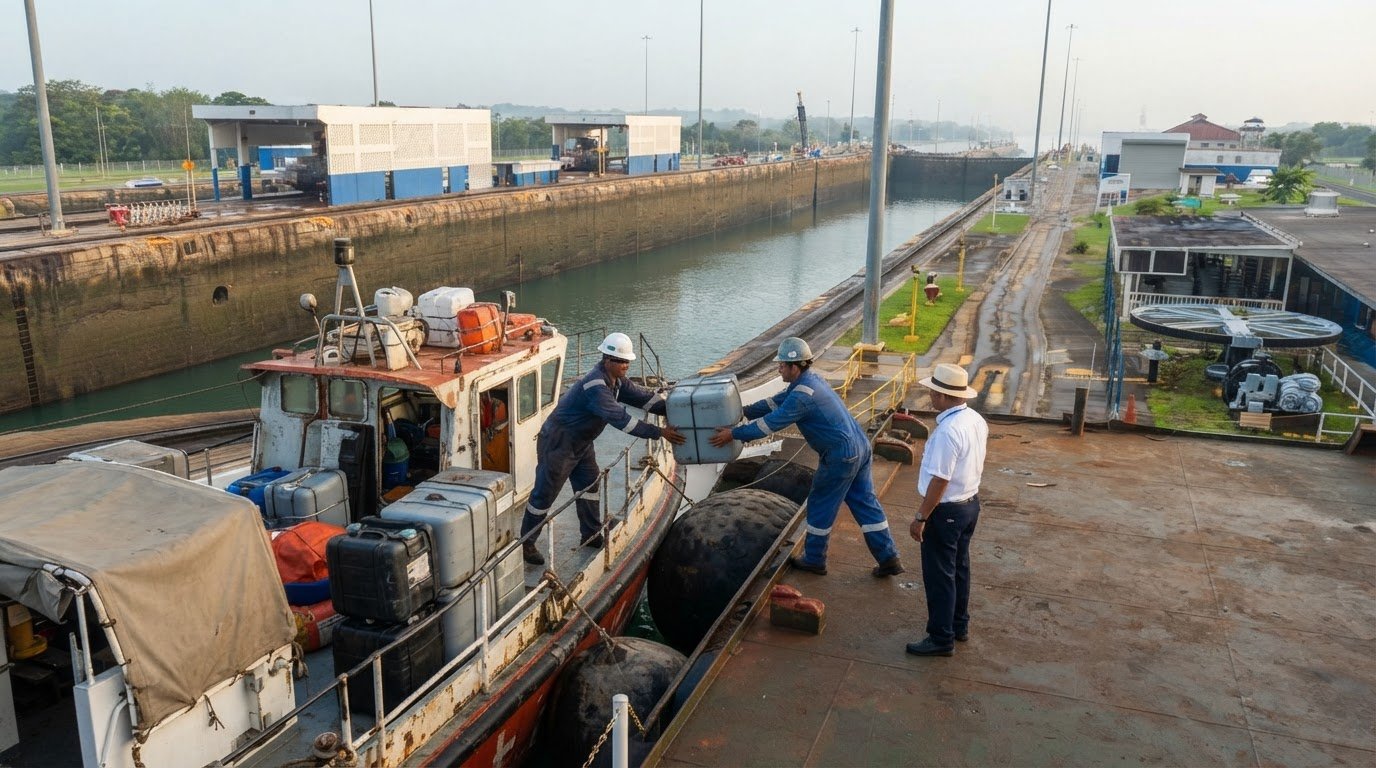
Owners can appoint Adimar Shipping, Inc. through Owner’s Nominated Agency, and charterers can use Charterer’s Nominated Agency for their representation needs in Panama City. Husbandry Services support additional vessel and crew requirements during a port call. These services align agency support with the appointing party’s role and the vessel’s operational needs.
For an upcoming Panama City call, contact Adimar Shipping, Inc. for local agency coordination, representation, vessel updates, or husbandry services. Share the vessel’s itinerary and the support required to discuss the appointment.
Contact Adimar Shipping, Inc. to discuss your vessel’s port-call requirements.
Set Up Your Next Panama Port Call
Make the next step a clear agency brief. Set out the vessel’s itinerary, who needs representation, and the operational priorities for the call. This gives the appointment a practical foundation and keeps coordination focused on the vessel’s actual needs.
For operators assessing alternatives to large shipping agents in Panama, the decision comes down to fit: representation scope, communication, and the support the call requires. Adimar Shipping, Inc. provides Ship Agency Services, including Owner’s Nominated Agency and Charterer’s Nominated Agency, so owners and charterers can define representation around their respective roles.
Share your port-call requirements with Adimar Shipping, Inc. to discuss how its agency services can support the vessel’s planned call and your operational priorities.
Contact Adimar Shipping, Inc. to discuss your Panama port call and take the next step with confidence.