
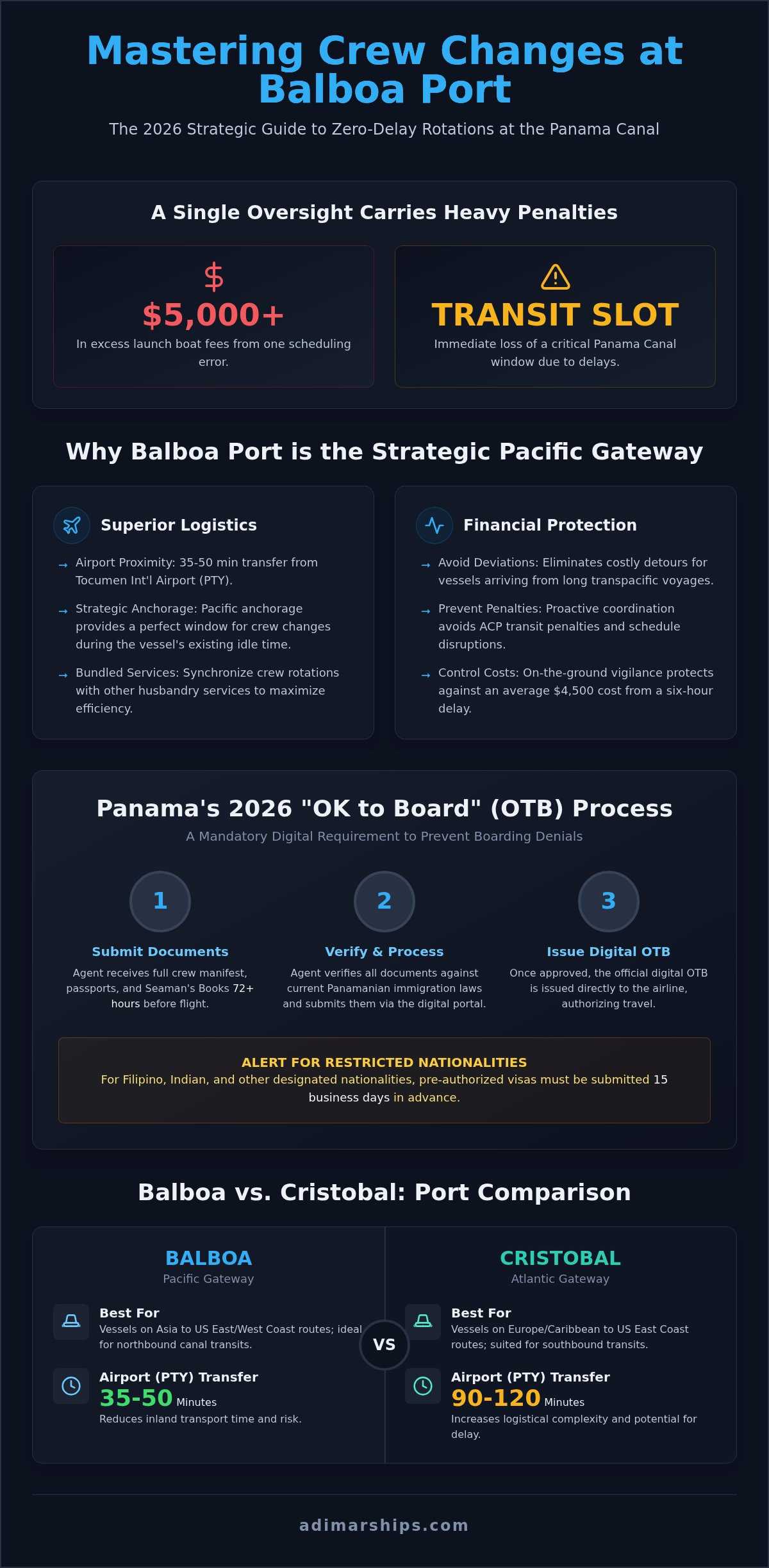
A single scheduling oversight during a crew change balboa port can result in a $5,000 increase in launch boat fees and the immediate loss of a critical Panama Canal transit slot. In the fast-paced maritime environment of 2026, there’s no margin for error when coordinating seafarer rotations at the Pacific entrance. We recognize that ship operators face immense pressure from shifting ACP schedules, complex immigration requirements for restricted nationalities, and the constant threat of unexpected costs. It’s a logistical puzzle that demands local vigilance and a proactive approach to prevent your vessel from falling behind schedule.
By following this strategic guide, you’ll learn how to master the logistical, regulatory, and timing complexities of Balboa Port to ensure your vessel never misses a transit window. We provide a clear roadmap for navigating the National Immigration Service’s digital portal; we also explain how to synchronize husbandry services to achieve a zero-delay transit integration. From securing digital “OK to Board” authorizations to managing transparent disbursement accounts, this article prepares you to execute safe and efficient seafarer repatriations every time.
Key Takeaways
- Understand why Balboa Port is the preferred Pacific gateway for 2026 rotations and how anchorage positioning affects your ACP transit slot.
- Master the latest immigration requirements, including the mandatory “OK to Board” (OTB) digital authorization and 2026 seafarer visa protocols.
- Optimize your logistics by coordinating Tocumen International Airport transfers with vessel ETAs to ensure a zero-delay crew change balboa port.
- Evaluate the geographic advantages of Balboa versus Cristobal to minimize inland transport time and reduce vessel off-hire risks.
- Learn how local vigilance and specialized husbandry services protect ship owners from unexpected launch fees and regulatory penalties.
The Strategic Role of Balboa Port for 2026 Crew Logistics
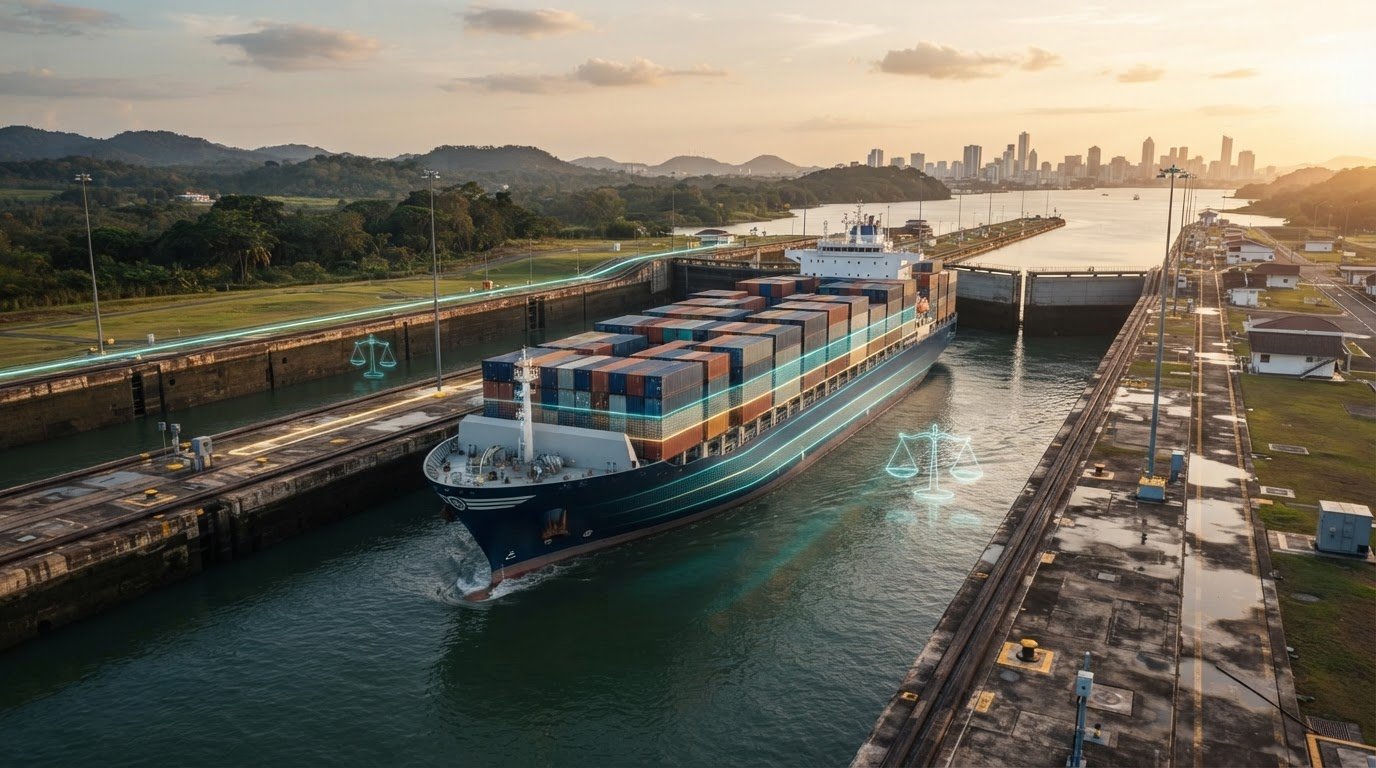
Balboa Port stands as the critical Pacific gateway for global maritime trade. For vessels transiting between Asia and the US East Coast, or those heading toward the US West Coast, executing a crew change balboa port is often the most logistically sound decision. In 2026, with the Panama Canal averaging 36 daily transits, the Pacific entrance has become a high-stakes environment where timing is everything. Understanding the History of the Port of Balboa reveals its evolution from a simple canal terminal into a sophisticated logistics hub designed to handle modern vessel requirements.
Choosing the Pacific side allows operators to bundle rotations with other essential husbandry services. This synchronization is vital for maintaining a smooth Panama Canal transit. Since vessels often wait at the Pacific anchorage before their northbound slot, this window provides the perfect opportunity to rotate personnel without adding extra days to the voyage. For ships coming from Asia, Balboa represents the first opportunity for crew relief after a long transpacific crossing. Planning a crew change balboa port during this staging period effectively eliminates the need for costly deviations to other regional ports.
Connectivity and Infrastructure
The port’s proximity to Tocumen International Airport (PTY) is a primary advantage. Most transfers take between 35 and 50 minutes, ensuring seafarers spend less than four hours in total transit time from the airport to the pier. Panama City also offers world-class medical facilities and specialized hotels that cater specifically to maritime professionals. The Balboa anchorage serves as the strategic “waiting room” for Pacific-bound transits, allowing vessels to stage for their scheduled slot while completing essential husbandry tasks.
The Financial Risk of Poor Timing
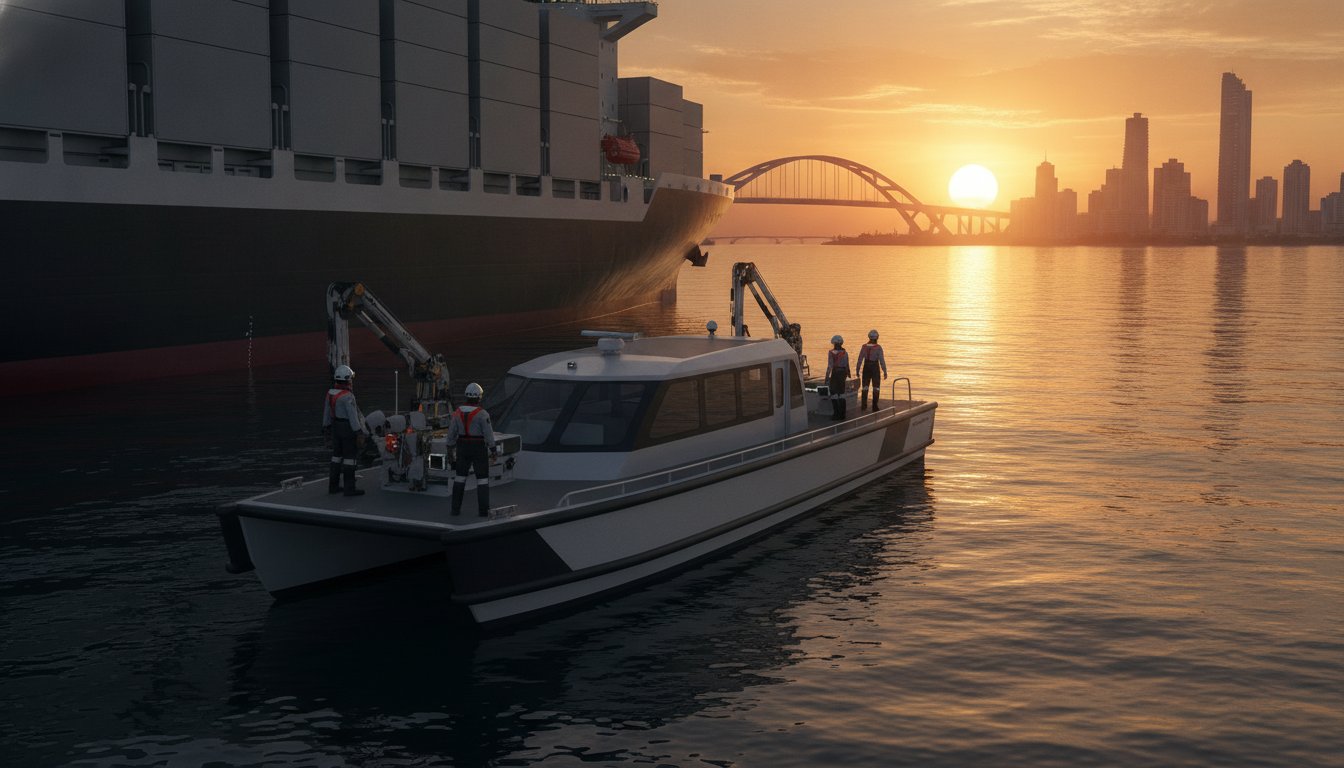
Operational delays carry heavy penalties in the 2026 season. A mere four-hour delay in launch boat arrival can trigger ACP transit penalties or even cause a vessel to lose its scheduled window entirely. Anchorage congestion often complicates crew boat scheduling, making real-time coordination essential. We provide the local vigilance required to monitor pier availability and launch movements constantly. This on-the-ground oversight ensures that crew rotations happen during the vessel’s existing idle time, protecting the owner’s bottom line from the average $4,500 cost associated with a six-hour delay. Our proactive approach ensures that your vessel remains on schedule while personnel are safely and efficiently repatriated.
Navigating Panama’s Immigration: OTB and Seafarer Visa Protocols
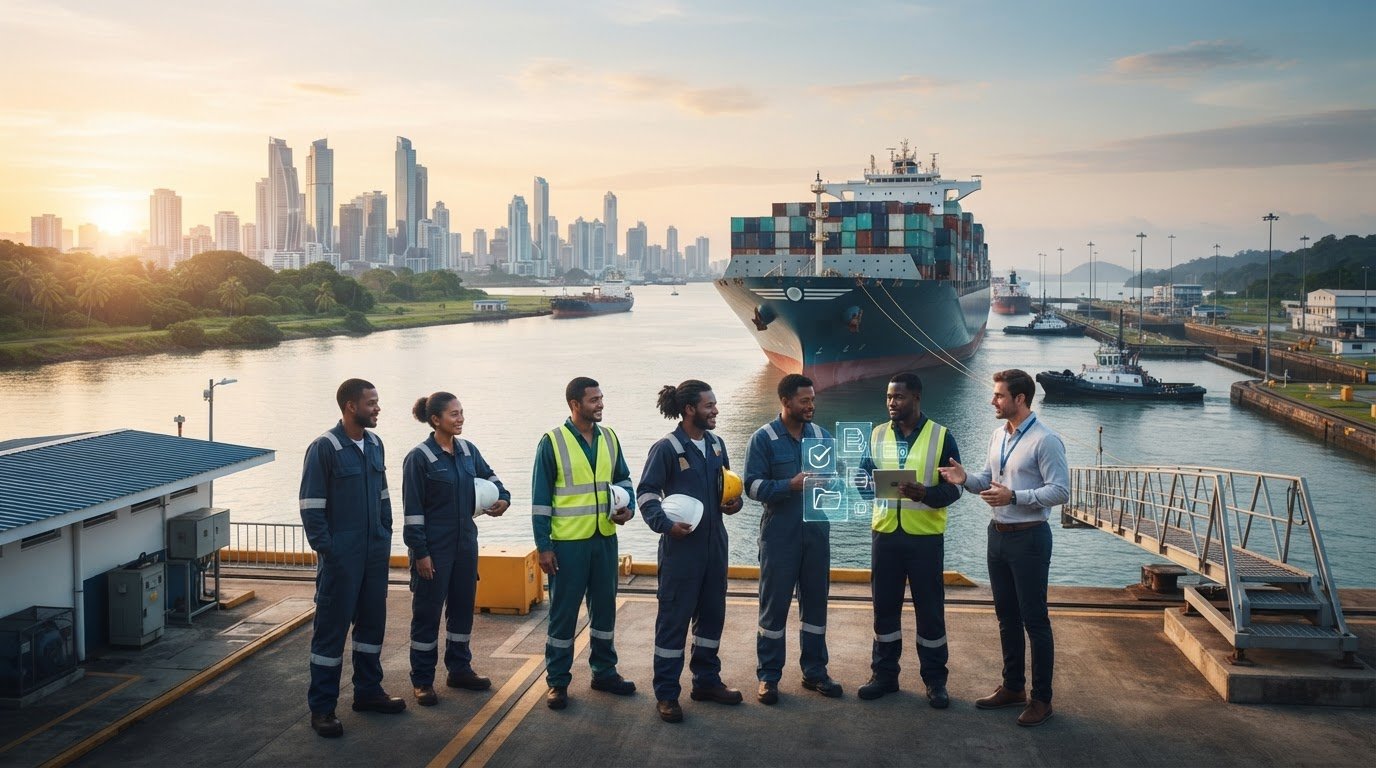
Panama’s immigration landscape has evolved significantly. In 2026, the National Immigration Service enforces strict protocols that require proactive coordination to avoid boarding denials or vessel delays. A successful crew change balboa port depends on more than just flight bookings; it requires a deep understanding of the current legal framework. As your ship agency Panama, we manage the intricate interface between vessel operators and the Panama Maritime Authority regulations to ensure every seafarer’s documentation is flawless before they even reach the airport.
The 2026 “Ok to Board” (OTB) Process
The “Ok to Board” authorization is now a mandatory digital requirement for all seafarers entering Panama by air. This process is especially critical for “Restricted Nationalities,” such as Filipino and Indian nationals, who must have pre-authorized visas submitted 15 business days before arrival. The process follows three essential steps:
- Step 1: Submit the full crew manifest to your local agent at least 72 hours prior to flight departure.
- Step 2: The agent verifies Seaman’s Books, passports, and transit visas against current Panamanian entry requirements.
- Step 3: Once approved, the agent issues the digital OTB confirmation directly to the airline.
Without this authorization, airlines will deny boarding at the point of origin. This leads to cascading logistical failures and increased costs for the ship owner. We act as your vigilant eyes, ensuring these digital hurdles are cleared well in advance of the crew’s travel dates.
Essential Documentation for Zero-Delay Clearance
Efficiency at the pier starts with the Letter of Guarantee (LOG). This document serves as a formal commitment from the agent to the Panamanian government, covering all repatriation costs and legal liabilities. For a crew change balboa port to proceed without friction, the LOG must be filed correctly through the National Immigration Service’s portal. Every detail must match the seafarer’s passport exactly to avoid rejection at the immigration booth.
Security protocols also play a major role in 2026. The ISPS Code dictates how crew members move through restricted port zones, requiring pre-cleared shore passes and authorized transport. We interface directly with the Maritime Authority to secure these passes, ensuring seafarers aren’t left waiting at the pier after a long flight. The Seafarer Identity Document (SID) facilitates smoother processing by providing a globally recognized biometric standard for Panamanian immigration officials.
Managing a diverse crew mix, including Eastern European and Asian nationals, requires constant vigilance. Each nationality has distinct requirements that can change with little notice. If you’re unsure about the latest visa requirements for your upcoming rotation, reaching out to an experienced partner at adimarships.com can clarify these complexities before they become operational hurdles.
Balboa vs. Cristobal: Choosing the Right Side for Your Rotation
Deciding where to perform a crew rotation is a strategic choice that impacts both your budget and your timeline. While some operators treat the two ends of the Isthmus as interchangeable, the logistical reality in 2026 says otherwise. A crew change balboa port is typically the default for Northbound transits. This allows the vessel to complete rotations while waiting at the Pacific anchorage, minimizing the risk of missing an ACP slot. Southbound vessels coming from the US East Coast or Europe may consider the Atlantic side, but they must weigh the increased inland transport costs against their transit schedule.
Transport efficiency varies significantly between the two ports. Balboa is just 35 to 50 minutes from Tocumen International Airport (PTY). In contrast, Cristobal requires a 90-minute journey across the Isthmus. This difference isn’t just about time; it’s about the bottom line. Transferring crew to the Atlantic side typically adds $100 to $150 in additional transport fees per trip. Weather also plays a role in your decision. While Balboa occasionally faces long-period swells that can challenge launch operations, the Caribbean side is prone to sudden squalls that disrupt boat schedules with little warning. Integrating your rotation with broader husbandry services ensures that these environmental factors don’t derail your operational efficiency.
The Balboa Anchorage Advantage
Balboa serves as Panama’s primary maritime logistics hub. Its proximity to the capital provides immediate access to specialized suppliers and technical service providers. For crew arriving from the Americas, the Pacific side offers the fastest turnaround possible. We also prioritize Balboa for “Cash to Master” (CTM) deliveries. The secure environment and established banking infrastructure in Panama City make it the safest location for handling high-value transfers during a crew change balboa port. It’s about more than just convenience; it’s about security and speed.
When to Prioritize Cristobal
There are specific scenarios where the Atlantic side is the superior choice. If your vessel is arriving from Europe and is not transiting the entire canal, Cristobal is the logical stop. It’s also an effective “pressure valve” during periods of extreme Pacific anchorage congestion. While the Colon infrastructure is more industrial and less connected than Panama City, it remains a robust option for vessels that need to avoid high-traffic Pacific staging areas. We maintain local vigilance at both ends to ensure your interests are protected regardless of which port you choose.
Zero-Delay Logistics: From Tocumen Airport to the Vessel Deck
Executing a crew change balboa port requires a level of precision that global aggregators often fail to provide. Success depends on the perfect alignment of flight arrivals at Tocumen International Airport (PTY) with the vessel’s ETA at the Pacific anchorage. In the high-traffic 2026 season, even a minor delay in the transport chain can ripple through the schedule, potentially causing the vessel to miss its ACP transit slot. We act as your local office, managing every variable to protect your timeline and ensure your vessel remains on hire.
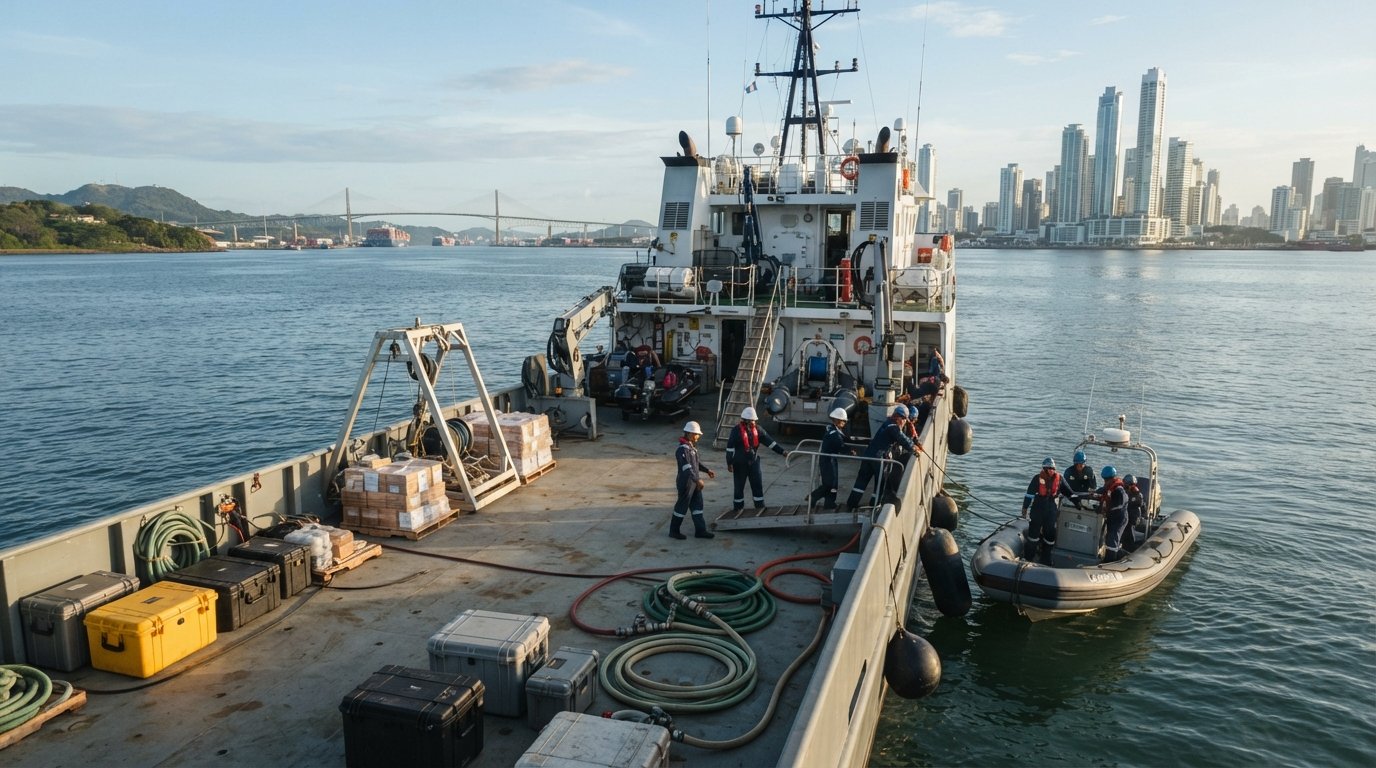
Acting as an Owner’s Nominated Agency allows us to prioritize your interests over those of the charterer. This role is especially critical when bundling rotations with other husbandry tasks. By delivering spare parts and provisions alongside the crew, we significantly reduce launch boat expenses. Constant communication between the Master, our local agents, and your crewing office ensures that all parties are synchronized. This proactive dialogue prevents the “vessel waiting” or “crew waiting” scenarios that drain budgets and frustrate personnel.
The “Meet and Greet” and Transport Chain
We ensure seafarer safety through a network of professional, vetted transport providers. Our agents meet arriving crew at the PTY terminal, guiding them through the immigration process and directly to the waiting transport. This transition from the airport terminal to the pier gate is handled with absolute care, maintaining a secure chain of custody throughout the 35 to 50-minute journey. Integrating “Cash to Master” (CTM) deliveries directly into the crew rotation workflow ensures that essential funds reach the vessel alongside arriving personnel, maximizing the utility of every launch trip.
Contingency Planning for 2026 Disruptions
Global travel remains unpredictable. Last-minute flight cancellations can threaten a ship’s transit window if not managed with local expertise. We maintain strong partnerships with local hotels in Panama City to provide immediate accommodation for crew members in transit. If a flight is delayed, we adjust the launch schedule in real-time to prevent the vessel from incurring idle time penalties. Through constant status reporting, we keep you informed of every movement, providing the peace of mind that comes from having vigilant eyes on the ground. For expert coordination that eliminates operational friction, consider partnering with us at Adimar Shipping.
Adimar Shipping: Your Vigilant Partner for Balboa Port Operations
Adimar Shipping, Inc. acts as your local office in Panama, providing the ground-level oversight that global aggregators simply cannot match. While large corporations rely on standardized scripts and remote coordination, we prioritize personal vigilance. We understand that a crew change balboa port isn’t just a line item on a spreadsheet; it’s a high-stakes logistical operation where every minute impacts your bottom line. Our role is to serve as your “vigilant eyes,” protecting your interests against local inefficiencies and ensuring that every dollar spent is accounted for through transparent disbursement accounting.
Compliance is a cornerstone of our service. As a PCSOPEP authorized person, we bring an additional layer of technical expertise to your transit. This ensures that your vessel remains in full compliance with environmental and safety regulations while we manage your personnel rotations. We hold ourselves to the highest ethical standards, ensuring that vendor management is clean, efficient, and focused solely on the owner’s benefit. By delegating these complex tasks to a specialist, you gain the operational freedom to focus on your core maritime business.
A Proactive Approach to Husbandry
We eliminate hidden bottlenecks by identifying risks before they manifest as delays. If a launch boat is delayed or a pier becomes congested, our team is already on-site to negotiate a solution. You gain direct access to decision-makers who understand the urgency of a maritime crisis. This level of personalized service is what allows us to simplify the complex Panama Canal Authority (ACP) regulations for our clients. We translate these rules into actionable steps that keep your ship moving and your crew safe.
Appointing Adimar Shipping, Inc. for Your Next Rotation
Integrating our expertise into your next voyage is a straightforward process. We provide a comprehensive documentation checklist tailored to the 2026 regulatory environment, ensuring your crew change balboa port is prepared well in advance. From the initial OTB authorization to the final repatriation, we handle the heavy lifting so your crewing office doesn’t have to navigate Panamanian bureaucracy alone. Our history of stability and local knowledge makes us the dependable choice for owners who value reliability.
To secure zero-delay coordination and professional husbandry services, contact Adimar Shipping, Inc. to coordinate your next crew change in Panama. We are ready to serve as your trusted representative at the Pacific entrance.
Securing Your 2026 Transit Efficiency
Executing a seamless crew change balboa port in 2026 requires more than just logistical planning; it demands constant vigilance on the ground. We’ve explored how precision timing at the Pacific anchorage prevents costly ACP transit delays and protects your voyage schedule. You also understand the necessity of mastering the latest OTB digital authorizations and seafarer visa protocols to ensure zero-delay repatriations for your team.
As a specialized Panama Canal ships agent and authorized PCSOPEP representative, Adimar Shipping provides the 24/7 local vigilance at Balboa and Cristobal that your vessel requires. We serve as your local office, shielding your operation from unexpected launch fees and complex regulatory hurdles. Delegating these specialized tasks to a trusted partner ensures your vessel remains on hire and your crew remains safe. Our deep local knowledge provides the peace of mind that global aggregators cannot offer.
Don’t leave your next rotation to chance. Appoint Adimar Shipping for your next Panama Canal Crew Change to experience the security of having an expert partner in your corner. We’re ready to help you navigate every mile of the Panama corridor with absolute confidence.
Frequently Asked Questions
Can I perform a crew change while the vessel is transiting the Panama Canal locks?
No, crew changes are strictly prohibited while a vessel is actively transiting the Panama Canal locks. All personnel transfers must occur at designated anchorages, such as the Balboa anchorage on the Pacific side. Attempting a rotation during transit violates ACP safety regulations and can lead to severe penalties or transit suspension. We coordinate your crew change balboa port before the vessel enters the canal to ensure compliance and maintain your scheduled transit window.
What are the 2026 visa requirements for Filipino or Indian seafarers in Panama?
Seafarers from restricted nationalities, including Filipino and Indian nationals, must obtain a pre-authorized visa from the National Immigration Service. Application materials should be submitted through your agent at least 15 business days before the vessel’s arrival. This process includes the submission of valid Seaman’s Books and employment contracts. We manage these submissions digitally to ensure all personnel have the necessary legal clearance before they reach the Panamanian border.
How much lead time does a ship agent need for a Balboa crew change?
We generally require a minimum lead time of 72 hours for standard pre-arrival notifications to Panamanian authorities. However, if your rotation involves restricted nationalities, you should begin the process at least 15 business days in advance to secure the necessary visas. Early notification allows us to synchronize launch boat schedules with the vessel’s ETA, minimizing idle time. Providing digital copies of all passports and Seaman’s Books early helps prevent last-minute documentation hurdles.
What is the “Ok to Board” (OTB) and why is it mandatory for Panama?
The “Ok to Board” (OTB) is a mandatory electronic document issued by your local ship agent to confirm that a seafarer has met all Panamanian immigration requirements. Airlines will deny boarding at the point of origin without this digital authorization. It serves as a verification step that ensures the seafarer has a valid visa, Letter of Guarantee, and medical clearance. We issue these authorizations promptly to prevent costly travel disruptions and ensure a smooth crew change balboa port.
Is shore leave currently permitted for crew at Balboa Port in 2026?
Shore leave is permitted at Balboa Port in 2026, provided that the vessel and crew follow all ISPS Code security protocols. Crew members must have a valid shore pass issued through the Panama Maritime Authority and must use vetted, agent-provided transport. While permitted, leave is often restricted by the vessel’s short stay at the anchorage. We coordinate the necessary permits and secure transport to help crew members maximize their limited time safely.
Can my agent deliver “Cash to Master” (CTM) during the crew change operation?
Yes, delivering “Cash to Master” (CTM) is a standard husbandry service that we frequently bundle with crew rotations. Delivering CTM during the launch boat trip for a crew change is a cost-effective way to manage vessel finances without ordering additional boat trips. We ensure secure handling and transparent accounting for all funds. This integration allows the Master to receive essential operational cash while new personnel are boarding, optimizing the efficiency of the vessel’s anchorage time.
What happens if the crew’s flight is delayed and the vessel has an ACP transit slot?
If a flight delay occurs, the vessel’s ACP transit slot remains the priority and the ship will proceed with its transit as scheduled. We immediately activate contingency plans, which include arranging local hotel accommodations and meals for the delayed crew members. Once the crew arrives, we coordinate a new launch boat schedule to meet the vessel at the opposite end of the canal. This proactive management prevents the owner from losing a critical transit window.
Are there specific medical or vaccination requirements for seafarers entering Panama in 2026?
In 2026, all seafarers entering Panama must present a digital WHO-approved medical certificate. Additionally, vaccination records must be synchronized with the Panama Ministry of Health (MINSA) digital platform prior to arrival. These requirements are part of the “Key Worker” designation protocols that simplify movement for maritime personnel. We verify all medical documentation during the OTB process to ensure that your crew meets all current health regulations before they depart their home country.