
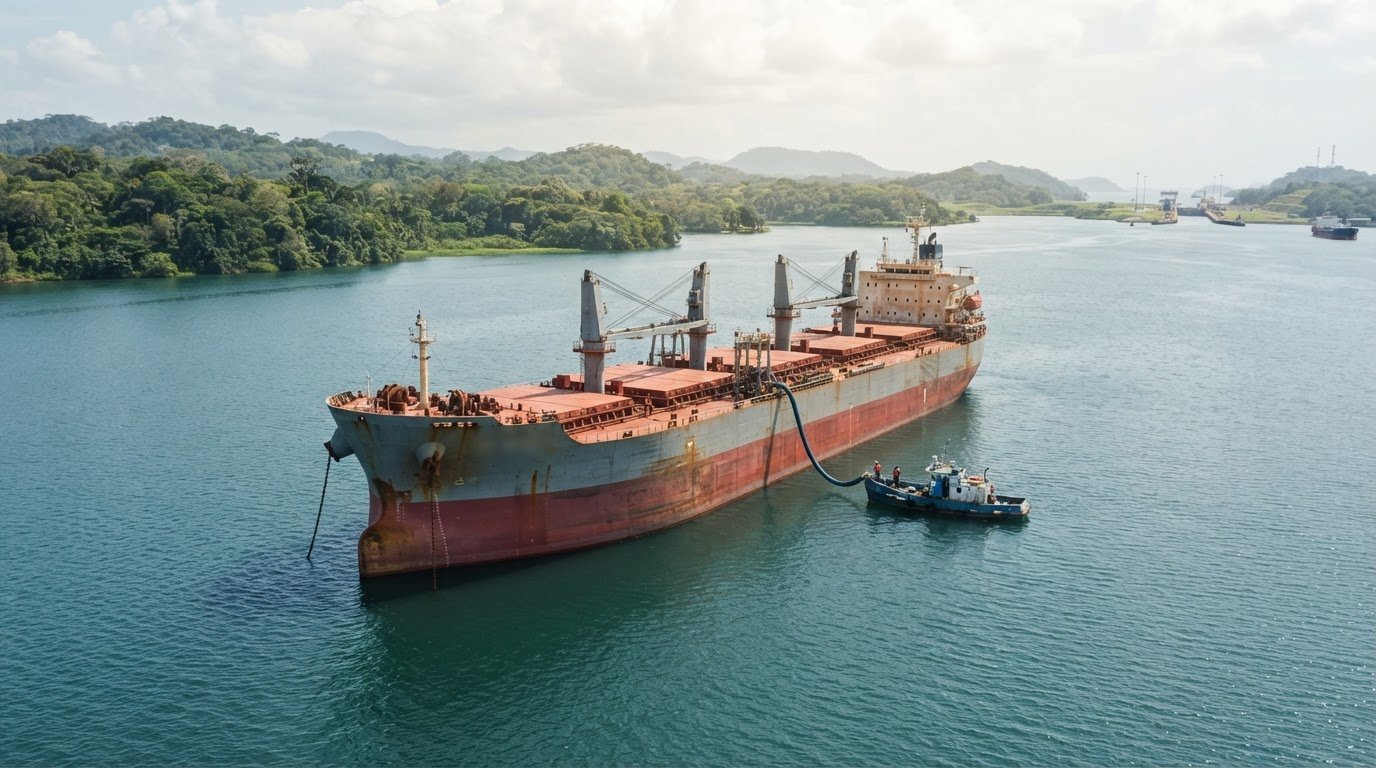
A cancellation can disrupt an anchorage plan and freshwater schedule. Gatun Lake is used for ship anchorage and access to the Atlantic locks, while cancellation terms for Gatun Lake anchorage services depend on the booking agreement. The agreement sets the applicable notice period and explains what happens if plans change.
Coordinating vessel requirements, timing and delivery details takes care, especially when schedules shift. This guide explains what to look for in cancellation terms and what to consider when arranging freshwater for a vessel at Gatun Lake. It also shows how the anchorage’s role in a canal passage shapes planning, so you can anticipate key decisions and coordinate more clearly.
Key Takeaways
- Understand how the Flats anchorage and the route toward Gamboa relate to a vessel’s canal passage.
- Learn what to consider when reviewing anchorage or marina charges and how service arrangements affect a quote.
- See how access restrictions around the locks, dam and parts of Barro Colorado Island shape anchoring plans.
- Identify the cancellation and freshwater details to coordinate with your ship agent to reduce disruption when schedules change.
Where are the anchorages on Gatun Lake, Panama?
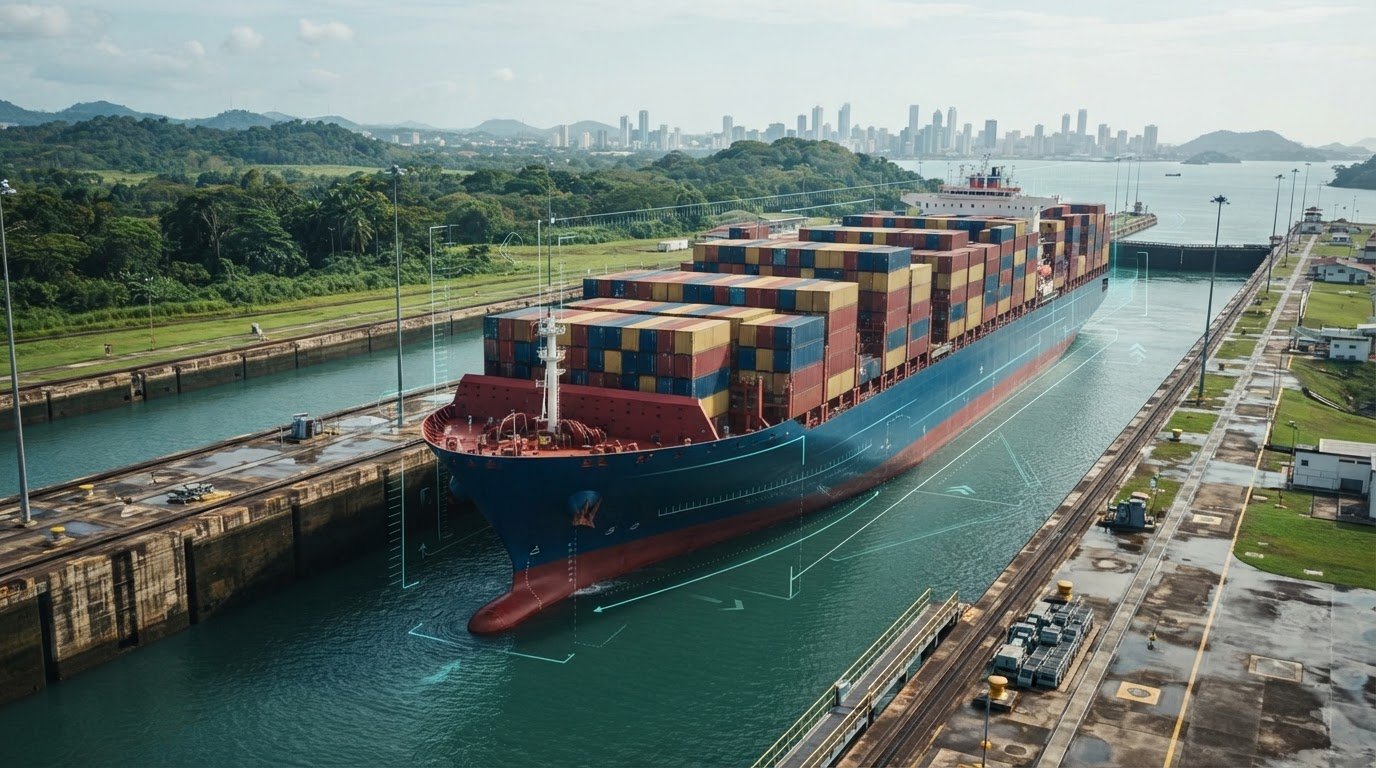
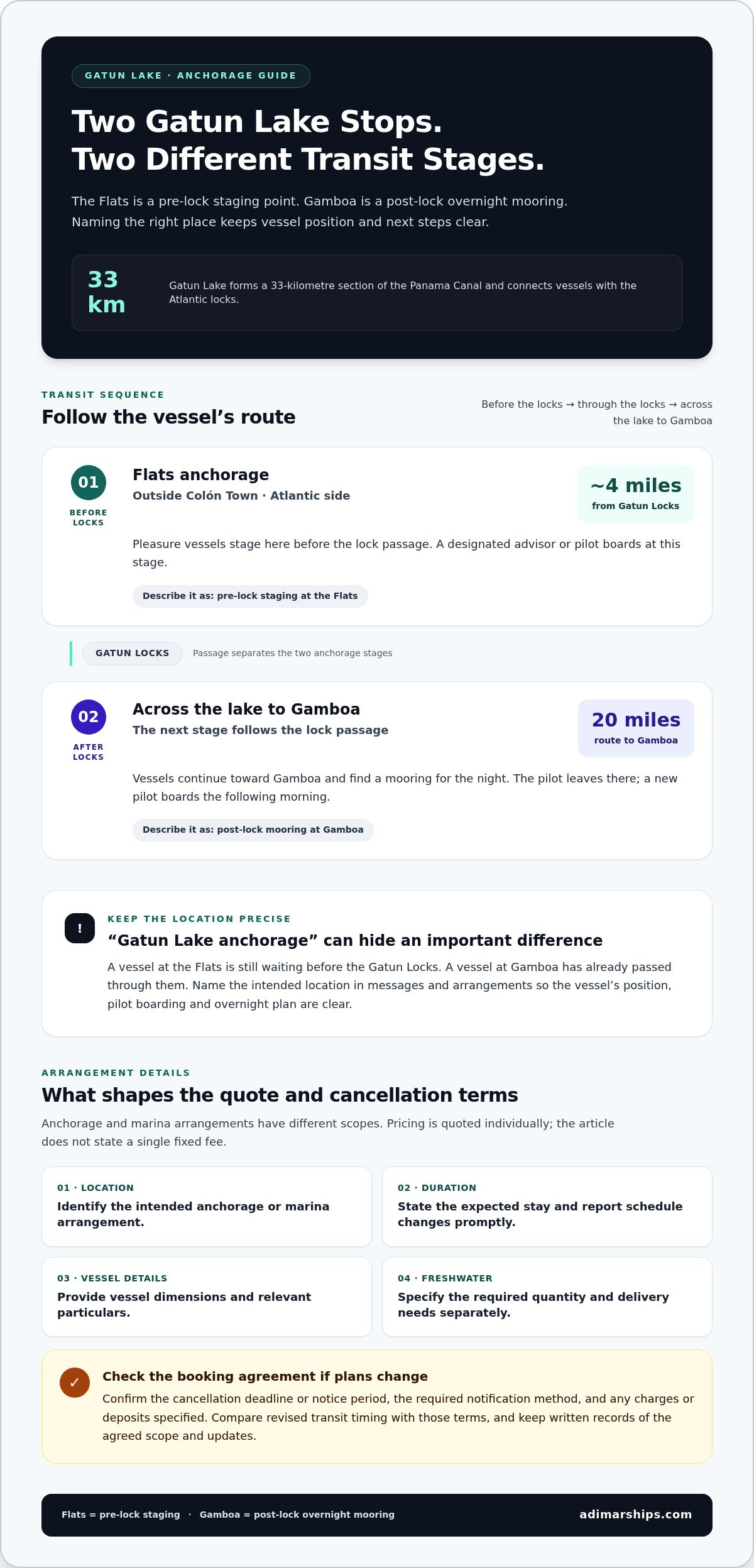
Lake Gatun forms a 33-kilometre section of the Panama Canal and connects vessels with the Atlantic locks. Anchorage locations depend on whether a vessel is staging before the locks or continuing across the lake. For pleasure vessels, the Flats anchorage outside Colón Town is a key staging point. Gatun Lake anchorage services therefore involve understanding where a vessel is in relation to its canal passage.
The Flats anchorage lies about 4 miles from the Gatun Locks. Pleasure vessels stage there before a designated advisor or pilot boards. This location is outside Colón Town, on the Atlantic side of the canal approach. It serves a different purpose from an overnight mooring farther along the canal: vessels use the Flats to prepare for the lock passage.
After passing through the Gatun Locks, vessels separate for the journey across the lake toward Gamboa. That route is 20 miles, and vessels find a mooring there for the night. The pilot leaves the vessel at Gamboa, and a new pilot boards the following morning. These are distinct stages: Flats staging precedes the locks, while Gamboa follows them.
- Before the locks: Pleasure vessels stage at the Flats anchorage outside Colón Town.
- Distance to the locks: The Flats anchorage is 4 miles from the Gatun Locks.
- After the locks: The route to Gamboa is 20 miles, ending at a nighttime mooring.
These locations matter when coordinating a vessel’s position, pilot boarding and overnight plans. For example, a pleasure vessel waiting at the Flats is still on the Atlantic side of the Gatun Locks. A vessel moored at Gamboa has already passed through them. Referring to both locations simply as “Gatun Lake anchorage” can obscure an important operational difference.
Use the vessel’s transit stage to describe its intended location clearly in messages and arrangements. Name the Flats for pre-lock staging outside Colón Town, and Gamboa for post-lock mooring. This distinction helps align communications about the vessel’s position and what happens next. It also keeps the lake crossing, lock passage and overnight stop clear as separate parts of the route.
The lake’s wider setting helps put the anchorage stages in context. Gatun Lake in Panama covers about 430 square kilometres and has a surface elevation of 26 metres. Lake Gatún forms a 21-mile section of the Panama Canal, while the route to Gamboa is 20 miles. Lake Gatun in Panama was flooded in 1913 during construction of the Panama Canal. The Panama Canal opened in 1914 and serves more than 140 transportation routes.
Together, these details provide a wider geographical and historical frame for identifying the anchorages. They do not change the operational distinction: a vessel at the Flats is waiting before the locks, while one at Gamboa is moored after them. Using clear location names helps keep these stages distinct when describing a vessel’s position along the canal.
What are the current fees for anchoring or marina services on Gatun Lake?
Budgeting for a stay on Gatun Lake starts with separating anchorage arrangements from marina services. They address different needs: a vessel may need a place to anchor, while a marina call can include a defined set of facilities or support. Costs depend on the specific arrangement, so compare quoted items rather than assuming one charge covers every requirement.
Anchorage or marina pricing depends on the arrangement and is provided in a quote. Key cost drivers include vessel dimensions, stay duration, requested services, and freshwater quantity and delivery requirements. A vessel needing only an anchorage arrangement has a different scope from one also requesting provisions or freshwater. State each requirement clearly so the quote reflects the intended scope.
Review the quote by separating the location, duration and service components. For example, describe an overnight stay and a longer wait as different durations. If the vessel also needs freshwater, list it separately, including the quantity and delivery details. This makes it easier to distinguish costs for the stay from those for additional support.
- Location: Identify the intended anchorage or marina arrangement on Gatun Lake.
- Duration: Specify the expected stay and report schedule changes promptly.
- Vessel details: Provide dimensions and other relevant particulars for the requested arrangement.
- Freshwater: State the required quantity and delivery needs as part of the service scope.
Cancellation terms also affect the overall cost. Check the booking conditions for the cancellation deadline, required notification method and any charges or deposits specified in the agreement. If a transit schedule shifts, compare the revised timing with the cancellation terms before changing the arrangement. Keep written records of the agreed scope and any updates.
For a vessel calling in Colón Province, clear coordination helps connect the anchorage plan with husbandry requirements. Ship Agency Services can support vessel-call coordination, while Husbandry Services address additional vessel needs. Share the intended stay, service requirements and freshwater details together, so each item is considered in context. For support coordinating a vessel call, explore ship agency services provided by Adimar Shipping, Inc.
There is no single stated fee; each arrangement is quoted individually. The quote reflects vessel dimensions, stay duration, requested services, and freshwater quantity and delivery needs.
Understanding delivery requirements and operational parameters ensures smooth planning. The Panama Canal-Lake Gatun location file uses four current patterns to simulate lake circulation and canal flow. Its high and low flow values correspond to the 75th and 25th percentile flows, respectively, and the flow statistics were analyzed from the period following the Canal’s 2016 expansion. The lake’s circulation is driven mainly by water flowing through it, with a modest additional current driven by wind across the lake surface. The file therefore represents lake and canal flow using patterns tied to high and low flow statistics, while recognizing wind as a secondary influence on circulation.
What permits or Panama Canal Authority rules apply to anchoring on Gatun Lake
On Gatun Lake, the clearest access rule concerns location: the Panama Canal Authority limits access around the locks, the dam and parts of Barro Colorado Island. These restrictions mean vessels should not treat every stretch of the lake as an available anchorage. The specific area matters, not just the fact that a vessel is on the lake.
This does not establish a single permit requirement for every anchoring situation. The key distinction is between access restrictions in specified areas and the broader question of where a vessel may anchor. Do not assume a location is open simply because it appears navigable or lies near a familiar transit point. Gatun Lake is part of the Panama Canal, so location planning must account for canal infrastructure and restricted zones.
For a practical plan, identify the intended anchorage by location and purpose. A vessel staging before the locks is in a different operational position from one moving through the lake after passing through them. The Flats and Gamboa are distinct points along that movement, but neither name replaces checking whether a proposed spot falls within an access-limited area.
- Mark the intended area: Describe the anchorage in relation to the locks, Gatun Dam or Barro Colorado Island.
- Separate transit stages: State whether the vessel is waiting before the locks or proceeding across the lake.
- Keep the plan specific: Record the location and purpose, rather than referring only to “Gatun Lake.”
- Revisit the position if plans change: A revised anchorage point may bring different access considerations.
These steps help distinguish navigation planning from access permission. For example, a planned stop near Barro Colorado Island requires attention to access limits around parts of the island. Likewise, an anchorage near the locks or dam calls for careful attention to the Authority’s restrictions. Do not assume that a general transit arrangement allows a vessel to anchor in a restricted area.
Keep the vessel’s location and intended activity clear in communications, especially if a schedule change shifts the proposed waiting point. This gives everyone coordinating the call a precise basis for discussing the plan. For Panama Canal passages, a ship agent can coordinate vessel communications and arrangements, while the Panama Canal Authority’s access limits remain central to deciding where anchoring can be planned.
Adimar Shipping: Ship Agency Services
Adimar Shipping, Inc. coordinates ship agency support for vessels transiting the Panama Canal, helping owners and charterers manage vessel-call communications and arrangements. Turn to its team when anchorage planning needs to connect with transit coordination, cancellation updates or onboard requirements.
Through Owner’s Nominated Agency or Charterer’s Nominated Agency, Adimar Shipping, Inc. represents the appointing party’s interests in coordinating the call. Husbandry Services can support additional vessel needs, including arrangements connected with a planned stay. Clear details about the vessel’s intended location, schedule changes and freshwater requirements help keep requests aligned.
For expert ship agency support and transit coordination based out of Panama City, contact Adimar Shipping, Inc.
Make Your Next Anchorage Plan More Resilient
A sound plan for Gatun Lake anchorage services accounts for schedule changes before they disrupt the vessel’s requirements. Treat cancellation terms, freshwater needs and anchorage arrangements as connected planning decisions. Clear communication within your team helps everyone understand what must change if the vessel’s timing shifts.
Set out the intended service scope, the vessel’s freshwater requirements and the process for communicating updates. This gives your team a practical reference when plans need adjustment, without relying on assumptions about what an arrangement includes. Clear records also help align expectations among the owner, charterer and vessel’s crew.
Adimar Shipping, Inc. offers Ship Agency Services, including Owner’s Nominated Agency and Charterer’s Nominated Agency. These agency arrangements support coordination around a vessel’s Panama Canal call. Choose the representation that fits your role in the call, then share the operational details needed for coordination.
To discuss agency support for your vessel’s plans, contact Adimar Shipping, Inc.. A clear starting point can help your team approach the next call with greater confidence.
Frequently Asked Questions
What anchoring services are available on Gatun Lake?
Available support centers on vessel agency coordination and related husbandry needs, rather than operating an anchorage or marina. For Gatun Lake anchorage services, an agent can coordinate the vessel call and help align requested support, such as freshwater arrangements, with the vessel’s schedule. For example, an operator can share its planned stay and freshwater requirement together, making the scope of the request clear for coordination.