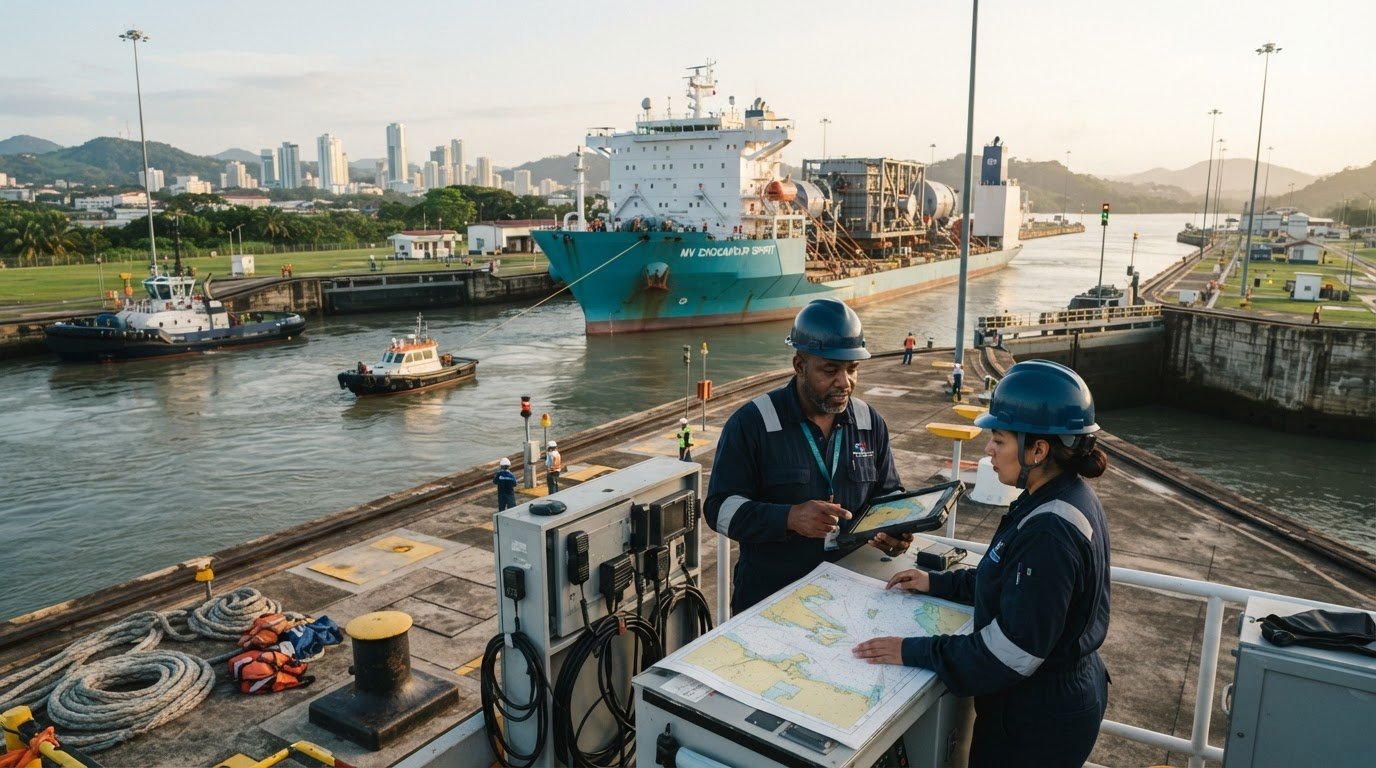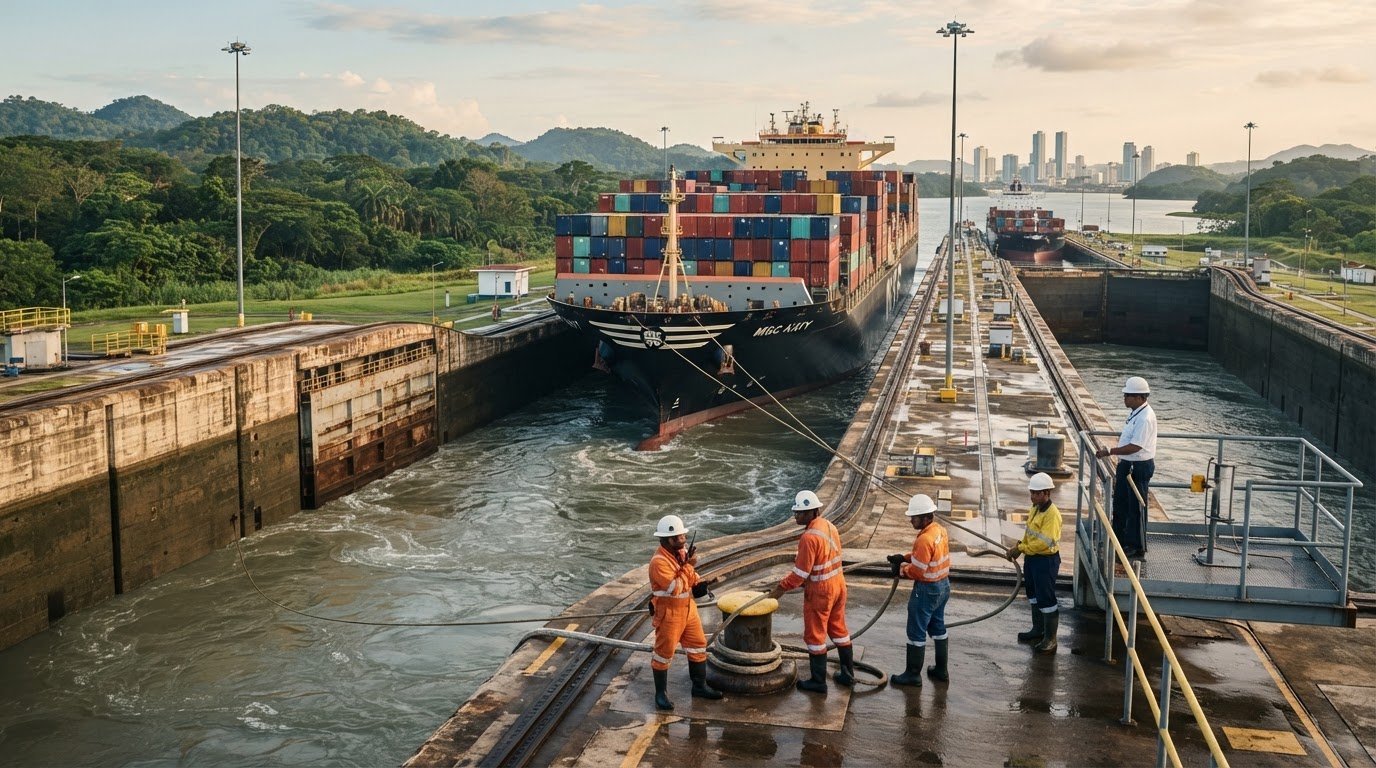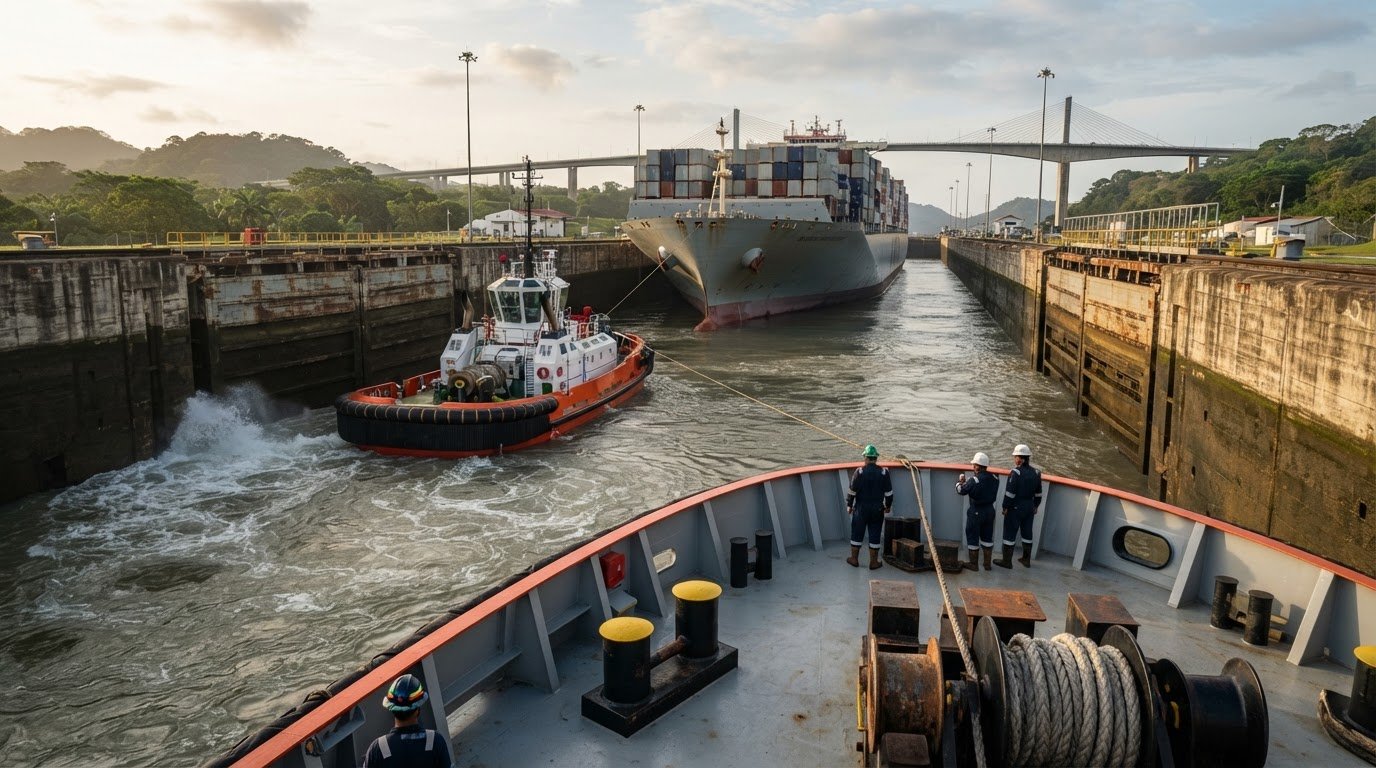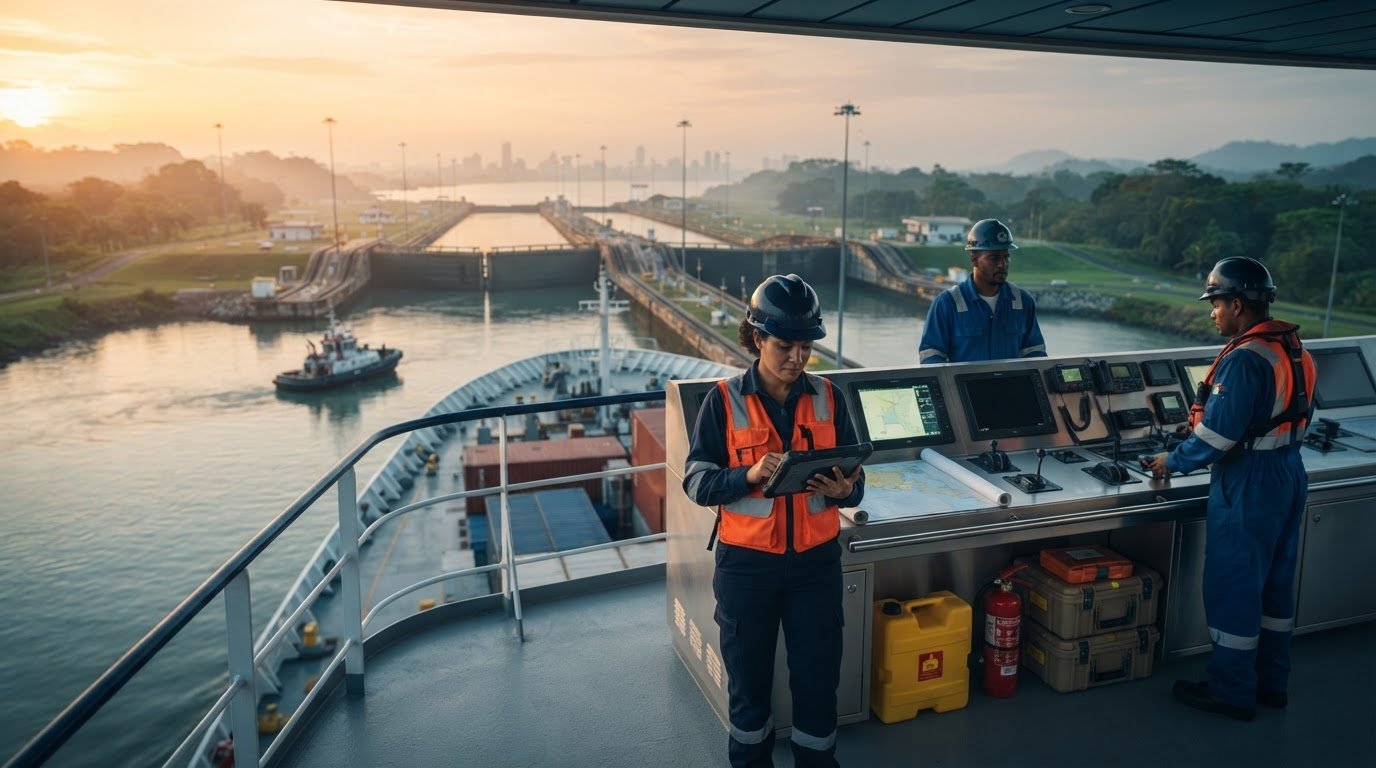

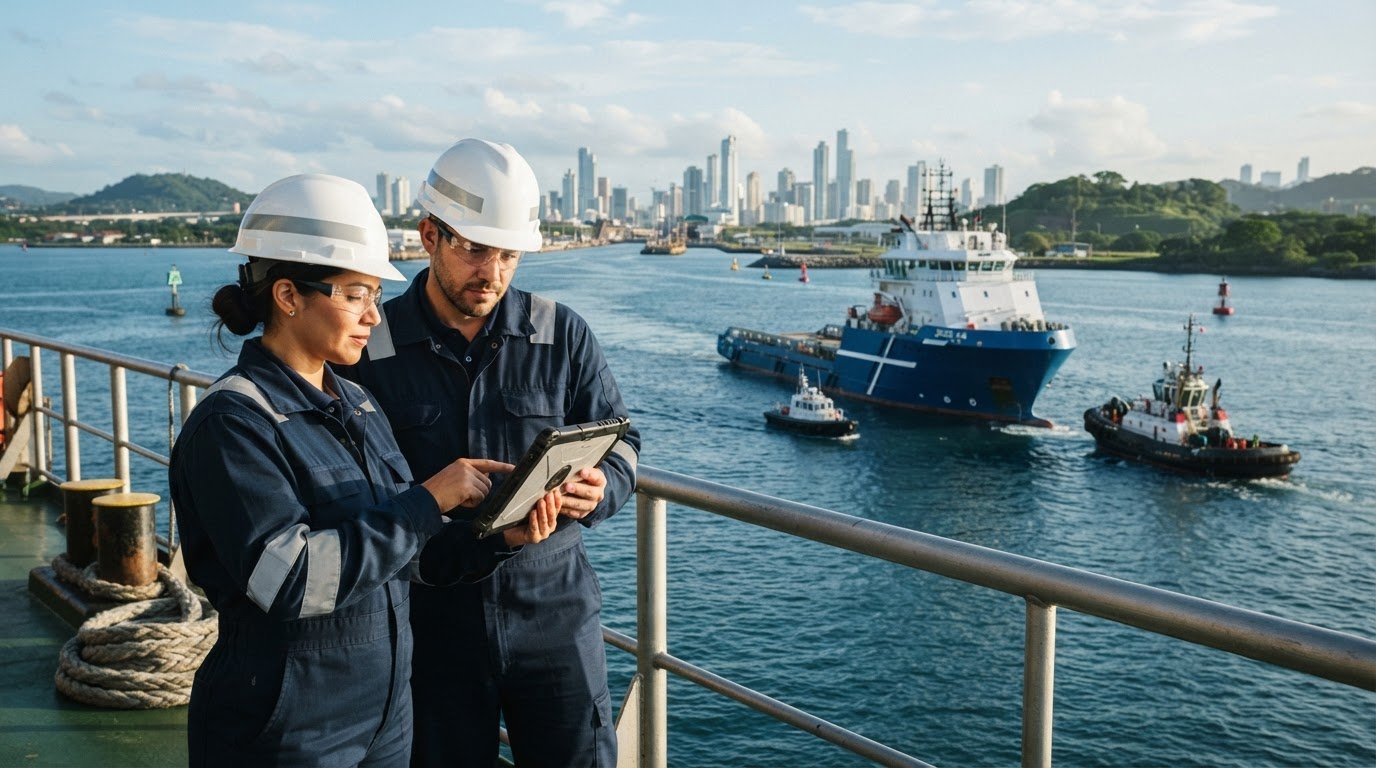
What if the agent you appoint can coordinate a canal transit but isn’t prepared for your offshore vessel’s husbandry or representation needs? Choosing a ship agent for offshore vessels panama takes more than checking a service list. Your vessel’s operating profile, planned activities, and support requirements all matter.
A dependable local partner can help coordinate these needs, but first confirm who will handle each task and where responsibilities begin and end. Gaps between transit coordination, husbandry, compliance support, and local representation can create uncertainty when clear communication matters most.
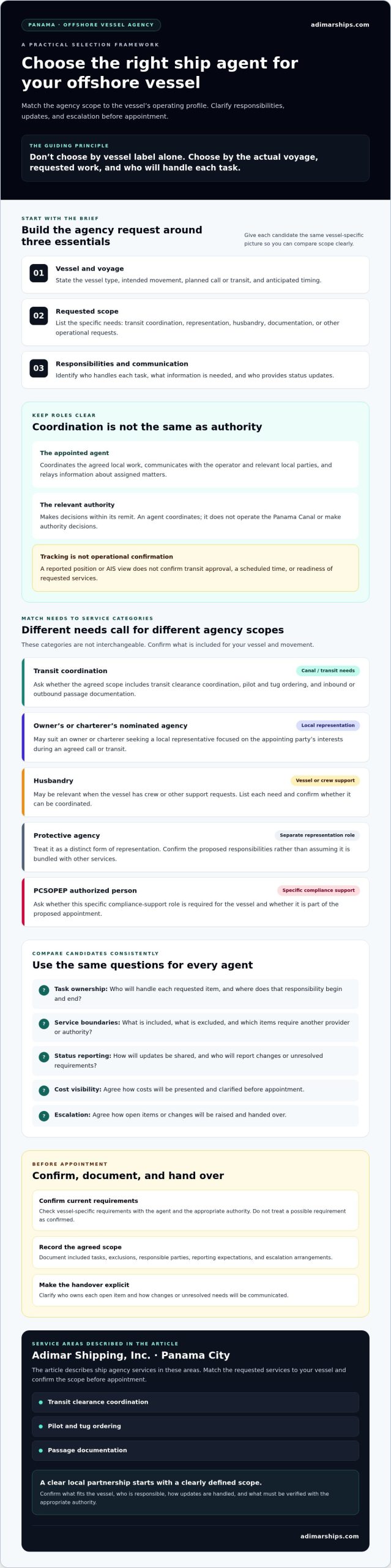
This guide provides a practical framework for comparing Panama ship agents against your vessel’s needs. You’ll learn what to ask about transit coordination, owner’s or charterer’s nominated agency, husbandry, and PCSOPEP authorized person services, as well as how to agree on reporting, cost visibility, and escalation before appointment. Adimar Shipping, Inc., based in Panama City, provides ship agency services in these areas. Confirm which requested services fit your vessel before appointing a provider. The goal is a clear, accountable local partnership, with each need matched to the right service.
Key Takeaways
- Match the agency scope to your vessel’s actual operating profile instead of assuming every offshore vessel needs the same support.
- Compare candidates by who handles each requested task, provides status updates, and manages escalation.
- Use the ship agent for offshore vessels panama selection process to clarify transit coordination, representation, husbandry, and compliance needs before appointment.
- Confirm current vessel-specific requirements with your agent and the appropriate authority, then document the agreed scope and handover.
- Review Adimar Shipping’s confirmed agency services against your needs, including transit clearance coordination, pilot and tug ordering, and passage documentation.
What should an offshore vessel’s Panama ship agent actually coordinate?
A ship agent is the vessel’s local representative for an agreed set of services related to a port call or transit. The scope should be explicit: the agent coordinates assigned tasks and communicates with the operator and relevant local parties. A neutral overview of common responsibilities appears in Shipping agency, but the precise appointment depends on the vessel and its requirements.
“Offshore vessel” covers a broad range of operations, not one standard agency package. A vessel’s planned Panama Canal transit may require different coordination from a port call connected with offshore work. Assess a ship agent for offshore vessels panama against the actual vessel, voyage plan, and requested scope, not the vessel label alone.
Keep agency coordination distinct from other roles. An agent does not operate the Panama Canal, own the vessel, forward freight, or broker cargo. The relevant authority makes decisions within its remit, while the agent coordinates agreed local work and relays information. Before appointment, identify what is included, what is excluded, and who is responsible for each open item.
How does Panama agency support differ from vessel tracking?
Tracking tools can show a vessel’s reported position or AIS information. That can support situational awareness, but a map position does not confirm transit approval, a scheduled time, or readiness of requested services. Agency support is operational: an appointed agent communicates with the operator and coordinates assigned matters with relevant local service providers. Ask how updates will be shared and who will report changes or unresolved requirements.
Which offshore vessel details shape the agency brief?
Give each candidate a concise brief tailored to the vessel. Include the vessel type, planned call or transit, expected voyage timing, and services you want considered. List relevant crew, documentation, transit, and other operational requests, but treat each as a requirement to confirm, not an assumed service. Requirements can depend on the vessel and movement, so confirm them with the agent and appropriate authorities.
For a clear appointment discussion, organize the brief around:
- Vessel and voyage: vessel type, intended movement, and anticipated timing.
- Requested scope: transit coordination, husbandry, representation, documentation, or other specific needs.
- Responsibilities: the party handling each task, the information required, and the contact for status updates.
This upfront detail helps show whether an agent can coordinate the requested work or whether another provider or authority must be involved. Confirm vessel-specific requirements and responsibility boundaries before relying on a schedule or service plan.
Which Panama ship agency services may fit an offshore vessel?
Start with the work the vessel needs, then match each item to a confirmed service category. An agent may coordinate transit clearance, pilot and tug orders, and inbound or outbound documentation, but the appointment should specify which tasks are included. For current canal-related information, consult the Panama Canal Authority Maritime Services page and confirm requirements for the specific vessel and transit.
Other services serve different purposes. An owner’s or charterer’s nominated agency represents the appointing party’s interests locally. Husbandry addresses agreed vessel or crew needs, while protective agency provides a separate form of representation. A PCSOPEP authorized person appointment concerns a specific compliance-support role. These categories are not interchangeable and should not be assumed to be bundled together. Confirm the provider’s scope and the vessel’s applicable requirements before appointment.
When might nominated agency or husbandry be relevant?
Nominated agency may suit an owner or charterer who wants a local representative focused on their interests during an agreed call or transit. Husbandry may be relevant when the vessel has crew or other support requests. List each item and confirm whether it can be coordinated. For more detail, see this guide to Panama ship husbandry services.
How should operators verify PCSOPEP support?
If PCSOPEP support may apply, confirm the vessel’s requirements and current process with the relevant authority. Ask the provider exactly what its authorized-person service covers, what information it needs, and what remains the operator’s responsibility. The PCSOPEP authorized person guide offers further context, but it doesn’t replace vessel-specific confirmation.
Use a simple scope matrix to make the appointment concrete. For every requested item, record:
- Requirement: the task or support requested.
- Responsible party: the agent, operator, another provider, or authority.
- Timing: when information or coordination is needed, as agreed.
- Reporting method: who provides updates and through which channel.
- Confirmation status: confirmed, pending, or outside the proposed scope.
This makes gaps visible before they affect coordination. When evaluating a ship agent for offshore vessels panama, ask candidates to complete the matrix against your vessel brief rather than relying on a general service list. Operators considering Adimar’s agency categories can review Adimar’s Panama ship agency services and confirm which requested items fit their vessel’s scope.
How can you compare Panama agents for an offshore vessel?
A service list is only a starting point. Compare each candidate against the same vessel brief, then look for clear task ownership, dependable reporting arrangements, and a documented process for changes. A useful comparison shows not just what an agent says it can coordinate, but how the work will be managed for your call or transit.
Confirmed scope: Which requested services are included, excluded, or still subject to confirmation?
Local contact: Who is the primary contact in Panama, and who provides cover if that person is unavailable?
Reporting: What updates will the operator receive, through which channel, and at what agreed intervals or milestones?
Escalation: Who handles an unanswered request, changed instruction, or issue requiring another provider or authority?
Documentation: Who collects, checks, submits, and reports on each document within the agreed scope?
Ask every candidate the same questions. For example, if transit coordination and a separate husbandry request are both in scope, ask who owns each item and whether one contact will consolidate status updates. The answers help distinguish a coordinated appointment from a set of loosely connected arrangements.
What questions reveal whether an agent fits your vessel?
Ask for a written service scope tied to the vessel, voyage, and requested call. Confirm the named points of contact, communication channels, update frequency, and escalation arrangements. Then test the boundaries: which tasks will the agent coordinate directly, which depend on a third party, and which require separate confirmation? A suitable ship agent for offshore vessels panama should explain those boundaries clearly, without presenting unconfirmed work as included.
Ask how changes are recorded and communicated, too. If instructions shift or a response is pending, who will notify the operator, what information will they provide, and how will responsibility pass between relevant parties? Clear answers give you a process to assess rather than a promise that is difficult to verify.
How should you assess cost visibility and accountability?
Request an itemized estimate and clarify which items need your approval before services are authorized. Ask how disbursements will be reported, what supporting documents will be supplied, and how the agent will communicate a changed estimate. Don’t assume a standard fee: costs depend on the agreed scope, vessel needs, and current conditions, so confirm the details for the specific appointment.
Finally, treat transparency and ethical conduct as diligence questions. Look for a written scope, traceable approvals, clear records, and prompt explanations of changes. These practical checks help you compare proposals on accountability as well as service coverage.
What should you confirm before appointing a Panama offshore vessel agent?
A clear appointment starts with a complete vessel brief and ends with a written scope and orderly handover. Confirm current, vessel-specific requirements with the agent and appropriate authority before relying on a transit plan. For broader context, review this Panama Canal transit guide, then verify the details that apply to your vessel and voyage.
- Prepare the brief. Share vessel particulars, planned dates, voyage details, and the agency services requested.
- Define representation. Identify whether the owner or charterer is appointing the agent, whose interests the agent represents, and who can issue instructions.
- List operational requests. Include crew or husbandry needs, documentation, deadlines, and authorized contacts. Mark items that still need confirmation.
- Verify responsibilities. Agree who coordinates each service, who communicates with relevant parties, and how status updates and escalations will work.
- Confirm in writing. Record the included scope, exclusions, open requirements, reporting expectations, and handover arrangements before the appointment proceeds.
What information should the appointment brief include?
Make the brief specific enough for the agent to assess the requested work, not just identify the vessel. Include vessel particulars, intended movement and dates, voyage details, and the services being considered. State whether the owner or charterer is appointing the agent and clarify the intended representation. Add crew or husbandry requests, document needs, deadlines, and the names and authority of operational contacts.
Keep uncertain items visible rather than implying they are agreed. This gives both sides a practical record of what has been requested, what is included, and what still needs a response.
Which transit details need separate confirmation?
For a canal transit, verify current Panama Canal Authority requirements and applicable processes for the specific vessel. Confirm who is responsible for transit clearance coordination, pilot and tug orders, and inbound or outbound documentation, as well as how changes will be reported. The Panama Canal ship agent guide provides further background; use the relevant authority for current, vessel-specific requirements.
Handover checklist: vessel particulars, voyage plan and dates, appointed contacts, written instructions, confirmed and pending tasks, and reporting expectations. A complete handover helps prevent gaps when responsibilities shift between the operator, agent, and other parties.
To discuss a vessel-specific scope for Panama agency services, contact Adimar Shipping about your agency requirements.
How can Adimar support an offshore vessel’s Panama agency needs?
Once you’ve defined the vessel’s requirements and compared potential agents, check how a provider’s confirmed services align with your brief. Adimar Shipping, Inc. is based in Panama City and provides ship agency services for Panama Canal transits. Its role is local coordination, not operation of the Canal. Before appointment, confirm that each requested task fits the agreed scope and the vessel’s current requirements.
Which confirmed Adimar services may match your brief?
For a transit, Adimar coordinates transit clearance, pilot and tug orders, and inbound and outbound documentation. These are coordination services, so clarify responsibilities, required information, and reporting arrangements for your specific vessel and voyage.
If the owner or charterer wants local representation, Adimar also offers owner’s and charterer’s nominated agency. Husbandry and protective agency are separate offerings, as is its PCSOPEP authorized person service. Don’t assume these services are automatically included with transit agency or that every request is available for every vessel. Identify the services you need and ask Adimar to confirm fit and scope individually.
This distinction helps operators match a request to the right service instead of relying on a broad agency label. For example, transit documentation and a crew-related husbandry request may require separate scope confirmation, even when they concern the same vessel call.
What is the next step toward a Panama appointment?
Prepare a concise brief with the vessel particulars, intended schedule, appointing party, and requested services. Include relevant transit, documentation, representation, husbandry, or PCSOPEP needs, and identify the authorized operational contacts. A clear brief gives Adimar the information needed to assess which requested services it can coordinate.
Before proceeding, ask Adimar to confirm the written scope, who is responsible for each task, points of contact, reporting arrangements, and current requirements applicable to the vessel. Transit requirements can depend on vessel-specific details, so verify them with the appropriate authority as well as the agent. This gives both sides a shared basis for coordination and makes open items visible before handover.
If you’re assessing a ship agent for offshore vessels panama, match the confirmed service scope to your vessel rather than assuming offshore operations require a standard package. Discuss your offshore vessel’s Panama agency requirements with Adimar and provide the details needed to confirm fit.
Make your Panama agency appointment with a clear scope
The right local partner is one whose confirmed services match your offshore vessel’s actual transit, representation, husbandry, and compliance needs. Before appointing, define who is responsible for each task, how updates will be shared, and which vessel-specific requirements still need confirmation.
Use the same practical checks when evaluating a ship agent for offshore vessels panama: compare written scope, local contacts, documentation handling, reporting, escalation, and cost visibility. A clear brief helps prevent gaps between transit coordination and other requested support.
Adimar Shipping, Inc. is based in Panama City and coordinates Panama Canal transit clearance, pilot and tug orders, and passage documentation. Its confirmed offerings also include owner’s and charterer’s nominated agency, husbandry, protective agency, and PCSOPEP authorized person services. Confirm the fit and scope of any requested service for your vessel before appointment.
Discuss your offshore vessel’s Panama agency requirements with Adimar and share your vessel details and requested scope. A well-defined appointment can give your team a clearer path to local coordination.
Frequently Asked Questions
Can an offshore vessel use a Panama ship agent?
Yes. An offshore vessel can engage a Panama ship agent when it needs local agency support, but the appropriate scope depends on its voyage, operating profile, and requested services. A vessel transiting the Canal may need different coordination from one making another type of call. Confirm that the agent can coordinate each requested task, and verify current, vessel-specific requirements with the relevant authority rather than assuming every offshore vessel follows the same process.
What does a ship agent do for an offshore vessel in Panama?
A ship agent coordinates the local services included in the appointment, communicates with relevant parties, and may handle specified transit or call documentation. Adimar Shipping, Inc. confirms transit clearance coordination, pilot and tug ordering, and inbound and outbound documentation. Clarify who coordinates each task, which providers or authorities are involved, what documents are in scope, and how updates will reach the vessel operator.
How do I choose a ship agent for an offshore vessel in Panama?
Choosing a ship agent for offshore vessels panama starts with a written brief covering the voyage, requested services, appointing party, and operational contacts. Compare candidates on confirmed scope, local communication, document handling, escalation, and cost visibility. Ask who owns each task, what needs separate confirmation, and how changes will be reported. Before finalizing the appointment, verify current requirements for the vessel and intended transit with the appropriate authority.
Does every offshore vessel need a Panama Canal ship agent?
Not necessarily. Don’t assume every offshore vessel has the same transit or agency requirements. The need for an agent depends on the vessel’s intended operation, route, call, and requested support. Separate Canal transit coordination from other port-call or husbandry requests, then confirm what applies to the specific vessel and voyage with the relevant authority and a local agent. This helps establish which responsibilities belong in the appointment and which require separate arrangements.
Can a Panama ship agent arrange crew or husbandry services for an offshore vessel?
Some agents offer husbandry support, but the requested services and their availability should be confirmed for the vessel and call. Ask which crew or vessel needs the agent can coordinate, what information is required, and whether another provider must be involved. Adimar lists husbandry services among its offerings. Confirm the specific scope directly before relying on it, and record responsibilities and reporting arrangements in the appointment.
What is a PCSOPEP authorized person, and should I confirm it for my vessel?
PCSOPEP refers to the Panama Canal Shipboard Oil Pollution Emergency Plan. Whether a particular vessel has an applicable requirement, and what process applies, should be verified using current vessel-specific information with the relevant authority. An agent may offer PCSOPEP authorized person services, but confirm the service scope and each party’s responsibilities. Don’t assume appointing a provider alone establishes compliance or replaces the operator’s other obligations.
What information should I send a Panama ship agent before appointment?
Provide the vessel’s particulars, intended voyage and schedule, appointing party, and a clear list of requested services. Include relevant operational contacts, documentation needs, deadlines, and any crew or husbandry requests. Ask the agent to confirm the written scope, task responsibilities, reporting arrangements, and items requiring separate approval. Before finalizing instructions, verify current requirements for the vessel and transit with the appropriate authority and resolve any open questions.