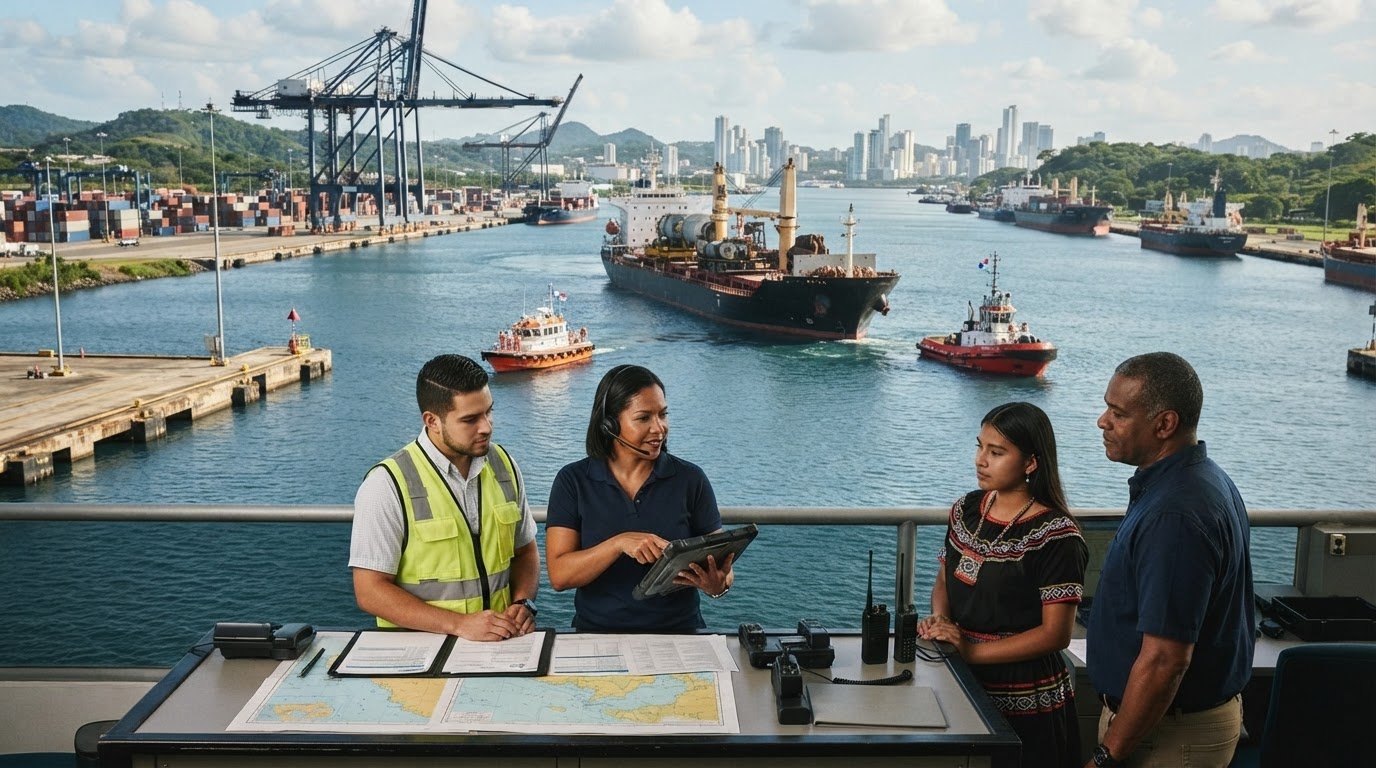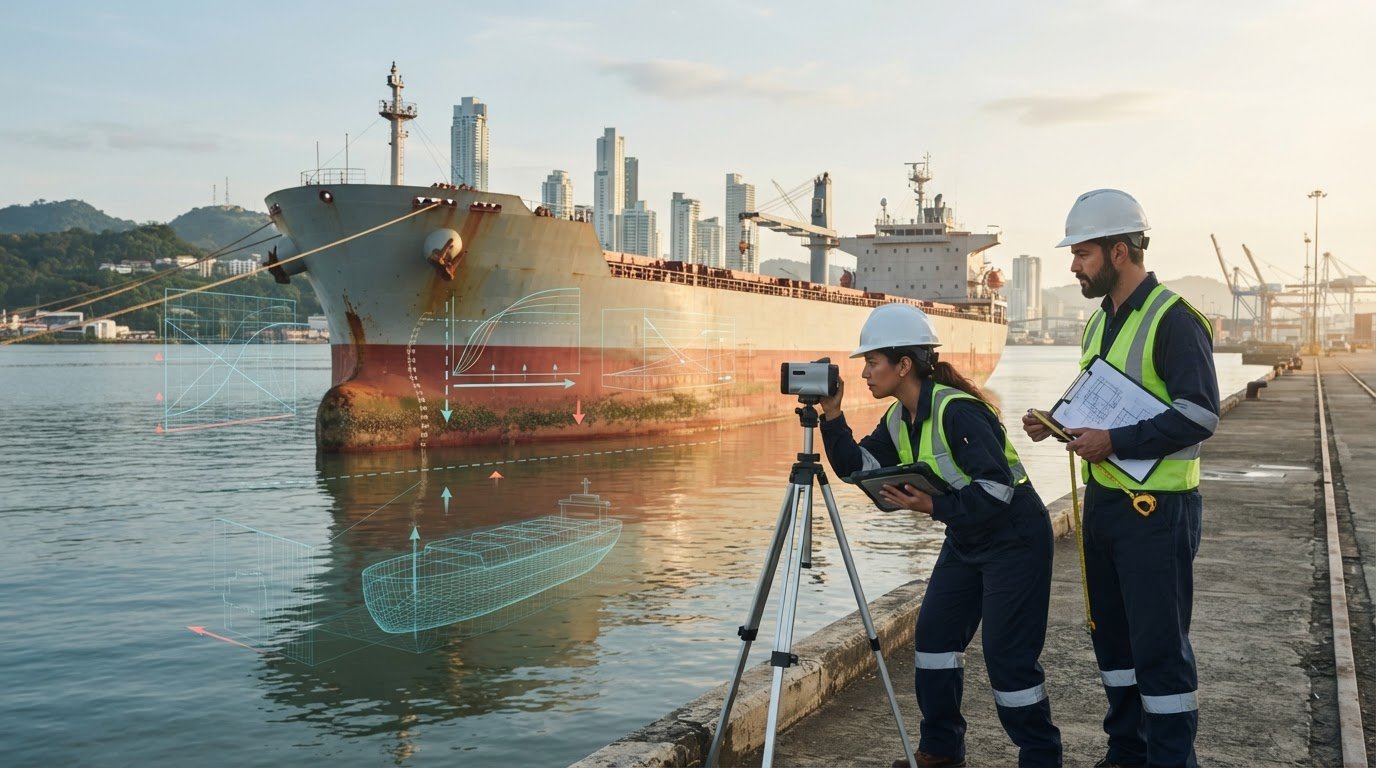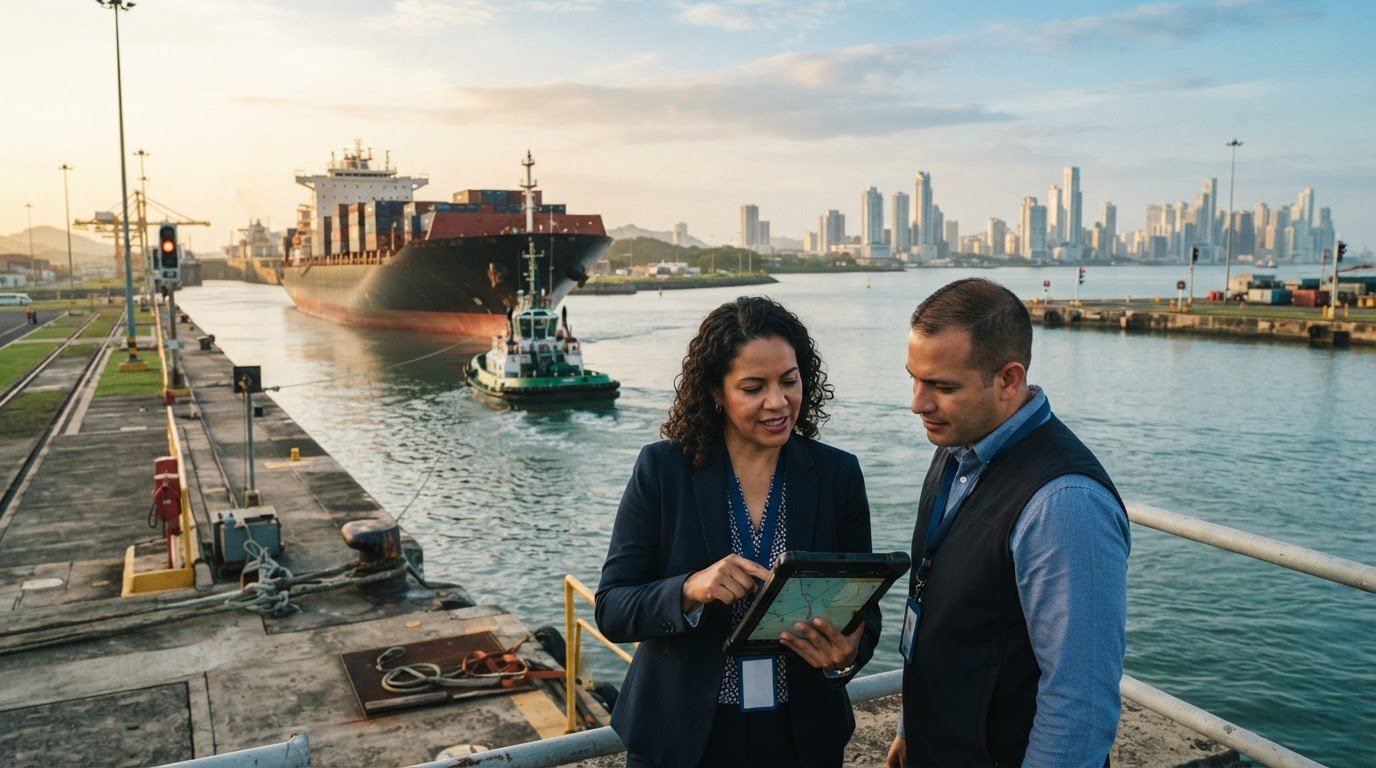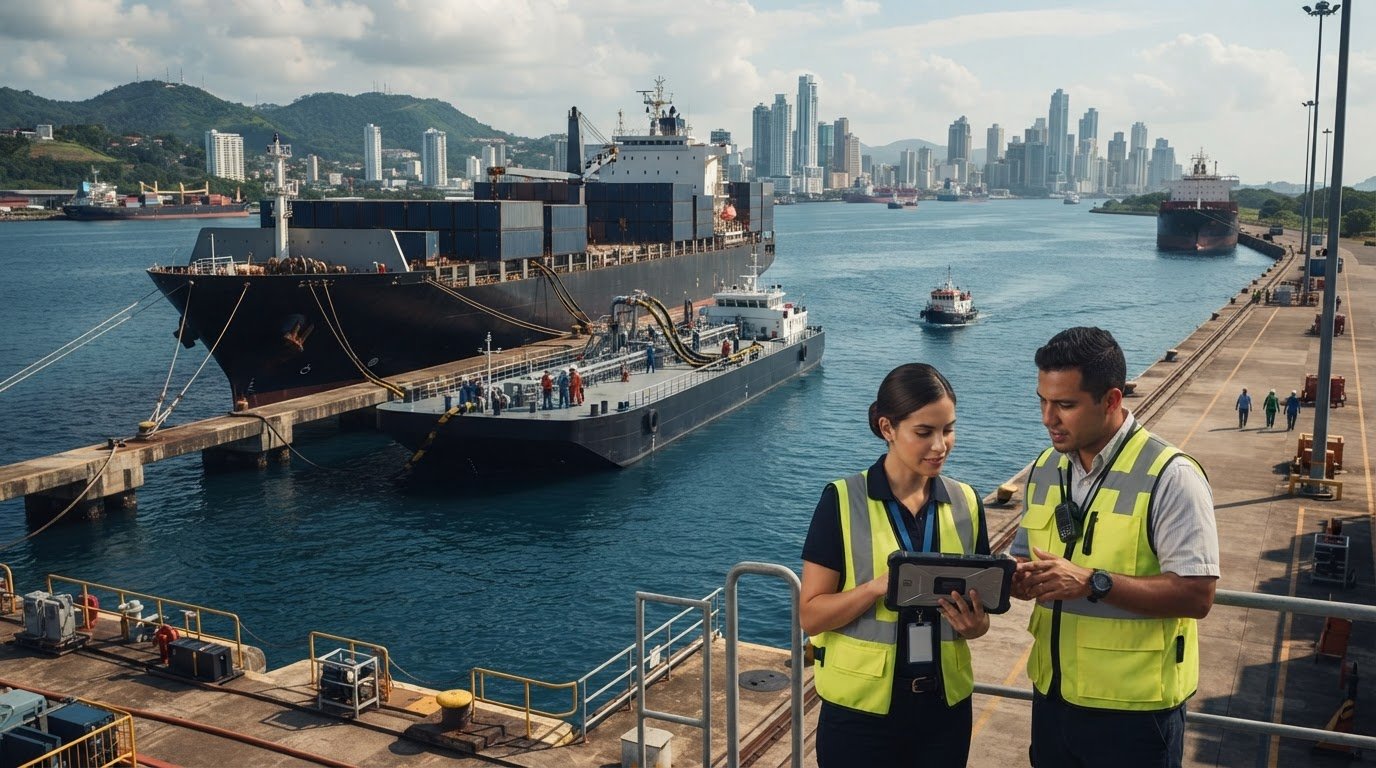

A Panama Canal passage can be disrupted before a vessel reaches the Canal, not because of one missing permit, but because essential information, documents and approvals weren’t coordinated in time. Panama canal transit clearance is a sequence of connected steps. Knowing who handles each one helps vessel owners, charterers, and freight forwarding specialists like Freight and More Pty Ltd plan shipping schedules with greater confidence.
Questions often arise about which vessel details are required, when information must be submitted and who makes the final decisions. The Panama Canal Authority (ACP) governs Canal operations and clearance decisions. A ship agent coordinates communications and documentation on the vessel’s behalf. Keeping those roles clear is the first step toward avoiding preventable gaps in transit planning.
This guide explains the main stages of clearance, the vessel information and documents that may be needed, and how ACP requirements fit into the process. You’ll also learn how a Panama-based ship agent can organize submissions, coordinate transit arrangements and provide owners or charterers with a clear local point of contact. Requirements can vary by vessel and are subject to current ACP notices, so timely preparation matters.
Key Takeaways
- Panama canal transit clearance is a coordinated process, not a single permit or an approval issued by a ship agent.
- Use a preparation sequence to organize voyage planning, vessel information, submissions and transit readiness.
- Identify vessel details that may need review, including particulars, modifications and arrival information, then verify exact requirements against current ACP notices.
- Keep vessel data accurate, documents controlled and communications clear so responsible parties can track submission status.
- A Panama-based ship agent can coordinate documentation, ACP communications, and pilot and tug orders while representing an owner’s or charterer’s interests.
What Panama Canal Transit Clearance Means for an Arriving Vessel
Panama canal transit clearance means coordinating a vessel’s readiness and the required interactions with the Panama Canal Authority (ACP) before and during consideration for a Canal passage. The process may involve vessel information, applicable documentation, operational coordination and communication with the authority. Exact requirements depend on the vessel and current ACP procedures, so clearance isn’t one universal permit or fixed checklist.
Clearance is not a guaranteed transit slot or an approval issued by a ship agent. The ACP sets official operational requirements and makes decisions within its authority. An agent coordinates the vessel’s case but cannot approve a transit or control Canal operations. For historical and operational context, see this overview of the Panama Canal.
Canal transit is also different from arriving for a port call. A vessel calling at a Panamanian port and a vessel transiting the Canal have different operational purposes and may follow different processes. Some information or documentation requirements can overlap, particularly when arrival details and vessel particulars are relevant, but a port call should not be treated as transit clearance.
Who makes decisions, and who coordinates the vessel’s case?
The ACP sets official Canal requirements and makes operational decisions. The owner or operator is responsible for ensuring the vessel’s particulars and supporting information are accurate; the master can provide or verify operational details as appropriate. A ship agent acts as the local coordinating point, organizing documentation and communications with the relevant parties. This division keeps responsibilities clear: the vessel’s representatives provide reliable information, the agent coordinates the case, and the ACP makes its own decisions.
Why clearance preparation matters before Canal arrival
Missing, late or inconsistent information can leave questions about a vessel’s readiness, add coordination work or disrupt arrival planning. Accurate preparation gives the relevant parties a clearer basis for reviewing the vessel’s circumstances and coordinating the passage. It doesn’t replace the need to follow current ACP requirements, but it can reduce avoidable uncertainty.
Operators can treat clearance as part of passage planning rather than a last-minute administrative task. A Panama-based ship agent can maintain a clear line of communication and coordinate transit documentation and arrangements. For a broader overview of the passage itself, read the Panama Canal transit guide.
Panama Canal Transit Clearance: Pre-Arrival to Passage
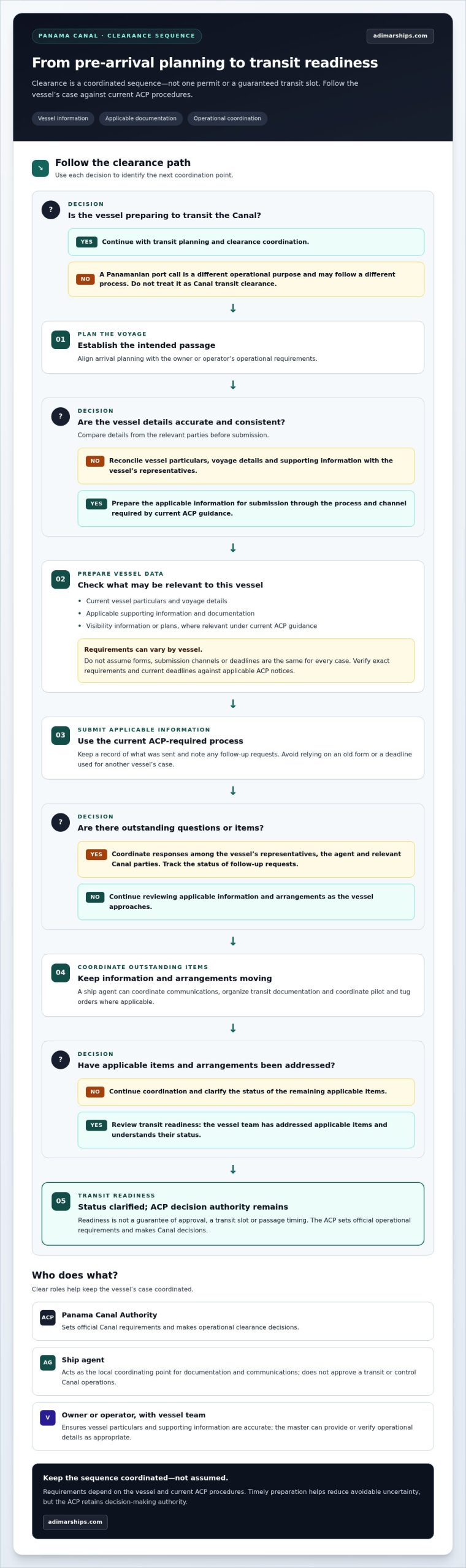
Think of clearance as a sequence of checks and coordination points, not a single submission that settles every transit detail. Use this framework to organize the work, then align each step with current ACP procedures and the vessel’s circumstances.
- Plan the voyage. Establish the intended passage and align arrival planning with the owner or operator’s operational requirements.
- Prepare vessel data. Gather current particulars, voyage details and supporting information relevant to the vessel’s case. Compare details from different parties to catch inconsistencies before submission.
- Submit applicable information. Arrange submission through the process and channel required by current ACP guidance. Keep a record of what was sent and any follow-up requests.
- Coordinate outstanding items. Respond to questions and align communications among the vessel’s representatives, the agent and relevant Canal parties.
- Confirm transit readiness. Review the status of required information and applicable arrangements as the vessel approaches, while recognizing that the ACP retains decision-making authority.
What happens during pre-arrival information preparation?
The operator and vessel team organize accurate vessel particulars, voyage details and any applicable supporting information. Depending on the vessel and current ACP guidance, visibility information or plans may also be relevant. Don’t assume forms, submission channels or deadlines are the same for every vessel. Confirm the applicable details against current ACP notices and the Maritime Regulations for the Panama Canal.
Operators should verify current ACP deadlines for their vessel against applicable official notices. Don’t rely on an old form or a deadline used for another vessel’s case.
How do coordination and transit readiness fit together?
A ship agent can coordinate communications between the represented client and relevant Canal parties, organize transit documentation, and coordinate pilot and tug orders where applicable. The agent keeps information and arrangements moving between parties, but doesn’t decide whether the ACP accepts a submission or grants a transit slot. Readiness means the vessel team has addressed applicable items and understands their status. It isn’t a guarantee of approval or passage timing.
For owners and charterers, a clear local point of contact makes the sequence easier to manage. Adimar’s Panama ship agency coordination supports transit documentation, communications and related service orders.
Which Panama Canal Clearance Requirements Depend on the Vessel?
There isn’t one checklist that fits every vessel. For Panama canal transit clearance, relevant information may depend on the vessel’s type, dimensions, configuration, modification history and arrival circumstances. Use the categories below to organize a review, then confirm case-specific requirements against current Panama Canal Authority (ACP) guidance.
Category
What may need review
Verification point
Vessel particulars
Vessel type, dimensions, configuration and other identifying details.
Confirm which particulars and any applicable limits the ACP requires for this vessel.
First-time or modified vessels
Whether a first transit or a change to the vessel’s configuration calls for additional review or supporting information.
Verify whether advance review applies and what material the ACP currently requires.
Arrival or visibility information
Arrival details, visibility readings or vessel plans, where applicable.
Check current forms, units, submission deadlines and rules for revisions.
Which vessel characteristics can affect the review?
Two vessels with similar voyage plans may still require different attention if their dimensions, type or configuration differ. A modification can also make previously supplied particulars outdated, so operators should check that the information reflects the vessel as it is now. Don’t rely on figures copied from older advisories as universal limits. The ACP’s Panama Canal Vessel Requirements is a reference point. Verify the latest applicable notice and its scope before acting on specific requirements. For context on the authority’s responsibilities, see the ACP authority guide.
What pre-arrival information may need special attention?
Arrival, visibility and vessel-plan information may be relevant under current ACP guidance, but applicability and details can vary. Treat forms, measurement units, deadlines and permitted revisions as items to verify, not assumptions to carry over from another transit. Keep submitted information aligned with the vessel’s current particulars, and record updates so all parties work from the same version.
Document readiness and operational clearance are related, but they aren’t interchangeable. Preparing information supports review; it doesn’t establish operational acceptance or secure a transit schedule. Vessel-specific confirmation helps owners, operators and agents focus on relevant requirements instead of relying on a generic online list.
How to Prepare a Vessel for Panama Canal Transit Clearance
A well-organized record helps the operator, master and local agency see what has been prepared, submitted and left to address. Use this checklist to manage Panama canal transit clearance without assuming that every vessel follows the same requirements.
A practical pre-arrival clearance checklist
- Accuracy: Reconcile vessel particulars and voyage information before sending required submissions. The master can verify operational details and flag changes that affect the information provided.
- Document control: Keep one current record of the vessel’s prepared documents and information. Note the version, date and responsible party, and avoid circulating outdated copies as if they were current.
- Requirements and status: Track each applicable ACP requirement, the person responsible for the next action, submission status and any follow-up. Verify specific requirements and deadlines against current ACP notices for the vessel.
- Changes: Flag changes to vessel particulars, configuration or voyage information promptly. The operator and agent can coordinate whether updated information or further review is required under current ACP guidance.
- Communications: Record submissions, acknowledgements, outstanding requests and responses, using consistent vessel identifiers throughout.
How to reduce avoidable communication gaps
Designate a clear operational contact for the owner or operator, master, charterer where relevant, and local agency. That contact can route updates to the right parties and keep the vessel’s status visible. The agent coordinates communications and transit documentation. The vessel’s representatives remain responsible for supplying accurate information, while the ACP determines official requirements and decisions.
If a request is unclear or an item remains unresolved, raise it early through the appropriate agency and ACP channels. Record what was asked, who is following up and whether a response has arrived. A shared, current record helps prevent teams from relying on different versions or overlooking an open item.
Before the vessel approaches, review the record together. Confirm applicable information has been addressed, identify outstanding actions and make sure relevant parties understand their responsibilities. This won’t guarantee ACP approval or a transit slot, but it supports orderly coordination and arrival planning.
For local coordination of transit documentation and related arrangements, discuss transit coordination with Adimar.
How a Panama Ship Agent Supports Transit Clearance
A local ship agent gives owners and charterers a clear point of contact for coordinating the moving parts of Panama Canal transit clearance. Adimar Shipping, Inc. coordinates transit documentation and communications, along with pilot and tug orders where applicable. This local coordination helps the represented client track information and outstanding actions while keeping the ACP’s authority distinct.
What the agency coordinates for owners and charterers
When appointed as an owner’s or charterer’s nominated agency, Adimar Shipping, Inc. acts as the local coordinating representative for that party. The agency organizes relevant transit documentation, relays communications and coordinates pilot and tug orders as part of the passage arrangements. The owner, operator and master remain important sources of accurate vessel information, and the ACP retains responsibility for official requirements and operational decisions.
This division supports clear expectations: the agent coordinates the case and represents the appointing client’s interests, but doesn’t operate the Canal, issue ACP approvals or guarantee a transit slot. For a broader look at ship agency support, see the Panama ship agency guide.
Where PCSOPEP fits into the clearance picture
PCSOPEP is a separate compliance-related consideration, not a substitute for transit clearance. Its applicability and current requirements for a particular vessel and voyage should be assessed against relevant ACP guidance. Adimar Shipping, Inc. also provides PCSOPEP authorized person services, supporting clients with this distinct aspect of preparedness while transit documentation and coordination proceed through their own channels.
Keeping these workstreams distinct helps avoid a common misunderstanding: addressing a PCSOPEP-related matter doesn’t complete transit clearance or establish scheduling. For a dedicated explanation, read the PCSOPEP authorized person guide.
For owners and charterers, a Panama-based representative can organize communications, documentation and related service orders, with clear updates on coordination status. The ACP remains the decision-making authority, and outcomes depend on its requirements and decisions.
Contact Adimar Shipping, Inc. about a Panama Canal transit to discuss local agency coordination for your vessel.
Prepare Your Vessel for a More Coordinated Passage
Panama canal transit clearance is a coordinated process, not a single permit or an agent-issued decision. Vessel details and applicable requirements can vary, so organized records and timely communication help owners, operators and masters prepare for ACP review and passage planning. The ACP makes official operational decisions; a ship agent coordinates information and arrangements on the client’s behalf.
Adimar Shipping, Inc. is a Panama-based ship agency in Panama City. Its local team coordinates transit clearance, documentation, communications, and pilot and tug orders. Adimar Shipping, Inc. also provides PCSOPEP authorized person services, a distinct part of vessel preparedness that doesn’t replace transit clearance. This support gives owners and charterers a clear point of contact while keeping roles and responsibilities transparent.
Start organizing the vessel’s information early and keep relevant parties aligned as requirements are reviewed. Discuss your vessel’s Panama Canal transit clearance with Adimar Shipping, Inc. to discuss local coordination for your passage.
Frequently Asked Questions
What is Panama Canal transit clearance?
Panama Canal transit clearance is the coordinated preparation and communication required for the Panama Canal Authority (ACP) to review a vessel’s readiness for transit. It can involve vessel information, applicable documents and operational coordination, with details depending on the vessel and current ACP requirements. Clearance isn’t one universal permit, a guaranteed transit slot or an approval issued by a ship agent. The ACP makes official operational decisions.
What documents are required for Panama Canal transit clearance?
There isn’t one document list that applies to every vessel and voyage. Depending on the circumstances and current ACP guidance, preparation may involve vessel particulars, voyage and arrival details, and supporting information or plans. First-time transits or vessel modifications may call for additional review. Confirm the applicable documents, forms and submission process against current ACP notices instead of relying on an older checklist or another vessel’s submission.
How far in advance should a vessel submit Panama Canal clearance information?
The submission timeline depends on applicable ACP requirements and the vessel’s circumstances. Operators should verify the current deadline for their vessel using official ACP notices and allow time to prepare accurate information, submit it through the required process and address follow-up questions. Don’t assume a deadline from an earlier transit still applies. A Panama-based ship agent can coordinate documentation and communications, but can’t change ACP deadlines or guarantee acceptance.
Can a ship agent obtain Panama Canal transit clearance?
A ship agent can coordinate the clearance process, but the ACP decides whether requirements are met and makes operational decisions. The agent can organize relevant documentation, relay communications and coordinate related services such as pilot and tug orders where applicable. Owners, operators and the master provide or verify accurate vessel information. This gives the client a local coordinating contact without suggesting that an agent can issue ACP approval or guarantee a transit slot.
What happens if a vessel submits incomplete or late information?
Incomplete, inconsistent or late information can prompt follow-up, create uncertainty about the vessel’s readiness or disrupt arrival and passage planning. The specific consequences depend on the outstanding item and current ACP procedures, so there’s no single outcome to assume for every case. Keep a current record of submissions and responses, flag changes promptly, and route unresolved questions through the appropriate agency and ACP channels as early as possible.
Is Panama Canal transit clearance the same as booking a transit slot?
No. Clearance concerns the vessel’s applicable information, documentation and readiness for ACP review. Transit booking or scheduling is a separate operational matter governed by ACP procedures. Completing documentation or coordinating with an agent doesn’t itself secure a slot, and a slot doesn’t replace vessel-specific requirements. Track clearance status and transit arrangements as related but distinct workstreams, confirming each against current ACP guidance.
Does every vessel have the same Panama Canal clearance requirements?
No. Requirements may vary with vessel type, dimensions, configuration, modification history and voyage or arrival circumstances. For example, a changed configuration may make previously supplied particulars inaccurate and affect what information needs review. Use general checklists to organize preparation, then verify exact requirements, forms, units and deadlines against current ACP notices for the specific vessel instead of assuming another vessel’s process applies.